
Best Cross Line Laser Levels (2026): A Buying Guide for Real Projects
Disclosure: We may earn a commission when you buy through links on this page, at no extra cost to you. As an Amazon Associate I earn from qualifying purchases. Learn more

Beam color, accuracy and mounting decide the best cross line laser level for tile, cabinets and ceilings. Compare the classes before you buy.
A cross line laser throws a level horizontal line and a plumb vertical line that cross on your wall, and that single cross replaces a spirit level, a plumb bob and a helper holding the other end of a chalk line. The best cross line laser level for your projects comes down to beam visibility, accuracy at working distance and how you plan to mount it.
This guide covers the specs that actually change results on tile, cabinets and ceilings, plus the mistakes that make a good laser look inaccurate. The comparison table below lays out the main classes side by side.

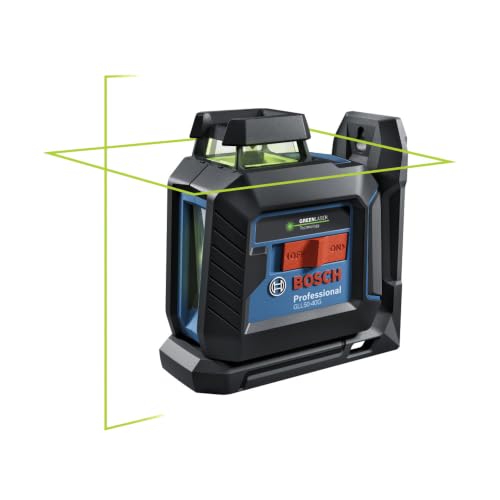

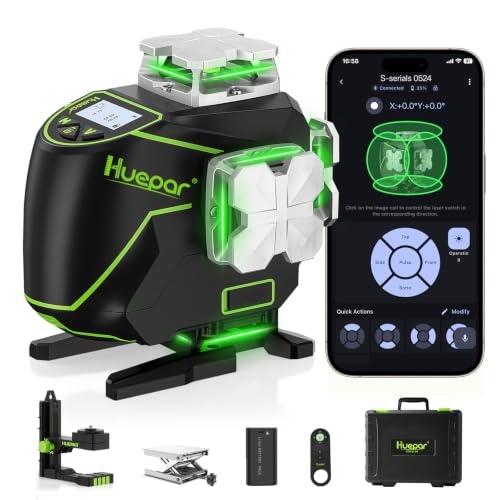
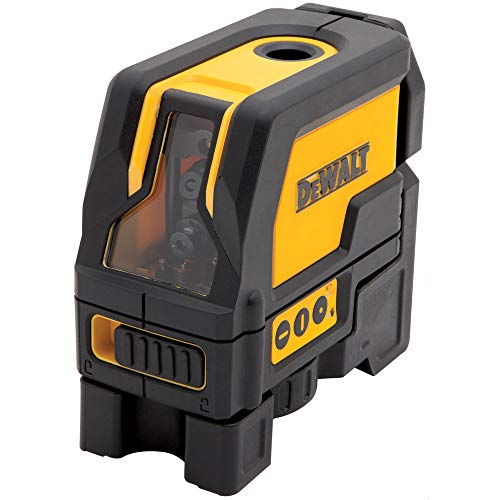

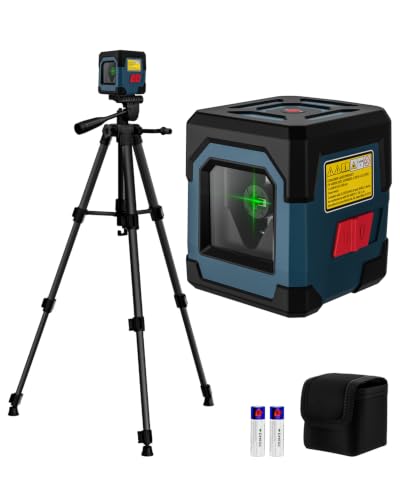
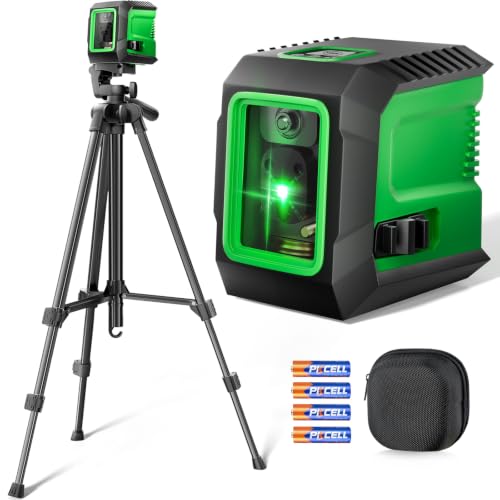
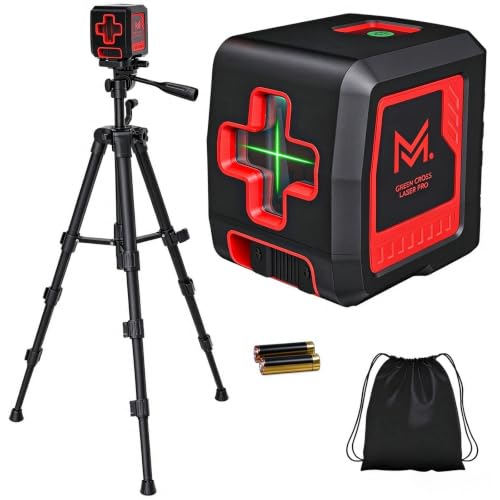
Who Should Buy Which Cross Line Laser Level?
Tile and Bathroom Installers
Tile work is where a cross line laser pays for itself in one job: the vertical line keeps grout joints plumb up a shower wall while the horizontal line sets your ledger course. Green beams earn their premium here because bathroom lighting is bright and tile work happens at close range for hours. If your layout work expands to full room grids, compare against the wider coverage in our guide to the best 360 laser level models.
Cabinet, Trim and Shelving DIYers
Hanging uppers in a straight run, aligning shelf standards and keeping trim level across a long wall are classic cross line jobs. A compact red beam model handles indoor distances in normal light without strain. A magnetic bracket that clamps to a steel stud or a shelf edge speeds up solo work. For the broader category picture, start with our roundup of the best laser level types before narrowing to this format.
Picture Hangers and Light Home Users
Gallery walls and curtain rods need short range accuracy and fast setup more than raw brightness. An entry cross line model with a clamp mount does this beautifully and costs little. If pictures are honestly your whole workload, our dedicated guide to the best laser level for hanging pictures focuses on exactly that. Users who want the pendulum to do the leveling work should also read our best self leveling laser level guide for how the mechanism behaves.
Key Features to Compare
Beam Color: Green vs Red Visibility
Green beams look brighter to the human eye at the same power, roughly four times more visible in typical indoor light, which extends working range and helps over glossy tile. Red beams cost less, sip battery and are perfectly readable indoors at normal room distances. Outdoors in daylight, neither color is truly visible at range without a receiver, so do not pay a green premium for yard work unless the model supports a detector. Choose green for bright interiors and long indoor runs, red for ordinary rooms and value.
Accuracy and Working Range
Accuracy is quoted as a tolerance over distance, commonly around 1/8 inch at 30 feet for good models and looser for budget ones. That tolerance stacks with your marking error, so a laser rated tighter keeps a long tile run honest. Working range claims assume ideal darkness; in a lit room, expect a red beam to fade well before its box rating. If your rooms are large, look for pulse mode with a compatible receiver to stretch range reliably, or step up in beam brightness rather than trusting the printed distance.
Self Leveling Range and Pendulum Lock
Most cross line lasers self level within about 4 degrees of true level and blink or beep when the surface is beyond that range, which warns you instead of lying to you. The pendulum lock matters just as much: locked mode lets you tilt the laser to project angled lines for stair rails and diagonal tile, and it protects the pendulum in transport. A laser without a lock rattles its mechanism in your toolbox and drifts out of calibration sooner. Check that out of level warning is a flashing beam you cannot miss.
Mounting Options and Thread Sizes
You will mount this tool on tripods, brackets, poles and door frames, so mounting decides how fast you work. Standard tripod threads are 1/4 inch on compact models, with some adding 5/8 inch for survey tripods. A magnetic bracket that rotates and clamps is worth real money for solo cabinet work. Ceiling grid clips and fine height adjustment on the bracket save constant re leveling. Before buying, picture your three most common setups and confirm the included mount covers at least two of them.
Battery System and Runtime
Budget cross line lasers run on AA batteries and last many hours because line diodes sip power, while trade models use rechargeable packs that swap with other tools on the same platform. Green beams draw more current than red, so runtime ratings shrink as brightness climbs. For occasional home use, AA power is simple and cheap. For weekly trade use, a shared battery platform removes one charger from your kit. Either way, a battery gauge on the tool prevents the slow fade that makes a beam look out of level late in a job.
Cross Line vs Other Laser Formats
A cross line laser projects one horizontal and one vertical plane, which covers the great majority of indoor layout tasks. Point lasers only transfer dots, which suits stud bay layout but not continuous lines. Rotary lasers spin a beam for full room and outdoor grading work at a much higher price. The 360 degree line lasers extend the cross concept around the whole room, which helps when you level across multiple walls at once. For tile, cabinets, ceilings and pictures in ordinary rooms, the cross line format remains the sweet spot of price and capability.
Common Mistakes to Avoid
- Ignoring the flashing out of level warning and trusting a line the laser already told you is wrong.
- Carrying the laser without locking the pendulum, so transport knocks it out of calibration.
- Expecting any beam color to show in bright sunlight without a receiver.
- Marking from a shaky mount on a hollow floor, where your own footsteps move the line.
- Never checking calibration against a known level line, so a dropped tool keeps giving bad readings.
How to Make Your Laser Level Last Longer
Lock the pendulum before the tool goes back in its case, every time, because that single habit prevents most calibration loss. Keep the lens and window clean with a soft dry cloth and never a solvent, since coatings on the optics scratch and haze easily. Store the case indoors, remove AA batteries before long storage to prevent leaks, and keep the tool out of standing dust during cutting work by moving it once lines are marked. Once a year, check the line against a long spirit level or a water level across a room, and send the tool for service if the error exceeds its rating.
FAQ
Are cross line laser levels worth it for home use?
Yes, for anyone who hangs, tiles or builds more than once a year. A solo worker gains the most, because the laser holds the line while both your hands hold the workpiece. The entry price is low enough that one crooked cabinet run avoided pays for the tool. If your projects are only hanging two frames ever, a spirit level and patience suffice. For repeat layout work, the laser quickly stops feeling like a luxury.
Can you use a cross line laser level outdoors?
Only in shade, at dawn or dusk, or with a laser receiver in pulse mode. Bright sun washes out both red and green beams within a few feet, no matter what the range claim says. For fence lines and deck layout in daylight, plan on the receiver, and check that the model you buy supports one, because many compact home models do not. Indoors and in garages, daylight through windows is usually still fine for green beams.
How accurate is a cross line laser level over a long wall?
A typical rating of 1/8 inch at 30 feet means the line can sit that far from true at the far end, and your pencil mark adds a little more. For tile and cabinets that is well within grout joint tolerance. For long runs, work from the middle outward or check the line at both ends against a story pole. A quick two peg test on a calm floor tells you whether your specific unit still meets its spec.
Do cross line laser levels work for ceiling work?
Yes. Mounted on a tripod or a telescoping pole, the horizontal line transfers a level ceiling height around the room for can lights, ceiling tile grids and cabinet soffits. The vertical line helps align light rows. Overhead work punishes weak mounts, so a bracket with fine height adjustment saves repeated trips up the ladder. Keep the laser below the work and mark the ceiling, rather than balancing the tool above your head.
What is the best cross line laser level for a first time buyer?
The best first purchase is a self leveling model with a pendulum lock, a magnetic bracket and accuracy around 1/8 inch at 30 feet, in red for value or green if your rooms are bright. That combination covers tile, cabinets and pictures without paying for trade battery systems. Confirm it takes standard tripod threads so mounts stay cheap as your projects grow. Technique, especially checking calibration, will matter more than the next price step up.
Final Thoughts
The product table above compares the leading classes on visibility, accuracy and mounting. Choose the best cross line laser level by matching beam color to your lighting, accuracy to your longest wall, and the mount to how you actually work. Get those three right and the laser becomes the quiet third hand on every layout job you tackle.


