
Best CTEK Battery Chargers of 2026: How to Read the Lineup
Disclosure: We may earn a commission when you buy through links on this page, at no extra cost to you. As an Amazon Associate I earn from qualifying purchases. Learn more

The CTEK range spans tiny maintainers to workshop chargers. This guide explains modes, amps and battery types so you pick the best ctek battery charger.
CTEK built its name on one idea: a charger should think in steps, not just push current until a timer stops. The Swedish brand's multi step charging, automatic maintenance mode, and weather sealed cases made it the factory supplied charger for several premium car brands. But the range runs from palm sized maintainers to serious workshop units, and picking the best ctek battery charger for your garage means matching amps, modes, and battery chemistry to what you actually own.
This guide explains the lineup by class rather than by badge, so you can see which size fits a stored sports car, a daily driver, or a boat battery bank. The comparison table below outlines the classes side by side.
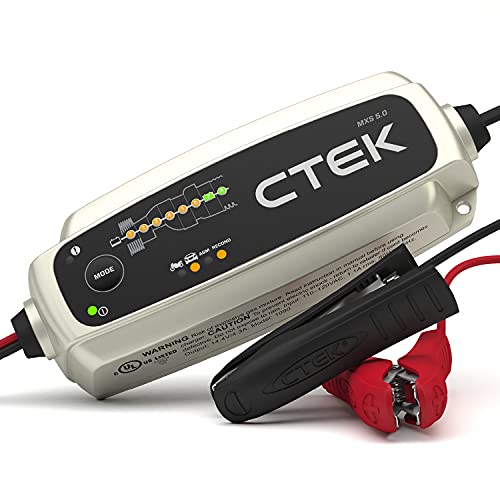
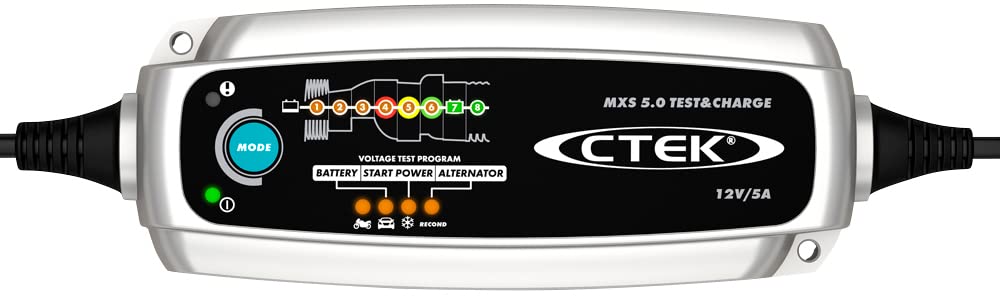
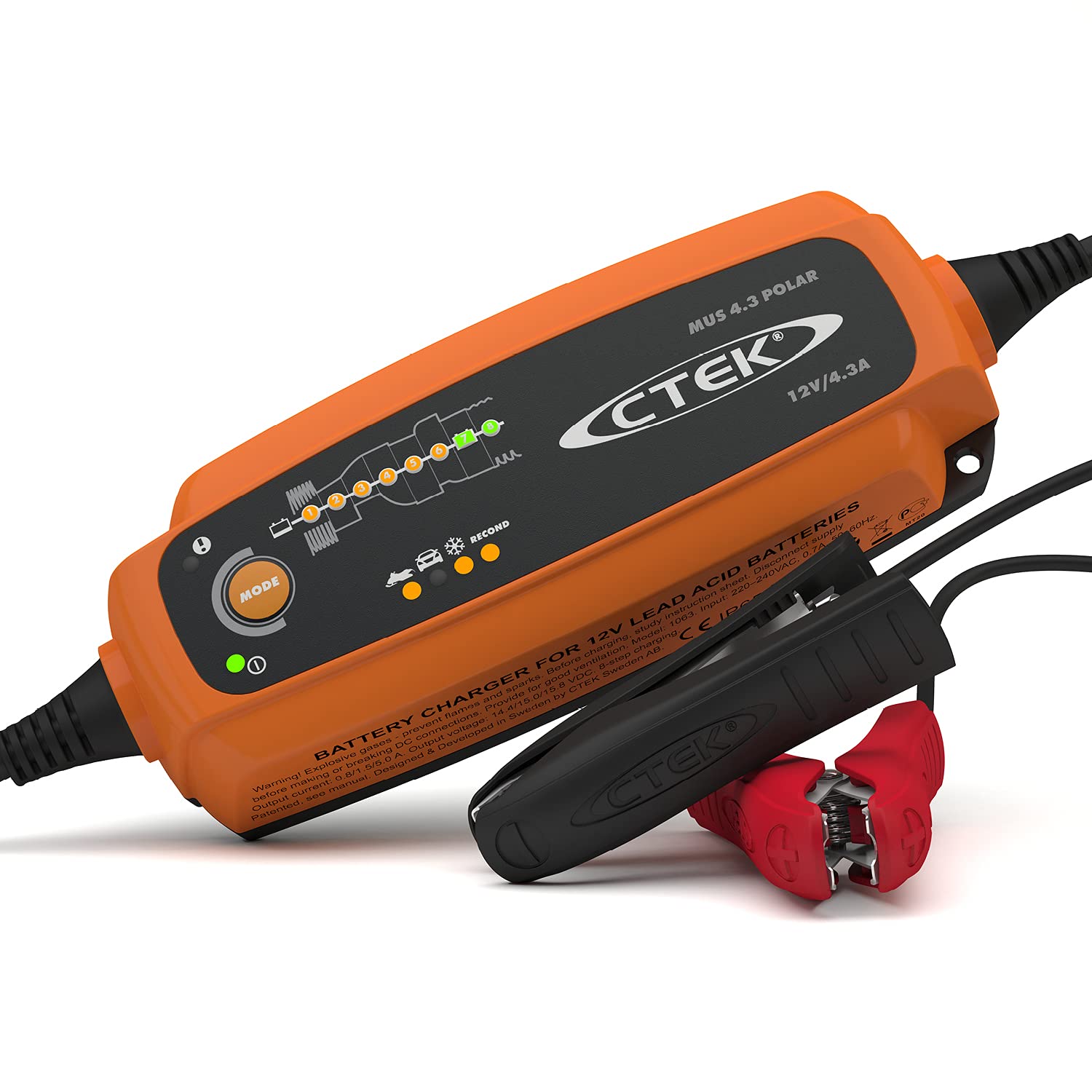


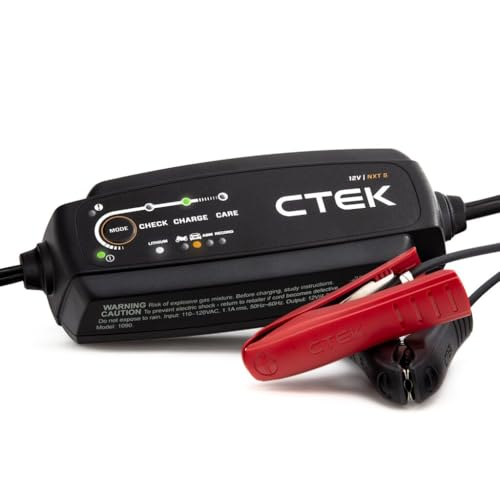
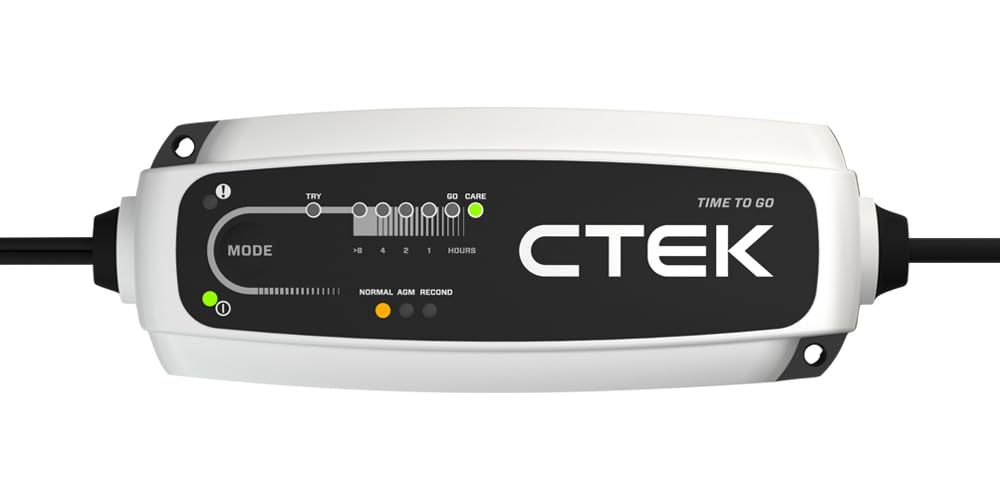


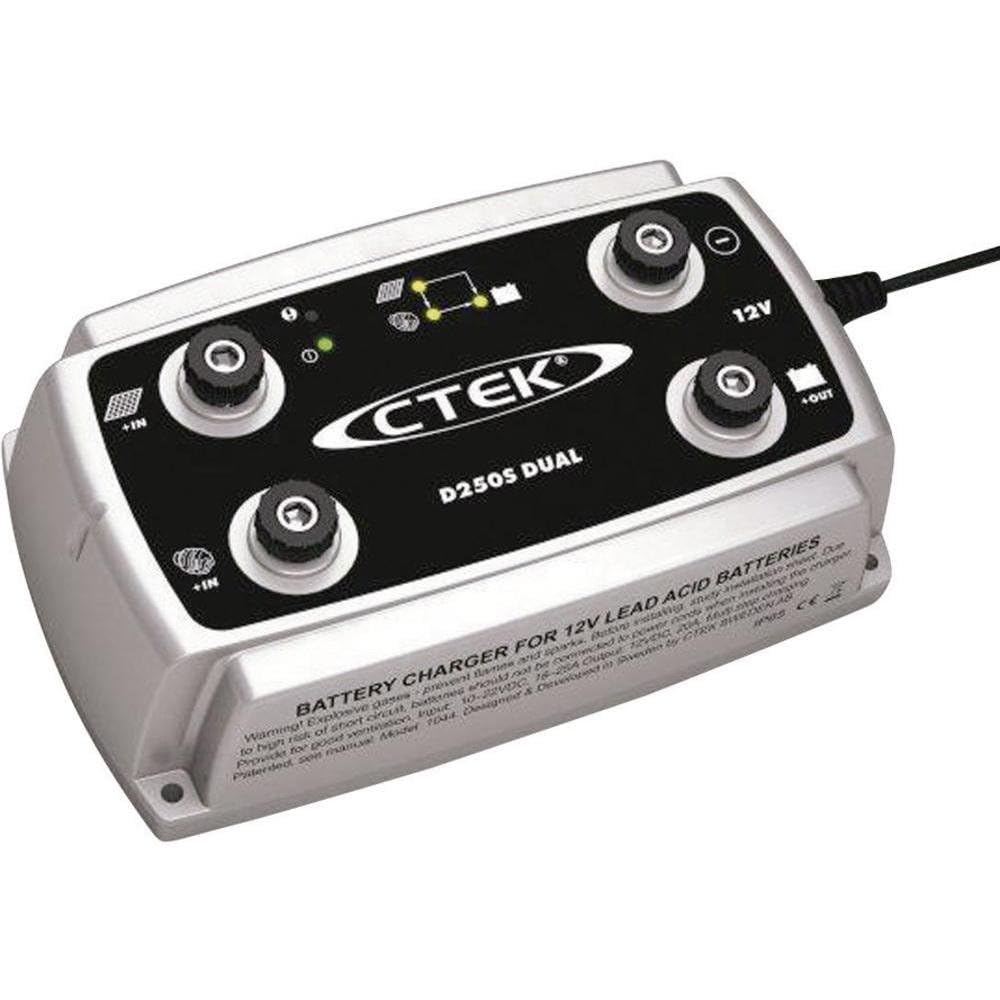
Who Should Buy Which CTEK Charger?
Owners Storing a Car for Weeks or Months
If a vehicle sits through winter or between weekend drives, you need a maintainer class unit with a true float and pulse maintenance stage that can stay connected indefinitely. Small CTEK units around 1 amp or less suit a single stored car or motorcycle, holding the battery at full charge without cooking it. The priority is the maintenance program and safe unattended operation, not charging speed.
Daily Driver Owners Who Want One Do Everything Unit
Most households do best with the mid size class, roughly 4 to 5 amps, with automatic programs for normal and AGM batteries, a cold weather mode, and a recondition step for tired flooded batteries. It charges a flat car battery overnight, maintains during holidays, and handles the lawn tractor and ATV batteries too. This is the class to buy if you only want one charger on the shelf.
Boat, RV, and Multi Battery Owners
Bigger battery banks and deeply discharged batteries call for the larger classes, around 10 amps and above, or a dedicated unit per bank. Faster charging matters when a boat sits at a dock with limited shore time. Temperature compensation also matters here, because batteries in an engine bay or an unheated barn charge very differently at freezing and at summer heat. The overview of the best battery charger types shows where these classes sit among other brands.
Key Features to Compare
Charge Current Matched to Battery Size
Amps decide how fast a charger works and how large a battery it can maintain. A common guide is to charge at roughly a tenth of the battery's amp hour capacity, so a 70 amp hour car battery pairs well with about 5 to 7 amps available. Too small a charger still works as a maintainer but takes days on a flat battery. Too large is rarely harmful with a smart charger, since the steps taper current automatically, but you pay for speed you may never use.
Multi Step Charging and Recondition Mode
CTEK's signature is its staged program: analysis, desulfation pulses for sulfated flooded batteries, bulk charge, absorption, and then float and pulse maintenance. The recondition mode adds a controlled higher voltage step that can recover capacity in stratified flooded batteries. Know the limit, though. Reconditioning applies to flooded batteries only, never to AGM or gel, and no charger revives a battery with a shorted cell or physical damage inside.
Battery Chemistry Modes: Flooded, AGM, and Lithium
Modern garages hold several chemistries. AGM batteries want a slightly higher absorption voltage, which is why CTEK provides a dedicated AGM setting, often combined with the cold weather program. Lithium iron phosphate batteries for powersports need a completely different profile with no desulfation pulses, and only the lithium specific models in the range provide it. Never connect a standard lead acid program to a lithium battery. If most of your charging is simple storage care, the guide to the best trickle battery charger options explains how maintainers differ from full chargers.
Temperature Compensation
Batteries accept charge differently as temperature swings. In a freezing garage, a battery needs slightly higher voltage to charge fully, and in summer heat it needs less to avoid gassing and water loss. Better CTEK units sense ambient temperature and adjust automatically. If you charge in an unheated barn or a hot workshop, this feature quietly extends battery life more than any other single item on the spec sheet.
Weather Sealing, Connections, and Safety
Most of the lineup carries dust and splash resistance suited to damp garages and dockside use, and the safety package includes spark proof connection, reverse polarity protection, and short circuit protection. Look at the connection options as well. Quick connectors with eyelet leads bolt to a stored car's battery for one hand hookup, while clamps suit shared use across vehicles. For cars kept outside or off grid, a different route entirely may suit you, as the guide to the best solar battery charger range explains.
CTEK Modes in Plain Language
The mode names confuse first time buyers, so here is the short version. The motorcycle and car icons simply select charge current and program size for smaller or larger batteries. The snowflake or AGM setting raises voltage slightly for cold weather and AGM batteries. Recondition is the recovery step for neglected flooded batteries, used sparingly. Supply mode, found on larger units, holds a steady 12 volt output so the car keeps its settings while you swap a battery or run diagnostics. Pick the unit whose mode list matches your vehicles, and ignore modes you will never touch.
Daily charging for a family car is covered in more depth in the guide to the best battery charger for cars, which compares the same classes by use case.
Common Mistakes to Avoid
- Buying the smallest maintainer to revive a completely flat SUV battery, then waiting days and assuming the charger is broken.
- Running the recondition mode on an AGM or gel battery, which the higher voltage step can damage.
- Using a lead acid program on a lithium powersports battery, which lacks the protection profile lithium cells require.
- Expecting any smart charger to fix a battery with a shorted cell, cracked case, or swollen sides, which are replacement faults.
- Leaving clamps loose on corroded terminals, so the charger reads bad voltage and stops early or misjudges the battery.
- Charging a frozen battery in deep winter, which can crack the case as it thaws under charge.
How to Make Your CTEK Charger Last Longer
Keep the unit dry between uses and coil the leads loosely, since tight wraps crack insulation at the strain reliefs over time. Wipe clamp jaws clean of acid corrosion after use on older batteries, and check the quick connector seals for grit before mating them. Store the charger indoors rather than on a damp garage floor, and let a hot unit cool before packing it into a case.
CTEK chargers carry multi year warranties that are longer than most rivals, which is part of their value. Register the purchase and keep the receipt, and test the charger on a known good battery once a year so a fault shows up before the winter storage season depends on it.
FAQ
Is CTEK a good battery charger brand?
Yes. CTEK is widely regarded as one of the benchmark smart charger brands, known for staged charging programs, strong safety protections, and long warranties. Several car makers have supplied rebranded CTEK units as their official accessory chargers, which says a lot about the engineering. Prices sit above generic brands, and the value shows up in battery life and set and forget reliability.
Which CTEK battery charger should I buy for a stored car?
For a single car in storage, a small maintainer class unit is enough, because the job is holding a full battery at float, not recharging from flat. Choose a mid size unit instead if the car also gets driven and occasionally needs a real recharge overnight. Add eyelet leads to the battery so connecting takes seconds and you actually use it.
Can a CTEK charger recover a deeply discharged battery?
Sometimes. The analysis and desulfation steps can bring back a flooded battery that sat discharged for weeks, and the recondition mode helps stratified ones. The limits are physical: a battery with a shorted cell, a cracked case, or voltage near zero after months flat will not recover. If the charger reports an error after a full cycle, have the battery load tested before blaming the charger.
How long does a CTEK battery charger last?
Owners commonly get many years from one unit, and the brand backs the range with warranties of several years depending on the model class. There are no wear parts beyond the leads and clamps. Heat and damp are the main enemies, so indoor storage and gentle cable handling decide whether a unit reaches the long end of that life.
Is a smart charger worth it over a basic charger?
For any battery you care about, yes. A basic charger without staged control can overcharge during long connections, boiling off water and shortening battery life. A smart unit tapers, floats, and maintains automatically, which is exactly what stored and seasonal vehicles need. The price difference is small next to the cost of one prematurely killed battery.
Final Thoughts
Read the CTEK range by class, not by badge. Match the amps to your largest battery, confirm the chemistry modes cover everything in your garage, and value temperature compensation if you charge in cold or hot spaces. Chosen that way, the best ctek battery charger for you becomes invisible in the best sense, quietly keeping every battery ready. Use the product table above to compare the classes before you order.


