
Best Generators for Food Trucks: A First Time Buyer's Guide for 2026
Disclosure: We may earn a commission when you buy through links on this page, at no extra cost to you. As an Amazon Associate I earn from qualifying purchases. Learn more

How to size and choose a quiet, reliable generator for a food truck.
A food truck lives or dies by its power supply. Fryers, griddles and steam tables may run on propane, but refrigerators, freezers, exhaust fans, lights, the point of sale system and sometimes the air conditioner all need steady electricity for hours at a time. A generator that is too small trips breakers during the lunch rush, and one that is too loud can get you moved along by event organizers. This first time buyer's guide explains how to choose the best generators for food trucks, from the basics to the specs that matter.
We start with how food truck power works, explain key specs in plain English, list rookie mistakes and walk through setup. Always follow your local health department, fire code and event rules, which may set noise limits, fuel storage requirements and placement distances.


Generators 101: The Basics
A generator converts fuel into electricity through an engine and alternator. Food trucks usually use one of two setups: a portable inverter generator on a rack or tongue mount, or a built in generator installed in a compartment. Portable inverters are flexible and easier to service; built in units are tidier but cost more to install.
Two numbers matter most. Running watts are the steady power a generator supplies, and starting (surge) watts cover the brief spike when motors like refrigerator compressors and AC units start. Add up the running watts of everything that runs at once, then add the biggest starting surge.
Many food trucks need roughly 5,000 to 10,000 running watts, depending on whether they run electric cooking equipment and air conditioning. Trucks that cook mostly with propane and run only refrigeration, lights and a POS system can often manage with 3,500 to 4,500 watts.
Key Specs for Generators for Food Trucks, Explained in Plain English
Focus on wattage, noise, fuel type, power quality and how the generator connects to your truck.
Features That Matter for Food Trucks
Food trucks need continuous power for 6 to 12 hours, low noise for events, clean power for POS terminals and card readers, and a 30 amp or 50 amp outlet that matches the truck's power inlet. Electric or remote start saves time, fuel gauges help plan refills and parallel capability lets two smaller generators combine for bigger loads. CO auto shutoff is an important safety feature.
Generator Type (Portable, Inverter, Standby, Solar Power Station)
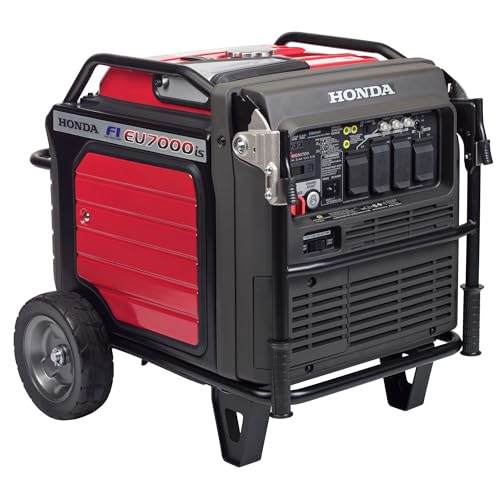
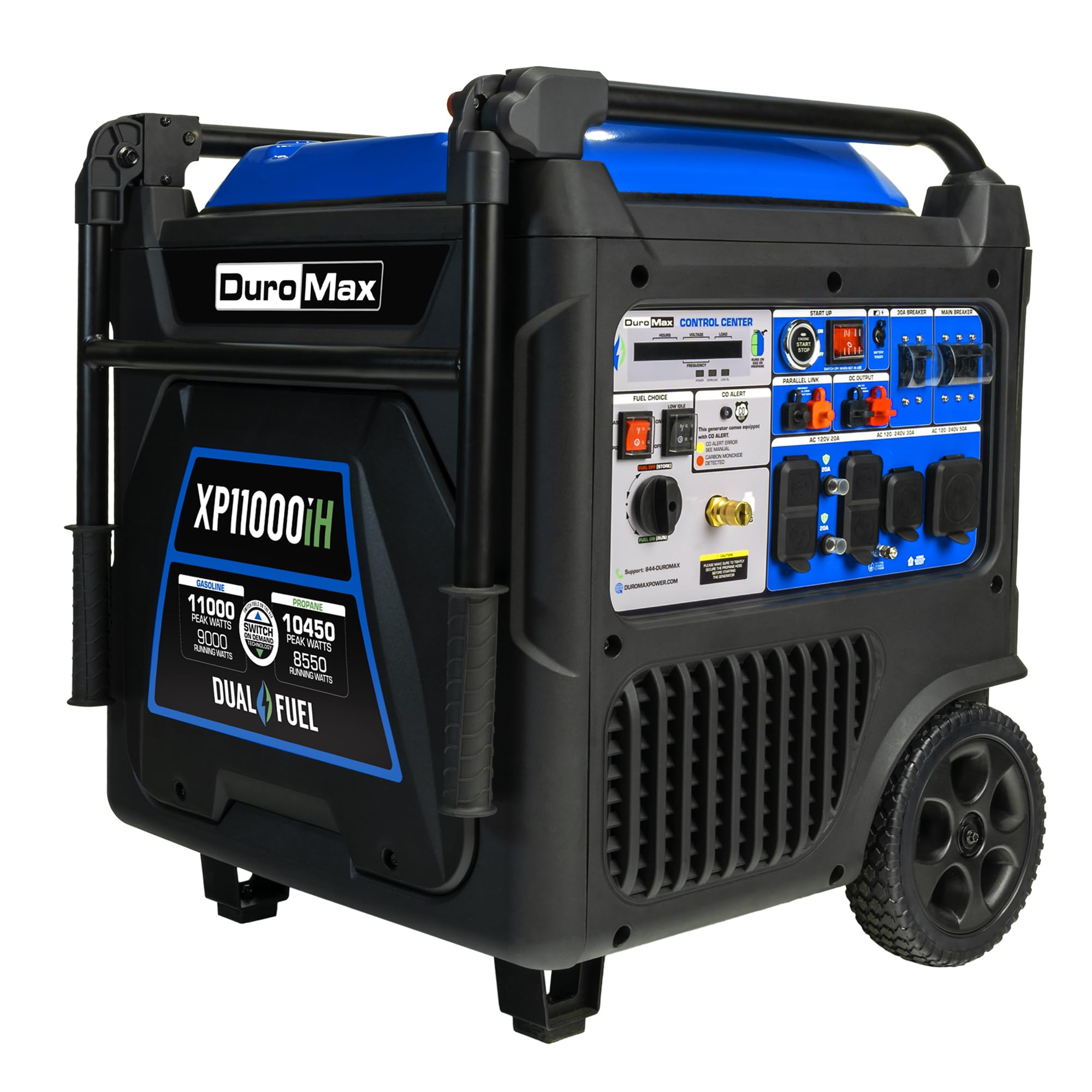
Inverter generators are the most popular choice because they are quiet, fuel efficient and deliver clean power. Large inverters such as the Honda EU7000iS or DuroMax XP11000iH power full kitchens. Conventional open frame generators give more watts per dollar but are loud, which many events do not allow. Standby generators are for buildings, not trucks. Battery power stations can run lights and POS systems quietly but rarely power refrigeration and cooking all day.
Noise Level (dBA)
Events, farmers markets and city streets often have noise expectations, and loud generators annoy customers waiting in line. Inverter generators commonly run in the low 50s to mid 60s dBA at about 23 feet under light load; the Honda EU7000iS is listed at 52 to 58 dB(A). Conventional generators often run 70 dBA or more. Mount the generator away from the service window.
Transfer Switch and Truck Connection
Most food trucks have a shore power inlet that accepts a 30 amp TT-30 or 50 amp 14-50 plug, plus a transfer switch that switches between shore power and generator power. Match the generator's outlet to your truck's inlet and have a licensed electrician install or inspect the wiring. Never backfeed power through an ordinary outlet.
Fuel Type (Gasoline, Propane, Dual Fuel)
Many trucks already carry propane for cooking, so dual fuel generators like the Champion 4500-Watt or Westinghouse iGen8200TFc can share the supply, though propane output is about 10% lower than gasoline. Gasoline gives full power but must be stored safely and stabilized. Check your local fire code on fuel storage aboard the truck.
Clean Power (THD) for Electronics
POS terminals, tablets, card readers and digital menu boards prefer clean power. Inverter generators usually deliver under 3% total harmonic distortion, which protects electronics. Conventional generators can produce rougher power unless they specify low THD.
Sizing Example for a Typical Food Truck
| Equipment | Approx. Running Watts | Approx. Starting Watts |
|---|---|---|
| Reach in refrigerator | 700 to 1,000 | 1,500 to 2,200 |
| Chest freezer | 500 to 800 | 1,200 to 1,800 |
| Exhaust hood fan | 600 to 1,200 | 1,200 to 2,000 |
| Rooftop AC (13,500 BTU) | 1,500 to 2,000 | 2,500 to 3,500 |
| Lights, POS, water pump | 300 to 600 | None to small |
In this example the running total is roughly 3,600 to 5,600 watts plus a surge of up to 3,500 watts, so a 7,000 watt class inverter covers it with headroom. Add electric fryers, warmers or microwaves and needs climb quickly. Check each appliance's data plate for exact figures.
Generator Maintenance for Daily Service
The best generators for food trucks run for hundreds of hours a season, so maintenance comes around quickly. Check oil before every service day and top it up as needed. Change oil on the schedule in the manual, which for many inverters is every 50 to 100 hours after break in. Clean or replace the air filter regularly, since grease laden kitchen air and road dust clog filters fast. Replace spark plugs yearly or as directed, and inspect fuel lines and propane hoses for cracks. Keep a log of run hours and service dates, and schedule a full tune up before your busy season.
Portable vs Built In Food Truck Generators
- Portable inverters: lower cost, easy to replace or service, can double as backup power at home, but must be secured against theft and moved for refueling.
- Built in generators: mounted in a sealed compartment, convenient and tidy, often fed from the truck's fuel supply, but cost more upfront and require professional installation and ventilation.
Many new food truck owners start with a portable inverter on a locked rack and move to a built in unit once the business is established.
Rookie Mistakes to Avoid
- Undersizing: forgetting surge loads leads to breakers tripping when compressors and AC start together.
- Choosing a loud generator: events and neighbors may not allow it.
- Mismatched plugs: make sure the generator outlet matches your truck inlet.
- Poor placement: exhaust near the service window or air intakes risks carbon monoxide exposure.
- Skipping maintenance: daily operation means oil changes come fast.
Getting Started: Setup and First Use
- Total your equipment's running and starting watts and choose a generator with at least 20% headroom.
- Have a licensed electrician install a transfer switch and inlet if your truck does not have them.
- Mount or place the generator outdoors with exhaust pointed away from the truck, windows and customers.
- Break in the engine per the manual and change the oil after the first hours of use.
- Start the generator before service, then add loads one at a time, largest motor first.
- Install battery powered CO alarms inside the truck and keep a fire extinguisher handy.
Generators: Your Questions Answered
What features matter most in generators for food trucks?
Enough running watts, low noise, clean power and a matching 30 or 50 amp outlet matter most. Electric start, fuel gauges, CO shutoff and dual fuel capability add convenience and safety for long service days.
How long can a generator run continuously?
Most food truck generators run about 8 to 16 hours per tank at moderate load. The Honda EU7000iS lists 6.4 to 16 hours on its 5.1 gallon tank. Refuel only when the engine is off and cool, and check oil daily during heavy use.
Can a generator run a refrigerator?
Yes, any generator with about 2,000 or more running watts can run a refrigerator. Commercial reach in units need a bit more surge. Size for all refrigeration starting together.
Inverter or conventional: which is better?
Inverters are better for food trucks. They are quieter, more fuel efficient and deliver clean power for POS systems. Conventional generators cost less per watt but are often too loud for events.
What size generator does a food truck need?
Most food trucks need about 5,000 to 10,000 running watts. Trucks that cook with propane and run only refrigeration and lights may need 3,500 to 4,500, while trucks with electric cooking and AC may need 10,000 or more.
Our Verdict
Size your generator to your real equipment load with headroom, choose a quiet inverter with clean power and match its outlet to your truck's inlet. Smaller propane focused trucks can run on 4,500 watt dual fuel inverters, while full electric kitchens need 7,000 watts or more. Keep those basics in mind and choosing among the best generators for food trucks becomes much easier. Compare current models in the product table above, and see our guide to the best dual fuel inverter generators for more options.


