
Best Manual Pool Cleaners: Which One Fits the Way You Use It?
Disclosure: We may earn a commission when you buy through links on this page, at no extra cost to you. As an Amazon Associate I earn from qualifying purchases. Learn more

Match manual pool cleaning tools to your pool size, surface and debris.
Robotic pool cleaners get the attention, but most pool owners still need a manual kit: a skimmer net for floating leaves, a brush for algae on walls and steps and a vacuum head for the debris robots miss. Manual tools cost a fraction of a robot, need no power and work in any pool. The best manual pool cleaners match your pool's size, surface and debris, whether you own a small above ground pool or a large inground plaster pool.
This guide matches manual pool cleaning tools to different owners, explains the features to compare, lists common mistakes and answers questions about when a robot makes more sense.



Who Should Buy Which Manual Pool Cleaners?
Small pool owners should choose compact kits or handheld rechargeable vacuums, frequent users should choose sturdy poles, weighted vacuum heads and quality brushes and owners in stormy or leafy areas should prioritize deep bag leaf rakes.
For Small Spaces and Easy Storage
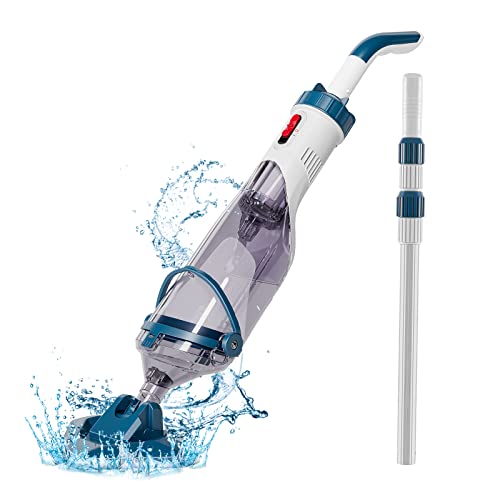
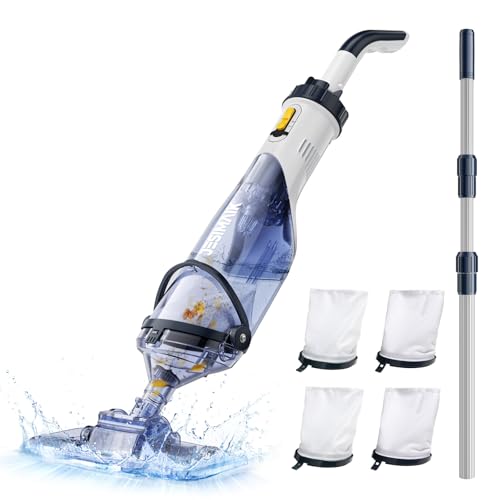
Above ground pools, plunge pools and hot tubs suit compact tools that store in a shed or deck box. A handheld rechargeable vacuum, like the Enhulk model with a telescopic pole and up to an hour of runtime, cleans without connecting to the pump. Pair it with a short skimmer net and a small brush, and you have a full kit that hangs on one hook.
For Frequent or Serious Users
Owners who maintain large inground pools themselves need durable gear: an aluminum telescopic pole, a weighted vacuum head with a swivel and wheels or brushes, a long vacuum hose and a stainless steel algae brush for plaster. The Poolmaster 18 inch stainless steel algae brush suits gunite and concrete surfaces. Quality gear saves time and lasts many seasons.
For Bad Weather and Tough Conditions
After storms or in fall, leaves and debris pile up quickly. A deep bag leaf rake with a fine mesh, like POOLWHALE's, scoops large volumes of leaves in fewer passes. For heavy debris on the floor, a leaf vacuum or leaf bagger head prevents clogging your filter.
Key Features to Compare in the Best Manual Pool Cleaners
Compare tool type, head design, filtration, weight and pool compatibility.
Wall and Waterline Cleaning
Manual brushes clean walls and waterlines that many budget automatic cleaners miss. Use nylon bristle brushes on vinyl and fiberglass and stainless steel bristles only on plaster, gunite and concrete. A waterline scrubber or sponge helps remove oily rings at the surface.
Cleaner Type (Manual, Handheld Battery, Suction, Robotic)
Manual vacuum heads connect to your pool's skimmer or vacuum port and use the pump's suction. Handheld battery vacuums have their own motor and filter, so they work in pools without strong suction. Automatic suction and robotic cleaners run on their own but cost more; many owners still keep manual tools for spot cleaning.
Filtration and Debris Capacity
Manual vacuums send debris to your pool filter, so clean the skimmer basket and filter afterward. Handheld battery vacuums use built in filter bags or canisters that need emptying during use. Leaf rakes with deep bags hold more debris per pass than flat skimmers.
Weight and Ease of Use
Telescopic aluminum poles should lock firmly and extend long enough to reach the deep end, often 12 to 16 feet for inground pools. Weighted vacuum heads stay on the floor instead of floating. Swivel connections and wheels make steering easier along steps and corners.
Pool Type and Surface (Inground, Above Ground, Vinyl, Concrete)
Vinyl liner pools need soft brushes and vacuum heads safe for vinyl, like the POOLWHALE weighted triangular head with brush. Concrete and plaster pools tolerate stiffer brushes. Above ground pools often need adapter kits to connect vacuum hoses to the skimmer.
Manual Pool Cleaning Tools Compared
| Tool | Job | Tip | Typical Price |
|---|---|---|---|
| Leaf rake or skimmer net | Floating leaves and bugs | Deep bags hold more debris | Around $6 to $25 |
| Pool brush | Walls, steps, algae | Nylon for vinyl, steel for plaster | Around $15 to $30 |
| Vacuum head and hose | Floor debris and dirt | Weighted heads stay down | Around $20 to $70 |
| Handheld battery vacuum | Small pools, spot cleaning | No pump connection needed | Around $110 to $170 |
| Telescopic pole | Connects all tools | Choose a length to reach the deep end | Around $20 to $50 |
Manual vs Automatic Pool Cleaners
Manual tools cost little, work in any pool and handle spot cleaning precisely, but they take time each week. Automatic suction and robotic cleaners save hours and clean on schedule, but cost hundreds of dollars and still miss steps, corners and floating debris. Most owners get the best results with both: a robot or automatic cleaner for routine floor cleaning and a manual kit for skimming, brushing and touch ups.
How to Vacuum a Pool Manually, Step by Step
- Skim floating debris and brush walls and steps first so dirt settles on the floor.
- Attach the vacuum head to the telescopic pole and connect the hose to the head.
- Lower the head to the floor and feed the hose into the water until it fills and stops bubbling, which removes air.
- Remove the skimmer basket or use a vacuum plate, then connect the water filled hose to the skimmer or vacuum port.
- Move the head in slow, overlapping strokes from the shallow end to the deep end, avoiding quick motions that stir up dirt.
- Watch the pump pressure and empty the pump basket if suction drops.
- When finished, disconnect the hose, replace the skimmer basket and clean or backwash the filter as needed.
Building a Complete Manual Pool Cleaning Kit
A basic kit covers almost every routine job for well under $150. Start with a telescopic pole long enough to reach the deep end, then add a deep bag leaf rake, a brush matched to your surface, a weighted vacuum head and a hose long enough to reach the far side of the pool from the skimmer. Add a handheld battery vacuum if your pool lacks good suction or you want quick spot cleaning without hooking up hoses. Store everything together on wall hooks so tools stay straight and out of the sun.
Common Mistakes to Avoid When Buying Manual Pool Cleaners
- Using a steel brush on vinyl: it can tear the liner.
- Buying a pole that is too short: you cannot reach the deep end safely.
- Vacuuming without priming the hose: air in the hose can make the pump lose prime.
- Ignoring the filter: heavy vacuuming clogs filters; clean them afterward.
- Buying incompatible fittings: check pole and hose connection sizes.
Tips to Get the Most From Your Manual Pool Cleaner
- Skim daily, brush weekly and vacuum as needed.
- Brush walls before vacuuming so debris settles on the floor.
- Fill the vacuum hose with water before connecting it to the skimmer.
- Rinse tools after use and store them out of the sun.
- Keep water chemistry balanced to reduce algae and scrubbing.
FAQs
Are robotic pool cleaners worth it?
Yes, for owners who want to save time on floor cleaning. Robots handle routine cleaning on their own, but manual tools are still needed for skimming, brushing steps and spot cleaning.
How long should I vacuum a pool manually?
Most pools take about 30 to 60 minutes to vacuum manually. Use slow, overlapping strokes so debris does not cloud the water, and empty the skimmer basket as needed.
Which cleaner is best for leaves?
A deep bag leaf rake is best for floating leaves, and a leaf vacuum head is best for leaves on the floor. Remove leaves quickly before they sink and stain the surface.
Can I use a manual vacuum on an above ground pool?
Yes, with the right head and hose. Many above ground pools need an adapter to connect to the skimmer. Handheld battery vacuums avoid that step entirely.
Final Thoughts
Build a manual kit around a sturdy telescopic pole, a deep leaf rake, a brush suited to your surface and a weighted vacuum head, or choose a handheld battery vacuum for small pools. Pair manual tools with an automatic cleaner if you want to save time. Keep those points in mind and the best manual pool cleaners will keep your water clear all season. Compare current options in the product table above, and see our guide to the best automatic pool cleaners for hands free options.


