
Best Pull Saws: A First Time Buyer's Guide for 2026
Disclosure: We may earn a commission when you buy through links on this page, at no extra cost to you. As an Amazon Associate I earn from qualifying purchases. Learn more

Japanese pull saws explained for beginners, from ryoba and dozuki types to first cuts.
Pull saws, often called Japanese saws, cut on the pull stroke instead of the push. Because the blade is under tension while cutting, it can be much thinner than a Western saw, which means a narrow kerf, less effort and cleaner, more accurate cuts. The best pull saws use hardened, sharp teeth in the right pattern for your work, a blade length that suits the cut and a handle that keeps the saw tracking straight.
This beginner's guide explains the main pull saw types, the specs that matter in plain English, common mistakes and how to make your first clean cuts.



Pull Saws 101: The Basics
The three most common pull saws are the ryoba, a double edged saw with rip teeth on one side and crosscut teeth on the other; the dozuki, a backed saw with a stiff spine for fine joinery like dovetails; and the flush cut saw, a thin, flexible blade for trimming dowels and plugs level with a surface. Many beginners start with a ryoba because it handles both cutting directions.
Rip teeth cut with the grain, like ripping a board to width. Crosscut teeth cut across the grain, like cutting a board to length.
Key Specs Explained in Plain English
Teeth Per Inch (TPI)
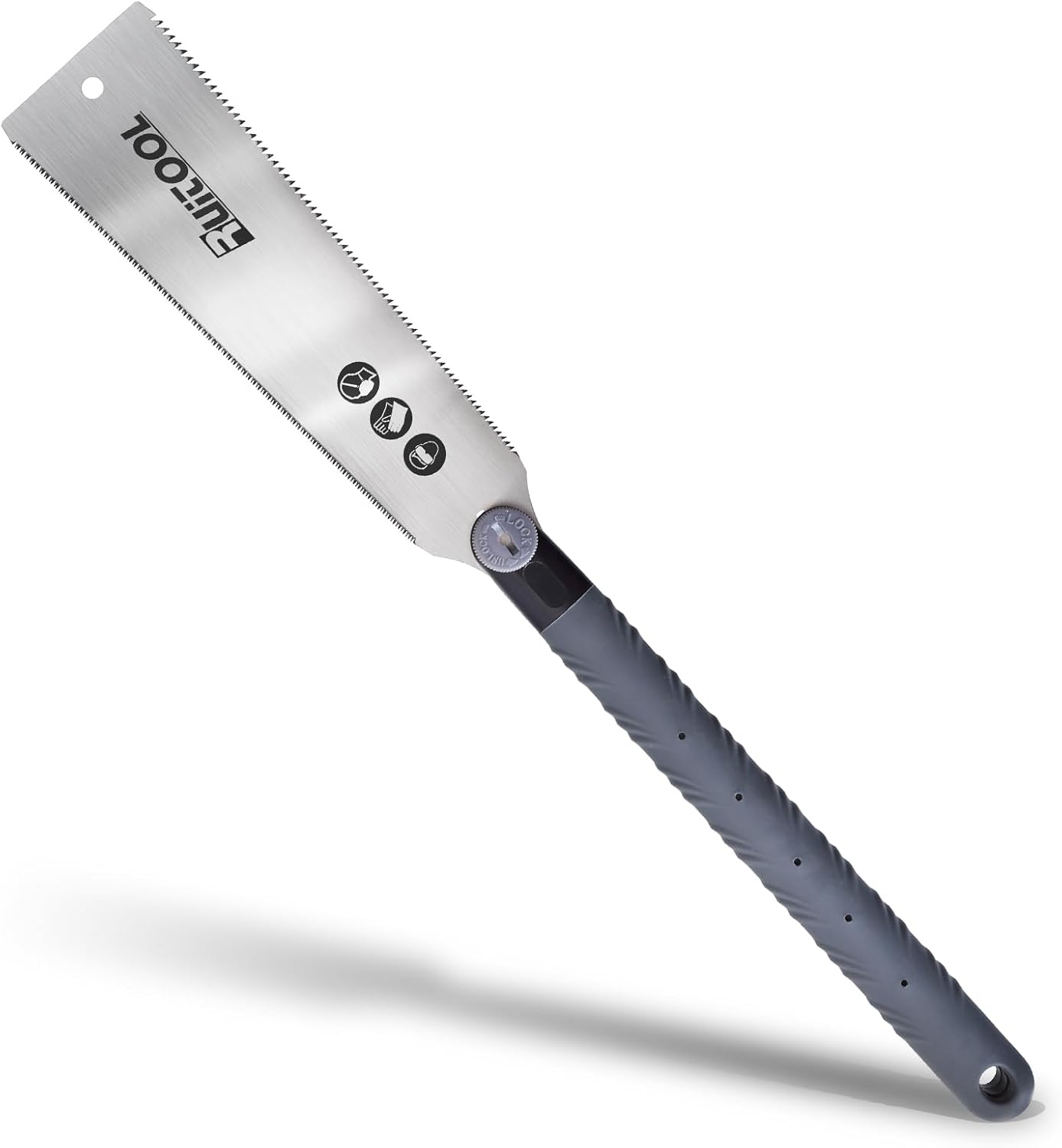
More teeth per inch give a smoother, slower cut; fewer teeth cut faster but rougher. RUITOOL lists 17 TPI and 14 TPI on the two edges of its 6 inch ryoba, and 18 TPI fine teeth with 6 to 10 TPI coarse teeth on its 10 inch model. For fine joinery, higher TPI works better; for rough cuts in thick stock, lower TPI is faster.
Blade Length
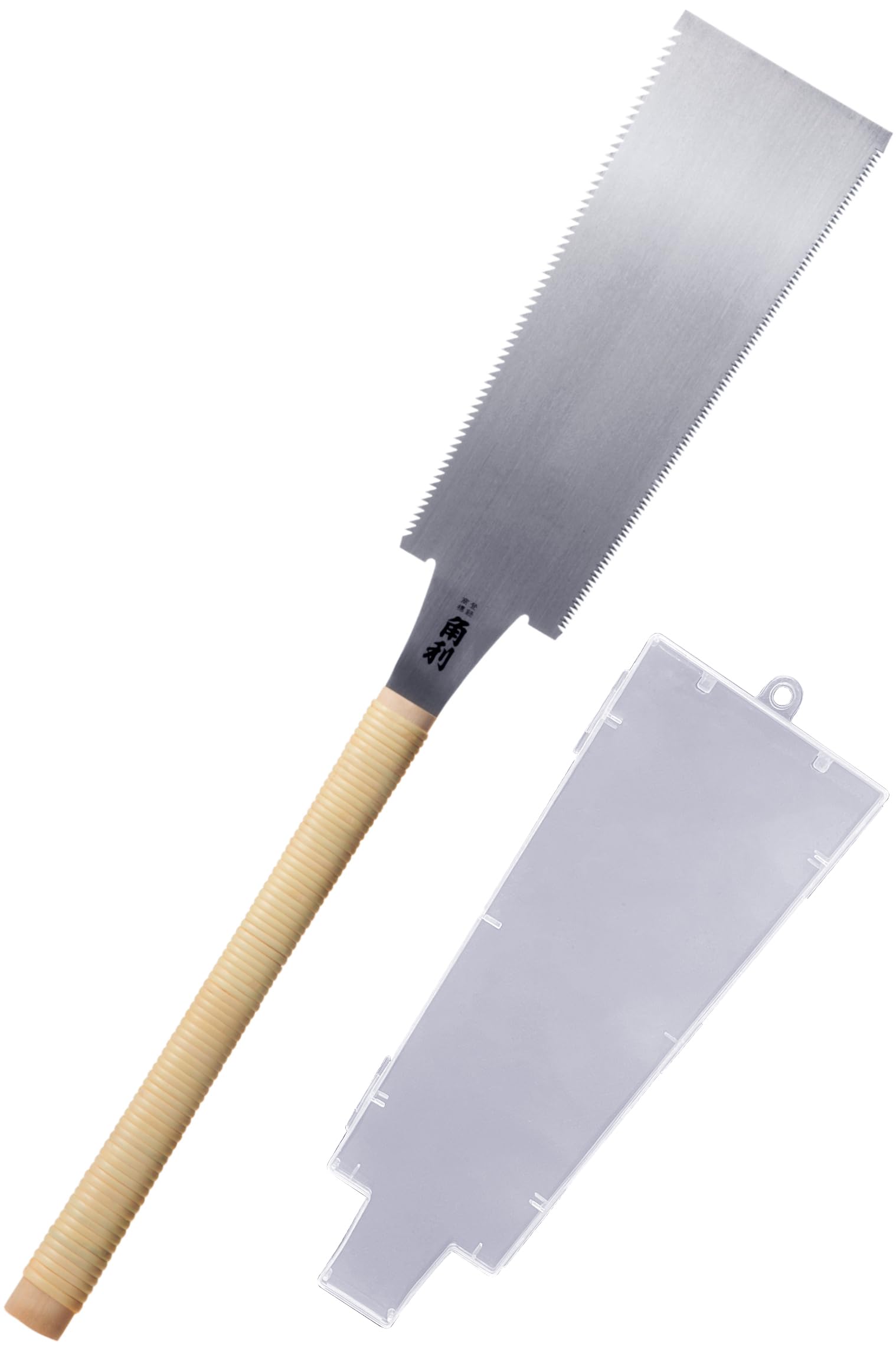
Short blades of 6 to 7 inches, like the RUITOOL 6 inch and JORGENSEN 7 inch, offer control for small work and flush cuts. Mid length blades of 9.5 to 10.5 inches, like the Temple Tool 9.5 inch and KAKURI 10.5 inch, handle general woodworking and thicker boards.
Blade Steel and Hardened Teeth
Japanese steels and SK5 high carbon steel hold a sharp edge. RUITOOL lists SK5 steel with hardened teeth, and Temple Tool lists high grade Japanese steel. Hardened teeth stay sharp longer but cannot be resharpened easily; many pull saws use replaceable blades.
Handle and Build
Traditional handles are long and straight, wrapped in rattan or made of wood. Temple Tool lists a solid wingnut wood handle with brass components. A long handle lets you choke up for control or hold the end for longer strokes.
Folding vs Fixed Blades
Folding saws, like the SUIZAN folding ryoba, protect the teeth in a toolbox and travel well. Fixed blade saws, like the KAKURI with its blade cover, feel slightly stiffer and are quick to grab at the bench.
Best Pull Saws by Use
- Flush cuts and small projects: RUITOOL 6 inch ryoba, around $20.
- Budget all rounder: RUITOOL 10 inch ryoba with coarse and fine edges, around $22.
- Quality ryoba for joinery and cutting boards: Temple Tool 9.5 inch, made in Japan, around $45.
- Larger cuts: KAKURI 10.5 inch extra large ryoba with blade cover, made in Japan, around $54.
- Dovetails and fine joinery: SUIZAN Dozuki 8 inch crosscut saw, around $63.
- Toolbox friendly: SUIZAN folding ryoba 9.5 inch, around $62.
Prices change often, so treat these figures as approximate. For power cutting, see our guides to circular saws and pruning saws.
Choosing the Best Pull Saws for Your Projects
Think about the work you do most. For DIY home projects like trimming shelves, cutting dowels and building simple boxes, a mid length ryoba handles nearly everything. For fine furniture and joinery, add a dozuki for dovetails and tenon shoulders, where its stiff spine keeps the cut straight. For trimming plugs, dowels and edging flush with a surface, a thin flexible flush cut saw prevents scratching the surrounding wood.
Next, match blade length to stock thickness. A blade should be at least two to three times longer than the board is thick so each stroke clears sawdust efficiently. That makes 6 to 7 inch saws ideal for thin stock and trim, while 9.5 to 10.5 inch saws suit framing lumber and thicker hardwood.
Finally, consider replacement blades. Many Japanese saws accept replaceable blades, which is far easier than sharpening hardened teeth. Buying a saw from a brand that sells spare blades keeps it useful for years. Store saws dry, wipe blades with a light coat of oil to prevent rust, and keep teeth covered when not in use.
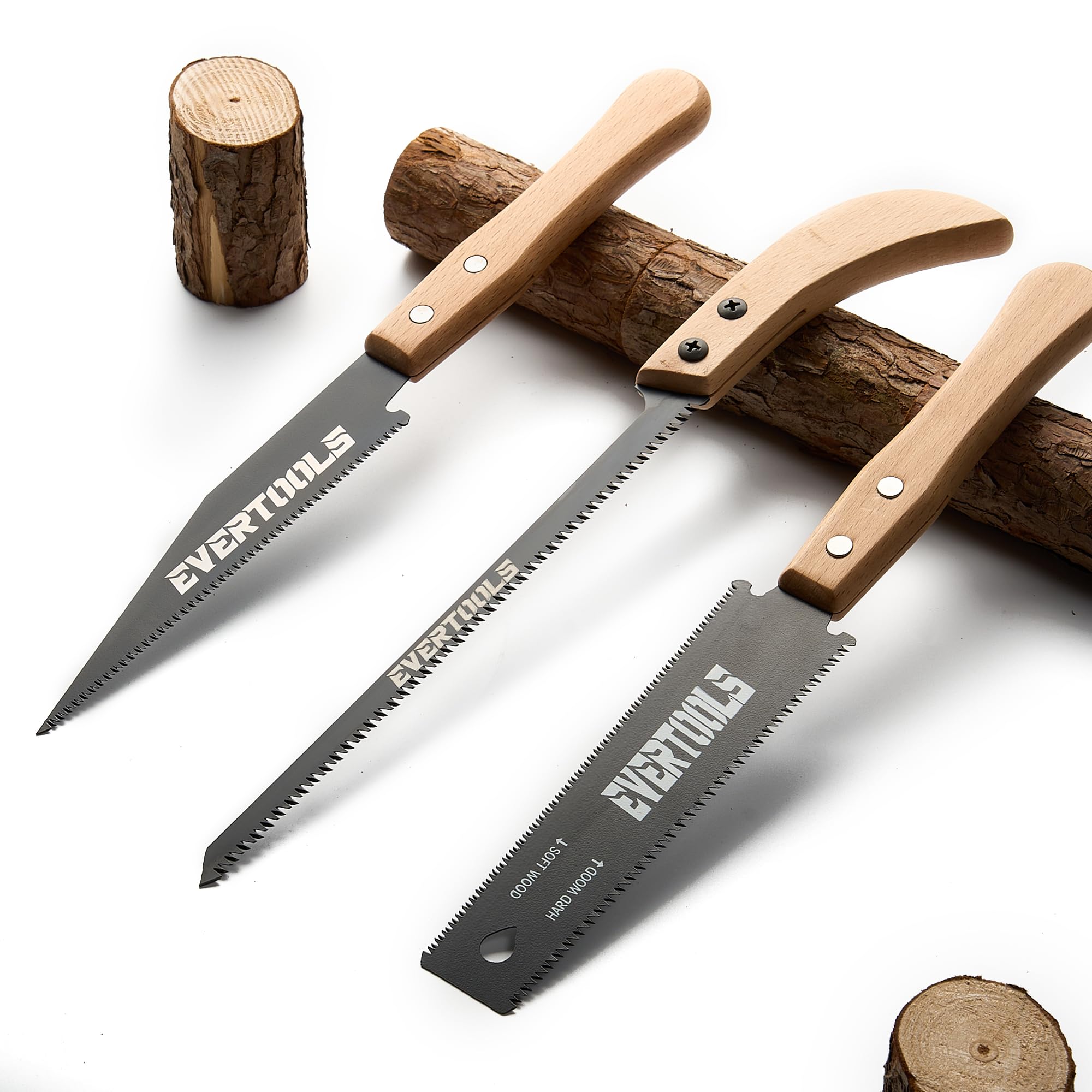
If you are building a starter kit, a 3 piece set with a ryoba, a flush cut saw and a pruning blade, like the one in our product table, gives you options at a low cost while you learn which styles you use most.
Rookie Mistakes to Avoid
- Pushing too hard: let the pull stroke do the work; pressure on the push can kink thin blades.
- Using the wrong edge: rip teeth for along the grain, crosscut teeth for across it.
- Twisting the blade: keep the saw aligned with the cut to avoid bending.
- Cutting nails or screws: hardened teeth chip on metal.
- Storing loose in a toolbox: use a blade cover or folding saw.
Getting Started: Your First Cuts
- Mark your line with a knife or sharp pencil and a square.
- Clamp the work so it cannot move.
- Start the cut with a few light pull strokes near the handle end of the blade, using your thumb as a guide.
- Use long, relaxed strokes once the kerf is established, letting the saw's weight do the cutting.
- Finish gently to avoid splintering the last fibers; support the offcut.
Why Pull Saws Cut So Cleanly
Western saws push through wood, so their blades must be thick and stiff enough not to buckle. Pull saws work in tension, so their blades can be thin, which removes less wood and leaves a narrow kerf. That makes cuts easier to start, faster to finish and more accurate, especially for joinery, trim and fine furniture work. The thin blade also means less effort, which many beginners notice right away.
The trade off is delicacy. Thin blades can bend if forced, and hardened teeth can chip on knots or hidden fasteners, so slow down in hard spots and keep the blade straight in the kerf.
FAQs
What features matter most in pull saws?
Tooth pattern and TPI for your cuts, blade length for your stock, good steel and a comfortable handle. A ryoba covers most beginner needs.
Ryoba or dozuki: which should I buy first?
A ryoba, because it rips and crosscuts. Add a dozuki later for fine joinery like dovetails, where its stiff spine helps keep cuts straight.
Can I sharpen a pull saw?
Hardened teeth are difficult to sharpen. Many pull saws have replaceable blades, which is the usual solution when teeth dull or chip.
Are pull saws good for beginners?
Yes. They cut with less effort and start more easily than many push saws, which helps beginners make accurate cuts.
Do pull saws work on hardwood?
Yes. Choose finer teeth for hardwood; RUITOOL lists 17 TPI for hardwood on one edge of its 6 inch saw.
Final Thoughts
Start with a ryoba in a length that fits your projects, then add specialty saws as your skills grow. For the best pull saws, the Temple Tool 9.5 inch ryoba is a quality all rounder, the RUITOOL models are great value, the KAKURI handles bigger cuts and the SUIZAN Dozuki excels at joinery. Compare current prices in the product table above.


