
Best Riding Lawn Mowers with Baggers for Every Need: How to Pick the Right One
Disclosure: We may earn a commission when you buy through links on this page, at no extra cost to you. As an Amazon Associate I earn from qualifying purchases. Learn more
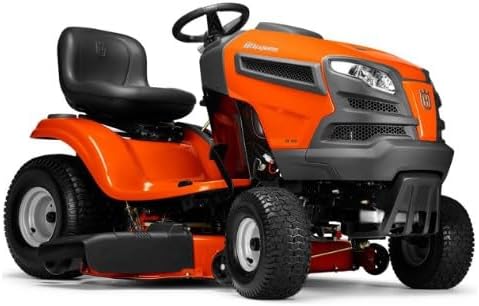
How to choose a riding mower and bagger that fit your yard, with features, mistakes to avoid and care tips.
A riding mower with a bagger turns two jobs into one: you cut the lawn and collect the clippings, leaves and small debris on the same pass, so there is nothing left to rake. Choosing among the best riding lawn mowers with baggers comes down to three things: the deck size your yard needs, whether the bagger fits that deck, and how often you will actually empty it.
This guide explains who should buy which type, the features worth comparing, the mistakes that waste money and the simple care that keeps a bagging system working. It covers lawn tractors, electric riders and zero turn mowers, plus the add on bagger kits that turn an existing mower into a collecting machine.


Who Should Buy Which Riding Lawn Mowers with Baggers?
The right setup depends on how much grass you cut, how often and in what conditions. A homeowner with half an acre of flat lawn has very different needs from someone mowing two acres of mixed terrain with trees that drop leaves every fall. Matching the machine to the job matters more than chasing horsepower.
Bagging also changes the math. A bagger adds weight to the rear of the mower, slows you down when the bins fill and needs a deck and blade setup that pushes clippings up the chute. Before you pick a mower, decide whether you will bag every cut, only in spring and fall, or just for leaf cleanup.
For Frequent or Serious Users
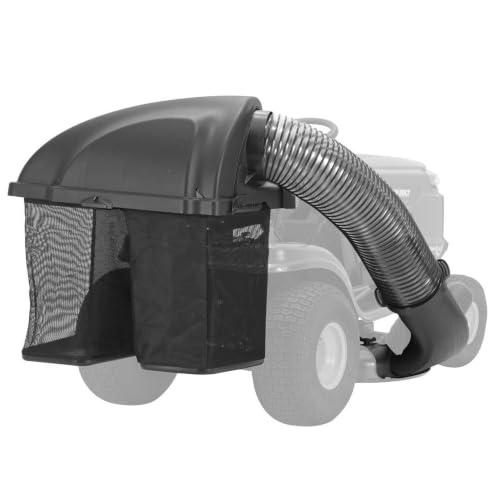
If you mow an acre or more every week, look at a lawn tractor with a 42 to 48 inch deck and a factory matched triple bagger. Three bins hold more than two, so you stop less often. The Husqvarna Triple Lawn Mower Bagger is sized for 46 or 48 inch Husqvarna decks and lists a 9 bushel collector with mesh bags, which suits larger lawns and heavy leaf seasons. Pair a large bagger with a strong engine, such as the 19 HP Briggs and Stratton unit on the Husqvarna TS 120, so the blower and blades keep clippings moving when the grass is thick.
For Weekend Beginners
For a first riding mower on a flat lot, simplicity wins. A 42 inch deck covers most suburban yards, and a pedal operated transmission like the one on the Husqvarna TS 120 lets you steer with both hands. If you prefer to skip gas and oil, the EGO TR4204 electric tractor uses up to six 56V batteries and EGO says it cuts up to 1.5 acres per charge, with twelve cutting height positions from 1.5 to 4.5 inches. Check that a matching bagger is available before you buy, because not every model has one.
For Bad Weather and Tough Conditions
Wet grass is the enemy of any bagging system. Damp clippings stick to the chute and clog it, so choose a bagger with a sight window or full bag indicator so you see problems early. The MTD Double Bagger has flex tubing that shows grass flow and a sight window that tells you when the bags are full. If your property has slopes, remember that a full bagger shifts weight to the rear; mow up and down hills rather than across and empty the bins before they get heavy.
Key Features to Compare
Once you know which type fits your yard, compare the details that set the best riding lawn mowers with baggers apart, starting with how well the mower bags and how easy it is to live with. Deck size and bagger capacity get the most attention, but cutting height range, drive type and power source affect daily use just as much.
Always read the compatibility notes for any bagger. Many kits list the deck widths and model years they fit, and a kit that is close but not exact can leave gaps at the chute or rub on the rear tires.
Cutting Height Adjustment
A wide cutting height range lets you match the grass type and season. Most cool season lawns look best at 3 to 4 inches in summer, while a lower setting helps the bagger pick up leaves in the fall. The EGO TR4204 offers twelve positions between 1.5 and 4.5 inches. More positions mean smaller steps, which helps you avoid scalping uneven spots. A lever that you can reach from the seat saves you from climbing off every time you move from the front lawn to a rougher back field.
Drive Type (Push, Self Propelled, Riding, Zero Turn, Robotic)
Push and self propelled mowers suit small yards and usually come with a rear bag. Riding lawn tractors are the classic choice for bagging large areas because their rear hitch and frame support big collectors. Zero turn mowers trim around trees and beds fastest, and some brands sell matching bagger kits, such as the EGO Bagger Kit for the 42 inch Z6 zero turn model ZT4204L. Robotic mowers do not bag at all; they mulch, so they are not an option if you want clippings collected.
Why Choose a Riding Lawn Mower With Baggers
Bagging gives a clean, striped finish with no clumps of clippings drying on the surface. It also picks up leaves, pine needles and twigs, which saves hours of raking in the fall. Removing heavy clippings can reduce thatch and helps a lawn that is prone to fungus, and the collected material is ready for the compost pile. The trade off is more stops to empty the bins and the cost of the bagger itself, which can run several hundred dollars as an add on.
Power Source: Gas, Battery, or Corded Electric
Gas tractors offer the longest runtime and refuel in minutes, which matters on big lots. Battery riders like the EGO TR4204 run quietly, need no oil changes and use brushless motors with no belts on the deck, but runtime ends when the batteries do. Corded electric is limited to push mowers and is not practical for riding models. If you already own batteries from one platform, a riding mower on the same platform can save money on spares.
Popular Bagger Options at a Glance
The table below compares common bagging setups by what they fit and what they hold. Prices change often, so treat them as approximate.
| Option | Type | Fits | Capacity or Key Detail |
|---|---|---|---|
| Husqvarna Triple Lawn Mower Bagger | Add on triple bagger | 46 or 48 inch riding mowers | 9 bushel collector with mesh bags |
| MTD Double Bagger (19B30031OEM) | Add on double bagger | Many Troy-Bilt, Cub Cadet and Craftsman 42 and 46 inch decks, 2010 and after | 6.5 bushel capacity, top hinged hood |
| EGO Bagger Kit ABK4200 | Add on zero turn bagger | EGO 42 inch Z6 zero turn ZT4204L | Includes bagging blades, counterweights and full bag indicator |
| EGO TR4204 | Electric lawn tractor | Own 42 inch steel deck | Up to 1.5 acres per charge, 12 height positions |
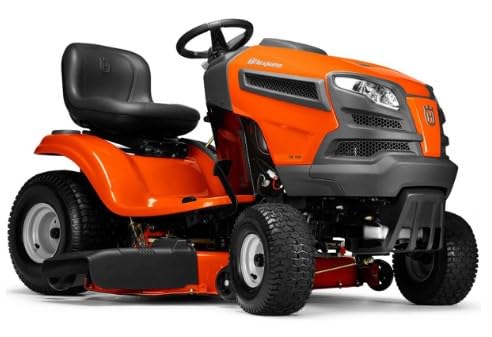
| Husqvarna TS 120 (42 inch) | Gas lawn tractor | Own 42 inch twin blade deck | 19 HP Briggs and Stratton engine, pedal transmission |
Common Mistakes to Avoid When Buying Riding Lawn Mowers
The biggest mistake is buying a mower first and assuming a bagger will fit later. Check the exact deck width and model year against the bagger listing before you order either. A second common error is choosing a bagger that is too small for the lawn; a double bagger on two acres means constant stops.
Many buyers also ignore storage. A riding mower with a bagger attached is longer and may not fit through a narrow shed door. Finally, do not skip the counterweights or bagging blades that some kits require. They keep the front wheels planted and create the airflow that lifts clippings into the chute, and leaving them out leads to clogs and poor traction.
Care and Maintenance Tips
Empty the bins before they are completely full, because a packed bag backs clippings up into the chute. After each mow, knock loose grass out of the chute and blower housing, and let mesh bags dry fully before storing to prevent mildew. Sharpen or replace blades regularly, since dull blades tear grass and reduce the lift that pushes clippings into the bagger. At the end of the season, wash the bags, check the mesh for tears and store them out of the sun.
For gas tractors, change the oil and air filter on the schedule in the manual and add stabilizer to fuel left over the winter. For battery riders, store batteries indoors at a moderate temperature and keep them partly charged in the off season.
Riding Lawn Mowers: Your Questions Answered
Is a zero turn worth it for one acre?
A zero turn is worth it on one acre if the lawn has many trees, beds or curves to mow around, because it pivots in place and cuts trim time. On an open, rectangular acre, a lawn tractor is often cheaper and easier to fit with a large bagger. Check that the zero turn model you want has a matching bagger kit, since fewer zero turns offer one. For more on this size, see our guide to riding lawn mowers for 1 acre.
What size mower do I need for my yard?
As a rough guide, a 30 inch rider suits lots up to about half an acre, a 42 inch deck covers half an acre to two acres, and 46 to 54 inch decks make sense beyond that. Narrow gates and tight paths can push you toward a smaller deck. Our guides to 30 inch riding lawn mowers and 42 inch riding lawn mowers go deeper on each size.
How long does a riding lawn mower last?
A well maintained residential riding mower commonly lasts 10 to 15 years or several hundred engine hours. Lifespan depends on how often you change the oil, sharpen blades, clean the deck and store the mower out of the weather. Bagging adds some wear to the blower and chute, so inspect those parts each season. Brand reputation matters too; see the most reliable riding lawn mowers.
How often should I sharpen mower blades?
Sharpen riding mower blades about every 20 to 25 hours of use, or at least once or twice per season. Sharpen sooner if you hit rocks or roots, or if grass tips look torn and brown after mowing. Sharp blades matter even more when bagging, because a clean cut creates the airflow that lifts clippings into the bins. Always balance the blade after sharpening to avoid vibration.
Are battery mowers as good as gas?
Battery riding mowers now match many gas models on cut quality and offer quieter running, no fumes and less maintenance. The EGO TR4204, for example, uses dual brushless cutting motors with no belts. The limits are runtime per charge and upfront cost, so gas still makes sense for very large properties or users who mow for hours at a time. For lots up to about 1.5 acres, battery models are a real alternative.
Wrapping Up
The best riding lawn mowers with baggers are the ones where mower, deck and collector are matched to your yard. Start with deck size, confirm the bagger fits that exact model, and choose capacity based on how much you cut. A triple bagger suits large lawns and heavy leaf drop, a double bagger works for typical suburban lots, and a zero turn bagger kit makes sense when you mow around many obstacles. Keep the chute clear and the blades sharp, and a bagging setup will save you hours of raking every year.


