
Best Riding Lawn Mowers for 1 Acre: Which One Fits the Way You Use It?
Disclosure: We may earn a commission when you buy through links on this page, at no extra cost to you. As an Amazon Associate I earn from qualifying purchases. Learn more

How to choose the best riding lawn mowers for 1 acre by user type, deck size, power and terrain.
One acre is the point where a push mower stops making sense. Mowing 43,560 square feet with a 21 inch walk behind takes around two hours every week, and a riding mower can cut that to roughly 30 to 45 minutes. But there is no single best rider for everyone. A small garage, a hilly lot, a weekend beginner and a homeowner who mows twice a week in peak season all need different machines. The best riding lawn mowers for 1 acre match deck size, power and drive type to how you actually use them.
This guide breaks down which type of rider suits which owner, the features that matter on a one acre lot, common buying mistakes and how to keep a riding mower running for years.


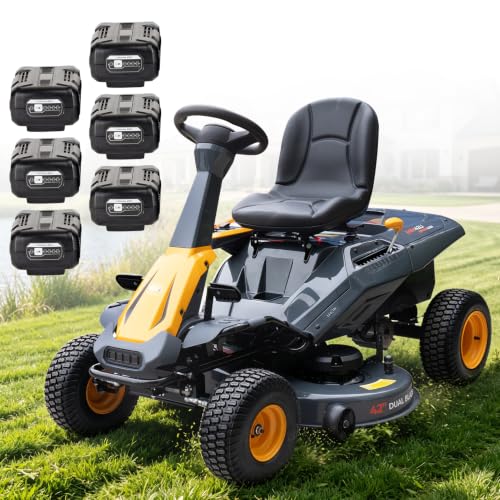
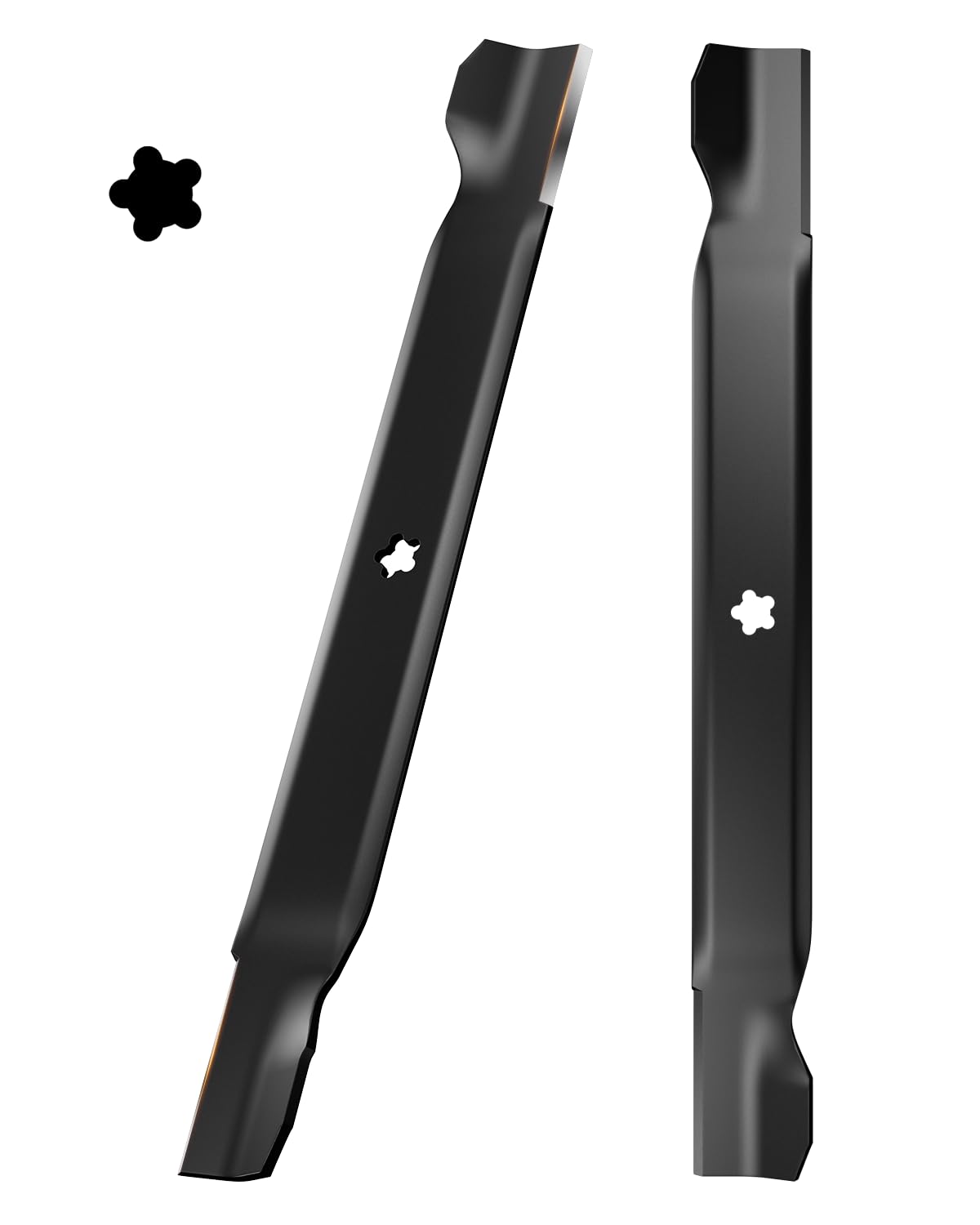


Who Should Buy Which Riding Lawn Mowers?
The right rider for one acre depends on storage space, experience, how often you mow and your terrain. Here is how each group should choose.
For Small Spaces and Easy Storage
If your garage or shed is tight, look at compact riders and rear engine mowers with 30 to 38 inch decks. They fit through standard 36 to 48 inch gates and take up about half the floor space of a lawn tractor.
A 30 to 38 inch deck takes longer to mow a full acre, often close to an hour, but it maneuvers easily around beds, trees and play sets. Electric riders are also handy here, since there is no fuel to store and no fumes in a garage attached to the house.
For Weekend Beginners
First time rider owners should prioritize simple controls, a hydrostatic or automatic transmission and a 42 inch deck. A lawn tractor with pedal controlled speed feels like driving a car, so it is easier to learn than lap bar zero turn steering.
Electric riding mowers are especially beginner friendly because they start with a key or button, need no oil changes and run quietly. Choose a mid range model with a solid warranty rather than the cheapest rider available.
For Frequent or Serious Users
If you mow more than once a week in spring or keep a manicured lawn, pay for durability: a fabricated or reinforced steel deck, a strong engine or large battery pack and a long warranty. A 42 to 48 inch zero turn mower cuts a flat acre in about 30 minutes and trims closely around obstacles.
Look for comfortable high back seats, cup holders and easy deck washing ports. These matter more the more hours you spend on the mower.
For Bad Weather and Tough Conditions
Lots with slopes, wet spring grass or rough ground need traction and stability. Lawn tractors with rear wheel drive and wide tires handle moderate slopes better than zero turns, which are designed for flat ground and can lose traction on wet hills.
Choose a mower with a low center of gravity and follow the manufacturer's maximum slope rating, often around 10 to 15 degrees. For damp conditions, a sealed electric drive system and a powder coated deck resist rust better.
Key Features to Compare
Deck width, power, power source and cutting height control decide how fast and how well a rider handles one acre.
Features That Matter for 1 Acre
For one acre, the sweet spot is a 42 inch deck. It balances mowing speed with storage size and gate clearance. A 46 to 48 inch deck saves time on open lawns, while 30 to 38 inch decks suit lots crowded with trees and beds.
Look for a hydrostatic or electric drive for smooth speed control, a turning radius under about 18 inches for trimming around obstacles and enough runtime or fuel capacity to finish the full acre without stopping.
Engine Size or Battery Voltage and Runtime
Gas riding mowers for one acre typically use single or twin cylinder engines of about 15 to 24 horsepower, roughly 400 to 700cc. A 17 to 20 horsepower engine handles a 42 inch deck comfortably on flat to moderate terrain.
Electric riders use 48V to 56V battery systems, often several large battery packs. Look for a rated runtime of at least 1 to 2 acres per charge, so you can finish your lawn with power to spare as batteries age.
Power Source: Gas, Battery, or Corded Electric
Gas riders offer long runtime, fast refueling and lower upfront prices, but they need oil changes, spark plugs and fuel stabilizer, and they are loud. Battery riders are quiet, start instantly and need almost no maintenance, but they cost more upfront and need hours to recharge.
Corded electric riding mowers do not exist in practice, because a cord cannot reach across an acre. For one acre, a battery rider rated for at least 1.5 acres per charge is a realistic alternative to gas.
Cutting Height Adjustment
Most riders offer 5 to 12 height settings from about 1.5 to 4 inches. A single lever or electronic height control makes it easy to raise the deck for summer heat or lower it for the first spring cut.
Taller grass, about 3 to 4 inches, shades roots, holds moisture and crowds out weeds, so choose a mower that reaches at least 4 inches.
Mulching, Bagging and Side Discharge
Side discharge is standard and works best for tall grass. Mulching kits chop clippings finely and return nutrients to the lawn. Rear baggers collect clippings and leaves for a cleaner look but add cost and require emptying.
Lawn Tractor vs Zero Turn vs Rear Engine Rider
A lawn tractor is the most versatile choice for one acre: steering wheel controls, good stability on slopes and the ability to tow carts, spreaders and dethatchers. A zero turn mower is the fastest choice on flat ground and trims closely around trees, but lap bar steering takes practice and it is less stable on hills. A rear engine rider is compact and affordable, ideal for small sheds and lots with lots of obstacles, but it mows more slowly and has fewer attachments.
How Much to Spend on Riding Lawn Mowers for 1 Acre
Expect to pay about $1,800 to $3,500 for gas riders and $3,000 to $6,000 for battery riders when shopping for the best riding lawn mowers for 1 acre.
- Around $1,500 to $2,200: rear engine riders and entry lawn tractors with 30 to 42 inch stamped decks. Fine for flat, simple lots mowed once a week.
- Around $2,200 to $3,500: mid range gas tractors and residential zero turns with 42 to 48 inch decks, hydrostatic drives and better seats. The best value for most one acre owners.
- Around $3,000 to $6,000: battery riding mowers and premium zero turns with fabricated decks, longer warranties and quieter operation.
Budget another $100 to $400 for a mulching kit, bagger, cover and spare blades.
Common Mistakes to Avoid When Buying Riding Lawn Mowers
- Choosing on price alone: a cheap rider with a thin stamped deck and weak transmission can cost more in repairs.
- Ignoring the features that matter for 1 acre: deck width, runtime and turning radius affect your time on the mower more than horsepower.
- Buying too big: a 54 inch deck may not fit through your gate or into your shed.
- Buying a zero turn for hills: zero turns can slide on wet slopes; tractors are safer on inclines.
- Skipping the warranty check: look at engine or battery coverage, deck warranty and local service options.
How to Make Your Riding Lawn Mower Last Longer
- Keep blades sharp: sharpen at least once each season for clean cuts and healthier grass.
- Never cut more than 1/3 of the grass blade at once: it stresses the lawn and strains the mower.
- Clean the deck after mowing: scrape or wash out wet clippings to prevent rust.
- Change oil and filters: gas riders typically need oil changes every 50 hours or yearly.
- Store batteries properly: keep electric mower batteries indoors in winter at moderate temperatures.
- Check tire pressure: uneven pressure leads to an uneven cut.
Frequently Asked Questions
What features matter most in riding lawn mowers for 1 acre?
A 42 inch deck, a hydrostatic or electric drive, enough fuel or battery capacity for at least 1 to 1.5 acres, a tight turning radius and cutting heights up to 4 inches matter most. Add a comfortable seat and a solid warranty if you mow weekly.
What size mower do I need for my yard?
For about half an acre, a 30 to 38 inch rider or self propelled mower works. For one acre, a 42 inch deck is the best balance. For two acres or more, consider a 46 to 54 inch deck. Measure gates and storage space before buying.
Are battery mowers as good as gas?
Modern battery riding mowers match gas models for cut quality on one acre lots and are quieter with almost no maintenance. Gas still wins on runtime for very large properties and on upfront cost, while battery riders save on fuel and servicing over time.
How long does a riding lawn mower last?
Many riding mowers last about 8 to 15 years, or roughly 400 to 1,500 hours depending on build quality. Regular blade sharpening, oil changes and dry storage extend life. Battery packs on electric riders may need replacing after several years.
Is a zero turn worth it for one acre?
Yes, if your acre is mostly flat with many trees and beds. A zero turn mows faster and trims more closely. On slopes or if you want to tow attachments, a lawn tractor is the better value.
How often should I sharpen mower blades?
Sharpen riding mower blades at least once per season, or about every 25 hours of mowing. Sharpen more often if you hit sticks, rocks or sandy soil. Torn, brown grass tips are a sign the blades are dull.
Wrapping Up
Start with deck width and terrain, then choose a power source. A 42 inch lawn tractor suits most beginners and sloped lots, a zero turn suits flat lots with lots of trimming and a compact rider suits small storage spaces. Match the rider to how you mow, and the best riding lawn mowers for 1 acre will turn a two hour chore into a quick ride. Check the product table above for current models and prices, and see our best zero turn riding lawn mowers guide if speed is your priority.

