
Best Tractor Lawn Mowers: Which One Fits the Way You Use It?
Disclosure: We may earn a commission when you buy through links on this page, at no extra cost to you. As an Amazon Associate I earn from qualifying purchases. Learn more

How to choose among the best tractor lawn mowers, with deck sizes, power sources, slopes, safety and care tips.
When your lawn passes about half an acre, pushing a mower turns into a weekend long chore. A lawn tractor lets you sit, steer with a wheel and mow wide swaths in a fraction of the time, and many models tow carts, spreaders and aerators for year round yard work. The best tractor lawn mowers match your yard size and terrain, have a deck wide enough to finish quickly but narrow enough to fit through gates, and use a power source that suits your maintenance preferences.
This guide explains who should buy which kind of lawn tractor, the features to compare, mistakes to avoid and how to maintain one. Compare current models in the product table above.


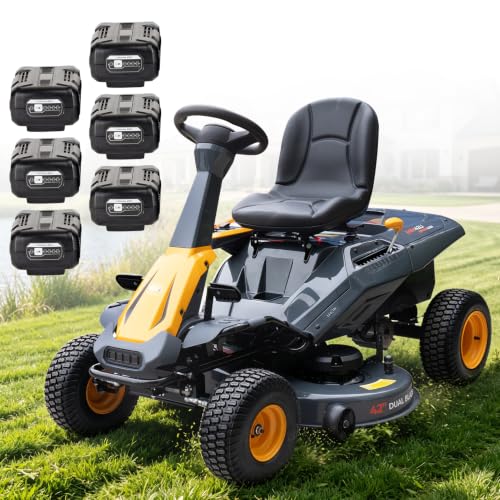


Who Should Buy Which Tractor Lawn Mowers?
The right lawn tractor depends on your property, weather and storage space. Here is how needs differ.
For Bad Weather and Tough Conditions
If you mow damp grass, deal with hills or tow heavy loads, choose a tractor with a strong engine or high torque electric motors, hydrostatic or automatic transmission, wide rear tires for traction and a reinforced steel deck. Gas tractors with larger engines and some premium electric models handle thick, wet grass best. Avoid mowing very wet lawns, which can cause ruts and clumping regardless of the machine.
For Small Spaces and Easy Storage
If storage is tight, look for compact riding mowers with 30 to 42 inch decks, a tight turning radius and a small footprint. Electric tractors have no fuel or oil to store, and some can stand on end or fit in a shed more easily. Measure your gate openings and shed door before buying.
For Weekend Beginners
First time tractor owners do best with automatic or hydrostatic transmissions, push button or key start, simple cutting height levers and good visibility. Electric tractors are especially easy: quiet, no pull starts and minimal maintenance. Practice on flat ground and learn the safety features before tackling slopes.
Lawn Tractors vs Zero Turn and Walk Behind Mowers
Lawn tractors steer with a wheel like a car, making them intuitive and stable on gentle slopes, and they excel at towing attachments. Zero turn mowers steer with lap bars, pivot in place and mow faster around trees and beds, but they handle slopes less confidently and are less suited to towing. Walk behind mowers suit lawns under about half an acre. For 1/2 to 2 acres with gentle slopes and a need to tow, a lawn tractor is the best all round choice. See our best zero turn radius lawn mowers guide if speed around obstacles is your priority.
Key Features to Compare
These are the features that matter most when choosing a lawn tractor.
Yard Size and Cutting Width
Match deck width to your lawn: 30 to 42 inches for about 1/2 to 1 acre, 42 to 48 inches for 1 to 2 acres and 48 to 54 inches or more for larger properties. Wider decks mow faster but need more storage space and wider gates.
Slopes and Terrain
Check the manufacturer's maximum slope rating, commonly around 10 to 15 degrees for riding mowers. Mow up and down slopes rather than across them with lawn tractors, following the manual's guidance. Wide tires and locking differentials improve traction.
Mulch, Bag and Side Discharge Options
Side discharge is standard and handles tall grass. Mulching kits chop clippings finely to feed the lawn. Rear baggers collect clippings and leaves for a clean look but add cost and need emptying. Decide how you prefer to handle clippings before buying accessories.
Power Source: Gas, Battery or Corded Electric
Gas tractors offer long runtime, quick refueling and strong power for big properties, but need oil changes, fuel storage and tune ups. Battery electric tractors are quiet, emission free and low maintenance, with runtime that varies by battery capacity and terrain. Corded options are not practical for riding mowers.
Transmission and Controls
Hydrostatic transmissions allow smooth, pedal controlled speed changes without shifting and are the easiest to use. Automatic belt transmissions are simpler and cheaper. Cruise control, LED headlights and comfortable high back seats make long mowing sessions easier.
Deck Material and Build
Stamped steel decks are common; fabricated decks made from welded heavy gauge steel are more durable. Look for a washout port for cleaning under the deck, a sturdy frame and quality spindles.
Useful Lawn Tractor Attachments
Attachments are a big reason many homeowners choose the best tractor lawn mowers over zero turns.
- Dump carts: haul mulch, firewood, soil and yard debris.
- Rear baggers: collect clippings and leaves for a tidy lawn.
- Mulching kits: return finely chopped clippings to the soil.
- Tow behind spreaders: spread seed and fertilizer evenly over large areas.
- Aerators and dethatchers: improve lawn health in spring and fall.
- Snow blades and blowers: available for some heavier tractors and garden tractors.
Check the tractor's hitch type and towing capacity before buying attachments.
Seasonal Storage Tips
Before winter, clean the deck, sharpen the blades and check belts. For gas tractors, add stabilizer and run the engine to circulate treated fuel, or run the tank dry as the manual advises, and change the oil. For electric tractors, store the battery at the charge level the maker recommends in a dry place above freezing. Cover the tractor and keep tires properly inflated so it is ready for spring.
Lawn Tractor Price Tiers
- Under $2,000: entry gas lawn tractors with 42 inch decks for flat yards up to about an acre.
- $2,000 to $4,000: hydrostatic gas tractors and entry electric riding mowers with better seats and decks.
- $4,000 to $6,000: premium electric tractors and zero turn models with large batteries.
- Over $6,000: garden tractors with heavy duty frames, fabricated decks and ground engaging attachments.
Common Mistakes to Avoid When Buying Tractor Lawn Mowers
- Buying too large a deck that will not fit through gates or storage doors.
- Ignoring slope ratings on hilly properties.
- Not sitting on the mower first to check seat comfort and control reach when you can see the model in person.
- Forgetting attachments: baggers, mulch kits and carts add cost.
- Overlooking service: check for local dealers or service centers for repairs.
Care and Maintenance Tips
For gas tractors, change the oil and air filter as the manual directs, typically every 50 hours or each season, replace the spark plug annually and use fuel stabilizer in the off season. For electric tractors, charge after each use and store batteries as the maker recommends. For all tractors, sharpen or replace blades every season, clean under the deck after mowing, check tire pressure and grease fittings and store the tractor under cover.
Safety Tips for Riding Mowers
- Read the manual and learn the controls and safety interlocks before mowing.
- Keep children and pets indoors while mowing, and never give rides.
- Avoid steep slopes and stay away from ditches, drop offs and water edges.
- Clear sticks, rocks and toys from the lawn before you start.
- Turn off the blades and engine and remove the key before getting off.
- Wear closed toe shoes, eye protection and hearing protection for gas models.
Electric vs Gas Lawn Tractors
Electric lawn tractors are quieter, start instantly and skip oil changes, fuel and spark plugs, which saves time over the years. They suit lawns where runtime per charge covers your mowing area. Gas tractors cost less upfront for the same deck size, refuel in minutes and handle very large properties and heavy towing. Consider how many acres you mow per session and whether you have a charging spot in your garage or shed.
Tractor Lawn Mowers: Your Questions Answered
How often should I sharpen mower blades?
Sharpen lawn tractor blades at least once a season, or about every 25 hours of mowing, and more often if you hit sticks or mow sandy soil. Sharp blades cut cleanly, which keeps grass healthier and reduces engine or motor strain.
Is a zero turn worth it for one acre?
A zero turn can be worth it for an acre with many trees and beds, since it maneuvers quickly and cuts mowing time. A lawn tractor is better if you have slopes, want a steering wheel or plan to tow attachments.
How long does a tractor lawn mower last?
A well maintained lawn tractor commonly lasts 10 to 15 years. Regular oil changes, blade sharpening, deck cleaning and covered storage extend its life, and electric models avoid many engine wear items.
Are battery mowers as good as gas?
For many yards, yes. Electric riding mowers cut cleanly, run quietly and need little maintenance. Gas still leads for very large properties, long continuous sessions and heavy towing.
What size mower do I need for my yard?
For 1/2 to 1 acre, a 30 to 42 inch deck works well; for 1 to 2 acres, choose 42 to 48 inches; and for larger properties, 48 to 54 inches or more. Make sure the deck fits through gates and storage doors.
Can a lawn tractor handle hills?
Lawn tractors handle gentle slopes, usually up to the 10 to 15 degree range many manufacturers specify. Mow up and down slopes as the manual directs, avoid wet grass on hills and consider a walk behind mower for steep banks.
The Bottom Line
Choose a lawn tractor with a deck sized to your yard, a slope rating that covers your terrain and a power source that fits your maintenance preferences, whether that is a gas tractor for big properties and towing or an electric tractor for quiet, low maintenance mowing. Follow the safety basics and maintain it each season, and the best tractor lawn mowers will turn hours of mowing into a quick ride. Compare current models in the product table above, and see our best riding tractor lawn mowers guide for more options.


