
Best Saws for Cutting Wood: Our 2026 Checklist and Top 3 Picks
Disclosure: We may earn a commission when you buy through links on this page, at no extra cost to you. As an Amazon Associate I earn from qualifying purchases. Learn more
A checklist for choosing a saw for wood projects, with three picks that pass.
Cutting a sheet of plywood, trimming 2x4s for a shelf, ripping a deck board or slicing rounds from a log each calls for a different saw, and the wrong choice means wavy cuts, burned edges or a tool that never leaves the box. For most homeowners, a good circular saw handles the bulk of wood cutting, with a jigsaw, reciprocating saw or chainsaw added for specific jobs. To find the best saws for cutting wood, we use a checklist covering power and capacity, corded versus cordless, safety, accessories, warranty and motor durability.
Below, each criterion includes what good and poor look like, followed by three picks that pass, a quick buyer checklist, red flags and answers to common questions.



How We Evaluate Saws for Cutting Wood
We judge wood cutting saws on six criteria, weighted toward cut quality and capacity, since those decide whether a saw handles your projects. Our scoring uses manufacturer specifications, listing details, battery platform support and buyer feedback in aggregate.
Features That Matter for Cutting Wood
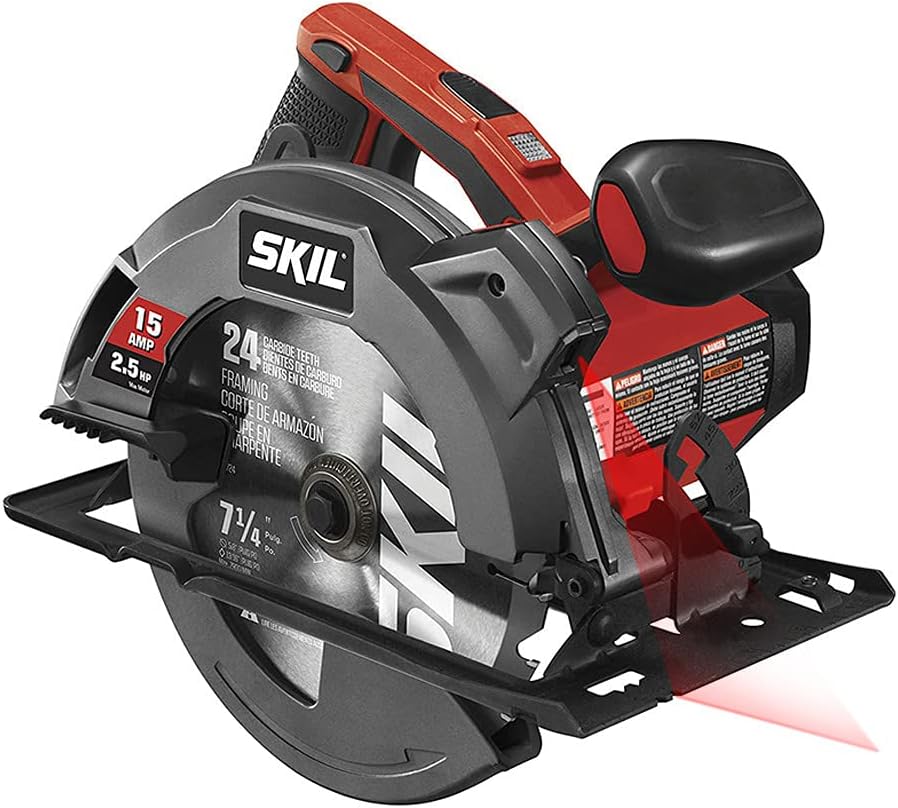
Good: enough depth of cut for 2x lumber in one pass (about 2 inches or more at 90 degrees), a bevel range to at least 45 degrees, a sturdy shoe that sits flat and a sharp carbide tipped blade. The SKIL 5280-01's 7-1/4 inch blade and 51 degree bevel capacity cover most framing and DIY cuts. Poor: wobbly shoes, flimsy depth locks and dull stock blades that burn wood.
Corded vs Cordless (Battery Platform)
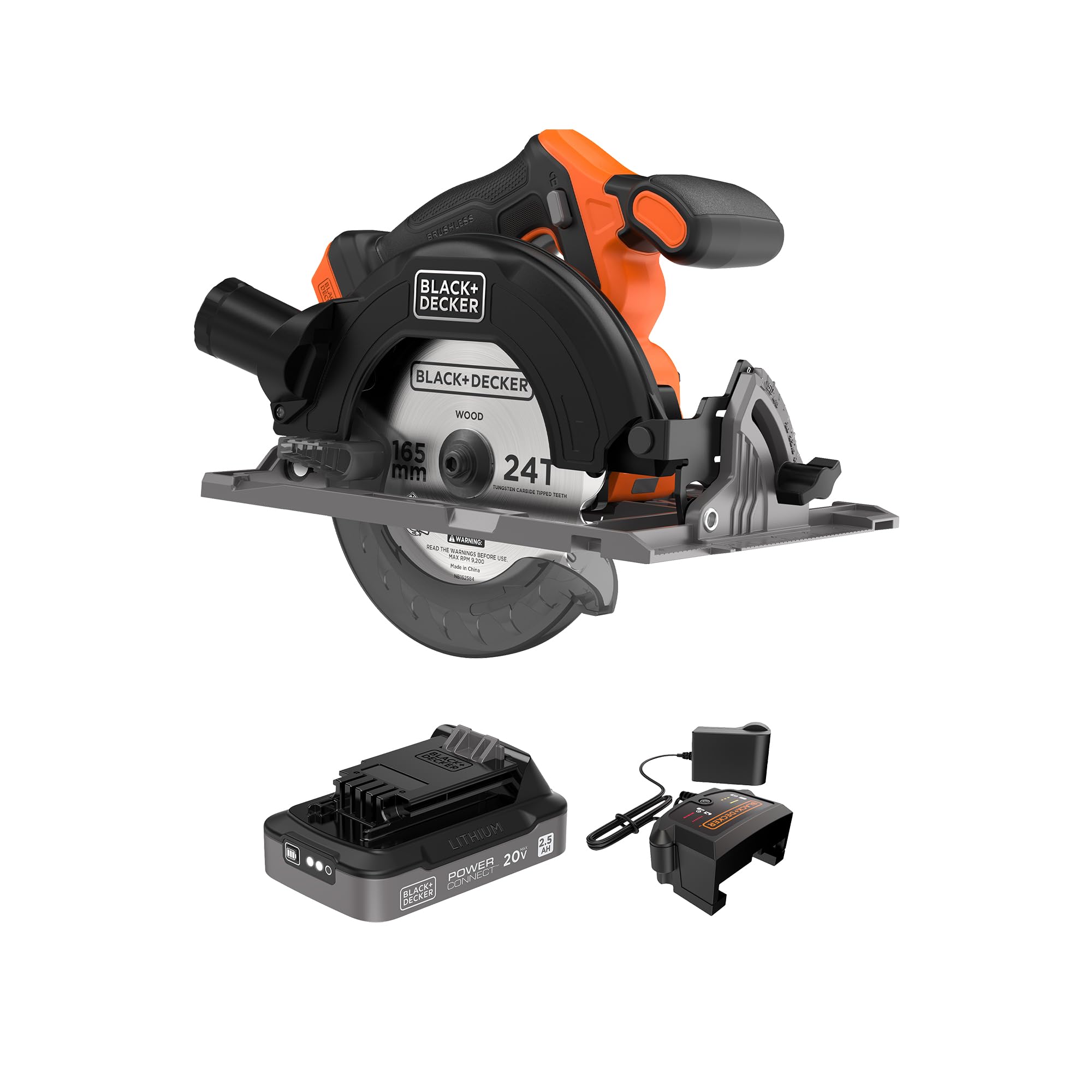
Corded saws deliver steady power with no batteries to charge, and a 15 amp circular saw cuts through 2x lumber and plywood easily. Cordless saws, like the BLACK+DECKER 20V MAX POWERCONNECT model, go anywhere and share batteries with other tools from the same brand. Good: choose cordless if you already own a battery platform or work away from outlets. Poor: buying a cordless saw on a platform you will never expand.
Safety Features
Good: a spring loaded lower blade guard that returns smoothly, a guarded trigger with a safety lock, an electric brake on higher end saws and a dust blower or port that keeps the cut line visible. The SKIL 5280-01 includes a safety lock trigger and a power on indicator. Poor: sticky blade guards and triggers that start too easily. Always wear eye and hearing protection.
Accessories Included
Good: a quality blade, a rip fence or edge guide, a blade wrench and, for cordless kits, a battery and charger. Laser guides help beginners follow lines. Poor: "bare tool" listings that look cheap until you add the battery, charger and blades.
Warranty and Brand Ecosystem
Good: warranties of two to five years from established brands such as SKIL, DEWALT, Milwaukee, BLACK+DECKER and WORX, with replacement blades and parts widely available. A shared battery platform saves money as you add tools. Poor: unknown brands with no stated warranty or parts.
Durability and Brushless Motors
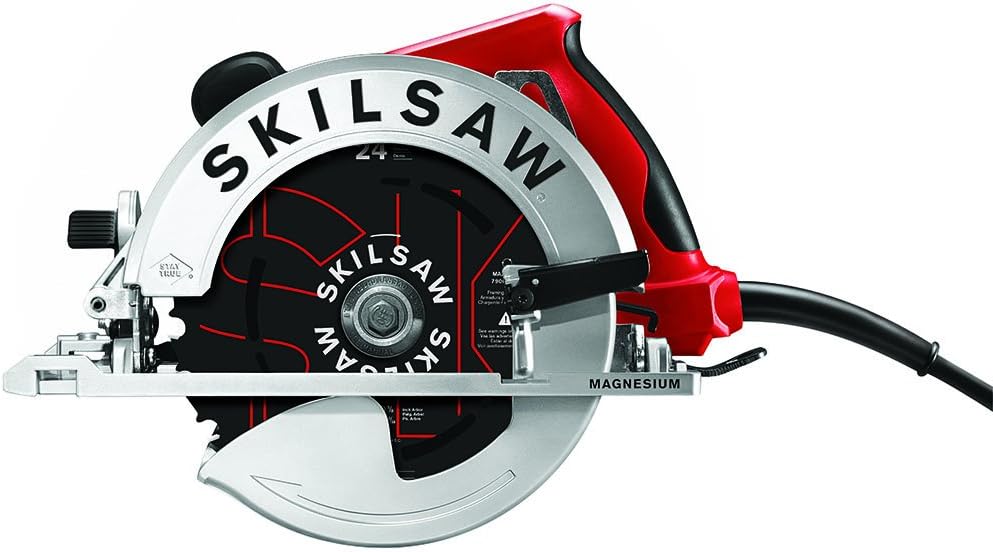
Good: brushless motors on cordless saws, which run cooler, last longer and get more cuts per charge, and magnesium or metal shoes on heavy use saws. The SKIL Sidewinder with a magnesium build suits frequent use. Poor: thin stamped shoes that bend if the saw is dropped.
3 Picks That Pass Our Checklist
The SKIL 5280-01 corded circular saw is our best overall saw for cutting wood, the BLACK+DECKER 20V MAX POWERCONNECT cordless circular saw is the best value cordless kit and the WORX WX439L WORXSAW is the best compact pick.
Best Overall: SKIL 5280-01 15 Amp 7-1/4 Inch Circular Saw
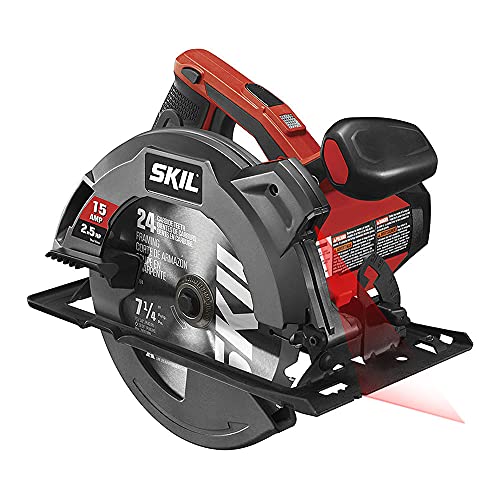
The SKIL 5280-01 suits homeowners and DIYers who want one saw for framing lumber, plywood and deck boards. At around $69, it pairs a 15 amp motor spinning at 5,300 RPM with a 7-1/4 inch carbide tipped blade, a 51 degree bevel capacity and a single beam laser guide, according to SKIL.
Its two standout strengths are full size cutting capacity at a budget price and helpful features like a spindle lock for blade changes and a dust blower that keeps the line visible. The limitation is the cord, which limits use away from outlets, and the stamped shoe is less rigid than magnesium designs.
Best Value: BLACK+DECKER 20V MAX POWERCONNECT Cordless Circular Saw
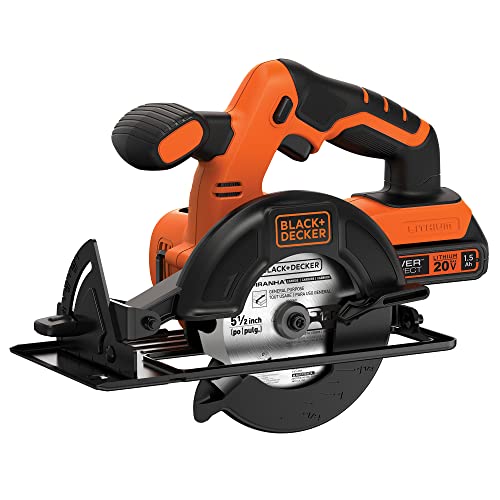
The BLACK+DECKER BDCCS20C suits beginners who want cordless convenience for light projects. At around $95 including a battery and charger, it uses a 5-1/2 inch blade with a variable speed trigger, bevel detents at 45 and 90 degrees and tool free depth and blade changes.
Its strengths are the all in one kit and the POWERCONNECT battery system shared with other BLACK+DECKER tools. The limitation is the smaller blade, which cuts 2x lumber but with less capacity and power than a full size corded saw.
Best Compact Pick: WORX WX439L WORXSAW Compact Circular Saw
The WORXSAW suits small projects, apartments and anyone who finds full size saws intimidating. At around $72, its 4-1/2 inch blade cuts lumber up to 2 inches thick at 4,100 RPM in a slim design built for one hand operation, according to WORX.
Its strengths are light, maneuverable handling, 45 degree bevels and a dust port for a vacuum. The limitation is capacity: it is not meant for thick lumber or long plywood rips, where a 7-1/4 inch saw is faster.

Types of Saws for Cutting Wood
| Saw Type | Best For | Strengths | Limits |
|---|---|---|---|
| Circular saw | Straight cuts in lumber and plywood | Fast, versatile, affordable | Needs guides for long straight rips |
| Jigsaw | Curves and cutouts | Shapes, holes, thin stock | Slow and less accurate on thick wood |
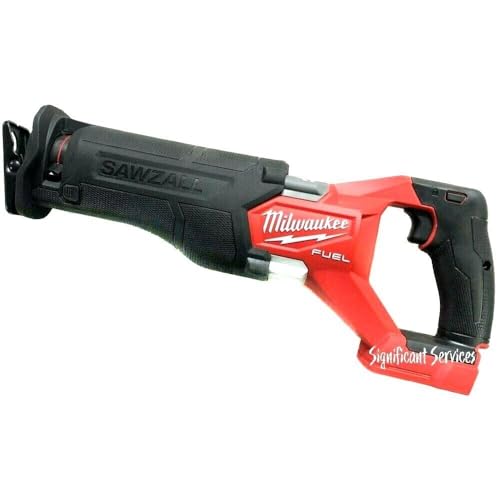
| Reciprocating saw | Demolition and pruning | Rough cuts, branches, nail embedded wood | Rough, not precise |
| Miter saw | Crosscuts and angles | Accurate repeat cuts for trim and framing | Not portable, limited width |
| Chainsaw | Logs and firewood | Large diameter cuts | Overkill and unsafe for small projects |
Quick Buyer Checklist
- Does it cut through 2x lumber in a single pass?
- Does it bevel to at least 45 degrees?
- Is the shoe flat and rigid?
- Does the blade guard return smoothly?
- If cordless, do you own or plan to buy that battery platform?
- Is a battery and charger included, or sold separately?
- Is there a warranty of at least two years?
- Are replacement blades easy to find?
Red Flags to Watch For
- Bare tool listings priced like kits: check what is included.
- Unknown brand batteries "compatible" with major platforms: they may lack safety protections.
- Vague power claims: look for amps, voltage and RPM.
- Wobbly shoes and guards: they ruin accuracy and safety.
- No warranty or parts: saws need blades and occasional repairs.
Choosing Saws for Your Situation
Choose a 7-1/4 inch circular saw for general carpentry, a compact saw for small projects and a reciprocating saw or chainsaw for yard and demolition work.
Best Saws for Cutting Wood Cookies
The best saws for cutting wood cookies, the round slices used for crafts and wedding decor, are chainsaws for logs over about 6 inches and miter or band saws for smaller branches. Use a fine toothed blade for smoother faces, secure the log in a sawhorse or cradle and follow all chainsaw safety guidance.
How to Make Your Saw Last Longer
- Use sharp blades matched to the material; dull blades strain motors.
- Blow out sawdust from vents and the guard after use.
- Store batteries at room temperature and partially charged.
- Check that the blade guard and depth locks work before each project.
Saws: Your Questions Answered
What features matter most in saws for cutting wood?
Cutting capacity, a flat rigid shoe, a sharp blade and safety features matter most. A 7-1/4 inch circular saw with a 45 degree bevel and a carbide blade handles most home projects.
Corded or cordless: which is better for DIY?
Corded is better for steady power and value; cordless is better for convenience. Choose cordless if you already own a battery platform or work away from outlets.
Is a brushless motor worth it?
Yes, on cordless saws used often. Brushless motors deliver more cuts per charge, run cooler and last longer. For occasional use, a brushed saw works fine.
Can I use batteries across brands?
No, batteries generally work only within one brand's platform. Third party adapters exist but can void warranties and are not recommended.
What specs matter most for home projects?
Blade size, depth of cut, bevel range and motor power matter most. A 15 amp corded or 18V/20V cordless circular saw covers shelves, decks and general carpentry.
Wrapping Up
Choose a circular saw sized to your lumber, insist on safety features and a good blade and match corded or cordless to your work. The SKIL 5280-01 suits most homeowners, the BLACK+DECKER cordless kit suits beginners and the WORXSAW suits small projects. Keep that checklist in mind and the best saws for cutting wood will make clean, safe cuts on every project. Compare current options in the product table above, and see our guide to the best wood band saws for curved and resaw cuts.


