
Best 18 Inch Chainsaw in 2026: The All Purpose Size, Chosen Well
Disclosure: We may earn a commission when you buy through links on this page, at no extra cost to you. As an Amazon Associate I earn from qualifying purchases. Learn more

Pick the best 18 inch chainsaw with this guide to gas versus battery power, chain pitch, oiler type, weight and the safety gear this bar size demands.
Eighteen inches is the bar length most people picture when they picture a chainsaw, and for good reason: it fells small trees, bucks firewood, and cleans up storm damage without the weight of a pro saw. But two saws with the same bar can be very different machines. The best 18 inch chainsaw for you depends on the power source behind that bar, the chain it runs, and how much saw your arms can manage at the end of a cutting session.
This guide sorts the 18 inch class by power source first, then by the running gear details that decide how the saw cuts a year from now. If you are still choosing a bar length, our general guide to the best chainsaw sizes explains the whole range. The comparison table below lines up the main configurations at this size.

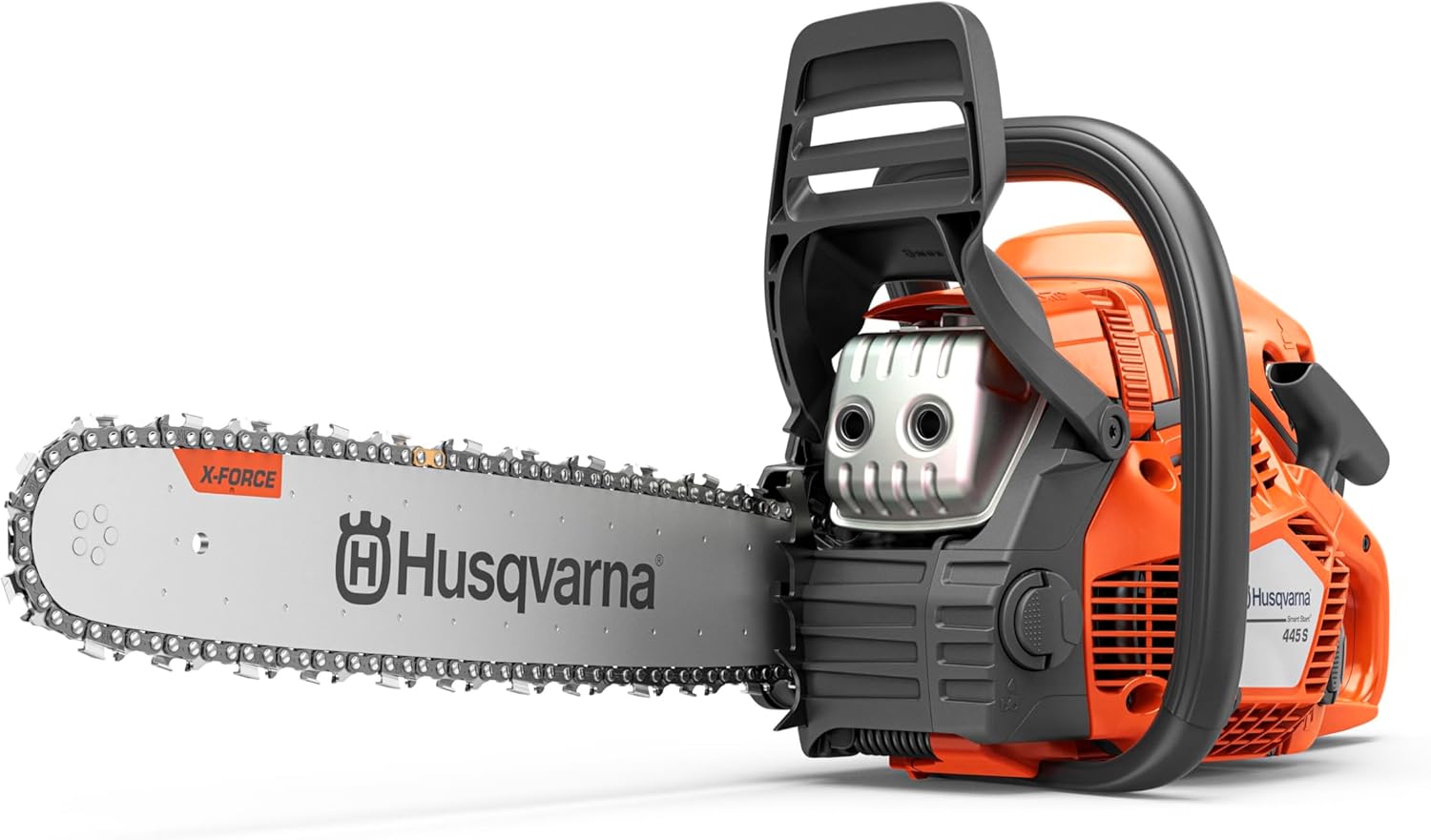


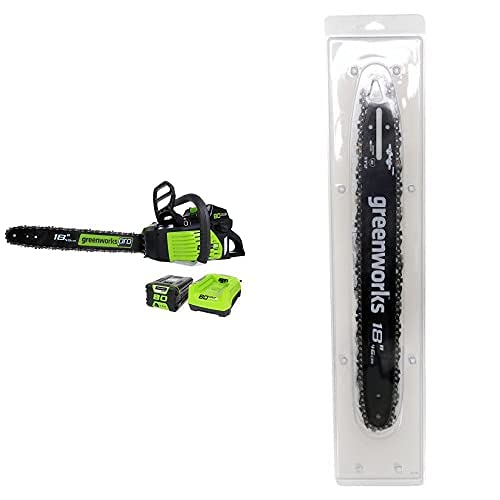
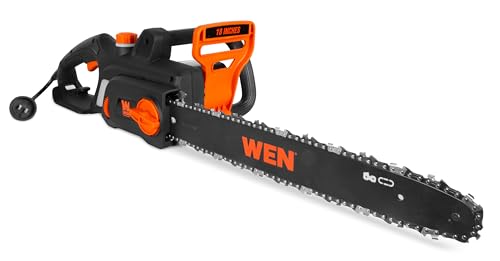


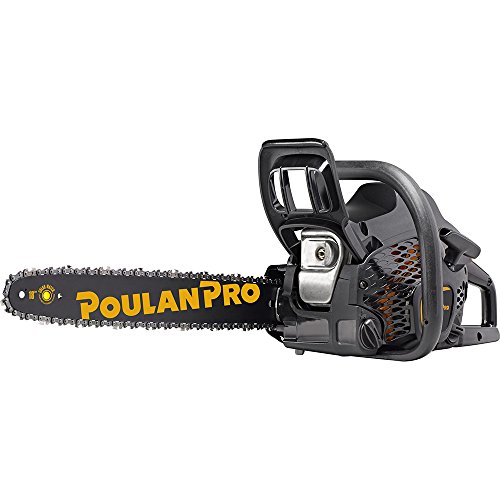
Who Should Buy Which 18 Inch Chainsaw?
Firewood Cutters Working Through Log Piles
If your winter heat comes from a wood pile, you will buck logs in the 10 to 16 inch range for hours at a time. A gas saw in the 40 to 50 cc class remains the endurance pick, since it refuels in a minute and holds power through a full session. Battery models now handle a cord of wood per big battery set, so they suit cutters who work in shorter sessions near the house. Either way, choose a saw with an adjustable oiler, because firewood pace drinks bar oil.
Homeowners Handling Storm Cleanup and Small Trees
For the occasional fallen limb and the leaning tree that has to come down, a battery 18 inch saw offers push button starts and no stale fuel surprises after months in the shed. Our guide to the best chainsaw for homeowners goes deeper on this duty pattern. Weight matters more than peak power for this group, because cleanup work involves awkward positions and overhead reaches where a heavy saw becomes a safety problem, not just a workout.
Rural Owners Needing One Saw for Everything
Fence lines, downed posts, trail clearing, and the odd tree job ask for a saw that starts every time and shrugs off varied work. A mid range gas model with a metal crankcase and a rim sprocket that lets you swap chains easily fits this life. Keep a second chain and a spare bar in the kit, because rural work dulls chains on dirt and hidden wire, and the saw earns nothing while it waits for parts.
Key Features to Compare
Power Source and Engine or Battery Size
Gas models at this bar length run about 40 to 55 cc, and the upper half of that range keeps chain speed up in hardwood. Battery models depend on platform voltage and battery capacity; the serious 18 inch battery saws live on the higher voltage outdoor platforms, not the drill platforms. Corded electric models exist at this size and suit yards where the work stays within extension cord reach of the house. Match the source to your session length: fuel for marathons, batteries for bursts, cord for the patio wood pile.
Chain Pitch and Gauge
Most 18 inch homeowner saws run 3/8 low profile chain or .325 pitch chain, and the two are not interchangeable. The .325 setup cuts a touch smoother and suits mid power gas saws, while 3/8 low profile is the common battery and entry gas fitment. What matters for you is replacement cost and availability: count the drive links and note the gauge, usually .050 inch, before ordering spare chains. A saw whose chain size your local shop stocks will never sit idle waiting for a delivery.
Oiler Type and Oil Capacity
Every saw here uses an automatic oiler, but adjustable oilers let you increase flow for dry hardwood and long bars or reduce it for softwood. Fixed oilers are set for average conditions and can starve the bar in demanding cuts. Check the oil tank capacity against the fuel or battery size; a well matched saw empties both at about the same time, which builds a natural refill rhythm. An oiler that leaks in storage is a common cheap saw flaw, so read the cap and tank design carefully.
Chain Brake and Kickback Protection
An 18 inch bar is long enough to kick back with real force, so the safety hardware is not decoration. The chain brake should trip both by the hand striking the guard and by inertia in better designs. Low kickback chain and a reduced kickback bar tip lower the risk further, at a small cost in boring and plunge cut ability that most users never miss. Treat any saw missing a working brake as a hard pass, and budget for chaps and a helmet in the same purchase, not as a later accessory.
Weight and Vibration Control
Dry weights in this class run roughly 10 to 14 pounds before fuel or battery, and the working weight is what your shoulders meet. Anti vibration mounts that isolate the handles from the engine make a bigger difference over an hour than a few ounces of weight. Battery saws put their mass in the pack, which some users find balances the bar well. If you can, hold the saw at a dealer in cutting position, because balance sheets and spec weights never tell the whole story.
Chain Tensioning and Bar Access
You will tension the chain several times per session as it warms and stretches. Side access tensioners with a standard screwdriver and wrench are slower but robust, while tool free dials are fast and convenient, with more plastic in the mechanism. Either system should let you check tension with the bar nuts snug, and the sprocket cover should come off without a fight for cleaning. Packed sawdust around the sprocket is normal; a cover design that traps it against the oiler outlet is not.
Is an 18 Inch Bar the Right Size for Your Work?
The working rule is that a bar handles wood up to about twice its length when you cut from both sides, and comfortably cuts logs a few inches shorter than the bar in one pass. An 18 inch bar therefore covers logs to about 14 to 16 inches as routine work, which matches most firewood and yard trees. If your cutting is mostly pruning and limbs under 6 inches, step down: our guide to the best mini chainsaw covers saws that do that work with far less weight and risk. If you regularly fell trees over 20 inches, step up a class instead of forcing this bar through with relief cuts all day.
What Your Budget Buys at This Size
Entry models, gas and battery, start around $150 to $250 and suit occasional use with simpler tensioners and fixed oilers. The middle band of about $250 to $450 is the serious homeowner zone: better engines or battery platforms, adjustable oilers, and build quality that survives weekly firewood work. Professional grade 18 inch setups run about $450 to $700 and buy metal construction, stronger anti vibration systems, and dealer service networks. Battery buyers should price the full kit, since a bare saw plus two large batteries can cost more than the gas equivalent.
Common Mistakes to Avoid
- Running a dull chain and pushing harder to compensate, which overheats the bar, strains the engine, and causes most kickback situations.
- Skipping chaps and eye protection because the job is only one tree, which is exactly the job where complacency bites.
- Buying spare chain by bar length alone, without matching pitch, gauge, and drive link count, so the new chain never fits.
- Storing a gas saw with untreated fuel over winter, then blaming the carburetor for a spring no start.
- Cutting with the bar tip buried in dirt at the end of each log pass, which dulls a sharp chain in seconds.
Care and Maintenance for an 18 Inch Chainsaw
Sharpen the chain before it goes dull rather than after; a few file strokes per tank or battery keeps cutting fast and safe, and a chain that throws dust instead of chips is already overdue. Clean the bar groove and oil port each session, flip the bar regularly so it wears evenly, and check the sprocket for hooked teeth when you change chains. Gas owners should drain or stabilize fuel for storage and run the carburetor dry. Battery owners should store packs at partial charge indoors. Whatever the power source, test the chain brake before the first cut of the day, and seek emergency care immediately for any deep cut, since chainsaw wounds tear tissue and carry debris deep into the injury.
FAQ
What size wood can an 18 inch chainsaw cut?
In a single pass it handles logs up to about 14 to 16 inches in diameter comfortably, and with cuts from two sides it can work through trunks approaching twice the bar length. The practical limit is power as much as bar length: a small engine or battery saw will slow and overheat in big hardwood even if the bar reaches. For regular work above that size, a longer bar on a stronger saw is the honest answer.
Gas or battery, which is better for an 18 inch chainsaw?
Gas wins on endurance and refill speed for long firewood sessions, while battery wins on instant starts, low upkeep, and quiet running near the house. Our dedicated guide to the best battery chainsaw covers the strongest battery options at this size. Cost decides many buyers: if you already own large batteries on an outdoor platform, the battery saw is far cheaper to adopt than its sticker suggests.
What chain does an 18 inch chainsaw use?
Most use either 3/8 low profile or .325 pitch chain at .050 gauge, with the drive link count set by the exact bar, commonly in the low 60s. The numbers are stamped on the tail of the bar, and that stamp is the authority, not the box the saw came in. Carry the stamp figures when you shop for spares, because two chains can both say 18 inch and still be entirely different chains.
How heavy is an 18 inch chainsaw?
Expect roughly 10 to 14 pounds dry, and add about a pound for fuel and oil or more for a large battery. Working weight, not dry weight, is what matters at the end of a session. Lighter models trade some durability and power for that comfort, so match the weight to your strength and session length rather than chasing the smallest number on the spec sheet.
When is an 18 inch chainsaw too much saw?
When the work is pruning, limbing small trees, or cutting stock under about 6 inches, an 18 inch saw is heavier, riskier, and slower to handle than the job needs. New users also learn faster on a shorter bar, which is easier to control and less prone to tip contact. Reach for the big bar when the wood demands it, and let smaller saws do the small work.
Final Thoughts
At this size, the bar is the same across the shelf; the machine behind it is the decision. Match power source to session length, chain size to local availability, and safety hardware to the respect this tool deserves. Do that and the best 18 inch chainsaw for your property becomes the saw you reach for without thinking. Compare the finalists in the product table above on weight and chain specs, and put the safety gear in the same order.


