
Best Auto Pool Vacuum Cleaners by Budget: Smart Picks for 2026
Disclosure: We may earn a commission when you buy through links on this page, at no extra cost to you. As an Amazon Associate I earn from qualifying purchases. Learn more

Compare the best auto pool vacuum cleaners at every price point. Learn what you get at budget, midrange, and premium levels and where spending more pays off.
Pool vacuums that clean on their own range from simple suction models at around $100 to advanced robotic units at around $900, and the price gap can feel hard to justify. This guide to the best auto pool vacuum cleaners is built around budget, so you can see what each price level actually buys you. We explain the features that change daily cleaning results, the ones that only add convenience, and the trade offs at every tier in the comparison table below.
Start by thinking about your pool rather than the price tag. A small above ground pool with light debris needs far less machine than a large inground pool under oak trees. Once you know your debris load, pool surface, and how much work you want to do yourself, the right tier usually becomes obvious.
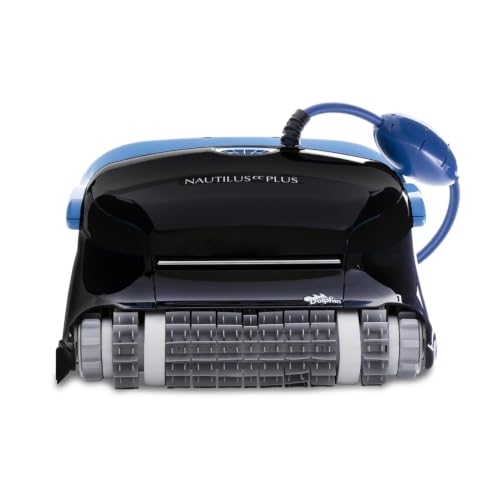
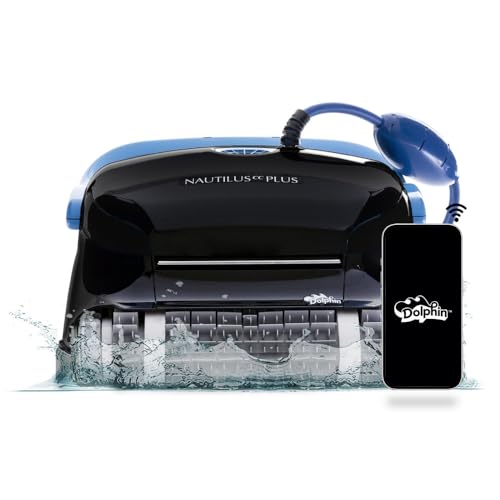
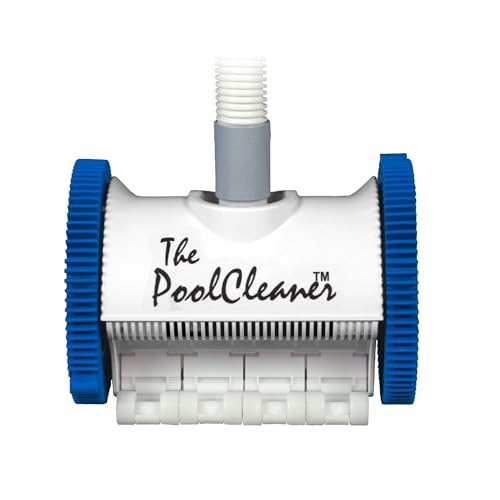

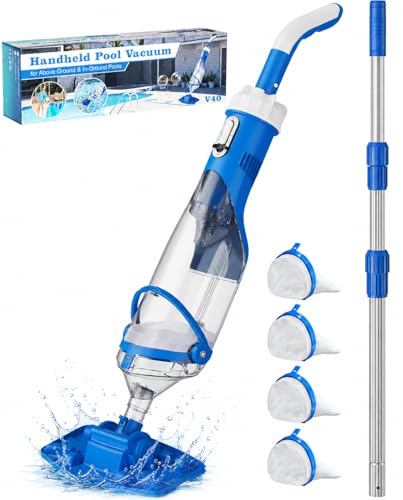
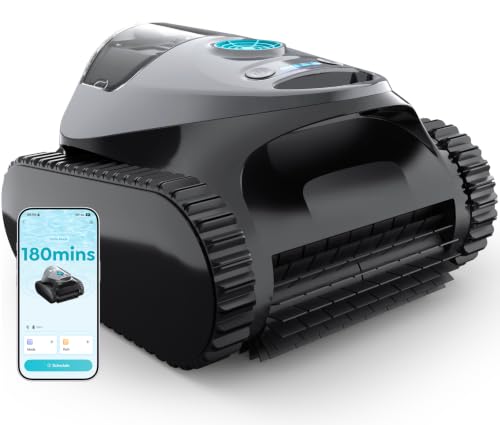
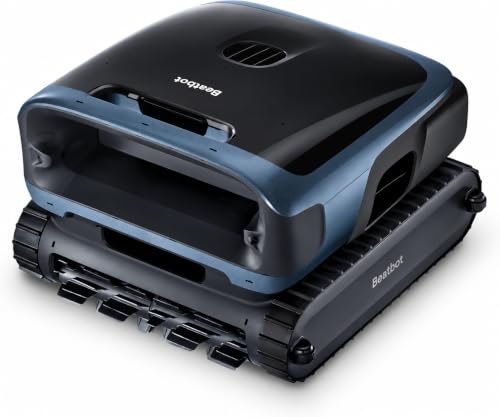
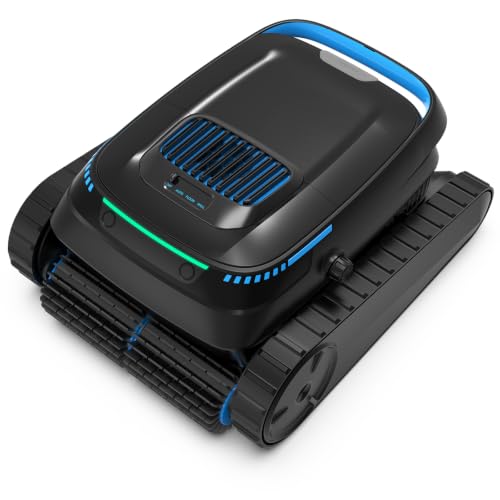
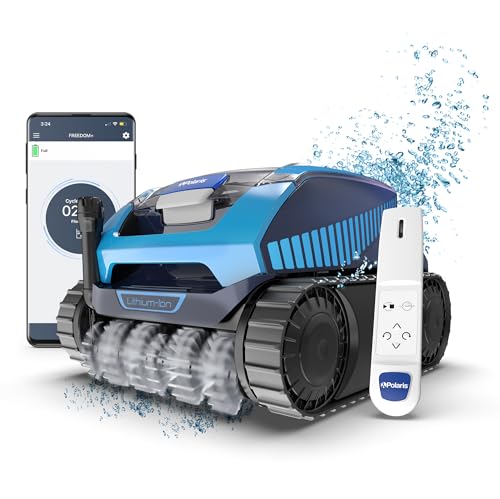
Who Should Buy Which Auto Pool Vacuum Cleaner?
Owners of Small Above Ground Pools on a Tight Budget
If your pool holds a modest volume of water and collects mostly dust, sand, and a few leaves, a basic suction or small cordless model will usually keep it clean. Look for light weight, a simple hose or battery setup, and a basket you can rinse in seconds. Readers in this group often compare options in our guide to the best small pool vacuum cleaners, because oversized machines waste money and can struggle to turn in compact pools.
Inground Pool Owners Who Want Weekly Cleaning With Little Effort
You are the classic midrange buyer. A robotic or stronger suction model with a longer cycle, better filtration, and wall coverage will save you real time each week. Prioritize a larger filter basket, a cord or hose long enough for your longest diagonal, and a cycle timer if your schedule varies. Paying a bit more here usually buys convenience you will feel every single week of the season.
Owners Dealing With Heavy Leaves and Frequent Debris
Pools under trees fill baskets fast and punish weak suction. You need capacity first, so look for an oversized debris canister, strong intake ports, and brushes that sweep leaves toward the intake instead of pushing them aside. Premium robotic models earn their price in this setting, and our overview of the best robotic pool vacuum cleaners explains how that class handles heavy loads without using your pool pump at all.
Key Features to Compare
Cleaner Type and Power Source
Suction side models plug into your skimmer or a dedicated suction line and use your pool pump for power, which keeps purchase price low but adds wear and energy cost to the pump. Pressure side models use water pressure, sometimes with a booster pump, and push debris into a bag. Robotic models carry their own motor and filter, run independently, and cost the most up front. Cordless battery models sit between those groups, offering simple setup for smaller pools with shorter run times per charge.
Filtration Rating and Basket Capacity
Filtration is described in microns, and lower numbers capture finer particles. A rating near 20 microns handles sand and silt well, while coarse baskets near 100 microns suit leaves but let fine dust pass through. Basket capacity matters just as much, because a full basket chokes suction and ends cleaning early. Match the pair to your debris, fine filtration for dusty regions and large capacity for leaf heavy yards, and check how easily the basket lifts out and rinses clean.
Pool Size, Surface, and Reach
Every cleaner has a maximum pool length, and the hose or cord must reach the far corner from your connection point with slack to spare. Surface matters too, since wheels and brushes grip vinyl, fiberglass, plaster, and tile in different ways. A model tuned for smooth vinyl may slip on tile, while aggressive tracks can scuff delicate liners. Confirm the stated surface list matches your pool, and measure your pool before ordering rather than trusting a rough memory of its size.
Navigation, Cycle Time, and Coverage
Basic cleaners wander in random patterns and rely on long run times to cover the floor, which works but wastes energy. Smarter robotic units map the pool, follow planned paths, and finish in about 90 minutes to 3 hours depending on size. Wall and waterline coverage separate price tiers clearly, since floor only models leave the scum line for you to brush by hand. If your walls grow slippery film quickly, waterline scrubbing is worth paying for rather than treating it as a luxury.
Weight, Retrieval, and Storage
You will lift this machine out of the water again and again, and wet weight can surprise you. Robotic units often weigh about 15 to 30 pounds before trapped water drains, so a rapid drain design and a sturdy handle matter more than spec sheets suggest. A storage caddy helps on premium models but adds cost. Think about where the cleaner will live between runs, because a unit stored in direct sun ages faster and becomes a chore you start to avoid.
What Each Price Tier Delivers
Budget models at about $100 to $250 are usually suction cleaners or compact cordless units for smaller pools. Expect floor cleaning only, simple random movement, and more of your own time spent on walls and steps. For a lightly used pool, that trade can be perfectly sensible. Our broader guide to the best pool vacuum cleaners shows how these entry options sit beside manual tools if you want a lower cost mix of both approaches.
Midrange models at about $250 to $600 add stronger filtration, larger baskets, some wall climbing, and more deliberate navigation. This is where most inground pool owners find the best balance, because cleaning quality jumps while prices stay well below flagship levels. Many readers comparing automatic styles also read our guide to the best auto pool cleaners to confirm which power source fits their plumbing before they spend in this tier.
Premium models at about $600 to $1,200 focus on waterline scrubbing, fine filtration, app control, scheduling, and larger capacity for big pools. The cleaning gain over midrange units is real but smaller than the jump from budget to midrange, so buy premium for a specific need such as heavy leaves, a large pool, or true set and forget scheduling. If your pool is modest, premium money is often better kept for chemicals, a cover, or a future pump upgrade.
Common Mistakes to Avoid
- Buying by price alone, because a cheap cleaner that misses your pool size or surface will cost you hours of manual work every week.
- Ignoring basket capacity in a leaf heavy yard, because a small basket fills in minutes and leaves the rest of the cycle doing almost nothing.
- Choosing a hose or cord that is too short, because the cleaner will never reach the far end and that corner will stay dirty all season.
- Paying for app control and scheduling you will never use, because unused smart features add cost without adding any cleaning power.
- Skipping the surface compatibility check, because wheels made for plaster can damage a vinyl liner and turn a saving into a repair bill.
How to Make Your Auto Pool Vacuum Cleaner Last Longer
Rinse the filter basket or bag after every cycle, since packed debris strains the motor or pump and cuts suction on the next run. Rinse the whole unit with fresh water after use in saltwater pools, and let it dry in shade before storage. Store robotic and cordless models out of direct sun, because heat and ultraviolet light age plastic housings, seals, and battery packs faster than normal use does.
Inspect hoses, cords, wheels, and brushes each month for cracks, tangles, and worn bristles, and replace small wear parts before they damage larger ones. Keep your water chemistry balanced, because water that is far out of range attacks rubber seals and dulls plastic over time. Before winter storage, clean the unit fully, dry it completely, and store cordless batteries partly charged in a cool indoor spot, then top them up before the first spring cleaning.
FAQ
How long should an auto pool vacuum cleaner run each week?
Most pools stay clean with two or three cycles per week, and each cycle should run long enough to cover the full floor once. Sandy or windy sites may need an extra run after storms. A useful new check is the basket test, if the basket comes back nearly empty, your current schedule is enough, and you can cut one run to save energy and wear.
Does an auto pool vacuum cleaner work on a wrinkled vinyl liner?
Yes, most models work on wrinkled vinyl, but deep wrinkles can trap a suction cleaner or deflect a lightweight robotic unit. Smooth out large folds near the floor drain where cleaners pass most often, and choose softer wheels or tracks. If your cleaner stalls in the same spot every run, that spot, not the machine, is usually the problem to fix first.
Can an auto pool vacuum cleaner remove algae from pool walls?
No, an auto pool vacuum cleaner cannot remove algae that is firmly attached to walls, because vacuuming lifts loose material only. Brush the walls first to break algae free, balance the water, and run the cleaner soon after brushing to capture what settles. Green water also needs chemical treatment, since no vacuum can correct a chlorine level that has fallen too low to sanitize the pool.
Should an auto pool vacuum cleaner stay in the pool between cycles?
No, most cleaners should come out of the pool between cycles unless the maker states otherwise. Constant soaking in chlorinated water fades housings, weakens cords and hoses, and can void parts of a warranty. Robotic models with weekly timers are the main exception, and even then, lifting the unit out for a rinse and a shaded rest will extend its working life.
What size auto pool vacuum cleaner does a large pool need?
A large pool needs a cleaner rated above its longest dimension, with a hose or cord that reaches the far corner plus several feet of slack. Capacity matters as much as reach, so choose a larger basket and a cycle rated for pools over 40 feet. For very wide pools, running the cleaner from different start points on different days helps cover areas that a single start point keeps missing.
Final Thoughts
Budget only works when the cleaner matches your pool size, surface, and debris load, so let those three facts pick your tier before price does. Compare filtration, reach, and basket capacity in the product table above, then choose the simplest model that covers your walls if you need that help. Chosen that way, the best auto pool vacuum cleaners stop being a gamble and become a fair trade between money spent and hours saved each week. Prices and availability can change, so check the product page before ordering.


