
Best Chainsaws for Beginners in 2026: Safe First Saws Explained
Disclosure: We may earn a commission when you buy through links on this page, at no extra cost to you. As an Amazon Associate I earn from qualifying purchases. Learn more

The best chainsaw for beginners is forgiving, safe and simple to run. Learn how bar size, power type and safety features matter for first saws.
Your first chainsaw should forgive small mistakes while you learn, not punish them. That means moderate power, strong safety features, and controls that make sense the first time you pick the saw up. The best chainsaw for beginners is rarely the biggest or the cheapest; it is the one sized for yard work and small firewood, with a chain brake you trust and a starting routine you can master in one afternoon.
This guide explains what separates a sensible first saw from a risky one, and which specs you can safely ignore for now. The comparison table below shows the beginner friendly classes side by side, and the sections that follow build your checklist in order.


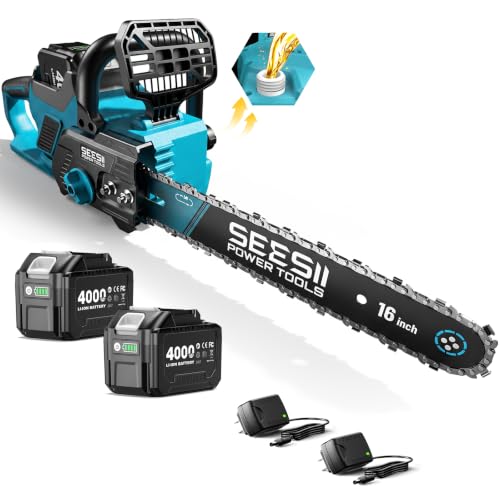


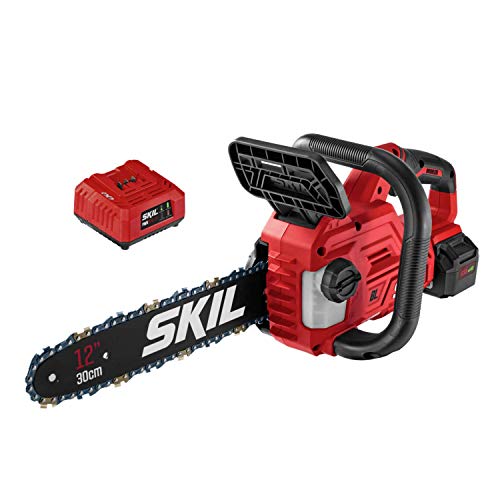


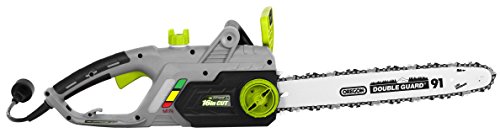
Who Should Buy Which Chainsaw?
First Time Owners With Yard Cleanup and Pruning
If your jobs are storm branches, overgrown shrubs, and the odd fallen limb, a compact battery saw with a 10 to 14 inch bar is the gentlest starting point. It starts instantly, runs quietly, and stops the moment you release the trigger, so your attention stays on stance and technique. You will outgrow it only if firewood becomes a regular chore, and by then you will know exactly what to buy next.
New Firewood Cutters Heating With Wood
Beginners who cut firewood weekly need a step up: a 16 inch saw, battery or small gas, with enough power to buck 10 to 14 inch rounds without straining. This class still keeps weight and kickback energy manageable while your skills build. Start the season on softwood and smaller rounds, learn sharpening early, and your speed will grow faster than it would with a bigger saw you fear slightly.
Nervous Buyers Who Want the Simplest Possible Saw
If the whole idea feels intimidating, a corded electric saw near the house removes the most variables: no fuel, no charging, no pull cord, just steady modest power and a light body. It is a legitimate way to learn grip, stance, and cutting order on small wood. Many owners keep the corded saw for years as their pruning tool even after adding a bigger saw for the woodpile.
Key Features to Compare
Bar Length and Saw Size
Beginners should think small on purpose. A bar between 12 and 16 inches covers pruning, storm cleanup, and firewood up to roughly twice the bar length minus a margin when you cut from both sides. Shorter bars put the tip where you can see it, reduce the energy in a kickback, and make the saw feel balanced instead of nose heavy. The full size picture is in our overview of the best chainsaw types, but as a first purchase, resist anything over 18 inches until your technique is boring and automatic.
Chain Brake and Low Kickback Chain
These two features do more for a beginner than any power figure. The chain brake stops the chain in a fraction of a second when the saw kicks or when you push the front guard forward, and you should be able to engage it with the back of your wrist without thinking. A low kickback chain uses shaped links that reduce how aggressively the tip grabs. Buy only from brands that fit both as standard, test the brake before every session, and replace a worn chain with the same low kickback type.
Power Type for a First Saw
Battery saws suit beginners who value push button starting, low noise, and minimal upkeep, and the current crop in our best battery chainsaw roundup cuts real firewood, not just twigs. Gas saws reward you with long runtime and lower running costs on big properties, but add fuel mixing, pull starting, and more maintenance to your learning curve. Corded saws are the budget and simplicity champions within reach of an outlet. Honest advice: pick the power type that removes the chores you know you will skip.
Automatic Oiler and Tool Less Tensioning
The bar and chain need constant oil, and an automatic oiler delivers it without you remembering a pump button mid cut. Pair that with tool less chain tensioning, a dial that keeps the chain snug without a wrench, and two of the most common beginner maintenance failures disappear. You still check chain tension before each session, because a new chain stretches during its first cuts, but the adjustment takes seconds. Sight glass windows for the oil tank are a small bonus worth having.
Weight and Vibration for Learning Sessions
Learning takes longer sessions than working does, because you stop, think, and reposition often. A saw in the 8 to 12 pound working range lets you practice without your forearms giving out, and low vibration keeps your hands sensitive enough to feel what the saw is doing. Heavier saws also raise the cost of a stumble. If two saws both meet your cutting needs, the lighter one is the better teacher, and it will still be the one you grab for quick jobs years later.
Clear Manuals, Support, and Parts Access
A beginner needs a manual written in plain language, with the starting and safety steps up front, plus a brand that sells chains, bars, and sprockets everywhere. The homeowner oriented designs in our best chainsaw for homeowners guide tend to do this well. Before buying, search for the replacement chain for the exact model you like; if it is hard to find now, it will be worse in three years. A short warranty handled locally is worth more than a long one handled by mail.
The Beginner Learning Path: First Month With a Saw
Spend your first session on setup, not cutting: fit your protective gear, tension the chain, fill the oiler, and practice starting and stopping the saw until the motions feel dull. Then cut small, stable rounds on a sawbuck at waist height, learning to let the chain do the work without pushing. Move to limbing fallen branches next, always standing to one side of the cut. Leave standing tree felling for later, and hire a professional for anything near a house, a road, or a power line. For pruning only work, the compact saws in our best mini chainsaw guide are an even gentler place to start.
Common Mistakes to Avoid
- Buying a professional size saw to grow into, so every early cut happens with more power and weight than you can control.
- Touching the bar tip to wood carelessly, so kickback introduces itself in your first hour of cutting.
- Running a dull chain and pushing harder, so the saw bucks, overheats, and wears you out at the same time.
- Skipping protective gear for a quick cut, so the shortest job of the day carries the same risk as the longest.
- Cutting with the wood on the ground and the bar in the dirt, so the chain dulls instantly and the saw kicks grit back at you.
- Felling a leaning or hung up tree as a first project, so a job for an arborist turns into an emergency.
How to Make Your First Chainsaw Last Longer
Beginners kill saws mostly through neglect, not hard work. Learn three habits and your saw will live long: keep the chain sharp with a file and guide, check tension and oil before every session, and clean the air filter and bar groove weekly during cutting season. A sharp chain is also a safety device, because it pulls itself through the wood in a straight, predictable line.
Store the saw with its cover on, in a dry place, with fuel stabilized or the battery stored indoors at a partial charge. Flip the bar each time you swap or sharpen the chain so both rails wear evenly, and loosen the chain slightly for storage in cold weather since metal contracts. Keep a spare chain ready; swapping to a sharp chain mid job is faster and safer than forcing a dull one to finish.
FAQ
What size chainsaw should a beginner start with?
Start with a 14 or 16 inch bar for general yard and firewood work, or 10 to 12 inches if you only prune. That size cuts logs up to about 12 inches comfortably, stays balanced in your hands, and keeps kickback energy low while you learn. Avoid the temptation of a 20 inch bar; the extra length adds weight and risk without adding power, and you can always rent a big saw for a one off job.
Is a battery chainsaw a good first chainsaw?
Yes, for most beginners it is the easiest first saw to live with. There is no fuel to mix, no cord to pull, and the chain stops the instant you release the trigger, which gives you one less thing to manage while learning. The limits are runtime and cost per cutting hour on big jobs. If your property is small to medium and your wood is modest, battery power removes friction from every step of learning.
What safety gear does a beginner chainsaw user need?
At minimum: chainsaw chaps or pants, eye protection, hearing protection, gloves with a good grip, and sturdy boots, plus a helmet with a face screen if you cut overhead branches. The gear only works when it fits and when you wear it for every cut, including the two minute ones. Budget for gear as part of the saw purchase, because a cheap saw with proper gear is a far safer buy than a premium saw without it.
How much should a beginner spend on a first chainsaw?
Most beginners land in the about $120 to $350 range for a saw that includes solid safety features and a supported brand behind it. Below that range, corners often get cut on chain brakes, oiler design, or parts availability. Above it, you are paying for power and runtime you may not need yet. Put the money you save toward protective gear, a spare chain, and a sharpening kit, which improve every cut you make.
When should a beginner hire a professional instead of cutting?
Hire out any tree that leans toward a structure, hangs up in another tree, stands near power lines, or is dead and unpredictable. Also hire out large diameter felling until you have real training and experience. A professional with insurance is cheaper than property damage or a hospital visit, and watching a pro work teaches you more about judgment than any video. Knowing your limit is the core beginner skill.
Final Thoughts
A first chainsaw should build skill and confidence at the same pace. Choose moderate size, insist on the full set of safety features, and pick the power type whose upkeep you will actually do. Add properly fitting protective gear and a few patient practice sessions, and the learning curve flattens quickly. The product table above compares the friendly classes side by side. Start there, start small, and the best chainsaw for beginners will turn a tool that worries many people into one you handle with calm respect.


