
Best 22 ft Ladders (2026): How to Choose and Use One Safely
Disclosure: We may earn a commission when you buy through links on this page, at no extra cost to you. As an Amazon Associate I earn from qualifying purchases. Learn more

A best 22 ft ladder choice starts with what 22 ft really means. This guide covers reach, duty ratings, fiberglass versus aluminum and safe setup.
The number on the ladder is the first thing to decode, because 22 ft can mean the length of an extension ladder or the maximum reach of a folding multi position ladder, and those are different tools. Choosing the best 22 ft ladder means matching that number to your roof line, then checking duty rating, material, and weight. The comparison table below groups the main 22 ft formats so you can see which style fits your house and your storage space.
This guide explains how ladder sizing really works, what separates a stable ladder from a wobbly one, and how to set up and climb safely. Falls from ladders send thousands of people to emergency rooms every year, so the safety sections here are not filler; they are part of choosing the right tool.
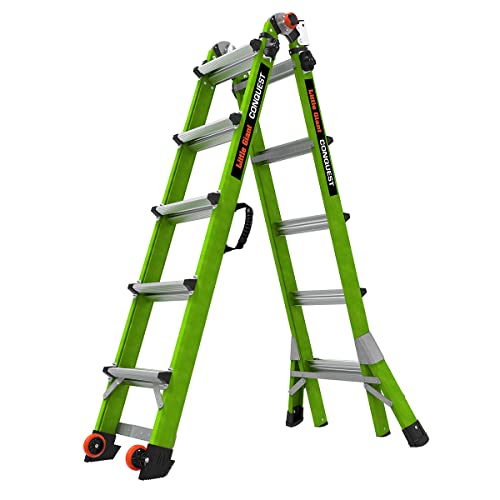

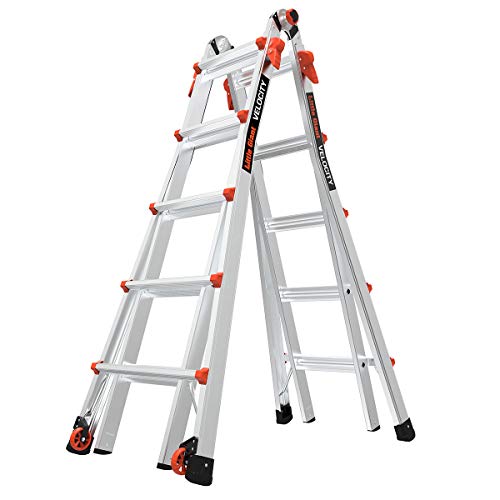

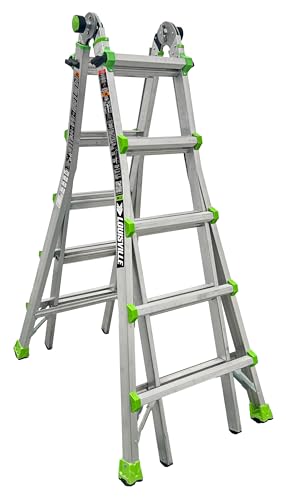

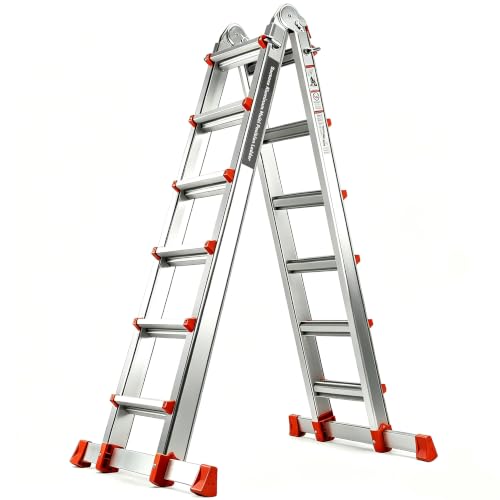
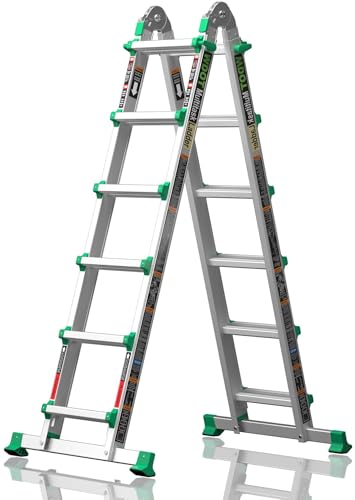
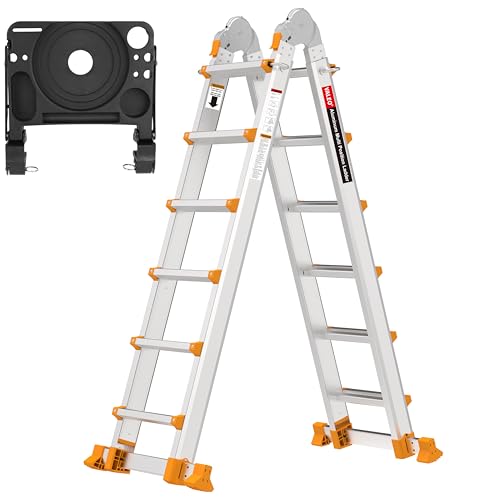
Who Should Buy Which 22 ft Ladder?
At this size you will meet three formats: extension ladders, multi position ladders, and tall step ladders. Your roof height, storage space, and comfort with weight should decide.
Owners of Two Story Homes Doing Gutters and Paint
A two story eave usually sits about 18 to 20 feet up, which puts gutter cleaning, painting, and holiday lights squarely in 22 ft territory. An extension ladder gives the steadiest lean against the house and the lightest carry for its reach. Our general guide to the best ladder covers the shorter sizes for single story work. Choose extension if the ladder lives in the garage and comes out for the house, and add a standoff stabilizer to protect gutters and widen your stance at the top.
Homeowners Who Want One Ladder for Every Job
A multi position ladder folds into a step ladder, an extension ladder, a stairway ladder, and a scaffold base, and its 22 ft rating refers to extension reach. That versatility suits owners with one storage corner and many odd jobs, from pruning to changing a tall foyer fixture. The cost is weight: these are the heaviest ladders in their class. If most of your work is routine home upkeep, our guide to the best ladder for home use compares lighter options before you commit to the heavyweight.
Rural and Acreage Owners With Barns and Trees
Outbuildings, tall hedges, and orchard style pruning demand reach on uneven ground. A 22 ft extension ladder with leg levelers, or a multi position ladder that sets one side longer on a slope, handles ground that defeats a standard ladder. Fiberglass rails suit properties where the ladder may come near service lines. If access rather than height is your storage problem, our guide to the best telescoping ladder covers compact designs, though telescoping models rarely reach a true 22 ft working class.
Key Features to Compare
What 22 ft Actually Means
On an extension ladder, 22 ft is the full extended length of the rails, and you lose several feet in practice: the sections overlap, the ladder leans at an angle, and you must not stand on the top three rungs, so your hands reach roughly 21 to 22 feet while your feet stay lower. On a multi position ladder, 22 ft is a stated maximum reach, roughly the point a person of average height can touch with the ladder fully extended. On packaging, look for the working height or reach figure, and match it to your eave height plus a margin, not to the headline number alone.
Duty Rating: Type I, IA, and IAA
Duty rating is the total load the ladder is built to carry, counting you, your clothes, and everything in your hands and tool belt. Type II holds 225 pounds, Type I holds 250, Type IA holds 300, and Type IAA holds 375. Many homeowners plus a bucket of paint or a bundle of shingles pass 250 pounds without noticing, which makes Type IA the sensible default at this size. The rating is printed on a side rail label. Never treat it as a suggestion: an overloaded ladder can buckle at the rung locks without warning.
Fiberglass Versus Aluminum Rails
Fiberglass rails do not conduct electricity, which makes them the safer choice anywhere near overhead lines or outdoor outlets, and they shrug off weather without corrosion. Their price is weight: a fiberglass 22 ft ladder can weigh half again as much as the aluminum version, and that matters when one person carries it around the house. Aluminum is light, cheap, and strong, but it conducts electricity and dents more easily. Most homeowners who work near the service drop or meter should accept the extra pounds and buy fiberglass.
Rungs, Steps, and Standing Comfort
Round rungs are made for leaning ladders you climb briefly, while flat, wide steps spread your weight across the boot and let you stand and work far longer without sore arches. Textured or serrated rung surfaces shed mud and grip in wet conditions, which matters for autumn gutter work. On multi position ladders, check that every configuration locks with a positive click at both hinges and that the steps stay level in extension mode. A rung you cannot trust underfoot makes you tense, and tense climbers make mistakes.
Feet, Stabilizers, and Levelers
The contact points decide how planted the ladder feels. Swivel feet with rubber pads grip concrete and deck boards, and they should flip to a spiked position for soil. A standoff stabilizer at the top widens the support, keeps the rails off your gutters, and gives you room to work at arm's length from the wall. Adjustable leg levelers, standard on some multi position models and sold as add ons for extension ladders, fix the lean caused by sloped yards and driveways. A ladder that rocks at the base will never feel safe at height.
Weight, Storage Length, and Moving It
A 22 ft extension ladder stores at about 11 to 12 feet long, which fits along a garage wall but not inside most closets or short truck beds. Multi position ladders fold to roughly 5 to 6 feet, trading compact storage for weights that can reach 40 to 50 pounds. Aluminum extension ladders are the lightest carry at around 30 pounds. Be honest about who will move the ladder: a ladder that takes two people and a struggle to set up will be avoided, borrowed around, or used carelessly when a job cannot wait.
Safe Setup and When to Call a Professional
Place an extension ladder so the base sits one foot out for every four feet of height to the support point, rest the top on a solid surface, and extend it at least three feet above a roof edge you will step onto. Keep three points of contact while climbing, face the ladder, and never lean your belt buckle outside the rails. Inspect rails, locks, and feet before every use, and set up on firm, dry ground only. Never use any ladder near overhead power lines, and keep at least ten feet from them; if your job requires working close to a service drop, on a steep or fragile roof, or at heights where a fall would mean serious injury, hire a professional with the right equipment instead. If you are shopping for attic access rather than outdoor reach, that is a different product entirely, covered in our guide to the best attic ladder.
What 22 ft Ladders Cost
Aluminum extension ladders at this size run about $180 to $280. Fiberglass extension models cost about $250 to $400, with the duty rating and rung design driving the spread. Multi position ladders rated to 22 ft of reach range from about $200 to $350 depending on rating and hinge quality. Accessories like stabilizers and levelers add about $40 to $100, and they are worth budgeting from the start, because most owners buy them after the first wobbly job anyway.
Common Mistakes to Avoid
- Reading 22 ft as the height you can stand at, then finding the ladder short at a two story eave with no margin.
- Standing on the top rungs or the top cap, which removes your handhold and shifts your weight past the ladder's balance point.
- Setting up on soft or sloped ground without levelers, so the ladder leans more with every rung you climb.
- Carrying tools up in your hands instead of a belt or a hoist line, leaving no free hand to grip the rails.
- Using an aluminum ladder near the service drop, where one careless shift can put the rails against a live line.
How to Make Your 22 ft Ladder Last Longer
Store the ladder indoors or under cover, because sun and weather degrade fiberglass resin and dry out rubber feet over time. Wash off mud, paint, and concrete splatter before storage, and check that rung locks and hinges move freely and click into place. Lubricate hinge points on multi position ladders with a dry lubricant so grit does not grind the mechanism. Replace worn feet and damaged rung locks at once, and retire any ladder with a bent rail or cracked rung: repairs cannot restore a rail's rated strength, and a failed ladder gives no second chances.
FAQ
What size ladder do I need for a two story house?
Most two story eaves sit 18 to 20 feet above the ground where the ladder stands, so a ladder with about 22 ft of reach is the usual minimum, and the next size up adds a welcome margin on sloped yards. Measure from the ground at your setup point to the gutter, not from the floor inside, because exterior grade often sits lower. If you must step onto the roof, the ladder needs to extend three feet past the edge, which pushes many homes to a longer ladder.
How high can you reach on a 22 ft ladder?
On an extension ladder of 22 ft, your feet should stay at or below the fourth rung from the top, which puts your hands at roughly 21 to 22 feet when you reach overhead. On a multi position ladder, 22 ft is already the maker's stated reach figure for an average height user. Either way, plan as if your comfortable working zone ends a couple of feet below the headline number, and size up if your target sits right at the limit.
Is a 22 ft ladder worth it for a homeowner?
It is worth it if your home has two story eaves, tall trees, or high interior spaces you maintain yourself, because renting or borrowing at this size is awkward and delivery costs add up. It is not worth it for single story homes, where a shorter, lighter ladder does every job with less wrestling. Many owners find a multi position model worth the premium because the same ladder covers stairs and scaffolding tasks that an extension ladder cannot.
How long does a ladder last?
A well kept aluminum or fiberglass ladder lasts for decades, because there is little to wear beyond feet, locks, and ropes on extension models. Inspect it before each use and after any drop or overload event. Sun exposure slowly weakens fiberglass that lives outdoors, and bent rails or cracked rungs end a ladder's life immediately. Replace worn feet and frayed ropes as they appear, and the frame itself should outlast your need for it.
How do you clean a ladder?
Wash rails and rungs with water and a mild detergent, scrub mud and paint from the rung texture with a stiff brush, and rinse and dry the ladder before storing it. Check hinges, locks, and pulley ropes while you clean, since grime hides cracks and fraying. Avoid solvents on fiberglass, which can attack the resin finish, and never oil the rungs themselves. Clean rungs grip boots better, so this is a safety task as much as a cosmetic one.
Final Thoughts
The best 22 ft ladder is the one whose reach truly covers your eaves, whose duty rating covers you plus your tools, and whose weight you can handle alone without rushing. Compare formats in the product table above, choose fiberglass if power lines are anywhere in your work area, and budget for a stabilizer from day one. Set up slowly, climb carefully, and the ladder will quietly serve your house for decades.


