
Best 4000 Watt Generators: A Buyer Checklist for 2026
Disclosure: We may earn a commission when you buy through links on this page, at no extra cost to you. As an Amazon Associate I earn from qualifying purchases. Learn more

Use a clear checklist to compare the best 4000 watt generators: running watts, clean power, runtime, noise, safety, and the red flags to avoid.
Spec sheets make every generator sound strong, so this guide works from a checklist instead of marketing claims. Each section below names one criterion, explains what good and weak look like, and shows how to score any model against it in a minute or two. Work through the list and the best 4000 watt generators for your situation separate themselves from the rest without any guesswork. The 4000 watt class is a step up in home backup, covering more circuits and bigger pumps than smaller portables.
Bring a written load list as you read, since the checklist only works against your real appliances. The comparison table below lines up the current models in this class so you can score each one as you finish each criterion.

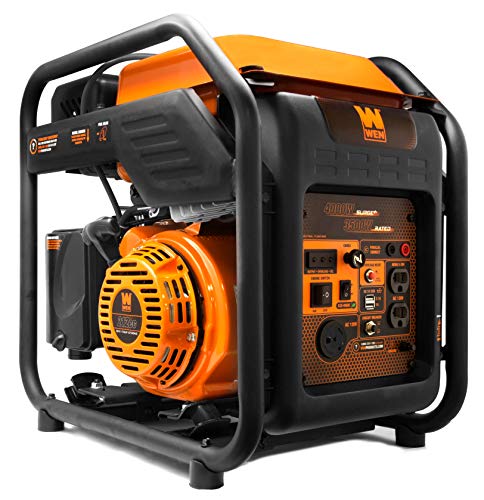
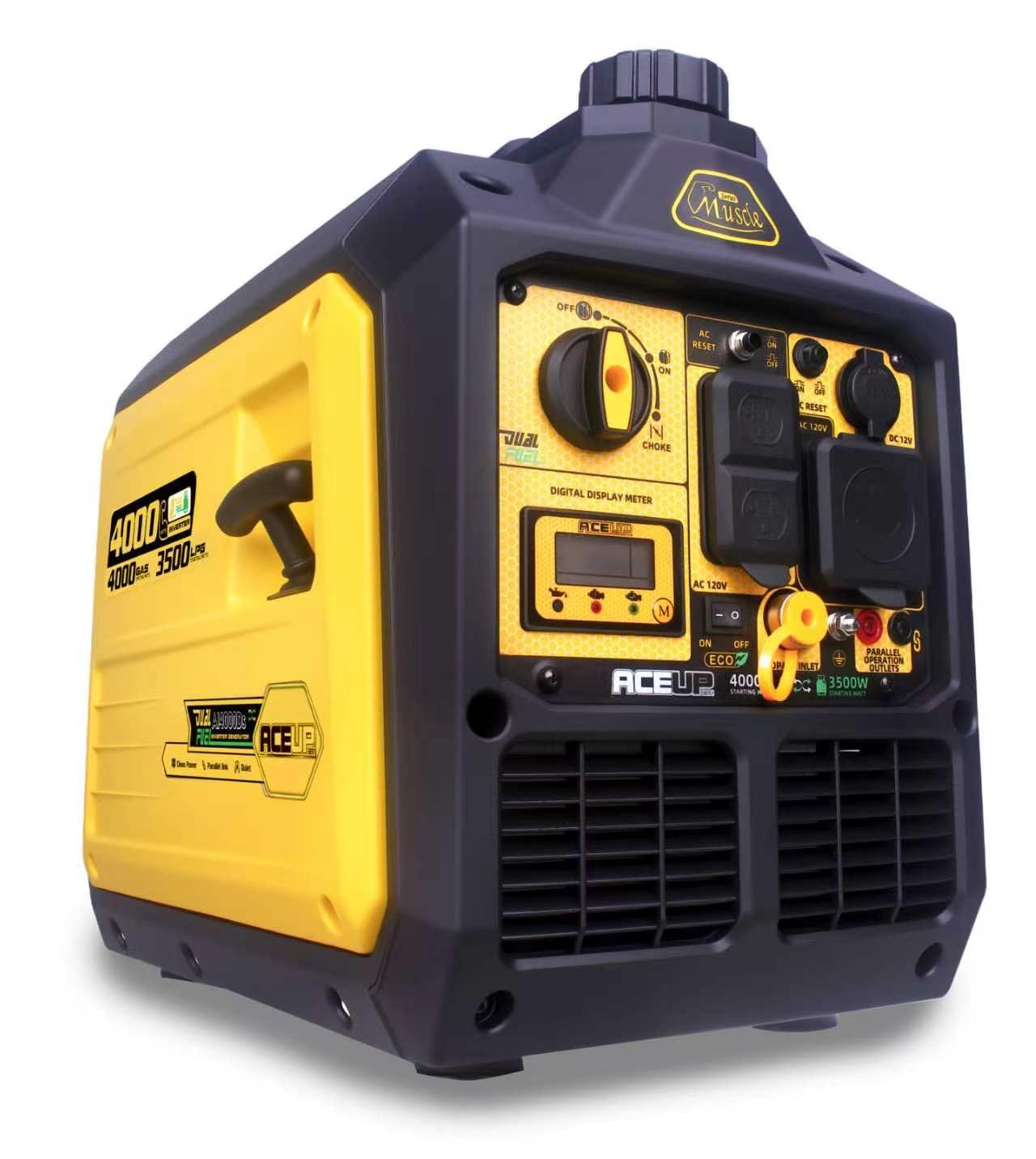


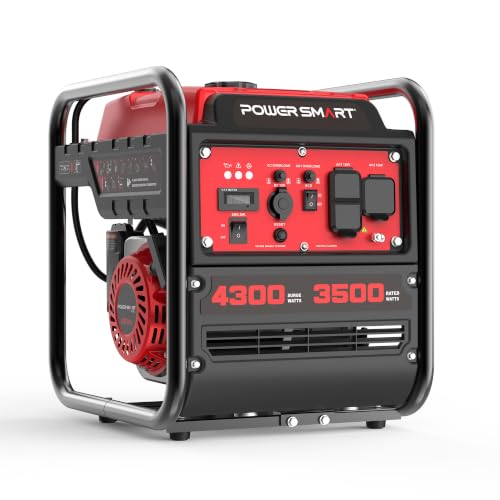

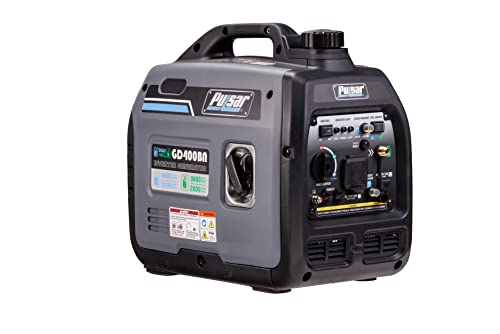

Who Should Buy Which 4000 Watt Generator?
Homeowners Adding a Furnace or Well Pump to the Plan
Crossing from cords to hardwired loads is what moves most buyers into this size class. You need a 240 volt outlet or a transfer switch ready panel connection, plus enough starting watts for the pump motor. Score safety features high on your list, especially a carbon monoxide shutoff. If your load list is only a fridge and lights, save the money and weight, since our guide to the best 1000 watt generators covers that smaller job for light duty users with minimal storage space.
Job Site Crews Running Two Tools at Once
Your checklist starts with durability and outlet count rather than quiet running. An open frame conventional model with a steel roll cage, multiple covered outlets, and a large steel tank suits all day work. Clean power matters less for universal motor tools like saws and drills, so you can trade inverter electronics for a lower price and simpler repairs. Weight still counts, since the unit rides in a truck daily, and a wheel kit with folding handles saves real strain across a season of loading and unloading.
Cabin and Rental Property Owners Who Need Simple Starts
Other people will operate this generator, so your top criteria are easy starting and clear controls. Electric start with a labeled panel beats a cheaper recoil only model when a guest or tenant faces a dark house. Dual fuel operation helps here too, because propane stored on site stays ready for months without going stale. Write a one page start and stop card, tape it near the unit, and choose the model whose panel matches those steps with the fewest extra switches to confuse a nervous operator.
Key Features to Compare
Generator Type and What It Does to Your Score
Four types compete at this size: conventional portable, inverter, standby, and solar power station. Conventional portables score best on price per watt and worst on noise and power cleanliness. Inverter models flip that score, costing more while running quieter with cleaner output. Standby units start automatically but need professional installation and a permanent fuel line, a different budget entirely. Power stations score perfectly on indoor safety and silence yet store limited energy. Decide which column matters most to you first, because no type wins every row of the checklist at once.
Running Watts Versus Starting Watts
Score this row by math, not by the biggest number on the box, which is always the starting figure. Your running total should sit at or below about 80 percent of the rated running watts, leaving room for motor surges. A 4000 watt class machine typically offers about 3500 running watts, enough for a fridge, a sump pump, lights, and a furnace blower in rotation. If two large motors can start in the same second, add both surges to your estimate. Models that print both numbers clearly on the panel earn trust; vague listings that hide the running figure fail this row outright.
Runtime and Fuel Efficiency
Compare runtime only at the same load, since brands quote quarter load or half load figures as they please. At half load, a healthy score for this class is about 8 to 12 hours on one tank of gasoline, which carries you through a night without a cold refuel trip. A fuel gauge and an economy mode both raise the score, because knowing and stretching your fuel matters during a long outage. Propane runtime depends on tank size instead, so score dual fuel models on how easily they swap tanks in the dark with gloves on.
Clean Power Measured by THD
Total harmonic distortion tells you how rough the output is, and your electronics care even if your lights do not. Inverter models hold THD under 3 percent and earn the top score for laptops, TVs, and modern appliances with electronic controls. Conventional models often run above 5 percent, acceptable for tools and simple appliances but a weaker match for a work from home setup. If a listing never mentions THD or sine wave output at all, treat that silence as a low score rather than a neutral one, and keep shopping.
Noise Level and Where You Will Run It
Score noise against your setting, not against an abstract ideal. A rural property tolerates an open frame unit in the high 60s dBA, while a suburban lot with close neighbors rewards the high 50s of an enclosed inverter model. Remember the rating is measured at a partial load from about 23 feet, and real volume climbs as you add appliances. Placement is part of this score too: a model with the exhaust and panel on sensible sides lets you aim noise away from the house while keeping controls reachable.
Portability and Safety Features
At this size most units weigh 90 pounds or more, so wheels and handles stop being extras and become the feature that decides whether one person can deploy the machine. Score flat free tires highly, since a soft pneumatic tire always seems to go flat during storm season. On safety, a carbon monoxide shutoff sensor and low oil shutoff should be non negotiable passes. Bonus points go to covered outlets and a bonded neutral or floating neutral setup that matches how you plan to connect, a detail an electrician can confirm for your panel.
The Buyer Checklist: Turning Specs Into a Decision
Run any candidate through these yes or no questions before you buy. A model that answers yes to the first five and most of the rest deserves your money more than one with a longer feature list and a no on wattage.
- Does the running watt rating cover my written load list with headroom to spare?
- Can it start my largest motor while the other essentials are already running?
- Does the runtime at half load cover a full night on one tank or one propane bottle?
- Is the noise rating acceptable for my lot, my neighbors, and my sleeping rooms?
- Does it include a carbon monoxide shutoff and low oil shutoff?
- Can one person at my home move it from storage to its running spot alone?
- Does the outlet layout match my plan, cords today or a transfer switch later?
- Is the warranty at least two years, with parts and service reachable in my state?
If your answers keep failing on wattage, the honest fix is a larger class, not a hopeful overload. Compare the best 5000 watt generators for a modest step up, the best 8000 watt generators for transfer switch plans with more circuits, or the best 10000 watt generators when large appliances must run together.
Common Mistakes to Avoid
- Scoring a generator on starting watts only, which hides the lower running limit that governs daily use.
- Trusting a runtime claim without checking the load level behind it, so the real tank lasts half as long.
- Ignoring THD because the price looks good, then feeding rough power to electronics that needed clean output.
- Skipping the carbon monoxide sensor to save money, which trades a core safety feature for a small discount.
- Buying a unit too heavy to move alone, so it sits in the garage while the outage happens without it.
- Forgetting the cost of cords, a parallel kit, or an inlet box, which can add a real share to the total.
Care and Maintenance Tips
Keep this size class ready with the same routine you would give a lawn mower engine, only stricter, because it must start on demand. Run it monthly under load for about 20 minutes, change the oil at the manual intervals, and inspect the spark plug and air filter each season. Check tire pressure and wheel bolts while you are there, since a machine this heavy is useless if it cannot roll to its spot.
Store the generator with stabilized fuel or a drained carburetor, the battery charged if it has electric start, and the fuel valve shut. Keep a spare quart of the correct oil and a spare plug on the same shelf. After any long outage run, top up the oil, let the unit cool fully, and note the hours so the next service does not sneak past you during the busy weeks that follow a storm.
FAQ
What size generator does a house need beyond the basics?
A house covering a well pump, a furnace, refrigeration, lights, and a few outlets usually lands in the 4000 to 7500 running watt range. Central air conditioning changes the answer completely and pushes most homes toward much larger machines or a soft start upgrade. The honest method is the load list: add running watts, then add the largest motor surge. If that total sits near 3500 running watts, this class fits. Anything well above it belongs in a larger class from the start.
Can a 4000 watt generator run a refrigerator and a sump pump together?
Yes, that pairing is one of the main reasons this class exists, since the two running loads total well under the limit. The risk moment is both motors starting at once, which is rare but possible after power returns or a breaker reset. Stagger them by plugging the fridge in first and letting its compressor settle. Leave the space heater off the same circuit plan, because one heater consumes the headroom that protects you from that double surge.
How long can a 4000 watt generator run continuously?
Expect about 8 to 12 hours per tank at half load, and you can keep the machine running through a long outage with cooled refueling stops. Check the oil at every stop, since consumption rises under sustained load. Plan a longer rest and an oil change after roughly 100 hours of operation. If the generator will run a rental property or cabin unattended for days, a standby unit with an automatic schedule is the safer tool for that job.
Is an inverter or conventional generator better at 4000 watts?
An inverter model is better when noise, fuel use at partial loads, and clean power for electronics sit atop your checklist. A conventional model is better when the loads are tools and simple appliances and the budget is firm. Weight often decides the tie, since enclosed inverter units in this class can run lighter and roll easier. Neither answer is wrong in the abstract; your checklist scores from the sections above should make the call for your setting.
Does a 4000 watt generator need a transfer switch?
It needs one only for hardwired loads like a furnace, a well pump, or a sump pump wired into the panel. Extension cords handle plug in appliances safely and let you skip the electrician bill. The switch earns its cost the first winter night you power the furnace without running a cord through a cracked window. Whichever route you choose, never backfeed through a dryer outlet or wall socket, since that practice endangers utility crews and violates electrical codes in most areas.
Final Thoughts
Score first on wattage math, then on safety sensors, then on noise and runtime, and the right model usually stands alone. Use the product table above to run the checklist against the current best 4000 watt generators in minutes rather than days, and buy the one that passes your list instead of the one with the loudest claims.


