
Best 1000 Watt Generators at Every Price for 2026: What Your Money Really Gets You
Disclosure: We may earn a commission when you buy through links on this page, at no extra cost to you. As an Amazon Associate I earn from qualifying purchases. Learn more

Compare the best 1000 watt generators by budget, features, and runtime, and learn where spending more actually improves quiet, clean, everyday power.
A 1000 watt generator sounds simple until you see how wide the price range is. Models in this class can differ by hundreds of dollars, yet their headline wattage looks nearly identical. This guide explains the best 1000 watt generators through the lens of budget, so you can see what extra money buys in quiet operation, clean power, runtime, and build quality, and where a basic model already does the job well.
Use the comparison table below to line up running watts, noise ratings, and fuel options side by side. Then work through the price tiers and features in this guide, because at this small size a single smart feature often matters more than a small gap in peak wattage.
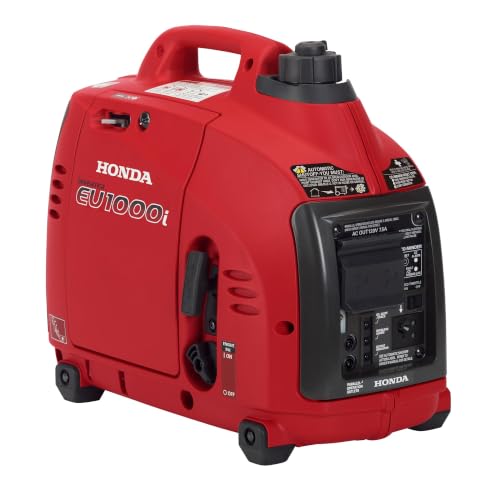
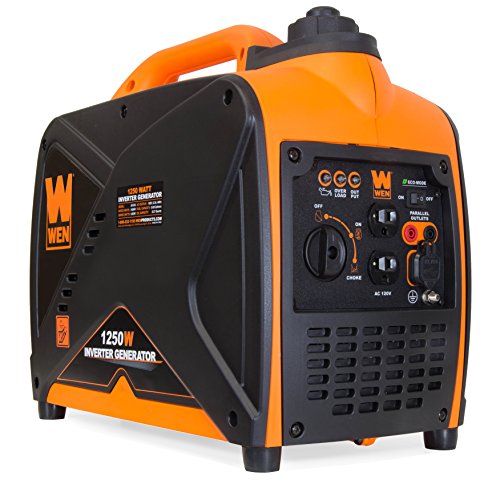


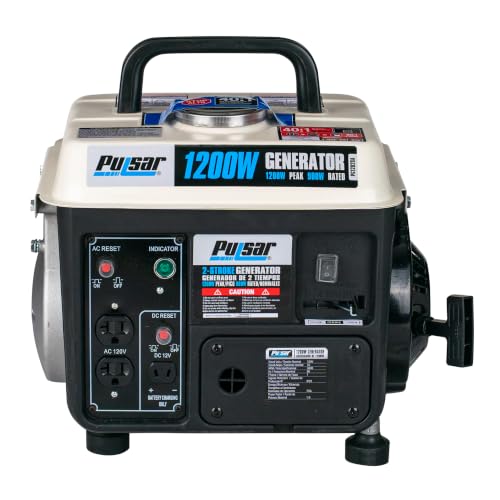

Who Should Buy Which 1000 Watt Generator?
Your loads decide your tier. List the items you truly need during an outage or a trip, add their running watts, and note which ones have a motor that draws a brief surge when it starts.
Campers and Tailgaters Who Value Quiet Power
You need lights, phone chargers, a laptop, and perhaps a small fan or a portable speaker for a weekend outdoors. None of those loads is heavy, but noise shapes the whole experience, since a loud unit annoys your group and nearby campsites. A midrange or premium inverter model suits you best. Look for a low decibel rating at quarter load, an eco mode that slows the engine when demand drops, and enough outlets that you are not swapping plugs all evening.
Apartment and Condo Owners Preparing for Short Outages
You cannot run a large standby system, and you may only need to protect food in the refrigerator and keep phones and a router working. A compact 1000 watt inverter unit stored in a closet or on a balcony fits that narrow job, as long as you run it outdoors and away from windows. Budget and midrange tiers both work here. Spend your money on carbon monoxide shutoff protection and a quiet exhaust rather than on extra peak watts you will rarely draw.
Solo Workers and Vendors With Small Electric Tools
You run a work light, a battery charger for cordless tools, and maybe a small drill charger at a site without power. Your loads cycle on and off, so stable voltage and a sturdy frame matter more than fancy displays. A midrange model with covered outlets and a fuel gauge usually fits best. If your tool list grows toward saws or a small air compressor, this class is too small, and the sizing section below explains when stepping up makes more sense.
Key Features to Compare
Five factors separate a pleasant small generator from a frustrating one. Judge every model against the same five points before you compare prices.
Running Watts Versus Starting Watts
Running watts are what a generator can deliver hour after hour, while starting watts are a brief surge it can supply for a few seconds when a motor kicks on. In this class, expect about 800 to 1000 running watts and a modest surge above that figure. A refrigerator may run on about 100 to 200 watts yet surge to roughly 600 to 800 watts at startup, which nearly fills the whole budget. Add your running loads, then check that the largest motor surge still fits under the starting limit.
Clean Power From an Inverter
An inverter changes raw engine power into a smooth and stable current that suits laptops, phones, televisions, and medical devices such as a CPAP machine. The key measure is total harmonic distortion, often shortened to THD, and inverter models in this class commonly keep it under 3 percent. Conventional small generators can show far higher distortion, which sensitive electronics may not tolerate well. If your load list includes anything with a circuit board or a battery charger, treat inverter output as a requirement, not a luxury.
Fuel Choice and Runtime per Tank
Most models in this class burn gasoline, while some accept propane as a second fuel. Gasoline packs more energy, so a tank of about 0.5 to 1 gallon often delivers roughly 4 to 8 hours at half load, and eco mode can stretch light loads further. Propane stores well for months and burns cleanly, but it usually gives a shorter runtime per container and slightly lower output. Decide which matters more to you, long storage life between outages or the longest runtime from a single fill.
Noise Level at Real Loads
Manufacturers usually quote noise at quarter load, often around 48 to 58 decibels for inverter models in this size range, which is close to normal conversation. That number climbs as you add load, so a unit that seems whisper quiet in a listing can sound busy while powering a refrigerator and lights together. Distance helps a great deal, since moving the generator farther from your seating or sleeping area lowers what you hear. Compare ratings measured at the same load and distance whenever listings allow it.
Outlets, Weight, and Parallel Capability
A useful small unit offers at least two household outlets plus USB ports, so phones can charge without blocking a socket needed for a lamp. Weight matters too, since models range from roughly 25 to 45 pounds and most owners carry the unit by hand. Some inverter models can link with a matching second unit through a parallel kit, which doubles your available power later without replacing the first machine.
What Your Money Gets You at Each Price Tier
Budget models, often around $250 to $400, cover the basics: gasoline power, one or two outlets, and enough output for lights and chargers. Expect louder operation, a smaller tank, and fewer safety sensors at this level. They suit rare and short use, where the generator sits in storage most of the year.
Midrange models, often about $400 to $600, are the sweet spot for most buyers. This tier usually adds true inverter output, eco mode, lower noise, carbon monoxide shutoff, and a better fuel gauge. Runtime per tank improves, and the carry handle and housing feel sturdier in daily handling. If you plan to use the generator several times a year, the comfort and safety gains here are easy to justify.
Premium models, often around $600 and above, refine the same formula rather than changing it. You pay for the quietest operation in the class, lighter materials, longer runtime, a clear display of load and hours, and stronger warranty support. Frequent campers and CPAP users gain the most, since quiet and dependable power matter every night. If your needs later grow, our guide to the best 4000 watt generators shows the next step up.
Sizing Honestly: What 1000 Watts Can and Cannot Do
This class happily runs a refrigerator in cycles, several LED lights, a router, phone and laptop chargers, a television, and a CPAP machine, as long as you stagger the heavy starts. It will struggle or fail with a microwave, a hair dryer, a space heater, a window air conditioner, or a well pump, since each of those can demand the full output or more on its own. Electric resistance heat is the fastest way to overload a small generator.
Do a simple trial on paper before you buy. Write each item and its running watts, add the figures, then add the largest single surge. If the total sits under about 80 percent of the running rating, the generator will work without constant strain. If your honest list lands well above that line, look at our guide to the best 5000 watt generators for outage coverage, or the best 8000 watt generators if you also want to run a window air conditioner and a pump together. Buying one size up is cheaper than owning a small unit that trips its breaker every evening.
Common Mistakes to Avoid
- Judging by starting watts alone: the running rating decides what stays on, so a big surge figure cannot save an undersized pick.
- Plugging in a microwave or space heater: either load can consume the entire output and trip the breaker within seconds.
- Ignoring the quarter load noise rating: a loud unit near a tent or patio quickly becomes the purchase you regret most.
- Skipping carbon monoxide shutoff protection: a model without that sensor leaves a critical safety gap during home outage use.
- Storing gasoline for many months without stabilizer: stale fuel gums the carburetor and turns the first outage into a repair job.
- Running the generator in a garage or near open windows: exhaust can drift indoors and create a deadly carbon monoxide risk.
How to Make Your 1000 Watt Generator Last Longer
Run the generator under a light load for about 20 to 30 minutes every month or two, since regular exercise keeps fuel moving and the battery of your routine fresh in your mind. Change the oil on the schedule in the manual, and check the air filter and spark plug at least once a year. Small engines suffer most from neglect between seasons, not from honest work during an outage.
Before storage, either drain the fuel system or add stabilizer and run the engine briefly so treated fuel reaches the carburetor. Store the unit in a dry place with the fuel valve closed, and keep a small kit beside it: a spare spark plug, oil, a funnel, and the cord you plan to use. When you refuel during use, shut the engine down and let hot parts cool first, because spilled gasoline on a hot exhaust is a fire risk you can fully prevent with two patient minutes.
FAQ
How long can a 1000 watt generator run continuously?
A 1000 watt generator can usually run for about 4 to 8 hours on one tank at half load before it needs fuel. Runtime depends on tank size and load, and light loads in eco mode can stretch further. During a long outage, plan refueling breaks that also let you check the oil level, since many small engines ask for an oil check after extended continuous running.
Can a 1000 watt generator run a refrigerator safely?
Yes, most household refrigerators run safely on a 1000 watt inverter generator. The compressor surge is the tight moment, so start the refrigerator first while other loads are off, then add lights and chargers once it settles. Keep the doors closed as much as you can during the outage, because a cold interior holds its temperature for hours and reduces how often the compressor must cycle.
Do I need a transfer switch for a 1000 watt generator?
No, most owners of a 1000 watt generator do not need a transfer switch, because this class usually powers items through extension cords. A transfer switch only enters the picture when a generator feeds house circuits through the panel, which suits larger units. If you later move up in size, our guide to the best 10000 watt generators explains the panel connection options that larger home backup setups typically use.
Is a dual fuel model worth the extra cost at this size?
A dual fuel model is worth the extra cost if you store the generator for long gaps between uses. Propane does not go stale the way gasoline does, so the unit is more likely to start after months in a closet or shed. The trade is a slightly lower power output on propane and one more tank to store, which light load users rarely notice in practice.
Can I connect two 1000 watt generators together?
Yes, many inverter models in this class support parallel connection with a matching unit and the correct kit. Linking two units doubles your running watts and lets you start with one machine now and expand later. Both generators must be compatible models, and the kit must match the brand, so confirm the pairing in the manual before you count on that upgrade path.
Final Thoughts
Choose by load list first, tier second. If your needs fit inside about 800 running watts, the midrange tier of the best 1000 watt generators gives you quiet inverter power, modern safety sensors, and fair runtime without overspending. Buy the budget tier for rare emergency use, and buy premium when silence at night is the whole point. Compare your shortlist in the product table above, and pick the model whose noise, runtime, and outlets match the routine you actually live.


