
Best 7 Inch Angle Grinders in 2026: A Buying Guide
Disclosure: We may earn a commission when you buy through links on this page, at no extra cost to you. As an Amazon Associate I earn from qualifying purchases. Learn more

Choose the best 7 inch angle grinder with guidance on amps, wheel ratings, cut depth, switch types and when this heavy size beats a smaller grinder.
A 7 inch angle grinder is the heavy end of the grinder family: deeper cuts, faster stock removal, and enough weight that the tool does the work while you guide it. It is also unforgiving of casual technique, which is why this size belongs to welders, concrete workers, and fabricators rather than casual DIY shelves. The best 7 inch angle grinder pairs a 13 to 15 amp motor with the right guard, switch, and vibration control for long grinding sessions.
This guide covers what the 7 inch size does that smaller grinders cannot, the specs that decide safety and pace, and how to tell whether you should step down a size instead. The comparison table below shows how the size classes differ.
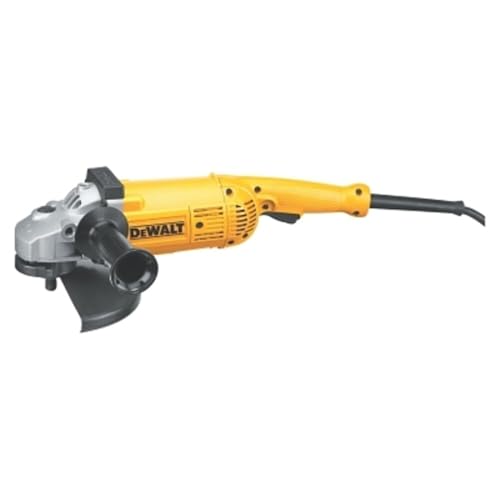
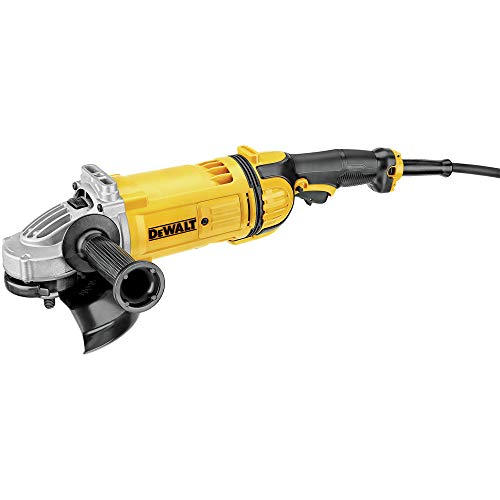
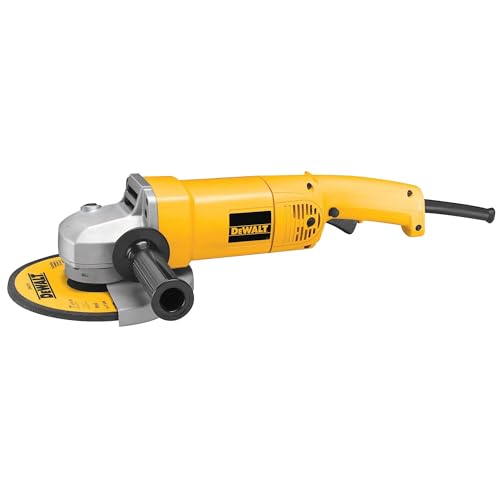


Who Should Buy a 7 Inch Angle Grinder?
The modifier here is size, and size creates specific needs: depth, removal rate, and two handed control. These groups use those traits daily.
Welders and Fabricators Preparing Heavy Steel
You bevel thick plate for full penetration welds, grind out long seams, and clean heavy mill scale, work where a small grinder spends forever and overheats. A 7 inch wheel covers ground quickly, and the tool's mass keeps the wheel planted instead of bouncing across the bevel. For lighter fabrication and general metal duties, the smaller tools in our guide to the best angle grinder for metal are often the better daily choice.
Concrete and Masonry Workers
You cut pavers, score concrete for removal, grind high spots, and tuck point mortar joints. Depth is your deciding factor, since a 7 inch diamond blade reaches about 2 3/8 inches, enough for pavers and most slabs in one pass. Dust control fittings and shrouds in this size class are also more developed, because the work produces serious silica dust.
Metalworkers Cutting Thick Stock
You section heavy angle, channel, and plate where a 4 1/2 inch cutting wheel cannot reach through in one pass. The bigger wheel and higher torque motor hold speed under load, so cuts stay straight instead of wandering as the wheel slows. You accept the weight because the alternative is flipping heavy stock and cutting twice.
Key Features to Compare
Motor Amps and Torque Under Load
Seven inch grinders run 13 to 15 amp corded motors, and the number that matters is speed held under load, not free running RPM. A strong motor keeps a grinding wheel aggressive in a bevel instead of glazing over. Cordless 7 inch models exist only on high voltage platforms and drain large packs quickly, so corded remains the default for this size. Our guide to the best corded angle grinder class covers the corded field in full.
RPM and Wheel Speed Ratings
Large grinders turn slower, typically about 6,000 to 6,600 RPM, and every wheel you fit must be rated at or above the tool's maximum speed. This is a hard safety rule, because an underrated wheel can disintegrate at speed. Check the printed rating on grinding wheels, cutting wheels, and diamond blades before mounting, and never fit a wheel rated for a slower tool class just because the arbor matches.
Wheel and Disc Compatibility
The size earns its keep through its wheels: thick grinding wheels for beveling and stock removal, thin cutting wheels for sectioning, diamond blades for masonry, and cup wheels for surface prep and paint removal. Confirm the guard matches the wheel type, since cutting and grinding guards differ, and look for a tool free guard adjustment that you will actually use when swapping wheels. A spindle lock and a solid flange set make those changes quick on site.
Switch Type and Restart Protection
At this size, switch design is a safety feature. Paddle switches stop the tool the moment your hand leaves the grip, which most safety managers prefer, while trigger and slide switches suit users who lock on for long grinding passes with both hands placed deliberately. Restart protection, which prevents the tool starting when plugged in with the switch on, is worth insisting on, as is an electronic clutch or kickback brake on upper tier models.
Weight, Grip Layout and Vibration
Expect about 10 to 15 pounds with a wheel fitted, plus a rear handle and a side handle that mounts on either side or the top. That mass is useful in the cut and tiring out of it, so anti vibration handles and rubber isolated grips decide how long you can work. If most of your grinding is overhead or at arm length, be honest about fatigue and consider whether a smaller grinder with more passes serves you better.
Is a 7 Inch Angle Grinder the Right Size for You?
Choose 7 inch when you regularly need cut depth beyond about 2 inches, grind large weld areas, or cut concrete and pavers as a core task. The depth advantage is physical: a 7 inch wheel reaches roughly 2 3/8 inches deep, against about 1 inch for a 4 1/2 inch wheel after the flange and guard take their share. Removal rate follows the same logic, with the bigger wheel sweeping far more material per pass.
Step down if your work is mostly cutting thin sheet, grinding small welds, or working overhead and in tight bays, where the weight becomes a hazard rather than an advantage. Many shops run both sizes, using the big grinder at the bench and a compact one everywhere else, and our hub guide to the best angle grinder range maps the sizes against each other. Variable speed models, covered in our look at the best variable speed angle grinder options, add finesse for stainless and surface work if your jobs vary widely.
How Much Should You Expect to Spend?
Serviceable corded 7 inch grinders start around $110 to $150, professional models with better switches, vibration control, and electronics run about $180 to $300, and high voltage cordless kits cost considerably more once batteries are counted. Wheels are a real running cost at this size, so budget for quality grinding and cutting wheels rather than the cheapest multipacks, which wear fast and run out of balance. At this power level, cheap wheels are a false economy and a safety risk.
Common Mistakes to Avoid
- Fitting a wheel rated below the grinder's maximum RPM, risking the wheel breaking apart at full speed.
- Removing the guard to squeeze into a tight corner, exposing yourself to the wheel and to fragments if it fails.
- Using a thin cutting wheel for side grinding, which flexes the disc until it shatters.
- Grinding overhead for long stretches with a tool this heavy, so fatigue loosens your grip and control.
- Skipping eye, face, and hearing protection because the job looks quick, when wheel failures happen without warning.
- Setting a hot grinder down on its wheel or cord, damaging both and creating a trip hazard in the work area.
How to Make Your 7 Inch Angle Grinder Last Longer
Blow dust out of the vents and switch area after concrete work, because abrasive dust destroys bearings and switches faster than anything else in this class. Check the carbon brushes on corded models when power fades, and inspect the cord and strain relief for cuts before each use. Keep the guard hardware and flange set clean so wheels seat flat and run true.
Store wheels flat, dry, and off concrete floors, since moisture weakens bonded abrasive wheels over time, and ring test a grinding wheel by tapping it before mounting if your training covered it. A grinder this powerful rewards a two minute inspection habit, and any tool that vibrates oddly, smells hot, or trips protection repeatedly should be serviced before its next heavy job.
FAQ
How deep can a 7 inch angle grinder cut?
A 7 inch angle grinder cuts about 2 3/8 inches deep in a single pass, once the flange, guard, and motor housing clearance are accounted for. That is enough for pavers, most concrete slabs, and thick plate without flipping the workpiece. Deeper cuts need two passes from opposite sides or a dedicated saw. Cutting depth, more than power, is the honest reason this size exists.
What RPM should a wheel be rated for on a 7 inch grinder?
The wheel must be rated at or above the grinder's maximum speed, which is typically about 6,600 RPM for this size. The rating is printed on the wheel blotter or rim, so check it every time you mount a wheel, including familiar ones, because look alike wheels come in different ratings. Never mount a wheel with a lower rating, even for a quick cut, since overspeed is the main cause of wheel failure.
Is a 7 inch angle grinder too heavy for overhead work?
For sustained overhead work, yes, it is usually too heavy, and fatigue quickly erodes the control this powerful tool demands. Short overhead cuts with both hands and a stable stance are manageable for experienced users. For ceilings, high walls, and long overhead seams, a 4 1/2 or 5 inch grinder is safer and often just as fast in practice, because you can keep working instead of resting your arms.
Can a 7 inch angle grinder cut concrete?
Yes, with a diamond blade, a 7 inch grinder is a standard tool for cutting pavers, scoring slabs, and trimming block, reaching deep enough for most landscape and repair work. Use a dust shroud and extraction or wet cutting where possible, because concrete dust contains silica that harms lungs over time. If you develop persistent breathing problems from dust exposure, talk with a doctor rather than simply working through it.
What safety gear does a 7 inch angle grinder require?
Eye protection plus a face shield, hearing protection, gloves suited to the task, and no loose clothing or jewelry near the wheel. Treat any deep cut, a cut that will not stop bleeding, or an eye injury from a fragment as an emergency and get medical care right away. The guard stays on, the wheel rating gets checked, and both hands stay on the tool whenever it runs.
Final Thoughts
Buy this size for depth and removal rate, and respect it for the same reasons. A strong corded motor, wheels rated for the speed, a switch style that matches your grip habits, and honest weight are the whole decision. Match those well and the best 7 inch angle grinder becomes the hardest working tool at your bench. Compare the classes in the product table above, keep the guard fitted, and let the tool's weight do the pushing.


