
Best Air Compressors for Impact Wrenches in 2026
Disclosure: We may earn a commission when you buy through links on this page, at no extra cost to you. As an Amazon Associate I earn from qualifying purchases. Learn more

Pick the best air compressor for impact wrench use by matching CFM at 90 PSI, tank size and duty cycle to your wrench, with setup and care tips included.
An impact wrench is a sprinter, not a marathon runner. It gulps a large volume of air for a few seconds, rests while you move to the next lug nut, then gulps again. That pattern is why the best air compressor for impact wrench work is rarely the biggest compressor in the store: it is the one whose delivered airflow, tank reserve, and recovery speed match those short, hungry bursts.
This guide explains the three numbers that decide whether your wrench feels strong or tired, CFM at 90 PSI, tank gallons, and duty cycle, plus the hose and fitting details that quietly rob power. Start with the comparison table below, then use the matching section to pair a compressor class with the wrench already in your toolbox.
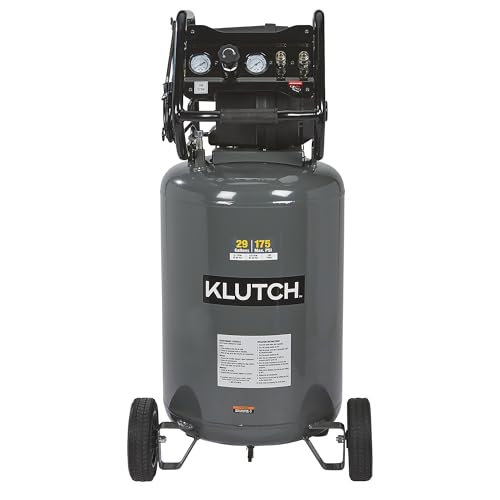


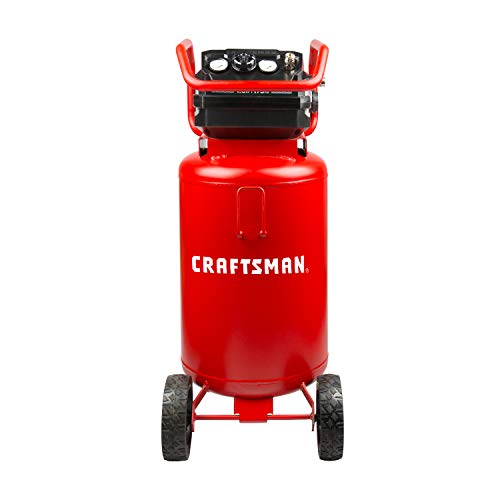

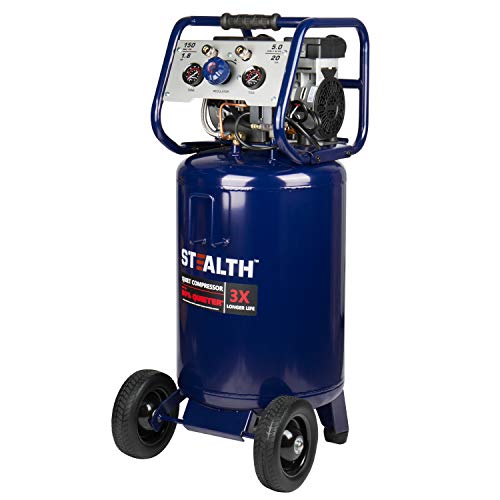


Who Should Buy Which Air Compressor for an Impact Wrench?
Home Mechanics Who Rotate Tires a Few Times a Year
Your wrench works in short sessions: twenty lug nuts, a brake job, the occasional rusted bolt. A 6 gallon pancake or hot dog compressor with at least 2.5 CFM at 90 PSI handles that pace, because the tank refills while you reposition the car or reach for the torque wrench. Portability and quick storage matter more to you than raw capacity, and a lighter unit you can carry to the driveway beats a shop unit you dread moving.
DIYers Who Break Loose Stubborn Fasteners Regularly
Suspension bolts, mower blades, and farm equipment fasteners ask the wrench for longer bursts at full effort. Step up to an 8 to 20 gallon compressor delivering about 4 to 5 CFM at 90 PSI, which keeps pressure from sagging mid bolt. This is also the point where a belt driven, oil lubricated pump pays off in quieter running and longer life, since your sessions are frequent enough to punish a small pump.
Small Shop and Fleet Users Running the Wrench All Day
Repeated vehicles and equipment work turn burst use into near continuous demand. A 20 to 60 gallon stationary compressor with 5 or more CFM at 90 PSI and a high duty cycle keeps every fastener feeling the same from morning to close. At this level, plan the air system too: a regulator at the drop, a water separator, and hose runs in metal pipe rated for air, never PVC, which can shatter under pressure.
Key Features to Compare
CFM Delivered at 90 PSI
This is the single most important spec for impact work. A typical half inch impact wrench consumes about 4 to 5 CFM at 90 PSI while it runs, and the compressor must replace air at a similar rate or pressure sags with every burst. Manufacturers print SCFM ratings on the box, so compare those numbers at 90 PSI specifically, not the flattering figures sometimes quoted at lower pressures. A modest margin above your wrench rating keeps the tool at full torque through the last lug nut.
Tank Size and Burst Reserve
The tank is a battery for air. It lets a smaller pump serve a thirsty tool in bursts, because stored air covers the gap between what the wrench drinks and what the pump makes. Six gallons works for tire rotations with pauses, while 20 gallons or more smooths back to back fasteners and lets the pump rest between cycles. Bigger tanks also mean fewer start stop cycles, which is easier on the motor. Judge tank size by your longest unbroken burst, not by garage bragging rights.
Maximum Pressure and Regulator Control
Most impact wrenches are rated at 90 PSI working pressure, so a compressor that tops out at 125 to 150 PSI gives the regulator headroom to hold a steady 90 at the tool while the tank drains and refills. Set the regulator with the trigger pulled, because pressure shown at rest always reads higher than pressure under flow. A second gauge at the tank helps you see the reserve you are working with. Steady pressure, not peak pressure, is what breaks a rusted lug nut loose.
Duty Cycle and Pump Type
Duty cycle tells you how long the pump can run in each ten minute window without overheating, and small oil free pumps often rate near 50 percent. Occasional wrench work never tests that limit, but a wheel service session for the whole neighborhood can. Oil lubricated pumps run cooler and quieter and usually last longer, at the cost of oil checks and changes. Oil free pumps ask for nothing and suit light users perfectly. Match the pump to your honest session length.
Hose Diameter and Fitting Flow
Air starves at the narrowest point, and on many home setups that point is a skinny 1/4 inch hose or restrictive couplers. A 3/8 inch hose keeps pressure drop low over typical garage runs, and high flow fittings open the path further. Keep the hose as short as the work allows, since every extra coil costs pressure before the air reaches the wrench. Many weak wrench complaints vanish with a hose upgrade that costs far less than a bigger compressor.
Matching the Compressor to Your Impact Wrench
Start at the wrench, not the compressor shelf. Find its air consumption rating in the manual or on the tool, stated in CFM at 90 PSI, then choose a compressor whose SCFM at 90 PSI meets or slightly beats that figure. Next, think about your longest burst sequence, like twenty lug nuts in a row, and size the tank so pressure stays in the working band through it. Finish with placement: our guide to the best air compressor for home garage setups covers noise, power circuits, and where a compressor should live.
Portability changes the math for some buyers. Battery powered compressors trade capacity for freedom from cords, and the stronger ones can top up tires and run small tools in short bursts. Our look at the best cordless air compressor models explains where they fit. For a half inch impact wrench doing real lug nut work, though, a corded tank compressor remains the dependable choice, because sustained airflow is exactly what batteries struggle to deliver.
Common Mistakes to Avoid
- Shopping by tank gallons alone, then discovering the small pump cannot replace air as fast as the wrench uses it.
- Running the wrench on a long 1/4 inch hose, which strangles airflow and makes a strong tool feel weak.
- Setting the regulator to 90 PSI with no air flowing, so working pressure at the tool drops far below the rating.
- Never draining the tank, so water collects inside, rusts the steel, and sprays moisture into the wrench.
- Ignoring the duty cycle during a long session, which overheats a small oil free pump and shortens its life.
- Building shop air lines from PVC pipe, a material that can burst into sharp fragments under air pressure.
How to Make Your Air Compressor Last Longer
Drain the tank after every working day, or at minimum after every session of wrench use. Crack the drain valve, let the hiss carry the condensed water out, and leave the valve open during storage in humid climates. This single habit prevents the internal rust that kills more home compressors than worn pumps do. While you are there, pull the ring on the safety valve briefly to confirm it still moves freely.
Oil lubricated models need an oil level check monthly and an oil change on the schedule in the manual, usually once or twice a year for home use. Clean or replace the intake filter when it looks loaded, because a starved pump runs hot. Keep a few drops of air tool oil in the wrench itself as well: dry vanes inside the tool waste the air your compressor worked to make. For a broader shortlist by size and class, see our roundup of the best air compressor options for home and shop.
FAQ
How many CFM does an impact wrench need from an air compressor?
A typical half inch impact wrench needs about 4 to 5 CFM at 90 PSI while running, and a compact 3/8 inch wrench needs closer to 3 CFM. Because the wrench runs in bursts, a compressor rated slightly below that figure can still work for a few lug nuts before pressure fades. For full strength through a whole wheel, match or exceed the rating. The consumption figure is printed in the wrench manual and often on the tool body. That is why the best air compressor for impact wrench use is chosen by delivered airflow rather than by tank size alone.
Can a pancake compressor run an impact wrench?
Yes, for light work, and this surprises many owners. A 6 gallon pancake with around 2.5 to 3 CFM at 90 PSI will spin off car lug nuts in short bursts, pausing to rebuild pressure between wheels. It will struggle with rusted truck lugs or long sessions, where the pump runs almost nonstop. Our comparison of the best pancake air compressor models shows which small units recover fastest between bursts.
Why does an impact wrench feel weak on a small compressor?
Usually the wrench is starved, not broken. Pressure at the tool falls when the pump cannot replace air quickly, and long or narrow hoses add their own pressure drop on top. Check the regulator setting under flow, shorten the hose or move up to 3/8 inch, and confirm the tank gauge starts near maximum. If the wrench still feels weak on a known strong air supply, its vanes may be worn or dry.
What size air compressor tank works best for lug nuts?
Six gallons is the practical minimum for passenger car tire work, giving you a full wheel of bursts before the pump must catch up. Twenty gallons is the comfortable size for trucks, trailers, and back to back vehicles, because pressure stays steadier through longer sequences. Beyond that, tank size matters less than pump output. Buyers torn between sizes should weigh how often two vehicles get serviced in one session.
How long does an air compressor last in home garage use?
An oil free home compressor commonly serves 5 to 10 years of weekend use, while an oil lubricated, belt driven unit can run 15 years or more with oil changes and filter care. Tank rust is the usual end of life event, which is why draining matters so much. Pumps and motors are replaceable on better brands, so a mid life repair often makes sense instead of a full replacement.
Final Thoughts
Match CFM at 90 PSI to your wrench first, pick a tank that covers your longest burst sequence, and give the air a wide, short path through a 3/8 inch hose. Those three decisions matter more than brand or peak horsepower claims. The product table above lines up the current candidates by class, so check delivered airflow and duty cycle against your wrench before ordering. Get the pairing right and the best air compressor for impact wrench work simply makes every lug nut feel easy.


