
Best Air Compressors Under $400 (2026): Built for Real Projects
Disclosure: We may earn a commission when you buy through links on this page, at no extra cost to you. As an Amazon Associate I earn from qualifying purchases. Learn more

Shopping for the best air compressor under 400 dollars? Compare tank size, airflow, noise, and pump type so your budget covers real shop projects.
A mid sized shop project has a way of exposing a weak compressor. The framing nailer starts to lag, the impact wrench stalls on a lug nut, and you spend more time waiting on the tank than working. Most buyers searching for the best air compressor under 400 dollars want one machine that handles that whole list without jumping to industrial prices.
At this budget you move past entry level inflators into compressors with real airflow, quieter pumps, and tanks sized for tools instead of just tires. This guide explains how to read the specs that matter, which sizes fit which jobs, and where the money in this price range is well spent. The comparison table below puts the key specs side by side so you can match a machine to your project list.
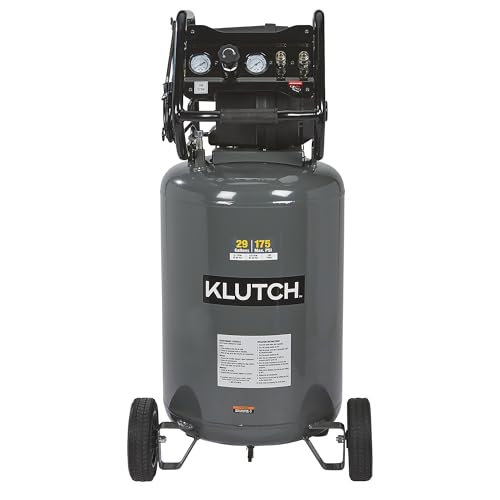


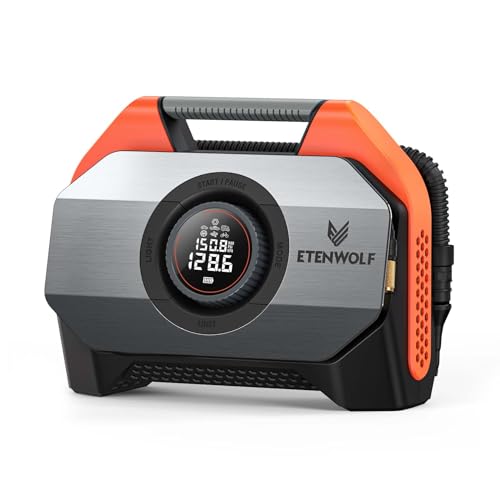
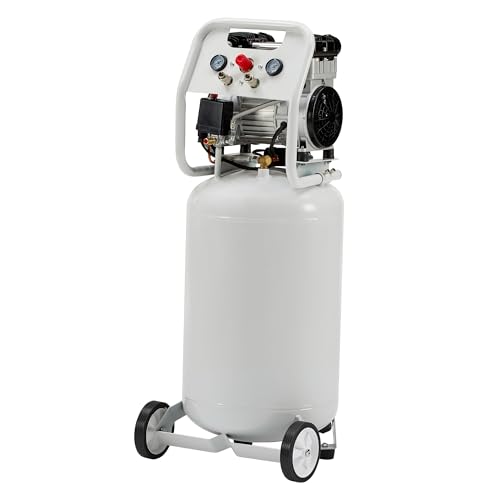


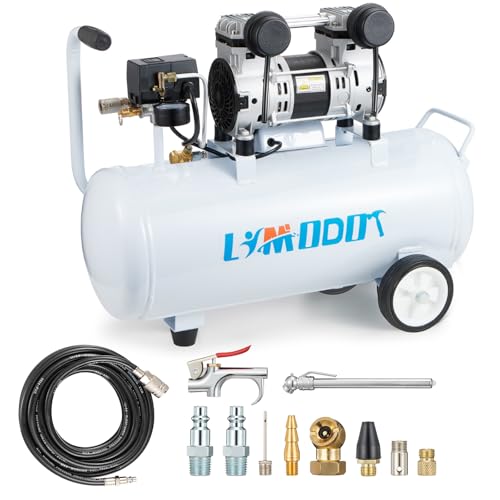
Who Should Buy Which Air Compressor Under $400?
The under $400 shelf holds several distinct machine types, and the right one depends on the tools you run most. Start from your heaviest regular job, then check that the compressor covers it with room to spare.
Home garage owners who rotate between projects
If your compressor inflates tires one weekend, drives a brad nailer for trim the next, and blows dust off the bench in between, a 6 to 20 gallon oil free unit fits well. Look at our roundup of the best air compressor for home garage use if the machine will live in one spot and serve the whole household. Moderate airflow around 4 CFM at 90 PSI and a tank you can still move by hand cover this mixed workload without strain.
DIY mechanics who run impact tools
Impact wrenches, ratchets, and die grinders drink air in long pulls, so your priority is tank reserve plus recovery speed. A 20 to 30 gallon tank with at least 5 CFM at 90 PSI keeps lug nut work moving without constant pauses. You will also want a regulator that holds pressure steady while the motor cycles, because a sagging line makes an impact wrench feel far weaker than it is.
Woodworkers who need quiet air indoors
Finish nailers and pin nailers sip air, so your deciding factor is noise rather than output. Quiet compressors in this budget run around 60 to 70 decibels, close to normal conversation, which matters in a basement shop or an attached garage. An oil lubricated pump or a low speed oil free pump keeps the sound down, and a smaller tank is fine because your tools rarely draw the tank down.
Key Features to Compare
Airflow in CFM at 90 PSI
CFM, or cubic feet per minute, tells you how much air the pump delivers while tools are running, and the 90 PSI rating is the number to compare because most shop tools are rated there. Nailers need only 2 to 3 CFM in short bursts, while impact wrenches need 4 to 5 CFM and sanders can demand 8 CFM or more. Choose a compressor rated at least 1 to 2 CFM above your greediest tool so the motor is not running flat out all day.
Tank size and maximum pressure
The tank is a reserve that smooths out demand, so a bigger tank means fewer motor starts and steadier pressure at the tool. Compact pancake tanks hold about 6 gallons and suit nailers, and our guide to the best pancake air compressor explains that format in detail. Higher max pressure, such as 200 PSI instead of 150 PSI, stores more usable air in the same tank, which is a quiet way this budget buys you extra runtime.
Oil lubricated vs oil free pumps
Oil free pumps use coated cylinders that need no oil changes, start easily in cold weather, and can sit at any angle, which is why most portable units use them. Oil lubricated pumps run cooler and quieter and usually last longer under daily use, but they need periodic oil checks and must stay level. At this price, casual users are usually happier oil free, while anyone running the machine most days should weigh the longer service life of an oil lubricated pump.
Noise level and duty cycle
Noise ratings in this class range from about 60 decibels for quiet models to 80 decibels or more for standard oil free units, and that gap is the difference between talking over the machine and shouting. Duty cycle tells you what share of the time the pump can run, often 50 to 75 percent on better units here. A compressor with a modest duty cycle forced to feed a hungry tool will overheat and shut down, so match the cycle rating to how continuous your work is.
Power source and portability
Most compressors at this price plug into a standard 120 volt outlet and draw around 12 to 15 amps, so a shared circuit with other big loads can trip a breaker. Weight runs from under 40 pounds for small portables to over 100 pounds for 30 gallon shop units, and wheels plus a handle matter more than raw pounds. Battery powered options exist now too, and the best cordless air compressor models suit trim work away from outlets, though they cannot match corded airflow.
Matching Compressor Size to Your Tools
Before you buy, list every tool you plan to run and find its air requirement on the tool label or manual, stated in CFM at 90 PSI. Add up only the tools that run at the same moment, then pick a compressor that beats that total. Intermittent tools like nailers fire in bursts and rest between shots, so they forgive a smaller tank, while continuous tools like sanders and grinders never let the pump rest and expose weak airflow fast. Our main guide to the best air compressor walks through full sizing charts if your tool list is long. One practical habit helps any size work better: use the shortest hose that reaches the job, because long thin hoses drop pressure before the air ever reaches the tool.
What Around $400 Buys, and What It Does Not
In the lower part of this range, about $250 to $320, you typically get a 20 to 30 gallon oil free compressor with airflow near 5 CFM, a fair match for nailers and light mechanic work. Closer to $400, the gains are quieter pumps, higher max pressure, faster recovery, and sturdier parts like metal air filters and ball valve drains. In short, the best air compressor under 400 dollars is a strong generalist rather than a specialist. What this budget does not buy is a two stage industrial pump or a 60 gallon stationary unit for a full paint booth, and it will not run a large sandblasting cabinet. Spending the difference on a good hose and quality fittings often improves daily use more than a small spec bump would.
Common Mistakes to Avoid
- Buying by tank size alone. A big tank on a weak pump still starves continuous tools once the reserve runs out.
- Reading CFM at the wrong pressure. The CFM at 40 PSI looks bigger on the box but does not reflect how the machine feeds tools rated at 90 PSI.
- Ignoring noise ratings in a home shop. An 80 decibel unit in a small garage becomes the reason projects get cut short.
- Skipping the drain habit from day one. Water left sitting in the tank rusts it from the inside and shortens its life.
- Running a hungry tool on a long thin hose. Pressure drop in the line makes a capable compressor feel underpowered.
How to Make Your Air Compressor Last Longer
Open the drain valve after each work session and let the moisture out, since condensed water is the main cause of tank rust. Keep the intake filter clean and replace it when it looks loaded, because a choked filter makes the pump work harder and run hotter. If your pump uses oil, check the level monthly and change it on the schedule in the manual. Store the machine indoors where temperatures stay moderate, and release tank pressure before long storage so seals are not under constant load. Finally, snug up fittings and check hoses for cracks each season, since small leaks force extra run time that wears the pump.
FAQ
How much CFM does a framing nailer need from a compressor under $400?
A framing nailer typically needs about 2 to 3 CFM at 90 PSI, delivered in short bursts as you fire. Almost any compressor in this budget covers that, and the spec that matters more is recovery time between bursts. One detail buyers miss is altitude: at high elevations the pump moves thinner air, so output drops and a small margin above the tool rating keeps nailing speed steady.
Can an air compressor under $400 run an impact wrench for lug nuts?
Yes, as long as it delivers about 5 CFM at 90 PSI with a tank of 20 gallons or more to buffer the long pulls. The weak point is often the hose rather than the compressor. A 3/8 inch hose with high flow couplers passes noticeably more air than a thin 1/4 inch line, and that difference decides whether stubborn lug nuts break loose or stall the wrench.
Are oil free compressors under $400 always loud?
No, because noise comes mostly from pump speed and intake design rather than the oil free layout itself. Quiet models slow the pump down and use larger cylinders, landing near 60 to 70 decibels, while standard units spin fast and reach 80 decibels. If you plan to work early mornings in an attached garage, treat the decibel rating as a primary spec, not a footnote.
Can a compressor under $400 spray paint on a car?
It can handle small panels and touch up work, but full car spraying is usually beyond this class because HVLP guns want high airflow at low pressure for long, unbroken passes. A mid sized compressor will empty its reserve mid panel, and the pause leaves visible bands in the finish. For occasional primer on a fender it is fine; for whole vehicle paint, rent time in a booth or step up to a much larger stationary machine.
Should you buy an extended warranty on a compressor in this price range?
It depends on how hard the machine will work. For weekend use, the standard warranty plus basic care is usually enough, because pumps in this class rarely wear out quickly at low hours. If the compressor will run daily for a side business, a plan that covers the motor and pressure switch can pay for itself with one repair, since labor often costs more than the parts.
Final Thoughts
The right choice comes down to your greediest tool, your tolerance for noise, and how often the machine will run. Match airflow to that tool with a margin, pick a tank you can live with moving, and spend what is left on a good hose and fittings. With those pieces in place, the best air compressor under 400 dollars for your shop is simply the one whose specs cover your project list without strain. Compare the finalists in the product table above before you order.


