
Best Black and Decker Leaf Blower for 2026: Sweepers, Blowers and Blower Vacs
Disclosure: We may earn a commission when you buy through links on this page, at no extra cost to you. As an Amazon Associate I earn from qualifying purchases. Learn more

Sort the best black and decker leaf blower lineup by format and power source, from hard surface sweepers to corded blower vacuum models for leaves.
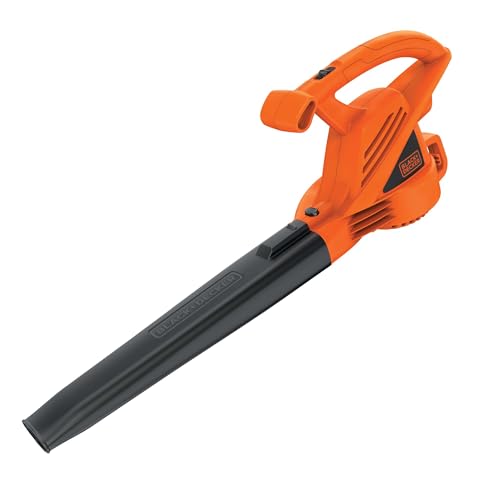
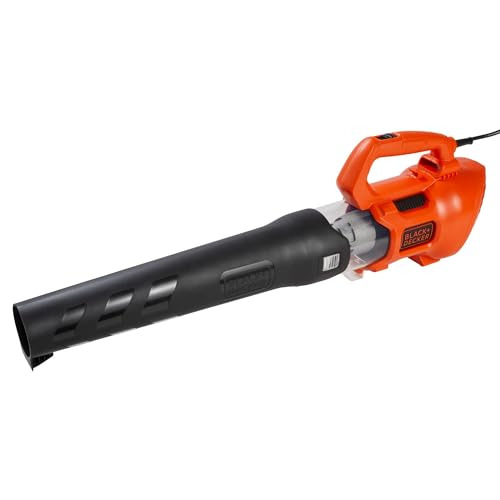
Black and Decker uses the words sweeper and blower for two different jobs, and understanding that split is the key to its whole leaf lineup. Sweepers are light cordless tools built for hard surfaces, while the corded blowers and blower vacs do the heavier leaf work. Shoppers who miss that distinction end up disappointed in both directions. The best black and decker leaf blower for your home depends first on which of those jobs you actually have. The product table covers these formats so the split is easy to see.
This guide explains the three formats in the range, the battery platforms behind the cordless models, and the corded blower vacuum line that handles fall leaves and mulching in one tool. No rankings, just a clear map of a lineup that rewards buyers who read the format before the specs.



Who Should Buy Which Black and Decker Leaf Blower?
Homeowners Who Only Clear Hard Surfaces
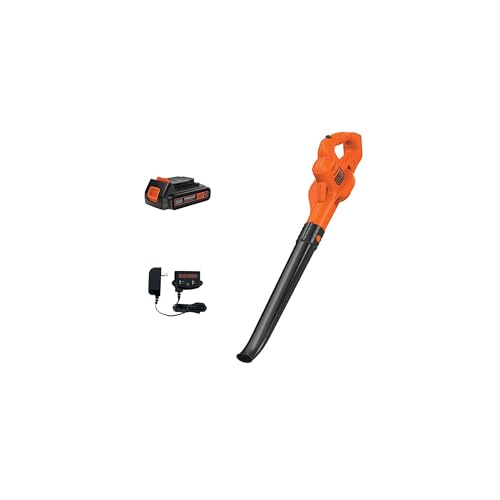
If your leaf work is a driveway, a porch, a patio and a garage floor, the cordless sweepers in this range were designed for you. They are light, quiet for the class and ready in seconds, with airflow sized for dry leaves and clippings on pavement rather than piles on grass. Owners who sweep after every mow, rather than battling deep fall layers, get the most from this format, and its low price and small storage footprint suit condos and townhouses especially well.
Households Already Using 20V MAX Batteries
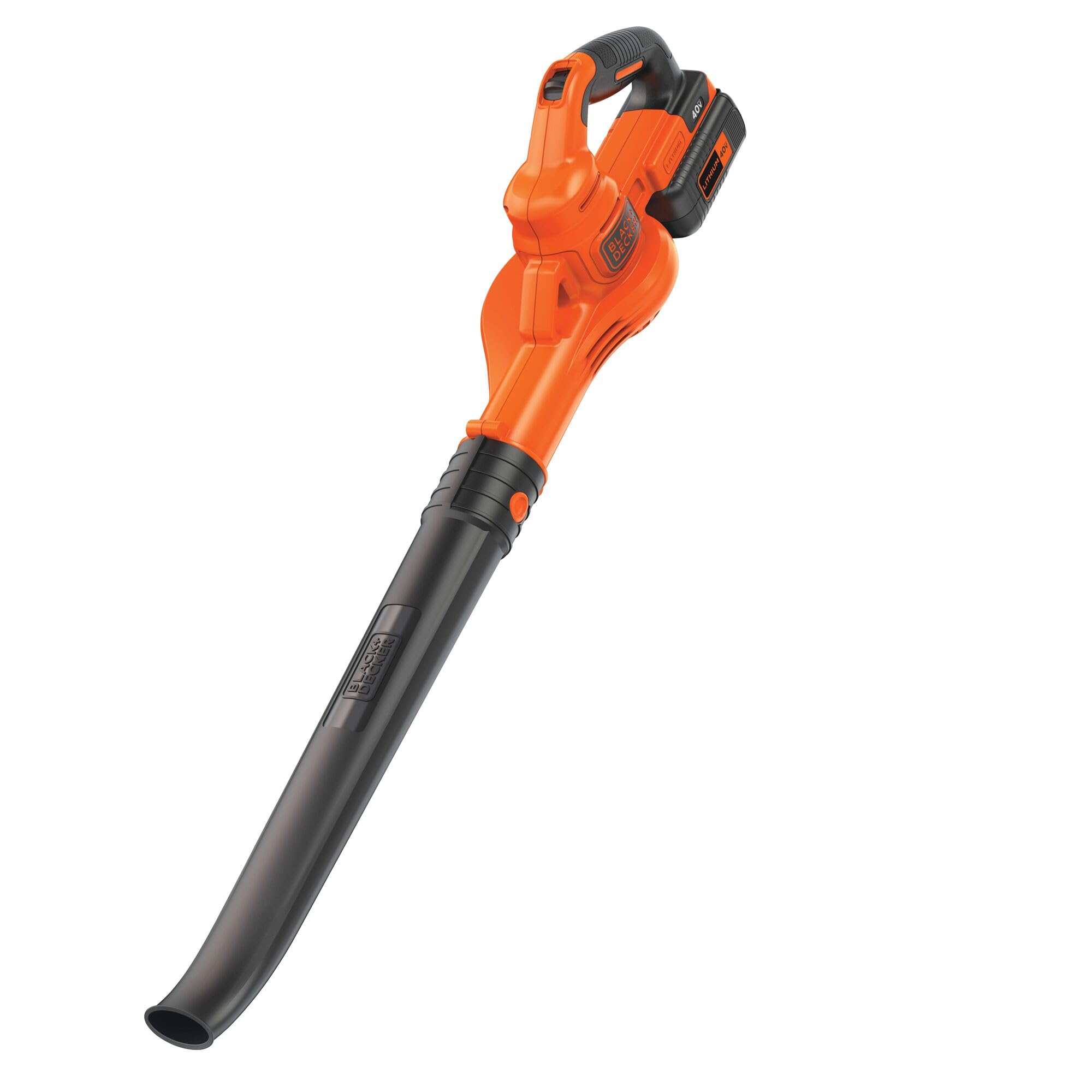
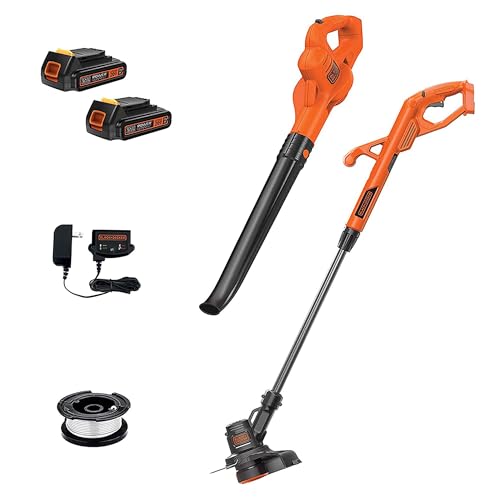
The brand cordless tools share the 20V MAX battery family with its drills and yard tools, and the stronger leaf models step up to 40V MAX packs. A household with several 20V MAX packs already in the garage can add a sweeper or a mid range blower as a bare tool at a modest cost. Battery sharing is the strongest argument for this brand: one shelf of packs runs the drill, the trimmer and the blower, and no tool sits idle waiting for its own charger.
Owners Who Want Blowing, Vacuuming and Mulching in One Tool
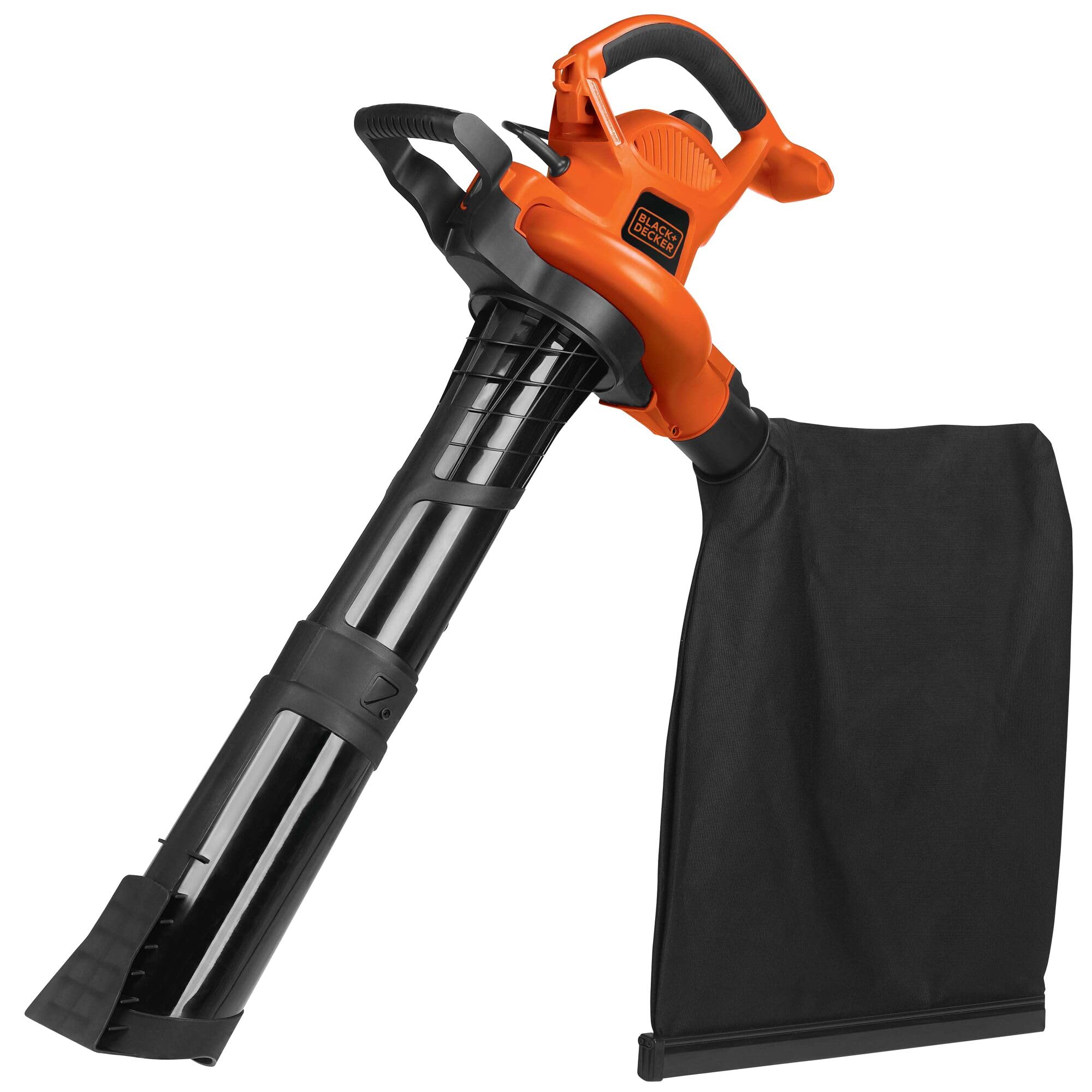
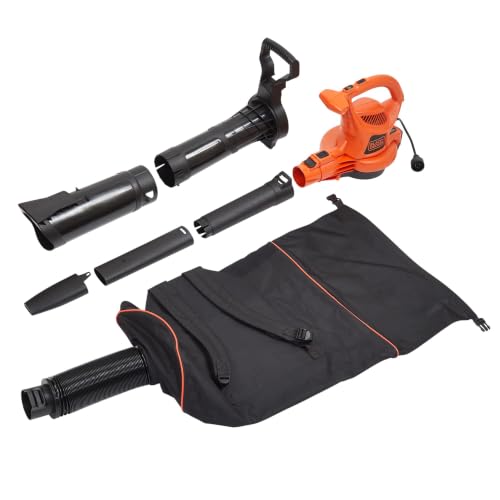
The corded blower vacuum models are the workhorses of the range: they blow leaves into piles, vacuum them up and shred them into a collection bag. Owners of small to mid size yards with real fall leaf fall, especially those whose towns charge by the bag, get the most from this format. The cord limits range, but the steady power, the mulching impeller and the low purchase price make these the most capable leaf tools the brand sells.
Key Features to Compare
Sweeper Versus Blower: Airflow Honesty
The naming tells the truth if you let it. Sweepers in this lineup move roughly 100 to 130 CFM, enough for dry debris on hard surfaces and nothing more. The cordless blowers above them and the corded models move far more air and can work leaves on grass. Never judge by MPH alone, since sweepers post high speed numbers with tiny air volume. Our wider guide to the best leaf blower range explains the CFM and MPH relationship in full, and it is the first thing to check whenever a small tool promises big performance.
Battery Platforms: 20V MAX and 40V MAX
Within the cordless side, the 20V MAX platform powers the sweepers and lighter blowers, while 40V MAX models bring the airflow needed for lawn work. Packs do not interchange between the two voltages, so choose by job: hard surfaces only means 20V is enough, while any real lawn leaf work argues for 40V from the start. Compare your options against our roundup of the best battery leaf blower models to see how these platforms stack up on runtime, since manufacturer figures assume gentle speeds that fall cleanup rarely uses.
The Corded Blower Vacuum and Its Mulching Impeller
The flagship corded format in this range blows, vacuums and mulches through one motor and a shredding impeller, with a bag that collects the reduced leaves. Reduction performance suits bagging and compost, and the impeller design on the stronger models handles twigs better than the lightest versions. Corded power means the vacuum never fades during a long session, which matters because shredding under load is the hardest work these tools do. Expect to empty the bag often on leaf heavy days, and treat the bag zipper and strap quality as real buying factors.
Speed Control and the Powerboost Style Button
Several cordless models in the range add a boost button that jumps the motor to full power for stubborn wet clumps, then returns to your set speed. Used well, it saves battery: cruise gently across pavement, boost only where debris sticks. Corded models more often use a dial or two speed switch. For work around mulch and gravel, a genuinely low setting matters more than the top number, so check the lowest speed behavior in store if you can, because a blower that cannot whisper will redecorate your beds.
Weight and Everyday Handling
This brand designs for the homeowner who grabs a tool for ten minutes, and the weights show it: sweepers are among the lightest cordless options anywhere, and even the corded blower vacs stay manageable with the bag on your shoulder. Light weight is a real feature for users with limited strength and for quick jobs where a heavy tool stays in the shed out of dread. The trade is durability and power headroom, which heavier brands sell at higher prices, so match the tool to the hands and the yard honestly.
Choosing the Right Format for Your Leaf Work
Start with the surface. If every leaf you move sits on concrete, stone or decking, a sweeper or light blower covers your year and the blower vac is money spent on capacity you will not touch. If leaves land on lawn and beds, skip the sweeper class entirely and choose between a 40V cordless blower for freedom and the corded blower vac for shredding and steady power.
Then count your outlets and your trees. A compact lot with an outdoor outlet near the work makes the corded format painless and cheap, while a deep lot argues for cordless despite the battery budget. Owners who want the vacuum and mulch path should also read our guide to the best vacuum leaf blower designs, since this brand corded format competes directly with dedicated blower vacs from other makers. And if your home sits close to an outlet, the best electric leaf blower comparisons show how much airflow a cord buys at each amp rating.
Common Mistakes to Avoid
- Buying a sweeper for lawn leaf cleanup, then blaming the brand when 120 CFM cannot move a wet leaf layer.
- Judging any model by its MPH figure while ignoring the CFM that decides whether leaves actually travel.
- Vacuuming gravel and twigs through the blower vac until the impeller chips and shredding turns coarse.
- Running the collection bag stuffed full, which chokes airflow and overheats the motor on corded models.
- Mixing 20V and 40V expectations, then discovering the packs you own do not fit the blower you bought.
How to Make Your Black and Decker Leaf Blower Last Longer
Keep the intake and vents clear of dust and leaf sap after every session, because these compact motors cool themselves with the same air they move. On blower vac models, empty the bag before storage, wash it a few times a season and let it dry fully so the fabric and zipper survive. Inspect the impeller each fall for chips from hidden twigs, and clear wrapped stems from the housing whenever suction fades.
Store cordless batteries indoors at a partial charge, and charge them after use rather than leaving them flat. For corded models, check the full cord length for cuts each season and use the built in cord retainer so the plug never bears the strain. Hang the tool or rest it on its housing instead of standing it on the nozzle. These are light duty tools that repay gentle handling with many seasons of service.
FAQ
What is the difference between a Black and Decker sweeper and a blower?
A sweeper is a low airflow cordless tool made for hard surfaces like driveways, decks and garage floors, where dry leaves and dust need a gentle push. A blower moves several times the air volume and can work leaves on grass and handle fall cleanup. The confusion costs buyers money every autumn, because a sweeper asked to do blower work feels broken when it is only outmatched. Choose by surface first and by battery platform second, and the naming stops being a trap.
Can a Black and Decker blower vacuum mulch leaves for compost?
Yes. The corded blower vac models shred leaves into pieces small enough to compost well or spread as bed mulch, and the bag collects them as you work. Output will not match a dedicated shredder for woody material, and twigs should be raked out before vacuuming to protect the impeller. For leaf only material, the shredded result breaks down over winter in beds and heats up nicely in a compost pile mixed with green waste.
How long does a 20V MAX Black and Decker blower run per charge?
At the gentle speeds sweepers are built for, expect roughly 15 to 25 minutes of real work from a standard pack, less when you hold the boost button often. That window suits porches and driveways, which is the honest job of the platform. For longer sessions, keep a second pack charged, since these batteries swap in seconds and many households already own spares from drill kits. Runtime figures on packaging assume the lowest settings and fresh packs.
Is the corded blower vac strong enough for a mid size yard?
For small to mid size yards within cord reach, yes. The corded motor delivers steady full power for blowing, vacuuming and shredding with no fade, and the format handles a normal fall on a modest lot well. The limits are the cord itself, which must be an outdoor rated cord of proper gauge, and bag capacity, which sets your emptying rhythm. Deep lots with distant trees are better served by a strong cordless blower, possibly paired with the vac for beds near the house.
Why does my Black and Decker blower vacuum keep clogging?
Clogs usually start with wet leaves or a bag filled past the point where air can escape. Shredded material then packs at the bag inlet and the tube behind it. Work with dry leaves when you can, empty the bag at half full during heavy sessions, and slow the nozzle pace so the impeller keeps up. If clogging continues with dry leaves and an empty bag, inspect the impeller and housing for wrapped stems or a chipped blade that has lost its shredding bite.
Final Thoughts
Read this lineup by format and it reads clearly: sweepers for hard surfaces, 40V blowers for lawn freedom, and the corded blower vac when you want shredding and steady power at a low price. Match the format to your surfaces, your outlets and your existing batteries, and the best black and decker leaf blower for your home is the one that fits that map. The product table lists the airflow class of each format before you order.


