
Best Brushless Angle Grinders for 2026: A Buying Guide
Disclosure: We may earn a commission when you buy through links on this page, at no extra cost to you. As an Amazon Associate I earn from qualifying purchases. Learn more

Understand what the best brushless angle grinder delivers in runtime, power protection and upkeep, and when the brushless premium is worth paying.
Brushless motors have taken over the cordless grinder market, promising longer runtime, stronger overload protection and no carbon brushes to replace. Choosing the best brushless angle grinder means sorting the real gains from the marketing, then matching battery platform, disc size and safety electronics to your work. This guide explains what the brushless design actually changes in daily use, and where a brushed or corded tool still makes more sense.
Below you will find the users who gain most from brushless tools, the features that define this class, and an honest section on trade offs. The product table lines up the main models, and the FAQ covers value, lifespan and cleaning. Prices are approximate, and brushless models usually sell as bare tools, so battery and charger costs belong in your comparison.

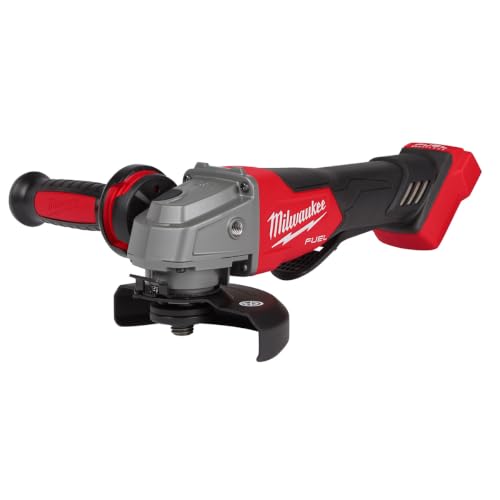

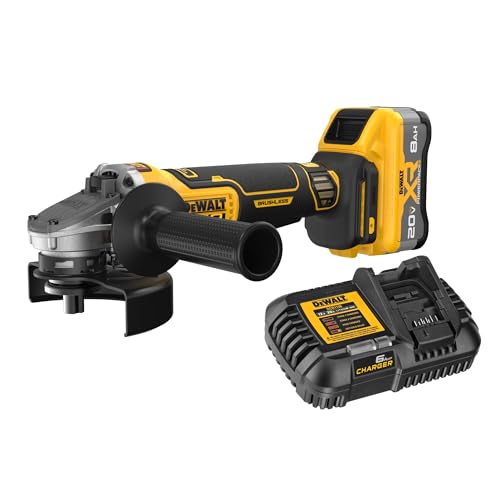
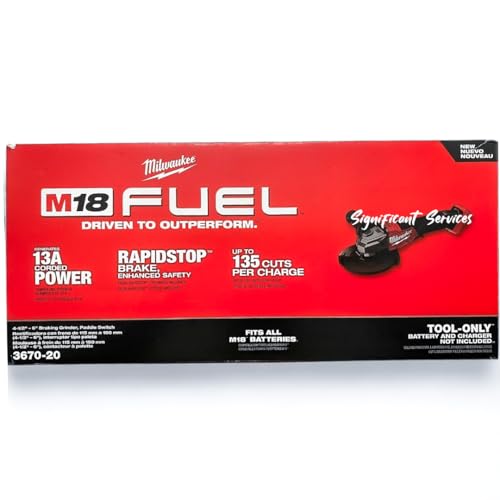


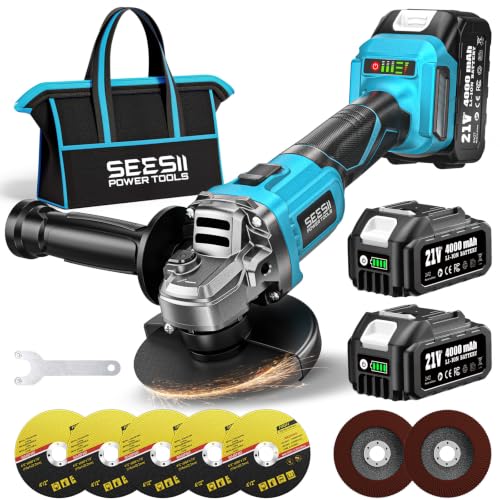
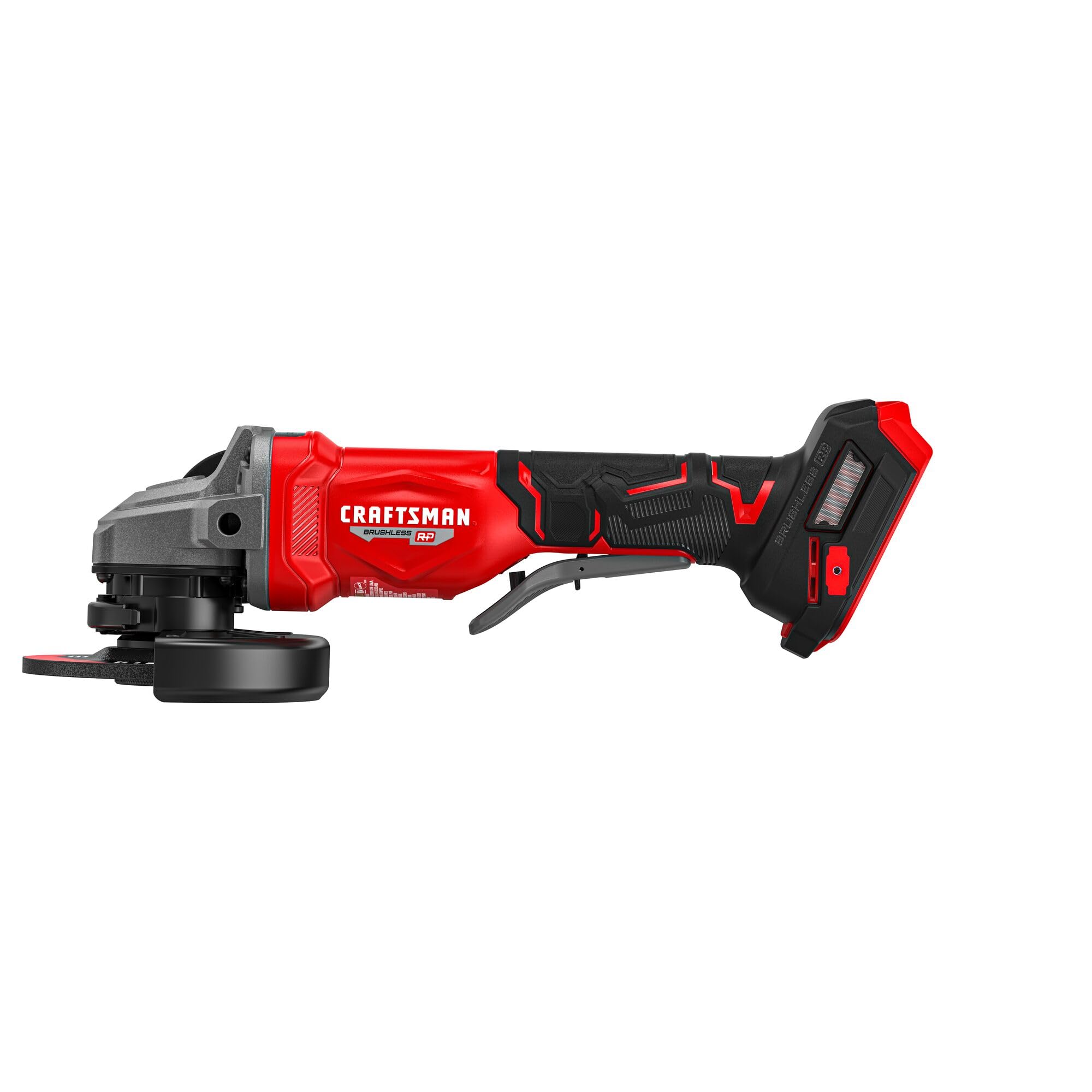
Who Should Buy Which Brushless Angle Grinder?
Cordless Platform Owners Cutting Across a Site
If your batteries already live on one 18 or 20 volt platform, a brushless grinder from that same system is the natural pick. You gain the longest runtime per pack the platform offers and electronics that protect both tool and battery during stalls. Site work like cutting rod, trimming conduit and grinding welds between setups suits the bursts of use cordless tools handle best. Buy the largest battery your budget allows alongside it, because grinder runtime depends more on pack size than on any motor claim.
Metalworkers Who Grind in Short, Frequent Sessions
Fabricators who pick up the grinder twenty times a day value instant starts, no cord to drag across the bench, and a motor that shrugs off momentary overloads without tripping. Brushless tools also tend to carry the best safety electronics in their lineups, including kickback braking and restart protection. If your sessions are short but constant, the convenience compounds daily. Compare your needs against the best angle grinder for metal class as well, since some top metal picks remain corded for good reasons.
Buyers Replacing a Brushed Cordless Grinder
Owners of aging brushed cordless tools feel the upgrade most: more cuts per charge, steadier speed under load and no brush changes on the calendar. The sensible move is staying on your battery platform unless it is being abandoned, because new batteries cost more than the tool. If your old tool died from dust packed vents or worn brushes, note that brushless removes the brush issue, not the dust issue, and cleaning habits still decide service life.
Key Features to Compare
What the Brushless Motor Actually Delivers
A brushless motor replaces carbon brushes with electronic control, so friction and brush wear disappear and more battery energy becomes cutting power. In practice you get longer runtime per charge, commonly a third or more on cutting tasks, and a motor that holds speed better as you lean into a cut. The electronics also sense overload and stall conditions, cutting power before heat damages the motor or battery. What brushless does not change is disc physics: the same discs, guards and technique rules apply, and grinding still drains batteries far faster than cutting.
Battery Platform and Pack Size
The platform decision outlives the tool, so weigh your existing batteries first. Grinders are among the hungriest cordless tools, and small 2.0 amp hour packs sag quickly during grinding, while 5.0 amp hour and larger high output packs hold voltage and runtime far better. Some platforms offer two battery configurations or higher voltage lines for their largest grinders. Check that the tool accepts the packs you own, since a few high draw tools restrict small batteries. A charger upgrade can matter too, because a slow charger turns a two battery rotation into downtime.
Electronic Safety: Kickback Brake and Clutch
Brushless grinders usually carry the richest safety electronics in the catalog. A kickback brake stops the disc within a couple of seconds when the tool senses a bind, and an electronic clutch reduces the twist your wrists absorb. Restart protection keeps the tool off when a battery is inserted with the switch on, a small feature that prevents a genuinely scary surprise. Paddle switch models add a dead man layer on top. When comparing models, treat these systems as core specs, not bonuses, because a 4 1/2 or 5 inch disc at full speed stores real energy.
Disc Size Within the Brushless Class
Most brushless grinders are 4 1/2 or 5 inch tools, and many accept both disc sizes with the matching guard fitted. Choose based on cutting depth and disc supply, exactly as you would with corded tools: about 1 1/4 inches of depth for the smaller size and roughly 1 5/8 for the larger. A few platforms offer 6 inch brushless models for deeper work. Confirm the guard in the box matches the largest disc you plan to run, since running a 5 inch disc under a 4 1/2 inch guard is a common and dangerous mismatch.
Speed Control and Special Modes
Some brushless models add selectable speed ranges, which help with flap disc blending, surface prep and heat sensitive materials. Variable speed also extends wire wheel life, because wire accessories have strict maximum speeds. If your work is only steel cutting and weld grinding, fixed full speed is fine and simpler. Readers whose work leans on speed control should compare this class with the best variable speed angle grinder guide, where speed range is the headline feature rather than a side benefit.
Brushless Trade Offs to Weigh Honestly
The premium is real: brushless grinders cost more than brushed equivalents and far more than corded tools of similar cutting ability. Runtime, while improved, still limits long grinding sessions, and a fabricator grinding for an hour straight belongs on a cord, as the best corded angle grinder class demonstrates. Repairs also differ, since a failed control board costs more than a set of brushes. None of this cancels the class; it just means the best angle grinder for you might be brushless for site cutting and corded for bench grinding, a pairing many professionals quietly run.
Common Mistakes to Avoid
- Pairing a brushless grinder with the smallest battery in the drawer, then blaming the tool for weak grinding.
- Assuming brushless means maintenance free, while dust still packs the vents and bearings exactly as before.
- Paying for a new platform for one tool, when batteries and chargers double the real purchase price.
- Trusting the kickback brake to replace stance and technique, instead of treating it as a last layer.
- Running wire wheels at full grinder speed past their rating, shedding wires at face level.
- Buying a bare tool during a platform transition at home, ending up with two incompatible battery systems.
How to Make Your Brushless Angle Grinder Last Longer
Keep vents clear with dry air after dusty work, because the electronics that make brushless tools smart also dislike heat, and blocked vents cook control boards slowly. Store batteries at partial charge in a dry place rather than full or empty in a hot truck. Avoid repeated hard stalls: when the tool cuts power to protect itself, that is information about your pressure or disc choice, not a challenge to push harder. Keep contacts clean on tool and pack, since grinding dust is conductive enough to cause odd behavior over time. Update your disc stock with the tool, because fresh, balanced discs vibrate less and spare the bearings.
FAQ
What is the best brushless angle grinder?
The best model for most buyers is the one on the battery platform they already own, with a paddle switch, kickback braking and enough pack size behind it, ideally 5.0 amp hours or more. Platform outsiders should compare total kit cost, not bare tool price. Use the product table to line up the models, then weigh safety electronics ahead of small power differences. In this class the ecosystem and the electronics decide satisfaction more than the motor label.
Are brushless angle grinders worth it?
Yes for cordless users who cut or grind weekly, because runtime per charge, overload protection and zero brush upkeep repay the premium over the tool life. The case weakens for rare users, whose batteries will age out from calendar time before the motor advantages matter, and for bench bound grinding, where corded power is cheaper and endless. A practical check: if you already drain a cordless pack in your current grinder regularly, brushless will visibly help you. If your grinder gathers dust, it will not.
How long does a brushless angle grinder last?
The motor itself has no brushes to wear, so service life usually ends at bearings, switches or electronics rather than the motor. Trade users report years of daily service from quality models with basic vent cleaning. Batteries become the practical lifespan limit, since packs lose capacity after a few years of heavy cycling and eventually leave the tool underpowered. Keeping packs rotated and stored at partial charge stretches that limit noticeably.
Is an angle grinder worth it if you own a brushed cordless model?
Upgrading is worth it when your current tool leaves you swapping batteries mid task or tripping out under grinding loads. It is harder to justify when the old tool still finishes your typical jobs on one pack. The honest middle path many users take is buying the brushless tool when the old one needs brushes, bearings or a switch anyway, turning a repair bill into an upgrade. Keep the old tool as a second unit with a different disc mounted, which is surprisingly handy.
How do you clean a brushless angle grinder?
Remove the battery, take off the disc, and blow dust from the vents and around the switch with dry air, keeping pressure moderate near electronic housings. Wipe the body with a dry cloth and clean the battery contacts with a dry brush. Never open the motor housing to clean inside, since the sealed design expects surface cleaning only. Check the guard and flange for grit while you work, because a clean mounting face keeps discs running true and vibration low.
Final Thoughts
Brushless is the right default for a cordless grinder bought today, provided the platform math works and you pair it with batteries sized for grinding loads. Compare safety electronics and total kit cost in the product table, not motor slogans. Chosen with those priorities, the best brushless angle grinder for your kit will cut longer per charge and ask less of you over its life. Prices and availability can change, so check the product page before ordering.


