
Best Compact Miter Saws in 2026: Capacity, Sizes and Buying Guide
Disclosure: We may earn a commission when you buy through links on this page, at no extra cost to you. As an Amazon Associate I earn from qualifying purchases. Learn more

Choose the best compact miter saw by blade size, crosscut capacity, bevel and portability, with setup and safety tips, mistakes to avoid and care advice.
A 12 inch sliding miter saw is a wonderful tool that nobody wants to carry up stairs, fit in a car trunk or store in a small shop. Compact miter saws trade some capacity for a saw you can move with one hand and set up on any bench. The best compact miter saw for you depends on the widest and thickest stock you crosscut, and on whether bevels matter in your work. This guide works through those limits so you buy with open eyes.
The comparison table below sets the compact classes side by side. After it, this guide explains crosscut capacity in real lumber terms, the sliding versus fixed rail question, and the setup checks that keep a small saw cutting square. Compact saws reward careful buying, because the gap between just enough capacity and not quite is one board wide.


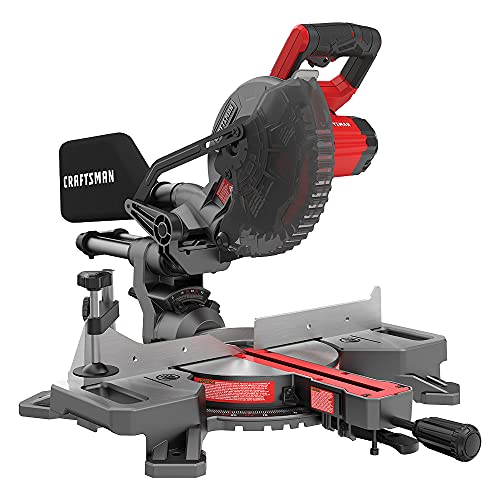


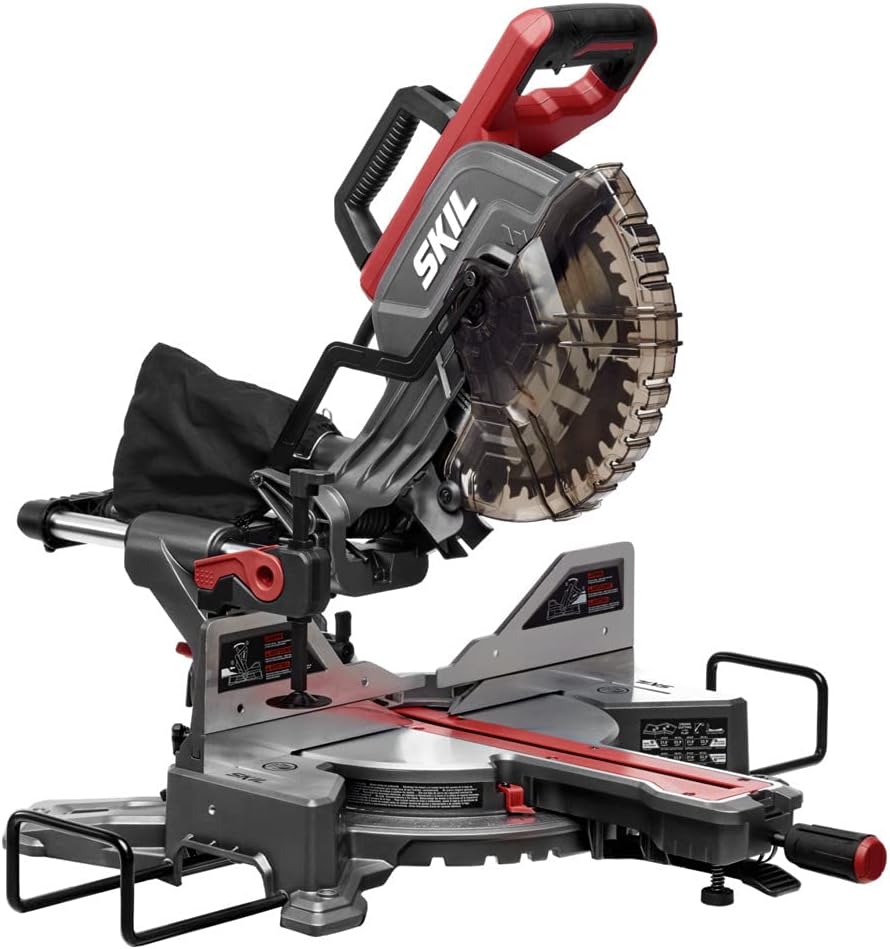


Who Should Buy Which Compact Miter Saw?
Your material list and your workspace decide the size class.
Flooring and Laminate Installers
You crosscut boards all day in finished rooms, and the saw must travel light, set up fast and handle flooring widths without drama. An 8 1/2 or 10 inch compact saw on a folding stand is your sweet spot, with dust collection that keeps finished spaces clean. Our broader guide to the best miter saw classes will show how the compact range sits against full size shop saws if you are building a kit from scratch.
Trim Carpenters Working in Occupied Homes
Trim work needs accurate miters and bevels in baseboard, casing and small crown, carried room to room without wrecking door frames on the way. A 10 inch compact saw with clean detents and a shadow line or laser guide serves you best. Weight under about 35 pounds keeps it a one trip carry with your trim tools, and dual bevel saves flipping long casing pieces in tight hallways.
DIYers and Small Shop Woodworkers
For furniture parts, picture frames, small decks and shop projects, a 10 inch compact saw covers nearly everything and stores on a shelf or under a bench. If you are choosing your first miter saw, our guide to the best miter saw for beginners walks through the safety and setup basics in more depth. Step up in size only when your project list regularly includes wide boards or 4x4 posts.
Key Features to Compare
Blade Size and Crosscut Capacity
Capacity, not blade size alone, is the honest spec. A compact 10 inch saw typically crosscuts a 2x6 at 90 degrees, and sliding models stretch to around a 2x12 or wider board. A 7 1/4 inch compact handles 2x4 and narrow stock only, while 8 1/2 inch models split the difference. Read the capacity table for cuts at 90 and at 45 degrees, because the 45 degree figures shrink fast and they are the ones that bite when a wide board meets a mitered end.
Sliding vs Fixed: Reach at a Price
A sliding saw pulls the blade through wide stock, trading a longer footprint, more weight and more moving parts for that reach. Fixed rail compact saws are simpler, lighter and often hold accuracy longer because there is less to work loose. Some compact sliders use forward rails that let the saw sit against a wall, a real gift in small shops. Buy the slide only if your stock list needs the width, since every cut you make pays the carrying cost of the mechanism.
Single Bevel, Dual Bevel and Crown Work
A single bevel saw tilts one way, so half your bevel cuts need the workpiece flipped, which is fine for framing and slow for trim. Dual bevel saws tilt both ways and shine on crown molding and finished trim where flipping long pieces risks damage. Vertical capacity matters for crown too: compact saws handle small crown nested against the fence, while large crown must be cut flat on capable sliders. Match the bevel setup to your trim ambitions rather than your framing needs.
Detents, Scales and Cut Line Indicators
Accurate small saws live on their detents, the preset stops at common angles. Look for positive, metal detent action at 0, 15, 22.5, 31.6 and 45 degrees, with an override for fine adjustments. A shadow line cast by an LED shows exactly where the blade will fall and does not drift out of calibration like a laser can. Whichever indicator the saw uses, verify it against a real test cut before trusting it on finished trim, because a perfect looking line means nothing if the blade disagrees.
Weight, Handles and Stand Options
Compact is a promise about carrying, so check the weight with the blade fitted and find the carry handle balance point. A saw around 25 to 35 pounds travels well; beyond that, a rolling stand matters more than saw specs. Compact saws pair with folding stands or a simple bench with outfeed support, and long stock needs that support to cut square. Cordless compact models remove the cord from the trip hazards, and our guide to the best cordless miter saw options covers that growing class if you want site freedom.
Motor Power and Dust Collection
Compact saws in the 10 inch class usually run motors around 12 to 15 amps corded, or strong brushless motors cordless, and either handles trim and lumber without drama. The weak point across the class is dust collection: small saws throw chips everywhere and the stock bag catches a fraction. A saw with a proper dust port that fits a shop vacuum transforms indoor work and keeps the cut line visible. If you install flooring in finished homes, weigh dust handling as heavily as capacity.
What a Compact Miter Saw Can and Cannot Cut
Be clear eyed about the ceiling of the class. A compact 10 inch slider covers 2x lumber, deck boards, flooring, trim, small crown and most furniture stock, which is the great majority of home and site cutting. It cannot crosscut a 4x4 in one pass in most cases, it struggles with wide hardwood slabs, and tall baseboards beyond its vertical capacity must be cut flat with careful bevel math. That is the territory of the best 12 inch miter saw class, and forcing a compact saw past its capacity produces burned cuts and unsafe workarounds.
Setup decides whether the capacity you bought cuts square. Check the blade against the fence with a reliable square, confirm the 0 degree detent matches a test cut, and clamp small pieces rather than holding them near the blade. Let the blade reach full speed before it touches the wood, lower it steadily, and wait for it to stop before raising it from the cut. Those habits, more than any feature, separate clean trim from filler and caulk.
Common Mistakes to Avoid
- Buying by blade size alone, which ignores the 45 degree capacity that wide mitered boards actually need.
- Holding small offcuts by hand near the blade, which invites the piece to grab and kick toward you.
- Skipping the square check out of the box, which bakes a slight angle error into every cut you make.
- Cutting long stock without outfeed support, which lets the board sag and pinch the blade mid cut.
- Raising the blade while it still spins through the work, which chips edges and throws small cutoffs.
How to Make Your Compact Miter Saw Last Longer
Keep a sharp, clean blade on the saw, because small motors suffer most from dull teeth and pitch buildup. Brush and blow dust from the fence, rails and detent plate after each session, since packed dust is the usual cause of detents that stop landing cleanly. Wipe sliding rails and add the light lubricant the maker specifies, if any, so the head glides without play. Store the saw indoors with the head locked down, and recheck square after any hard knock in transport. A compact saw kept clean and square will cut trim accurately for many years.
FAQ
Are compact miter saws worth it over full size saws?
For installers, small shops and anyone who moves the saw often, yes, because the capacity they give up is capacity most projects never use, while the weight and storage gains apply every single day. For a fixed shop cutting wide stock weekly, a full size slider earns its footprint. The honest split is transport: the more the saw travels, the stronger the case for compact.
How long does a miter saw last?
A compact miter saw in regular home or light trade use should last a decade or more, with blades as the routine consumable. The detent plate, fence faces and sliding rails wear first, showing up as cuts that drift slightly off square, and cleaning plus adjustment usually restores them. Motors rarely fail first in this class. A saw that has been dropped hard enough to bend its base is the exception, and it should be retired from finish work.
Is a miter saw worth it if you own a circular saw?
For repeated crosscuts and any trim work, yes. A circular saw can crosscut, but a miter saw repeats the same angle quickly and accurately with the work held still, which is why trim carpenters and flooring installers rely on it. If your cutting is mostly breaking down sheets and ripping, the circular saw covers you and the miter saw waits. The more finished cuts on your list, the faster the miter saw pays for itself.
How do you clean a miter saw?
Unplug or remove the battery, then brush and blow dust from the table, fence, rails and blade guard, paying attention to the detent slots where chips pack in. Clean pitch from the blade with blade cleaner and dry it fully. Check that the guard still covers the blade and moves freely, since a dust jammed guard is a safety problem, not a cosmetic one. A few minutes after each dusty session keeps the saw cutting square.
What is the most reliable compact miter saw size?
The 10 inch class has the longest track record and the widest blade availability, which makes it the reliability sweet spot of the compact range. Blades cost less than 12 inch blades and swap between many saws. The 7 1/4 inch class is dependable but capacity limited, and cordless models add battery platform questions. For most buyers, a corded or cordless 10 inch compact on a platform they trust is the dependable choice.
Final Thoughts
Decide by capacity at 45 degrees, then by weight you are willing to carry, and verify the saw cuts square before your first finished piece. The product table above shows the classes side by side. Within those limits, the best compact miter saw is the one that travels to the work, sets up in minutes and still cuts trim you never need to hide, and that combination is why this class keeps growing.


