
Best Concrete Pool Cleaners Made Simple: A Clear Buying Guide for 2026
Disclosure: We may earn a commission when you buy through links on this page, at no extra cost to you. As an Amazon Associate I earn from qualifying purchases. Learn more

Shopping for the best concrete pool cleaners for the first time? Learn the terms, compare options, and avoid rookie mistakes with this easy guide.
Concrete pools are tough and long lasting, but their textured surface holds algae and fine grit in a way smooth vinyl never does, and hand vacuuming gets old fast. If you are comparing the best concrete pool cleaners for the first time, the terms alone can blur together: robotic, suction side, pressure side, micron ratings, and climbing claims. This guide translates those terms into plain choices tied to your pool size, debris, and budget.
You will learn which cleaner type suits a concrete surface, what brush and traction setup scrubs without slipping, and how long a cleaning cycle should run. Start with the comparison table below, then use the basics and setup steps here to confirm that a model truly fits your pool before you spend.
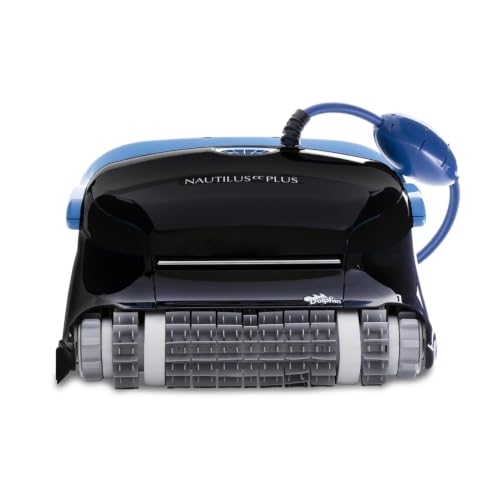
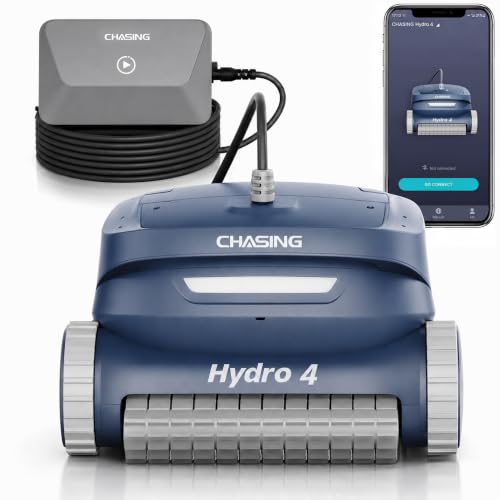
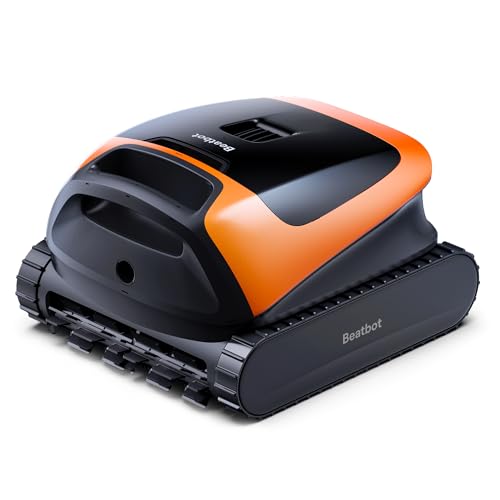

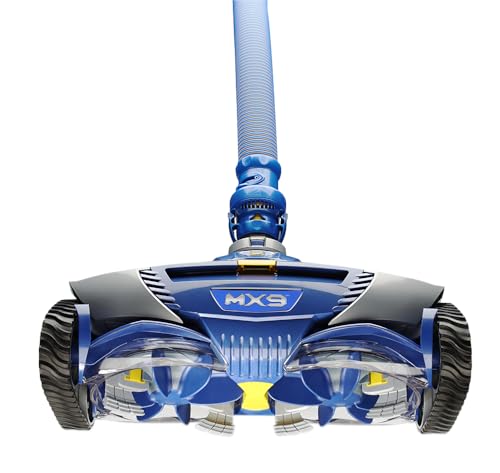
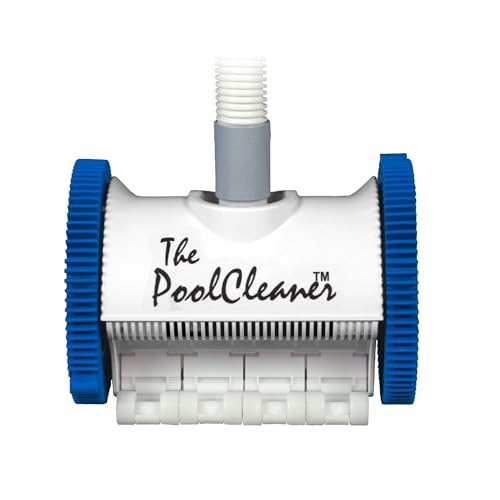

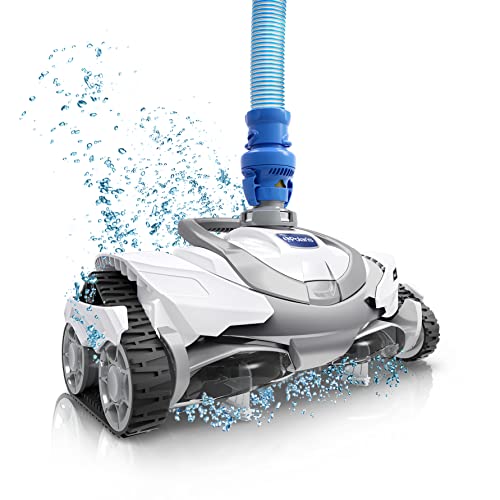
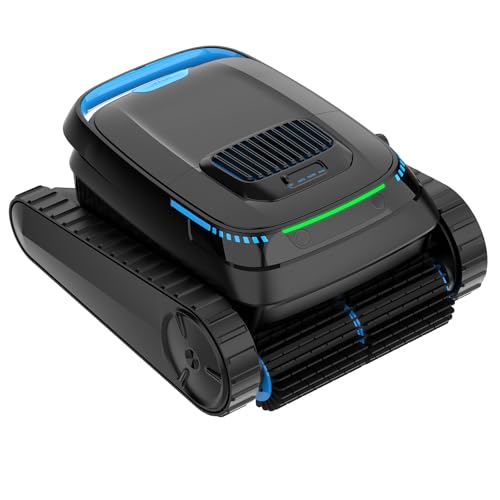

Who Should Buy Which Concrete Pool Cleaner?
New Owners of an Inground Concrete Pool
You have just taken over a concrete or plaster pool and want a routine that works without hiring weekly service. A robotic cleaner is usually your simplest start, since it runs on its own power, scrubs the floor and walls, and collects debris in its own basket instead of loading your main filter. Look for brushes made for rough surfaces and a cycle you can schedule and forget. Our wider guide to the best pool cleaners for inground pools shows how concrete needs differ from other inground surfaces.
Owners Whose Pools Catch Heavy Leaves and Grit
Trees over the water change the buying math, because fine filters clog fast under leaf loads and small baskets need emptying mid cycle. You want a large capacity basket or leaf canister, wide intake openings that pass acorns and twigs, and strong traction to climb over debris piles on the floor. A pressure side model with a big debris bag can also suit you if your pool plumbing already has a booster pump line. Match the cleaner to your worst week of fall debris, not a tidy summer week.
Owners Who Want Less Manual Work Each Week
Your goal is to skim, test the water, and be done, with the cleaner handling floors, walls, and the waterline band where oils and dust collect. Prioritize true wall climbing, a swivel cord or enough cordless runtime to finish in one session, and a basket you can rinse in a minute at the hose. Scheduling matters for you, since a cleaner that starts on a timer keeps the pool ready between swims. See how hands off models compare in our guide to the best automatic pool cleaners.
Key Features to Compare
Cleaner Type and How Each One Works
Robotic cleaners carry their own motor and filter, plug into a household outlet or run on a battery, and scrub actively with rotating brushes, which suits rough concrete well. Suction side cleaners attach to your skimmer or a dedicated line and use pump suction to wander the floor, costing less but adding wear and debris load to your filter system. Pressure side cleaners use a return line, often with a booster pump, and sweep debris into their own bag. For most concrete pools, powered brushing is the difference between moving dirt around and actually lifting it off a textured surface.
Brushes and Traction for a Rough Surface
Concrete and plaster reward grip, so look for rubber or foam rollers and brushes described as suitable for concrete, plus tracks or four wheel drive on larger robotic models. Stiff bristles loosen algae film from pores in the surface, while soft vinyl brushes can skate over it and leave a green tint behind. Weight also helps a cleaner stay planted on walls. If a maker lists a model for all surfaces but ships it with vinyl brushes by default, check whether concrete brushes are included or sold apart, because that add on changes the real price.
Wall and Waterline Climbing
Climbing claims vary, so read them closely: some cleaners reach part way up the wall, while stronger models scrub to the tile line where sunscreen and pollen form a stubborn ring. Wall work matters more on concrete because algae starts early on shaded walls and spreads. A cleaner that climbs reliably needs enough suction or jet thrust, good traction, and a program that spends real time on walls rather than one pass. If your pool has steep transitions, steps, or a beach entry, expect some hand brushing there regardless of model, since wheels lose contact on sharp angles.
Filtration, Micron Rating, and Basket Size
The micron rating tells you the smallest particles the filter can catch, and lower numbers mean finer capture for dust, dead algae, and pollen. Fine filtration sounds ideal, yet ultra fine cartridges clog quickly in leaf heavy water, so many owners keep a standard basket for daily runs and a fine cartridge for clearing cloudy water after a storm or algae treatment. Basket capacity matters as much as fineness: a large top loading basket empties in seconds and keeps flow strong through the cycle. This balance applies across the best pool vacuum cleaners, and concrete pools with gritty debris feel it first.
Cord Length, Cordless Runtime, and Tangle Control
Measure your pool before judging cord length, allowing enough cable to reach the far corner from your outlet with slack for climbing. A swivel in the cord helps stop the twisting that slowly shortens reach over a season. Cordless robotic models remove the cord entirely but must finish your pool within their battery window, commonly about 90 to 180 minutes, and they need lifting out to charge. Large or oddly shaped pools often suit corded models better, while small and mid size pools gain the most from cordless freedom. Retrieval hooks and clear battery indicators are small details you will appreciate weekly.
Getting Started: Setup and First Use
Before the first run, brush the walls by hand once and balance the water, because a cleaner maintains a clean pool far better than it rescues a neglected one. Check that the water is within the temperature and chemical ranges the maker allows, and remove large branches and toys from the floor. Lower a robotic cleaner in slowly, tilting it to let trapped air escape so it sinks and grips rather than floating. For suction and pressure models, confirm hose length reaches the far end with a little spare, and purge air from the line before connecting.
On the first cycle, watch for ten minutes. You are checking that the cleaner climbs, turns at walls instead of stalling, and does not park on the main drain or beach entry. Note where it misses, since a small change in hose length, float position, or cycle choice often fixes a pattern problem. Empty the filter basket after each cycle while debris is wet and loose, and rinse it at the hose rather than letting grit dry into the mesh. Store robotic models out of direct sun, ideally on a caddy in shade, because heat and ultraviolet light age cords, seals, and plastic between swims.
Common Mistakes to Avoid
- Buying a vinyl only cleaner for concrete, so soft brushes slip and algae film survives every pass.
- Choosing by pool length alone, so the cord or battery falls short before the far wall gets cleaned.
- Leaving a robotic cleaner in the water for weeks, so seals and cord jackets age far faster than they should.
- Running the cleaner in freshly shocked or very cold water, so parts degrade and cleaning suffers.
- Ignoring basket size in a leaf heavy yard, so flow chokes and the cycle ends with a dirty floor.
How to Make Your Concrete Pool Cleaner Last Longer
Rinse the basket or bag after every cycle and let it dry in shade, since gritty residue left in mesh acts like sandpaper on the next run. Inspect brushes, tracks, and wheels monthly during the season, and clear wrapped hair and string from axles before they strain the drive motor. Keep the cord loosely coiled without tight bends, and never lift a robotic cleaner out of the water by its cord, because that strain slowly breaks conductors inside the jacket.
Store the cleaner indoors or in a shaded, ventilated spot over winter, after a full rinse and dry, with the filter left out so it airs completely. Replace worn brushes when bristles flatten, since tired brushes quietly cut cleaning quality long before the motor shows trouble. Owners comparing long term upkeep across cleaner types can also read our general guide to the best pool cleaners for care routines by type, and our notes on the best rated robotic pool cleaners for what durable drive and seal design looks like.
FAQ
Can I leave a robotic pool cleaner in a concrete pool all the time?
No, you should take a robotic cleaner out after most cycles, rinse the basket, and store it in shade. Makers may allow short stays between scheduled runs, but constant soaking ages seals, cords, and plastic. One extra point: leaving it in during shock treatments is especially hard on parts, so always remove the cleaner before heavy chemical dosing and wait until levels normalize.
Are robotic pool cleaners worth it for concrete pools?
Yes, robotic cleaners are usually worth it on concrete because powered brushes scrub a textured surface in a way suction alone cannot match. They also keep debris out of your main filter, which can extend filter cleaning intervals. The value case weakens for tiny pools that take ten minutes to hand vacuum, but for most inground concrete pools the time saved each week repays the price over a few seasons.
Which type of pool cleaner is best for heavy leaves?
A pressure side cleaner with a large debris bag or a robotic model with a wide mouth and oversize basket handles heavy leaves best. Fine cartridges are the wrong choice during leaf season because they blind over quickly. A practical setup many leaf heavy owners use is a leaf canister on the hose or a pre season skimming routine, so the cleaner spends its cycle on the floor instead of choking on the first pile it meets.
How long should a concrete pool cleaner run each time?
Most concrete pools clean well in about 2 to 3 hours per cycle, run two or three times a week in swim season. Heavily used or tree covered pools may need shorter runs more often. Watch the result rather than the clock during your first weeks: if the waterline band stays dirty, choose a wall focused program or add one extra session, because settled fine grit on concrete rarely lifts in a single pass.
Final Thoughts
Start with cleaner type, then check brushes and traction for rough concrete, then confirm climbing, filtration, and reach for your pool shape. That order keeps you from paying for smart navigation on a cleaner whose brushes cannot grip your walls. Use the product table above to check each finalist against those points, and the best concrete pool cleaners for your pool will stand out quickly.
Prices and availability can change, so check the product page before ordering.


