
Best Cordless Drills for Metal Work in 2026: A Buying Guide
Disclosure: We may earn a commission when you buy through links on this page, at no extra cost to you. As an Amazon Associate I earn from qualifying purchases. Learn more
Learn how to choose the best cordless drill for metal, with speed ranges, chuck quality, bit pairing, and cooling tips for clean holes in steel.
Drilling metal punishes a drill differently than wood. Wood forgives a wobbling chuck and a dull bit; steel records every flaw as an oversized, ragged hole and a blue, ruined bit. The best cordless drill for metal needs a wide speed range, a chuck that grips hard and runs true, and torque that stays calm at low rpm for hole saws in sheet and plate. It also needs an owner willing to use cutting oil, but the tool has to make that technique possible first.
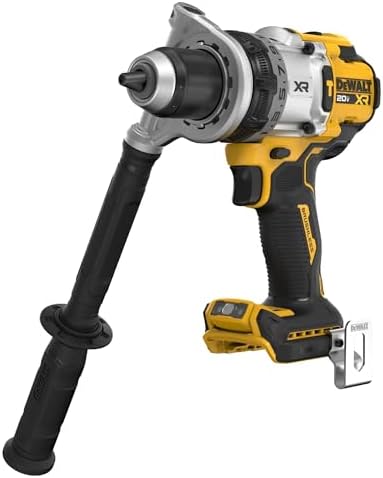
This guide covers the specs that decide hole quality in metal: gearing, chuck runout, motor control, bit pairing, and battery stamina for repeated holes. The comparison table below puts metal capable drills side by side so you can compare speed ranges and chuck types before the details.


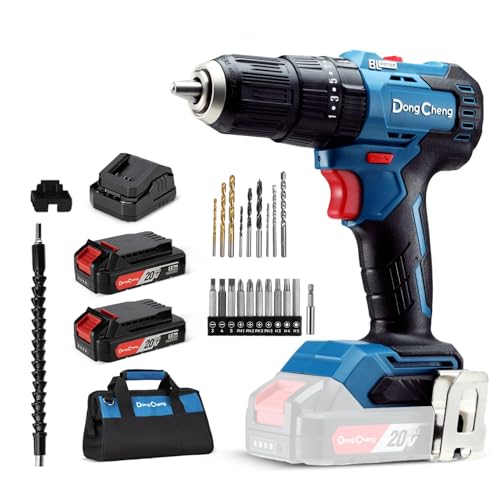

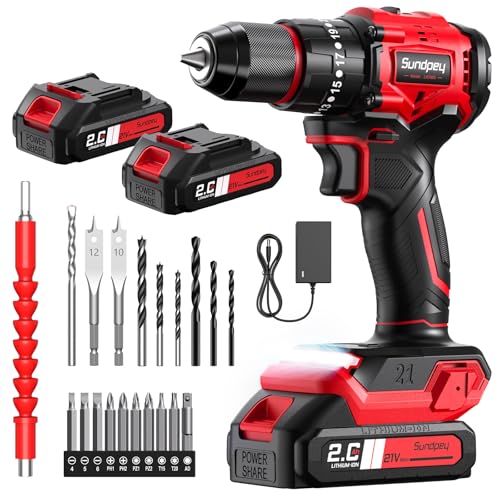
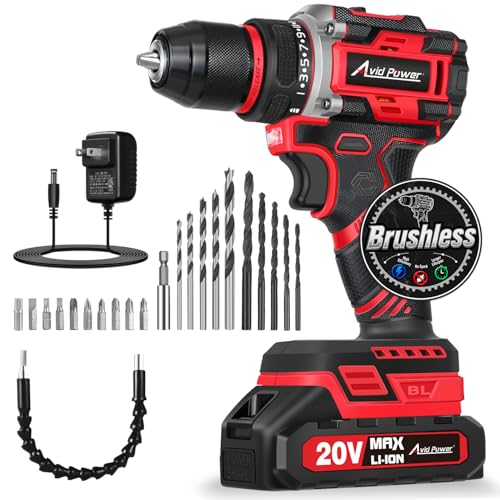
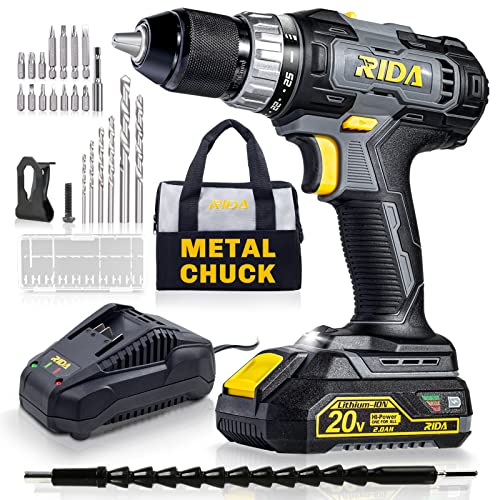

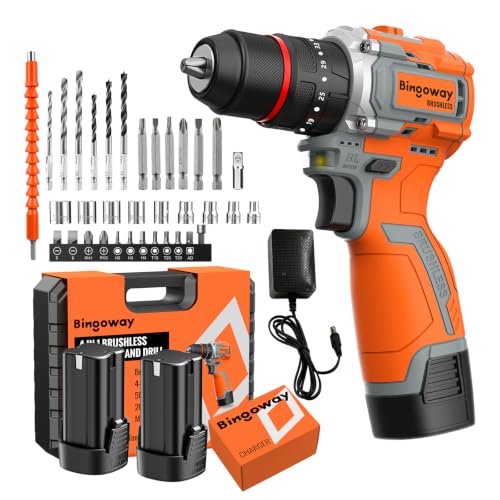
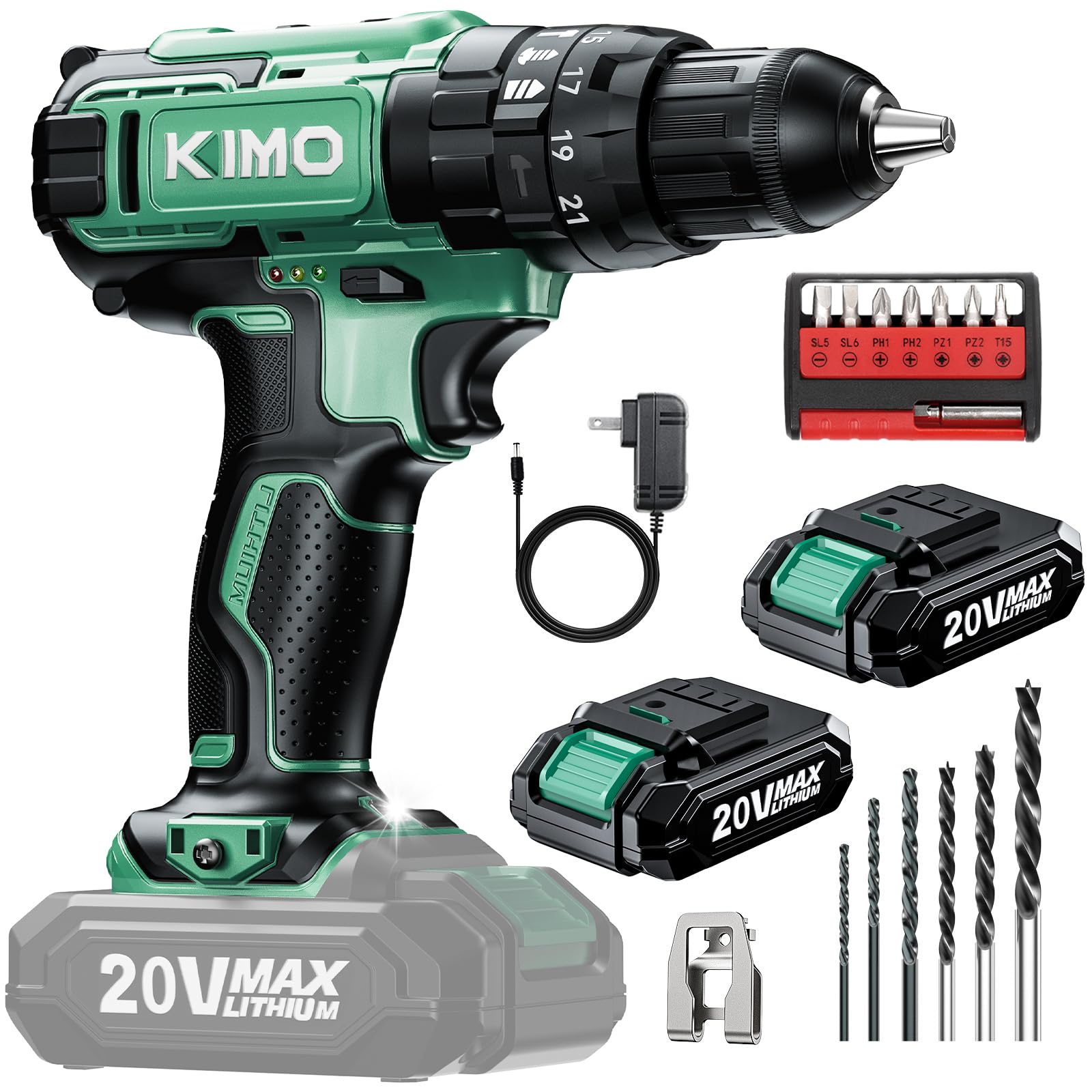
Who Should Buy Which Drill for Metal?
Fabricators and Mechanics Drilling Steel Daily
If you drill brackets, frames, and plate every week, buy the drill with the best chuck you can afford and a true two speed gearbox. Your holes are often in steel of 1/8 inch and thicker, where low speed torque and a bit that never slips decide whether the job takes one pass or three. A metal ratcheting chuck and a brushless motor that holds rpm under load are not luxuries at this volume; they are the difference between clean work and constant rework.
Home Workshop Users Working Sheet Metal and Angle Iron
Garden gates, trailer repairs, shelving uprights, and duct work live in the thin to medium range. A mid tier drill with a strong high gear for small bits and enough low gear control for a step bit covers nearly all of it. Your money goes further on bits than on the drill: a quality step bit and a set of cobalt bits transform a mid tier drill, while the finest drill cannot save a bargain bit in stainless.
DIYers Who Only Occasionally Meet Metal
Most household metal is thin: a hinge plate, a metal stud, a bracket, a mailbox post cap. Almost any decent drill handles that with a sharp bit and patience, and our overview of the best cordless drill for home use class covers those tools. Buy for your wood and household work, keep a small set of metal bits and cutting oil with it, and upgrade only when your projects turn seriously metallic.
Key Features to Compare
Speed Range That Covers Small Bits and Hole Saws
Metal wants opposite speeds at opposite ends of the bit box. Small bits in steel need high rpm to cut rather than rub, so a top speed around 2,000 rpm earns its keep. Large bits and hole saws need the opposite: a few hundred rpm with steady torque, or they overheat and strip teeth. A two speed gearbox is therefore the core metal feature, and a drill with only one speed will always be wrong for half your bits. Check the low gear ceiling, not just the headline top speed.
Chuck Grip and Low Runout
Runout is the wobble at the bit tip, and in metal it directly becomes hole oversize. A 1/2 inch metal ratcheting chuck with well machined jaws grips round shanks hard and keeps the bit turning on center. Cheap chucks let a bit slip under load, which scores the shank and ruins both bit and hole. Spin a long bit slowly and watch the tip: if it draws a circle instead of a point, the chuck or the bit is bent, and your holes in steel will show it.
Torque Delivery at Low RPM
Metal drilling rarely needs maximum torque, but it needs smooth torque: a drill that surges and grabs tears thin sheet and snaps small bits. Brushless motors with good electronics hold a set speed as the bit loads up, which is exactly the behavior clean holes need. For hole saws of about 2 to 3 inches in sheet steel, a mid to high torque class with a side handle gives you control. The wider drill market context sits in our guide to the best cordless drill range, where torque classes step up by tier.
Electronic Clutch and Control Finesse
A precise clutch protects small bits and finished work: set it right and the drill stops before a tiny bit twists off in the hole. A trigger that feathers from a crawl matters too, because starting a hole on a center punch mark needs a slow first turn, not a lurch. Some drills add an anti kickback shutoff, which helps when a hole saw in plate grabs suddenly. These control features, not raw power, are what separate a metal friendly drill from a merely strong one.
Battery Stamina for Repetitive Holes
Production drilling drains batteries differently than driving screws: the motor runs loaded for long stretches, especially with hole saws. Larger packs of about 4 to 5 amp hours keep speed steadier across a row of holes, and a second pack on the charger keeps the line moving. Small packs still work for a handful of holes, so match capacity to your longest row of holes rather than to a single hole.
Speed and Bit Choices by Metal and Thickness
Match the bit to the metal first. Standard high speed steel bits handle aluminum, brass, and mild steel for occasional holes; cobalt bits earn their price in stainless, which work hardens if you baby it with a slow, rubbing bit. For thin sheet, a step bit makes clean, round, nearly burr free holes and rarely grabs, which is why electricians and HVAC techs live on them. Bi metal hole saws take over from about 3/4 inch upward in sheet and thin plate.
Speed follows diameter: the bigger the bit, the slower you run. Use cutting oil on steel and stainless, a drop at a time, and clear chips often on deep holes by pecking in and out. Aluminum cuts dry and fast but loads the flutes, so a quick brush off keeps it cutting. If the chips come out blue or the bit squeals, you are running too fast or too dry, and both the bit and the hole are paying for it.
Common Mistakes to Avoid
- Running every bit at top speed, which overheats steel bits and work hardens stainless so it will not cut at all.
- Drilling without clamping the work, so a grabbing bit spins the sheet and cuts hands.
- Skipping cutting oil on steel, then blaming the drill for dull bits and rough holes.
- Using wood spade bits or brad point bits in metal, which destroys the bit and the hole.
- Pushing harder when a bit stops cutting, instead of slowing down, adding oil, or changing the bit.
- Expecting a light household drill to run a 3 inch hole saw in plate all day, when that workload needs the build strength of the best hammer cordless drill class even though the hammer mode itself stays switched off for metal.
How to Make Your Drill for Metal Last Longer
Metal chips are the enemy inside a drill. They work into chuck jaws and vents, so brush the chuck out after metal days and blow the vents clear with the tool running unloaded for a few seconds. Wipe the chuck jaws before they start to slip, and keep them lightly oiled in damp workshops where surface rust forms overnight.
Heat discipline protects the motor and the batteries. Let the drill rest between strings of heavy holes, swap in a cool pack rather than draining one pack to empty under load, and store bits sharp so the drill is never asked to compensate for dull steel. A drill that only ever turns sharp bits, at the right speed, with oil where oil belongs, will drill true for years.
FAQ
What is the best cordless drill for metal?
The best pick combines a two speed gearbox with a high top speed, a 1/2 inch metal ratcheting chuck with low runout, and smooth brushless speed control. That mix covers small bits in sheet at high rpm and hole saws at low rpm in one tool. If your metal work is only thin and occasional, a mid tier drill with those features beats a top tier drill that lacks the chuck quality.
What should I look for in a cordless drill for metal?
Look at the speed range and the chuck before the torque figure. You need a low gear that stays near a few hundred rpm for large bits and a high gear near 2,000 rpm for small ones, plus a chuck that holds a bit dead center. Then check the clutch precision for small bit protection. Our notes on the best budget cordless drill tier show which of these features survive at low prices, mainly the gearbox, and which do not, mainly the chuck.
Why do drill bits overheat and turn blue in metal?
Heat builds when the bit rubs instead of cutting, usually because the speed is too high for the bit size or the bit is dull. Bluing means the steel of the bit has lost its hardness, so it will dull almost immediately from then on. Slow down, add cutting oil, use steady pressure so the bit keeps biting, and replace blued bits rather than fighting them. The fix is technique and speed, not more force.
What speed should you use to drill steel?
Use the rule that bigger bits run slower. A small bit around 1/8 inch can run near the drill top speed in mild steel, a 1/4 inch bit wants a mid range pace, and a 1/2 inch bit or a hole saw belongs in low gear at a few hundred rpm. Stainless wants slower speeds than mild steel at every size, with firm pressure and oil, because it hardens when a bit rubs on it.
Can a cordless drill make holes in stainless steel?
Yes, with the right setup. Use a cobalt bit, low speed, steady firm pressure, and cutting oil, and commit to the cut so the edge keeps biting instead of polishing the surface. Stainless punishes hesitation: a slow, gentle start work hardens the spot and every later attempt skates. Drill a pilot hole first for larger diameters, clamp the work firmly, and expect the job to take longer than the same hole in mild steel.
Final Thoughts
Metal rewards the right speed, a true running chuck, and sharp bits more than it rewards raw power. Pick a drill whose gearbox spans both ends of your bit box, keep oil in the kit, and slow down when the hole size goes up. Chosen that way, the best cordless drill for metal will cut clean holes in steel for years without drama. Compare the speed ranges and chuck types in the product table above before you decide.


