
Best Cordless Drills Under $150 in 2026: Where the Value Sits
Disclosure: We may earn a commission when you buy through links on this page, at no extra cost to you. As an Amazon Associate I earn from qualifying purchases. Learn more

Shop the best cordless drill under 150 dollars with this guide. Compare brushless motors, two battery kits, metal chucks and hammer modes for serious DIY work.
The jump from a bargain bin drill to the under $150 class is the biggest quality leap in the whole cordless drill market. This is the price where brushless motors appear, where kits start including two batteries instead of one, and where chucks turn from plastic to metal. It is also where spec sheets get crowded and confusing, because every brand wants to sound professional. If you are comparing options for the best cordless drill under 150 dollars, this guide sorts the upgrades that change your work from the ones that only change the brochure, so you can spend once and drill for a decade.
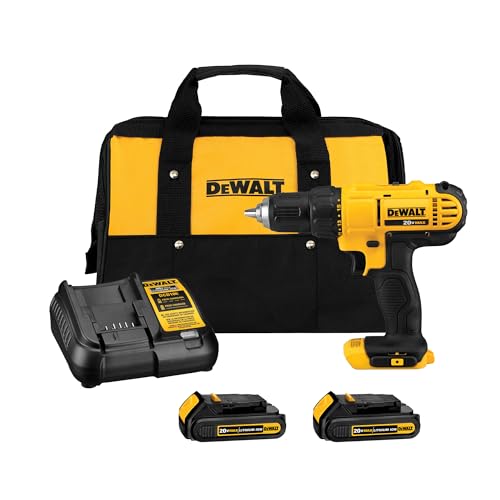
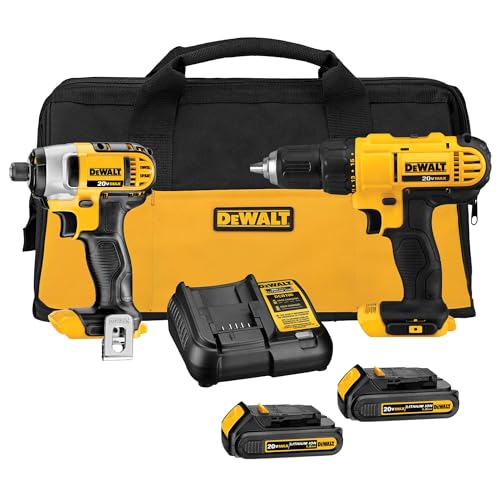
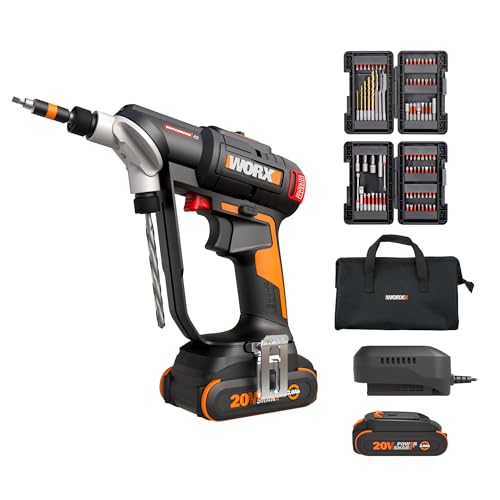
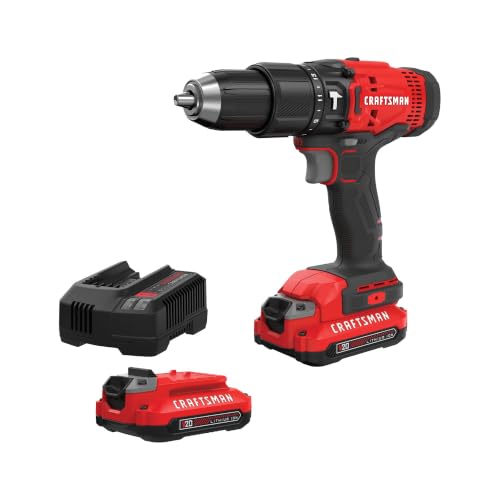
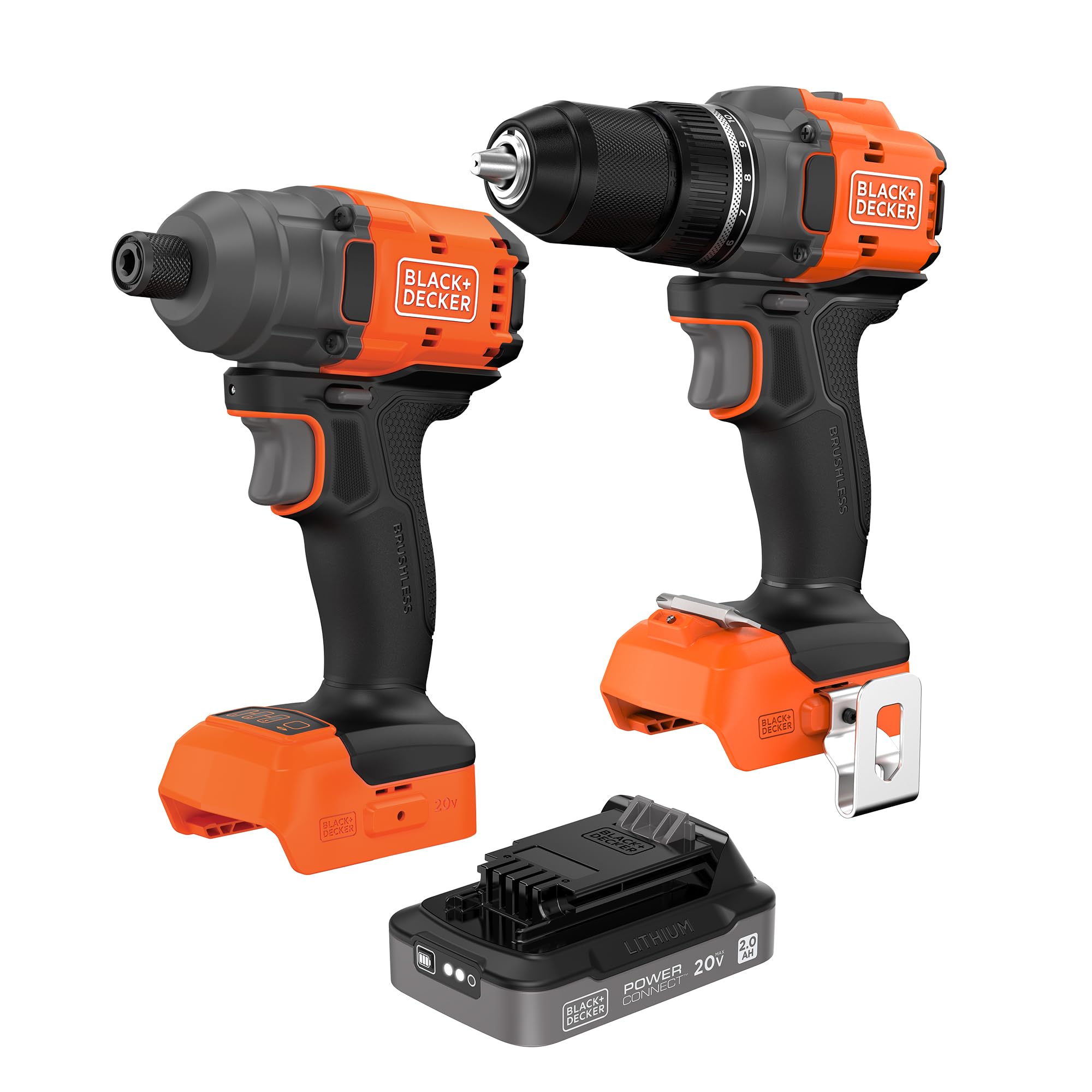
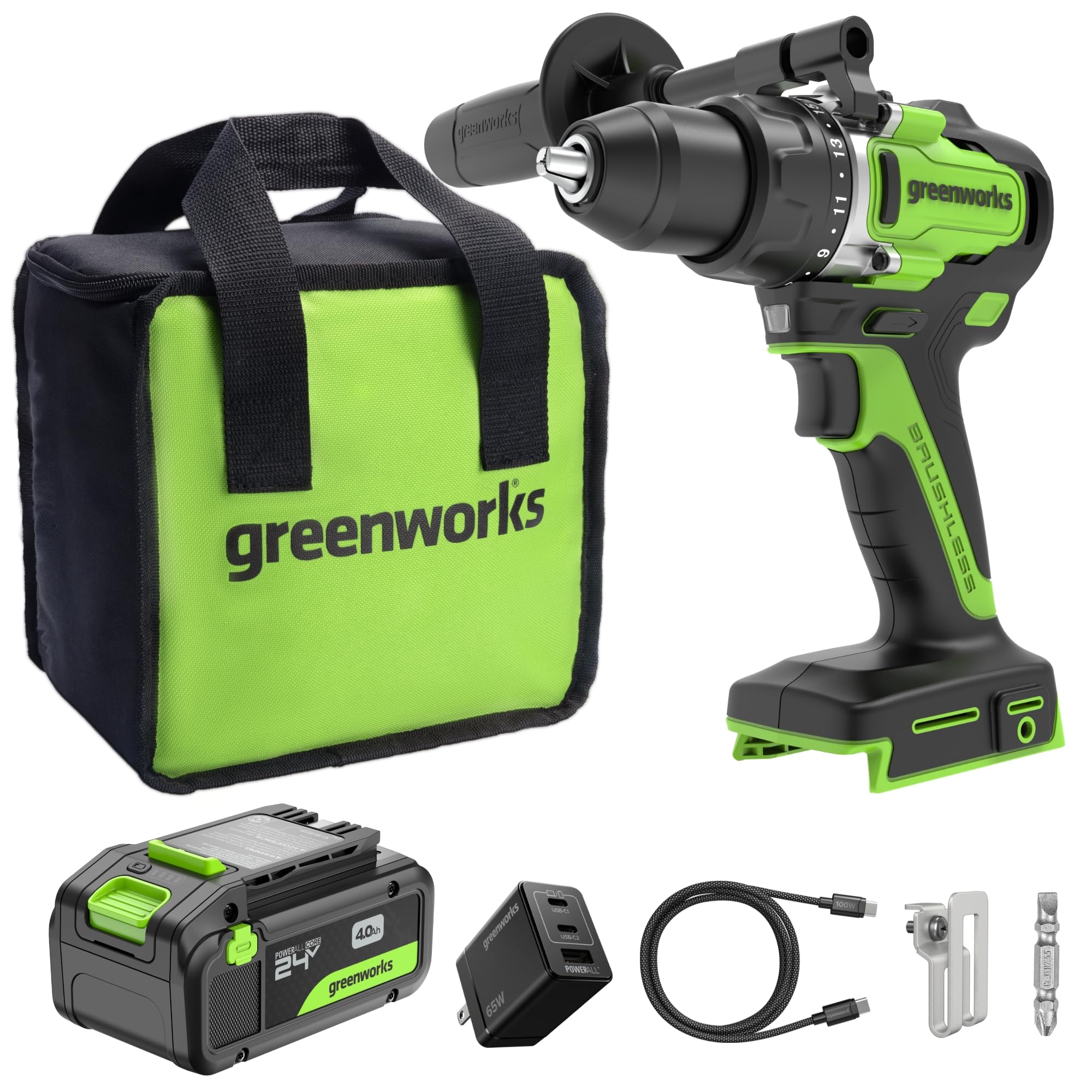
The comparison table below lines up the current kits so you can see what each bundle actually includes. Read it with one question in mind: what do you get beyond the drill itself? Batteries, charger speed, and case quality separate the strong kits from the padded ones, and the sections below explain how to weigh each part.



Who Should Buy a Cordless Drill Under $150?
The modifier here is a mid range budget, and it suits buyers whose projects have outgrown light assembly but stop short of daily trade work. Three groups land in this tier most often.
Homeowners Renovating One Room at a Time
A kitchen refresh or a bathroom remodel asks a drill to bore through studs, drive pocket hole screws, and mix small batches of thinset with a paddle, sometimes all in one weekend. A drill under $150 with a two speed gearbox and a real clutch handles that mix without drama. You also gain the runtime to work a full Saturday, since two batteries rotate through the charger while you work. Our guide to the best cordless drill for home use maps these project loads in detail. This tier is the ceiling most renovators ever need.
Serious Hobbyists and Woodworkers Starting Out
If you drill hardwoods, drive brass screws that snap under sloppy torque, or bore flat bottom holes with Forstner bits, control matters as much as power. Drills in this class offer finer clutch steps and smoother low speed control, which protects fine work. A 1/2 inch chuck also accepts the larger bits woodworking demands. You are paying for precision here, not bragging rights. Choose the drill with the best low speed behavior, and treat raw torque numbers as a secondary concern for this kind of work.
Owners of Older Drills on Dead Platforms
When a ten year old drill dies because its battery line was discontinued, the replacement decision is really a platform decision. Under $150 buys you into a current 18V or 20V system with batteries sold everywhere and a tool catalog deep enough to cover your next five purchases. That ecosystem matters more than any single specification. If you plan to add an impact driver, a saw, or a work light later, weigh the brand catalog as heavily as the drill. Our overview of the best cordless drill field shows how the major platforms compare for long term ownership.
Key Features to Compare
Brushless Motors: The Upgrade That Defines This Tier
A brushless motor replaces carbon brushes with electronic control, and the gains are real: more torque from a smaller body, longer runtime per charge, and no brushes to wear out. Under $150, brushless models sit beside brushed ones in the same brand line, often for about $30 to $50 more. For drilling and driving around the house, brushless power feels effortless rather than dramatic, because the motor delivers torque smoothly instead of surging. If you drill weekly, the efficiency and lifespan justify the step up. If you drill monthly, a good brushed kit with two batteries may serve you better for the same money.
Two Batteries and a Faster Charger
The quiet advantage of this tier is workflow. Two packs of about 2.0 amp hours each, paired with a charger that refills one in about 30 to 60 minutes, mean the tool never waits on you. One battery works while the other charges, and the rotation continues all day. Check what the kit actually lists, because some brands advertise a low price with a single pack and a slow overnight charger. Also note the charger type: a rapid charger changes how you plan work, letting you top up during lunch instead of planning around the battery.
Metal Ratcheting Chuck in 1/2 Inch Size
At this price the chuck should be metal, ratcheting, and 1/2 inch. Metal jaws grip bits through dusty, heavy work without the sleeve flex that plagues plastic chucks, and the ratcheting lock clicks tighter as you twist, holding bits through vibration. The 1/2 inch capacity opens the door to large auger bits, hole saws, and mixing paddles that a 3/8 inch chuck cannot accept. Test the feel in a store if you can: a good chuck spins true with no visible wobble at the bit tip and tightens with a firm, even resistance.
Torque and Two Speed Gearing
Expect about 450 to 650 inch pounds of torque in this class, with a two speed gearbox that separates the work cleanly. Low gear, roughly 0 to 450 or 550 RPM, delivers the torque for driving screws and boring with large bits. High gear, roughly 0 to 1,800 or 2,100 RPM, spins small bits fast for clean holes in wood and metal. This split is why a mid range drill feels so much more capable than a budget one: you stop forcing one gear to do everything. Match the gear to the task and both the tool and the fastener last longer.
Hammer Mode for Occasional Masonry
Many drills under $150 add a hammer setting that pulses the chuck forward as it spins, letting carbide bits chew into brick, block, and mortar. It will not match a rotary hammer in concrete, but for hanging a hose reel on brick or setting anchors in block, it is entirely adequate. If your home has brick or stone walls, paying for this feature inside the same tool beats owning a second drill. Our best hammer cordless drill guide explains where hammer drills shine and where their limits sit. Occasional users can skip it and keep the simpler, lighter drill.
Where the Extra Money Goes Compared with Budget Drills
Shoppers often ask why the best cordless drill under 150 dollars costs three times a basic model when both spin bits. The honest answer is that the money buys stamina and refinement rather than a new category of tool. You get a motor that holds speed under load, a gearbox with two real ranges, batteries that swap instead of stranding you, and a chuck that stays tight in dusty work. Spread over a decade of projects, the kit also tends to be cheaper per year than replacing a bargain drill twice. If your current drill only fails you on runtime, a second battery for it may be the smarter spend, so check that price before you upgrade.
Common Mistakes to Avoid
- Paying for torque you cannot use. Chasing the biggest inch pound number in this tier buys weight and cost, while your projects never ask for it.
- Ignoring kit contents. A bare tool price looks low until you add two batteries and a charger, and the total passes the kit you skipped.
- Skipping the second battery. One large pack still leaves you idle when it dies mid project, because even a rapid charger needs half an hour.
- Using hammer mode on wood or metal. The hammer setting left on ruins hole quality in ordinary materials, so check the collar before every material change.
- Buying outside your platform. A great drill on a rival battery system doubles your charger clutter and your future battery costs.
Care and Maintenance for a Mid Range Drill
Blow dust out of the motor vents after drywall or masonry work, because fine powder migrates into the housing and abrades the windings over time. Keep the chuck jaws lightly cleaned and dry, and work the chuck open and closed a few times monthly so the jaws stay even. Store batteries at room temperature with a partial charge when the drill will rest for a season. Check the gearbox selector and clutch ring for grit if the drill has been on a job site floor, since a single grain can make the ring feel notchy. A soft case or bag keeps the kit together and protects the chuck from knocks that bend it out of true.
Frequently Asked Questions
Is a brushless cordless drill under $150 worth it for home use?
For weekly use, yes. You get longer runtime from the same battery, a shorter tool that fits between studs and inside cabinets, and a motor with no brushes to replace. The difference shows up most on long days, when a brushless drill finishes work on one pack that takes a brushed drill two. For a drill that comes out twice a year, the gain is smaller, and the money is better spent on the two battery kit. Judge by your calendar, not by the technology label.
Can a cordless drill under $150 handle a bathroom remodel?
Yes, including the unglamorous parts. Drilling through studs for new wiring, driving cement board screws, and mixing small batches of mortar or grout with a paddle all sit within this class, as long as you work in low gear for the mixing and let the tool rest between batches. The one task to hand off is large tile holes in porcelain, which call for diamond hole saws, patience, and water cooling. Everything else on a typical remodel list is fair game for a mid range drill.
Should I buy a drill kit or a drill and impact driver combo under $150?
Combos at this price often pair a slightly smaller drill with an impact driver, two compact batteries, and one charger. If you drive many screws, the combo earns its shelf space, because the impact driver seats long fasteners with far less effort and no kickback to your wrist. If you mostly drill holes and drive short screws, the drill only kit usually gives you the better drill for the same money. Count your driving work honestly. Our best budget cordless drill guide breaks down the value math for both routes.
How much torque does a cordless drill under $150 really need?
About 400 to 500 inch pounds covers nearly every home and hobby task, including driving 3 inch screws into framing lumber with a pilot hole and boring 1 inch holes in hardwood. Numbers above that help mainly with large auger bits and hole saws in low gear. Technique matters as much as the figure: a sharp bit and a pilot hole reduce the torque any job demands. If you remember one rule, drill the pilot hole and let the drill stay in its comfort zone.
Do mid range cordless drills come with good warranties?
Most major brands cover this tier for about three years on the tool and one to three years on batteries, with registration sometimes extending the terms. The practical difference between brands is service access: a maker with local service centers or simple mail in repair keeps a failure from becoming a total loss. Keep your receipt and register the kit when you buy it, because warranty clocks and battery coverage often start from the registration date rather than the first use.
Final Thoughts
This tier rewards buyers who read kit contents as carefully as spec sheets. Compare the options in the product table above, favor brushless motors and two battery kits, and stay inside one battery platform so future tools cost less. Do that, and the best cordless drill under 150 dollars stops being a compromise and becomes the drill you reach for on every project, from a wobbly chair repair to a full room renovation. It is the price band where a drill turns from an expense into equipment.


