
Best Cordless Drills Under $50 in 2026: What Your Money Really Buys
Disclosure: We may earn a commission when you buy through links on this page, at no extra cost to you. As an Amazon Associate I earn from qualifying purchases. Learn more

Compare the best cordless drill under 50 dollars for home projects. See what torque, chuck size, clutch settings and battery life you really get at this price.
Fifty dollars does not buy a professional drill, and you should be wary of any listing that claims otherwise. What it does buy, if you choose carefully, is a tool that covers the jobs most homes actually need: pilot holes in pine, screws driven into flat pack furniture, and brackets mounted on drywall and studs. The trick is knowing which specifications matter at this price and which compromises are simply normal. If you are hunting for the best cordless drill under 50 dollars, this guide shows you how to read the spec sheet, which features protect your work, and where the honest limits of a budget drill sit.
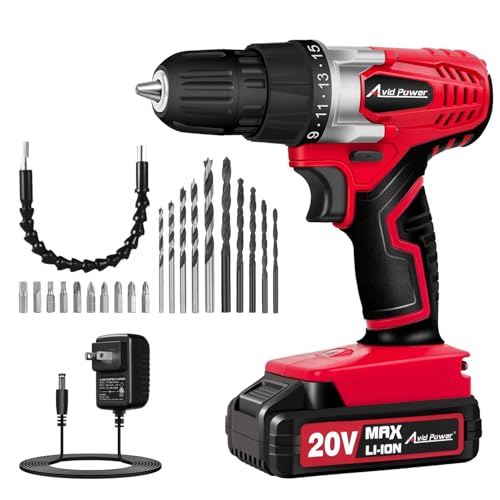
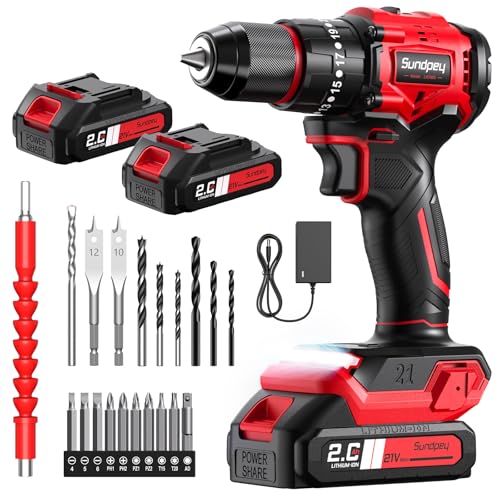
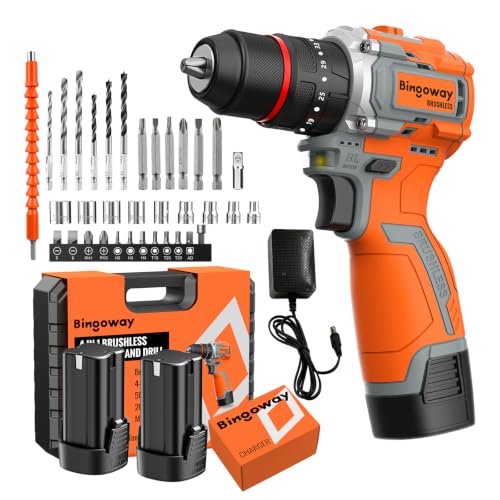
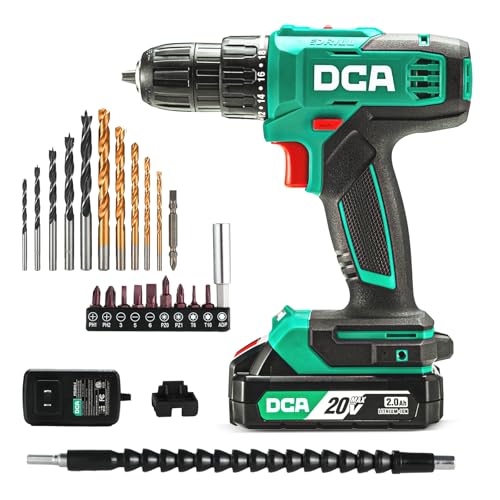
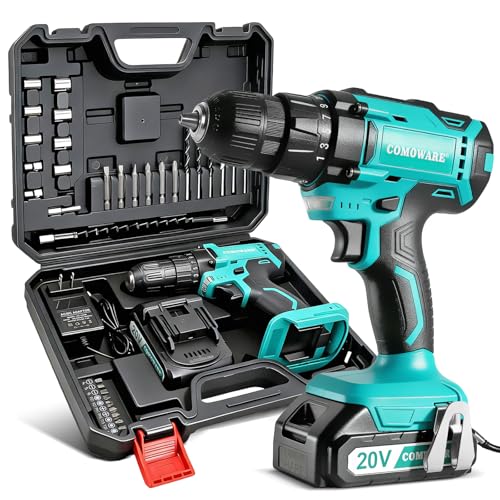
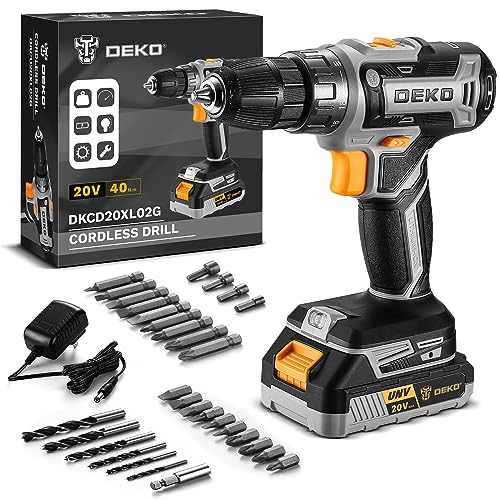
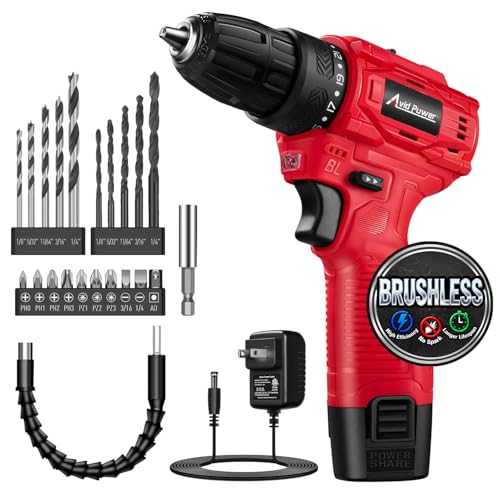
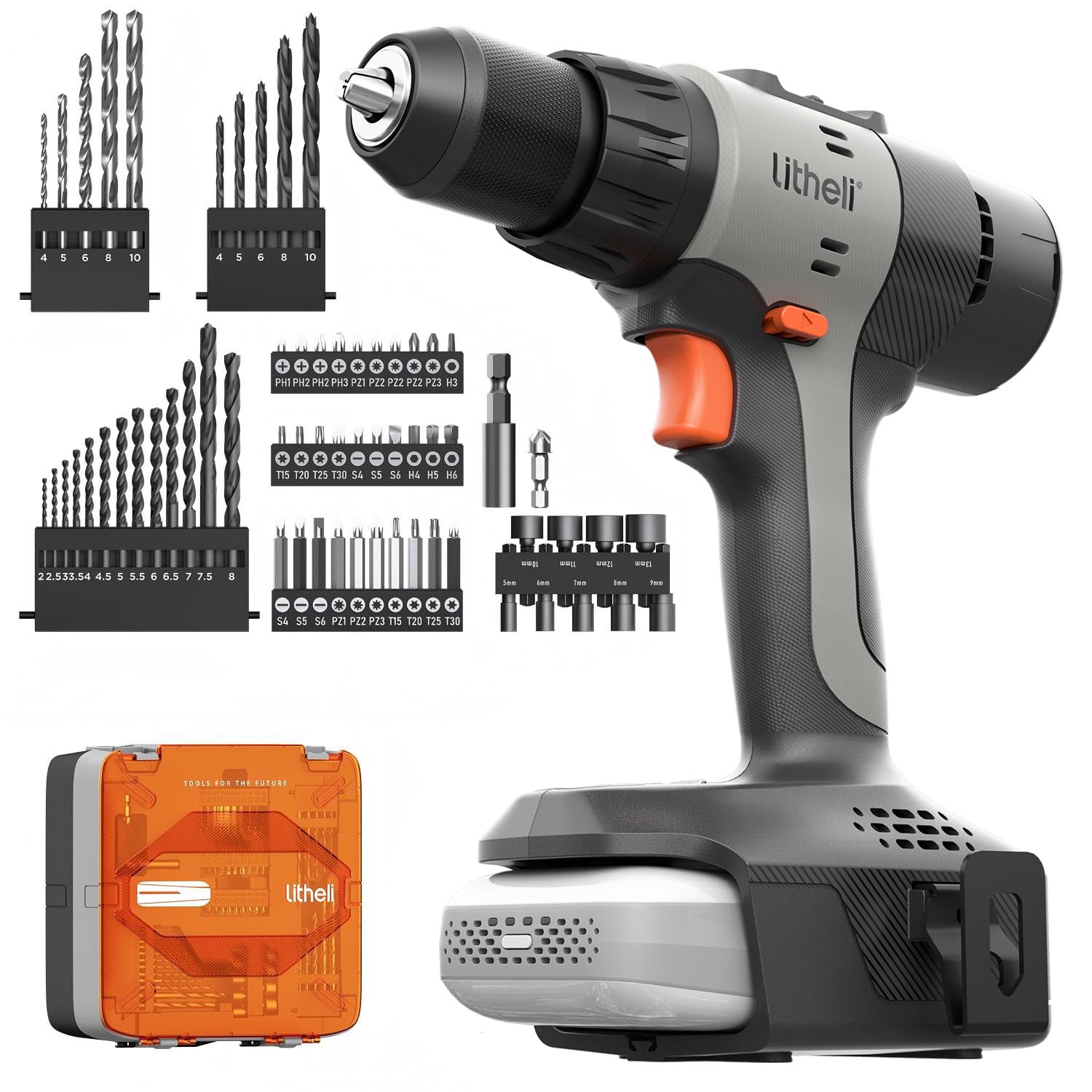
The comparison table below gathers the current options in one place so you can scan kit contents and prices side by side. Below that table, we walk through the trade offs behind the numbers. By the end, you will know how to match a drill to the projects on your list instead of buying on voltage numbers alone.


Who Should Buy a Cordless Drill Under $50?
A tight budget is the modifier that shapes everything in this article. At under $50, you are choosing which corners you can live with, and the right answer depends on how often you drill and what you drill into.
Renters Who Mostly Assemble and Hang
If your project list is curtain rods, picture hooks, and one more flat pack bookcase, a budget drill is genuinely enough tool. You will drill into drywall, soft pine, and particleboard, and none of that needs serious torque. Small size matters more than power here, because a compact drill fits inside cabinet carcasses and between shelves where a full size tool cannot. Our guide to the best cordless drill for home use covers the same light duty thinking in more depth. Choose the lightest drill in this price band with a clutch you can set low.
New Homeowners Building a First Tool Kit
A first house creates a long list of small jobs, and a $50 drill handles nearly all of them during the first year. Hanging blinds, swapping cabinet hardware, and anchoring a loose handrail bracket are all light driving work. The risk is buying a drill whose battery platform leads nowhere, because your second and third tools will want to share that battery. Treat this purchase as the start of a kit, not a one off bargain. If you expect heavier renovation work within a year, compare these budget options against the wider field in our best cordless drill guide before you commit to a platform.
Occasional Users Who Need a Drill a Few Times a Year
Some drills live in a junk drawer and come out twice a year, and that pattern changes what matters. Battery behavior during storage becomes the deciding factor, because a pack that sits for months must still hold a charge when you reach for it. Lithium ion packs handle this well, losing charge slowly on the shelf. You also want a simple tool with few settings to relearn each time. A single battery kit is fine for you, since a dead pack just means a short pause, not a lost workday. Spend the savings on a decent bit set instead.
Key Features to Compare
Torque: Modest Numbers, Honest Jobs
Torque is the twisting force that drives screws and turns bits, and makers at this price quote it in inch pounds. Expect about 200 to 350 inch pounds from drills under $50, which is enough for flat head screws in pine and pilot holes up to about 3/8 inch in softwood. It is not enough for lag bolts or long structural screws, and no setting changes that. Read the number as a ceiling, not a promise. A drill that lists torque clearly is easier to trust than one that hides behind a giant voltage badge, because voltage alone tells you almost nothing about driving strength.
Chuck Size and How It Grips Bits
The chuck is the three jaw clamp at the nose that holds your bits. Most drills at this price use a 3/8 inch keyless chuck with a plastic sleeve, while a few offer a 1/2 inch chuck that accepts larger bits and hole saws. Plastic sleeves work fine for light duty, but they can slip under load when your hands are dusty or gloved. Grip the sleeve firmly and give the trigger a short burst to snug it, then check the bit by hand before you drill. Bit wobble is the warning sign to watch: if the tip circles instead of spinning true, reseat the bit or expect crooked holes.
Clutch Settings That Save Your Screws and Surfaces
The numbered ring behind the chuck is the clutch, and it is the most useful feature on a cheap drill. It slips at a set torque so the drill stops driving before the screw snaps, strips the hole, or sinks through soft material. Drills in this band usually offer about 15 to 25 positions plus a drill setting that locks the clutch for boring holes. Start low and step up one number at a time when you drive into a new material. Cabinet hardware and flat pack panels reward gentle settings, while framing lumber takes higher ones. Learning this ring takes ten minutes and prevents most beginner damage.
The Battery: One Pack, Modest Capacity, Slow Charger
Nearly every kit under $50 includes a single battery of about 1.3 to 2.0 amp hours and a slow charger that needs three to five hours for a full charge. That shapes your work rhythm: drill and drive in batches, and top the pack up between sessions. A second battery rarely fits the budget, which is why the platform question matters so much. If the maker sells the same battery across trimmers, lights, and other drills, your next purchase fixes the one battery problem. Our best budget cordless drill guide explains how platform choice affects total cost over several years of tool buying.
Speed Range and the Missing Hammer Mode
Most budget drills run a single speed gearbox topping out around 1,300 to 1,500 RPM, and some add a two speed switch that trades speed for torque in low gear. High speed suits small bits in wood, while low gear gives control for driving screws without cam out. What you will not find at this price is a real hammer function for masonry. If your walls are brick or block, budget drills will frustrate you, and a dedicated best hammer cordless drill pick from the next price tier is the honest answer. Even there, expect anchor holes in brick, not heavy concrete work.
What $50 Buys and What It Does Not
The best cordless drill under 50 dollars is a study in deliberate trade offs. The money goes to a brushed motor, a plastic geared chuck, and one small battery, and those choices keep the price down while still covering light work. What you give up is durability under daily load, fast charging, and the power reserve for large bits in hardwood. None of that matters for the jobs listed above. It matters a great deal if you plan to drill steel, mix paint, or drive hundreds of deck screws. Decide by the hardest job you will do this year, not the average one. If that hardest job is rare, renting a stronger tool for one weekend is often smarter than overspending now.
Common Mistakes to Avoid
- Buying for one heavy job. A budget drill bought to bore joists or drive ledger bolts will stall, overheat, and disappoint you on its first day.
- Judging by voltage alone. A 20V badge on a small brushed drill does not beat a well made 12V tool, so you end up with bulk instead of strength.
- Ignoring the clutch. Driving on the drill setting snaps small screws and strips particleboard holes, turning a ten minute assembly into a repair.
- Expecting masonry performance. A standard chuck drill on concrete burns bits and rounds holes, because it lacks the hammer action the material needs.
- Forgetting the cost of bits. Cheap bits in a cheap drill wander and strip, so skipping a quality bit set makes the whole setup feel worse than it is.
How to Make a Budget Drill Last Longer
Store the battery indoors at roughly half charge if the drill will sit for months, because heat and a full charge both age lithium ion cells faster. Keep the chuck jaws clean by blowing out dust after drilling masonry or plaster nearby, since grit inside the jaws causes the bit wobble that ruins holes. Run the drill for a few seconds after heavy use so the motor fan cools the windings before you put it away. Finally, retire worn bits early: a dull bit forces the motor to work harder on every hole, and a small drill has no reserve to spare.
Frequently Asked Questions
Can a cordless drill under $50 drill into brick or concrete?
Not in any useful way. These drills lack a hammer function, so the bit rubs instead of chipping, and you get a shallow, oversized hole and a ruined bit. Soft mortar joints sometimes yield, but that is luck, not capability. If you have several anchor holes to set in masonry, rent a rotary hammer for a day, usually around $40 to $60, and finish in minutes. For one or two holes in brick, step up to a hammer drill instead of forcing a budget tool.
Is a 12V cordless drill under $50 enough for flat pack furniture?
Yes, and in some ways it is the better tool for the job. Flat pack panels need low torque and a gentle clutch, not power, and a compact 12V drill reaches inside cabinet boxes where a full size drill cannot fit. The panels themselves are the weak point, because particleboard strips easily when you lean on the trigger. Set the clutch low, drive slowly, and stop the moment the screw seats. Your furniture will hold together better for it.
How long does the battery in a cheap cordless drill last?
Per charge, a small pack drives roughly 100 to 200 screws in pine before it fades, depending on screw size and how hard you push. Over the years, expect noticeable capacity loss after about three to five years of home use. One practical habit helps: rotate drilling and hand tasks so the pack rests, because back to back heavy drilling heats the cells and shortens both the charge and the lifespan. When runtime drops sharply, a replacement pack often costs half the price of the whole kit, so compare both before buying.
Can I build a deck with a cordless drill under $50?
You can drill the pilot holes, but you should not drive the deck screws with it. Deck work means hundreds of long screws into pressure treated lumber, which overheats a small brushed motor and drains a single battery within the hour. An impact driver is the right tool for that driving work, since it adds rotational impacts that seat long screws without wrist strain. Use the budget drill for the holes, borrow or rent the driver for the screws, and your arms and the tool will both survive the weekend.
Does 20V MAX mean a budget drill is stronger than an 18V drill?
No. The 20V MAX name describes the peak voltage of a fresh pack, while 18V is the nominal rating of the same class of battery, so the two labels describe nearly identical systems. Strength comes from motor design and gearing, which the torque figure in inch pounds captures far better. When you compare listings, ignore the badge and compare torque, chuck size, and what the kit includes. That habit protects you at every price, not just under $50.
Final Thoughts
A cheap drill earns its place by doing light work reliably, and the right choice is the one whose limits match your project list. Compare the options in the product table above, weigh torque and clutch range over voltage badges, and think about the battery platform before the price tag. Chosen that way, the best cordless drill under 50 dollars will hang your shelves, build your furniture, and stay useful for years. When your projects outgrow it, you will know exactly which upgrade matters, and that knowledge is worth as much as the tool.


