Best Fuel Stabilizer for Generators: Matching the Right Model to Your Routine
Disclosure: We may earn a commission when you buy through links on this page, at no extra cost to you. As an Amazon Associate I earn from qualifying purchases. Learn more

Match a fuel stabilizer to how your generator is stored and used.
The most common reason a generator will not start during an outage is stale gasoline. Modern gas blended with ethanol can begin to degrade within a few months, forming gum and varnish that clog small carburetor jets and absorbing moisture that corrodes fuel systems. A fuel stabilizer slows that breakdown so your generator starts when you need it. The best fuel stabilizer for generators depends on how often you run the generator, how long it sits and the conditions where you store it.
This guide matches stabilizers to different generator owners, explains what to compare and lists common mistakes, with answers to questions about storage time, dosing and propane alternatives.


Who Should Buy Which Fuel Stabilizers?
Occasional users should choose a simple storage stabilizer like STA-BIL, owners in humid or coastal areas an enzyme or ethanol focused treatment like Star Tron or Ethanol Shield and frequent users or fleet owners bulk sizes.
For Weekend Beginners
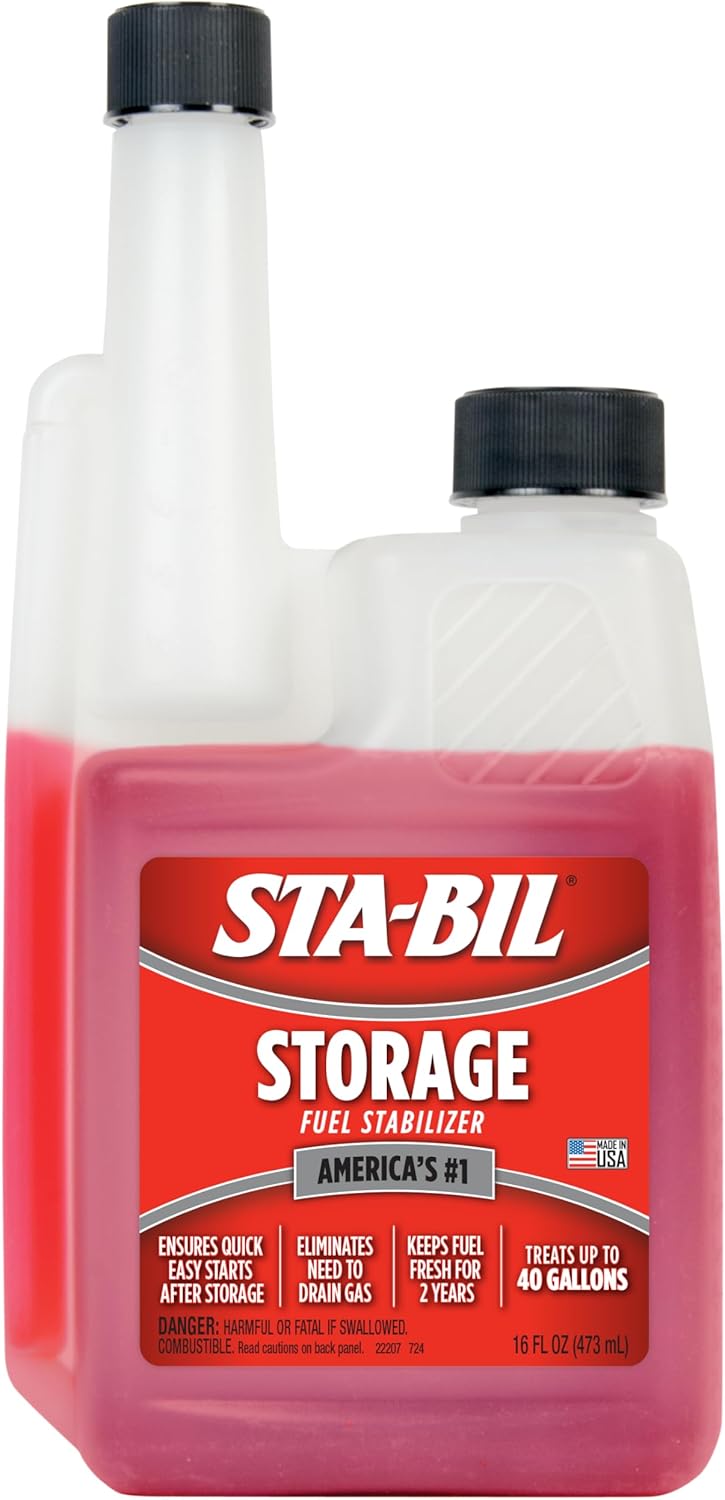
If you run your generator a few times a year for camping or short outages, a classic storage stabilizer is enough. STA-BIL Storage Fuel Stabilizer, around $12 for 16 ounces, is one of the most widely used brands and is easy to find. Add it to fresh gas when you fill your can, so every tank is protected. Follow the dosing chart on the bottle.
For Bad Weather and Tough Conditions
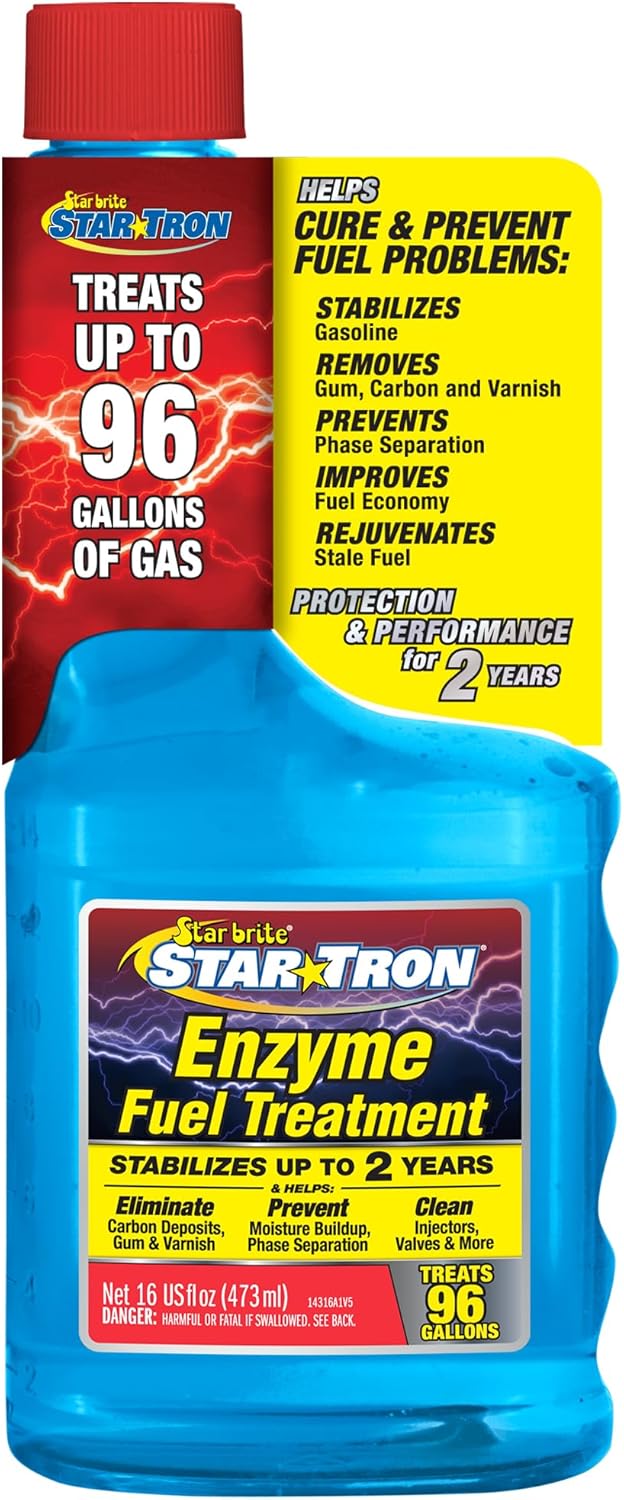
Humid, coastal and lakeside storage speeds up water absorption in ethanol blended fuel, which can lead to phase separation, where water and ethanol settle at the bottom of the tank. Enzyme based treatments like Star Tron, around $23, say they disperse water into tiny droplets that burn off safely and stabilize fuel up to two years. Ethanol Shield also targets ethanol related corrosion.
For Frequent or Serious Users
Contractors, farms, food trucks and households with several generators and gas tools go through a lot of fuel. Bulk sizes like Ethanol Shield's 1 gallon jug, which the listing says treats up to 1,280 gallons, or multipacks of Sea Foam lower the cost per gallon. Frequent users still benefit from stabilizer in stored cans and in equipment that sits between seasons.
Key Features to Compare in the Best Fuel Stabilizer for Generators
Compare storage protection, ethanol and water handling, cleaning action, dosing and cost per gallon.
Storage Protection Time
Stabilizers claim to keep fuel usable for many months to two years when added to fresh gasoline. Star Tron lists up to two years. Real results depend on starting fuel quality, temperature and how sealed your container is, so treat fresh fuel and still rotate stored gas.
Ethanol and Water Handling
Most US gasoline contains up to 10% ethanol (E10). Ethanol attracts water, which can corrode fuel systems. Some treatments, like Star Tron and Ethanol Shield, focus on preventing ethanol related corrosion and phase separation. Where available, ethanol free gas stores better in small engines.
Cleaning and Deposit Control
Some products combine stabilizing with cleaning, helping prevent gum, varnish and carbon deposits. Star Tron says it removes and prevents gum and varnish build up. Sea Foam is widely used as a fuel and oil additive for cleaning. A stabilizer cannot fix a carburetor already clogged by old fuel; that may need cleaning or rebuilding.
Dosing and Ease of Use
Look for clear dosing charts and measuring chambers on the bottle. Star Tron Formula 930 uses about one ounce per 16 gallons, which makes small bottles last a long time. Add stabilizer before you fill the can so it mixes as fuel flows in.
Cost per Gallon Treated
Divide the bottle price by the gallons it treats. Concentrated formulas and bulk jugs cost only cents per gallon. For a single generator, a 16 ounce bottle often lasts a season or more.
Fuel Type and Generator Type
Stabilizers are for gasoline and, in some formulas, diesel. Dual fuel generators that can run on propane avoid fuel storage problems entirely when stored on propane, since propane does not go stale. Standby generators on natural gas need no stabilizer.
Fuel Stabilizers Compared
| Product | Type | Key Claim | Typical Price |
|---|---|---|---|
| STA-BIL Storage | Classic stabilizer | Keeps stored fuel fresh | Around $12 for 16 oz |
| Star Tron Enzyme | Enzyme treatment | Stabilizes up to 2 years, fights ethanol issues | Around $15 to $23 |
| Ethanol Shield | Ethanol focused | Prevents corrosion, 1 gal treats up to 1,280 gal | Around $75 per gallon |
| Sea Foam Motor Treatment | Fuel and oil additive | Cleans and stabilizes fuel | Sold in single cans and multipacks |
Common Mistakes to Avoid When Buying Fuel Stabilizers
- Adding stabilizer to old gas: it slows degradation of fresh fuel but cannot fully restore badly stale fuel.
- Not running the engine after treating: run the generator for several minutes so treated fuel reaches the carburetor.
- Overdosing: follow the label; more is not better.
- Storing gas in vented or damaged cans: use sealed, approved fuel containers.
- Ignoring propane: dual fuel owners can store on propane to avoid stale gas altogether.
Signs Your Generator Fuel Has Gone Bad
Old fuel shows clear warning signs. Gasoline that has turned darker, smells sour or varnish like or shows a separated layer at the bottom of a clear container should not go into your generator. A generator that surges, runs rough, stalls under load or will not start after storage often has gummed up carburetor jets. If you see these signs, drain the old fuel into an approved container for proper disposal at a hazardous waste site, refill with fresh treated gas and, if the engine still runs poorly, have the carburetor cleaned. Prevention with stabilizer and regular runs is far cheaper than repairs.
Generator Storage Checklist
- Change the oil before long storage, since used oil contains acids.
- Clean or replace the air filter.
- Charge or maintain the battery on electric start models.
- Cover the generator and store it in a dry, ventilated space.
- Label fuel cans with the purchase date and treatment used.
Setup and Care Tips
- Buy fresh gas and add stabilizer at the pump or as you fill the can.
- Fill the generator tank nearly full to reduce air space and condensation, or run it dry using the fuel shutoff for long storage, following the manual.
- Run the generator under load monthly for 15 to 30 minutes.
- Rotate stored gas into your car or mower every few months.
- Store fuel in approved containers in a cool, ventilated area away from living spaces.
Fuel Stabilizers: Your Questions Answered
What features matter most in fuel stabilizers for generators?
Storage protection time, ethanol and water handling and easy dosing matter most. Choose a cleaning formula if your generator sits for long periods, and a bulk size if you treat a lot of fuel.
How long does stabilized gas last in a generator?
Treated fresh gasoline can last many months to about two years, depending on the product and storage conditions. Rotate fuel anyway, especially in hot or humid storage.
Should I drain my generator or use stabilizer?
Both approaches work; follow your manual. Many owners stabilize fuel and run the generator monthly, while others run the carburetor dry with the fuel shutoff before long storage.
Do I need stabilizer for a dual fuel generator?
Only for the gasoline side. Running the carburetor dry and storing on propane avoids stale gas, but if gasoline stays in the tank, treat it.
Can stabilizer fix a generator that will not start?
Not usually. If old fuel has already clogged the carburetor, it may need cleaning or replacement. Stabilizer prevents the problem rather than curing it.
Is ethanol free gas better for generators?
Yes, ethanol free gas stores longer and is less likely to absorb water. It costs more and is not available everywhere. If you use it, a stabilizer still helps for long storage, and it is especially useful for small engines that sit for months.
Wrapping Up
Treat fresh gas every time, run your generator monthly and choose a stabilizer that fits your storage conditions. STA-BIL suits occasional users, Star Tron and Ethanol Shield suit humid storage and ethanol concerns and bulk sizes suit frequent users. Keep those habits and the best fuel stabilizer for generators will help your generator start every time the power fails. Compare current options in the product table above, and see our guide to the best gas for generators.