
Best Self Propelled Lawn Mowers for Hills: What Actually Matters Before You Buy
Disclosure: We may earn a commission when you buy through links on this page, at no extra cost to you. As an Amazon Associate I earn from qualifying purchases. Learn more
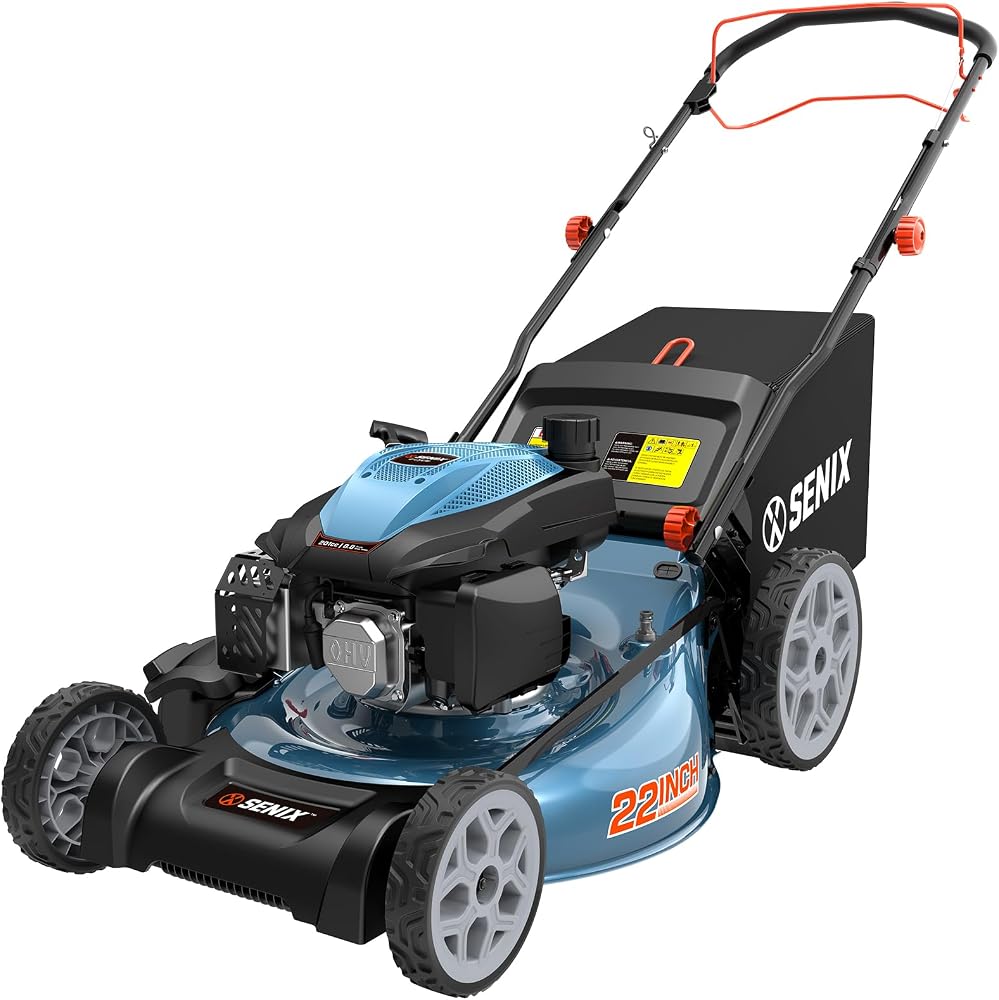
A checklist for self propelled mowers on slopes, with three rear wheel drive picks.
Pushing a mower up a sloped yard is the fastest way to turn a 30 minute chore into an exhausting afternoon. A self propelled mower does the pulling for you, but not every drive system handles hills equally well. The best self propelled lawn mowers for hills use rear wheel drive for traction, let you adjust speed to the slope and have enough power, or battery capacity, to climb without bogging down.
Before comparing models, here is the checklist we use to judge every mower in this guide. If a mower fails two or more of these points, it is not a good choice for sloped lawns at any price.




How We Evaluate Self Propelled Lawn Mowers
Features That Matter for Hills
Rear wheel drive is the top priority. When you climb, weight shifts toward the back wheels, so driving them gives the best grip; front wheel drive mowers tend to spin on inclines. Variable speed control matters too, so you can slow down on steep sections. Larger rear wheels roll more easily over bumps and soft ground.
Power Source: Gas, Battery, or Corded Electric
Gas mowers deliver steady torque for long climbs and large lawns. Battery mowers are quieter and lighter, and modern brushless motors handle hills well, but climbing drains batteries faster, so look for higher capacity or two batteries. Corded electric mowers are poor choices for hills because the cord gets in the way on slopes.
Deck Material and Build
Steel decks are durable and common on gas mowers like the SENIX and PowerSmart, which list heavy duty steel. Many battery mowers use steel or composite decks to save weight. A lighter mower is easier to control across a slope.
Yard Size and Cutting Width
A 21 to 22 inch deck balances coverage and control on hills. Wider decks cut faster but are harder to steer on slopes. Match runtime to your lawn: Greenworks lists up to 3/4 acre for its 60V kit with two batteries and up to 1/2 acre for its 80V model on one battery.
Drive Type
Self propelled walk behind mowers suit most sloped residential lawns. Riding mowers and zero turns can be dangerous on steep slopes and are only suitable on gentle grades within the maker's limits. Robotic mowers list maximum slope ratings, so check those carefully.
Slopes and Terrain
Check the manual's slope guidance before buying. With a walk behind mower, mow across the slope, side to side, not up and down, so the mower cannot roll back onto you. Avoid mowing wet grass on hills, and skip any slope that feels unstable underfoot; a string trimmer is safer there.
3 Picks That Pass Our Checklist
Prices change often, so treat these figures as approximate.
Best Overall: Greenworks 80V 21 Inch Self Propelled
Greenworks lists rear wheel drive with variable speed control for traction and maneuverability, a brushless motor for torque and long life, a durable steel deck and an LED headlight for early and late mowing. It cuts up to 1/2 acre on the included 4.0Ah battery and carries a 4 year limited tool and battery warranty. It suits sloped lawns up to about half an acre. The limit: only one battery included, so larger yards may need a second. It costs around $480.

Best Value: Greenworks 60V 21 Inch Self Propelled (2 Batteries)
This kit includes two 4.0Ah batteries and a brushless motor, with Greenworks listing rear wheel drive traction for slopes and thick grass, on the go speed adjustment and coverage up to 3/4 acre. The 4 in 1 system mulches, bags, side discharges and rear discharges. It suits larger sloped yards that need extended runtime. The limit: swapping batteries mid mow. It costs around $450.

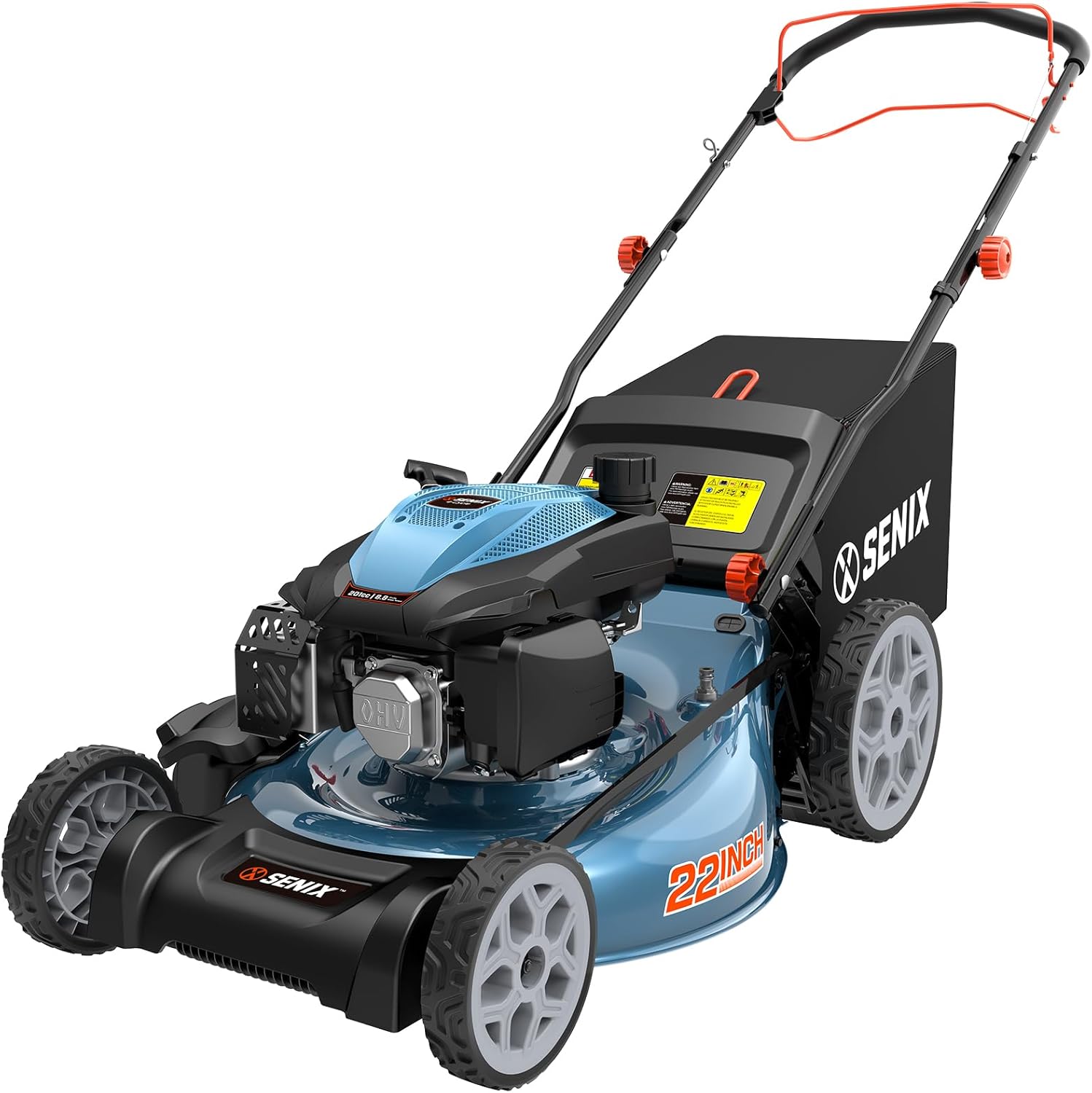
Best Gas Pick: SENIX 22 Inch 201cc Rear Wheel Drive
For steady power on long climbs, the SENIX uses a 201cc OHV engine that SENIX lists at 4.7 HP and 8.8 ft-lb of torque, with single speed rear wheel self propel, a 22 inch heavy duty steel deck for lawns up to about 11/20 acre, 3 in 1 mowing and 6 cutting heights from 1.25 to 4 inches. A folding handle saves storage space, and it has a 2 year warranty. The limit: single speed drive only. It costs around $520.

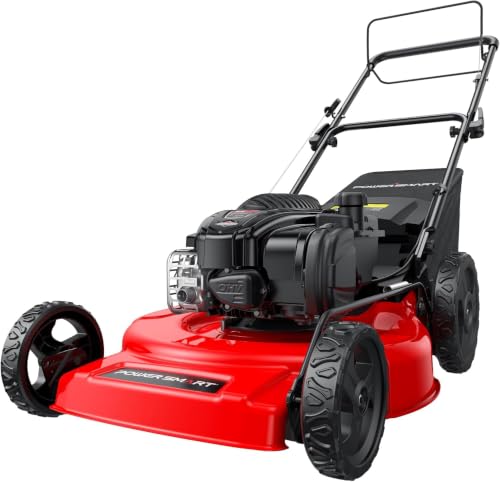
Also worth a look: the EGO POWER+ LM2135SP with Touch Drive and variable speed from 0.9 to 3.1 mph, and the PowerSmart 22 inch gas mower with a 150cc Briggs and Stratton engine and rear wheel drive listed for inclines and uneven terrain.
Battery or Gas: Choosing the Best Self Propelled Lawn Mowers for Hills
Choosing between battery and gas is the biggest decision when shopping for the best self propelled lawn mowers for hills. Battery mowers start with a button, weigh less and produce no fumes, which makes them easier to handle on a slope. The catch is runtime: climbing, thick grass and bagging all draw more power, so the listed acreage can shrink on a hilly lot. Two battery kits, like the Greenworks 60V, or a spare pack solve that.
Gas mowers keep going as long as there is fuel in the tank, and their steady torque suits long or steep climbs on larger properties. They are heavier and louder and need oil changes, fresh fuel and spark plugs, but there is no waiting for a recharge halfway through the job.
A simple rule: for lawns up to about half an acre with moderate slopes, a rear wheel drive battery mower is usually the better experience. For larger sloped lots, or if you mow tall grass after long gaps, gas still makes sense. Either way, choose rear wheel drive and variable speed, and keep the deck size around 21 to 22 inches for control.
Think about storage and noise, too. Battery mowers often fold or stand upright in a small garage, and they are quiet enough for early mornings. Gas mowers need ventilated storage away from living spaces and a safe place to keep fuel.
Quick Buyer Checklist
- Is it rear wheel drive?
- Can you adjust drive speed for steep sections?
- Does the battery capacity or fuel tank cover your lawn with climbs?
- Is the deck 21 to 22 inches for control on slopes?
- Does it fold or stand upright for storage?
- Does the manual list slope guidance you can follow?
- Is the warranty at least 2 years, ideally longer on batteries?
Red Flags to Watch For
- No drive type listed: if a listing never says rear wheel drive, assume it may be front drive.
- Small batteries for big lawns: hills drain packs quickly.
- Push mowers labeled "easy to push": not a substitute for self propel on hills.
- Short warranties on batteries: replacement packs are expensive.
- Riding mowers marketed for steep hills: always check the maker's slope limit.
Best Self Propelled Lawn Mowers for Specific Needs
Best Self Propelled Lawn Mowers on Hills: What to Check
For the best self propelled lawn mowers on hills, check three things in the listing: rear wheel drive, variable speed and runtime under load. Battery mowers like Greenworks and EGO suit most residential slopes; gas mowers like SENIX and PowerSmart suit larger sloped lots and long climbs.
For more options, see our guides to self propelled electric lawn mowers and battery lawn mowers.
How to Make Your Self Propelled Lawn Mower Last Longer
- Sharpen blades each season: dull blades tear grass and make the motor work harder.
- Clean the deck: remove packed grass after each mow, with the spark plug or battery removed.
- Check drive belts and wheels: worn drive parts slip on hills first.
- Store batteries indoors: keep them cool and partially charged over winter.
- Change oil and stabilize fuel: for gas mowers, follow the manual's schedule.
Self Propelled Lawn Mowers: Your Questions Answered
What features matter most in self propelled lawn mowers for hills?
Rear wheel drive, variable speed, enough power or battery capacity for climbs and a manageable weight. A 21 to 22 inch deck keeps the mower controllable across slopes.
How long does a self propelled lawn mower last?
With regular maintenance, many self propelled mowers last 7 to 10 years. Batteries usually need replacing sooner than the mower, depending on use and storage.
Is a zero turn worth it for one acre?
On flat ground, often yes. On hilly lots, zero turns can lose traction on slopes, so check the maker's maximum slope and consider a self propelled walk behind for steep sections.
How often should I sharpen mower blades?
Sharpen at least once a season, or every 20 to 25 hours of mowing. Sharpen more often if you mow sandy soil or hit sticks and roots.
What size mower do I need for my yard?
A 21 to 22 inch self propelled mower suits lawns up to about half an acre to three quarters of an acre. Larger lots may call for a riding mower on gentle areas plus a walk behind for slopes.
Wrapping Up
Rear wheel drive, variable speed and runtime matter most. For the best self propelled lawn mowers for hills, start with the Greenworks 80V, choose the Greenworks 60V two battery kit for larger yards, or the SENIX 201cc for gas powered climbing. Always mow across slopes and follow the manual's slope guidance.


