
Best Chainsaw for Milling in 2026: Big Engines, Ripping Chain, Honest Limits
Disclosure: We may earn a commission when you buy through links on this page, at no extra cost to you. As an Amazon Associate I earn from qualifying purchases. Learn more

Choose the best chainsaw for milling with this guide to engine size, ripping chain, mill frames, auxiliary oilers and the logs each saw class can slab.
Milling asks a chainsaw to do the hardest job in its world: run at full throttle, buried in a rip cut, for the entire length of a log, pass after pass. Saws that feel strong crosscutting firewood can cook themselves doing this. The best chainsaw for milling is therefore a different animal from the best general purpose saw. It starts with engine displacement, adds torque that holds under load, and assumes you will fit ripping chain and probably an auxiliary oiler before the first slab comes off.
This guide sizes the saw to the logs you realistically have, explains the milling specific hardware, and is honest about where a chainsaw mill stops making sense. For general saw selection across sizes, our guide to the best chainsaw range covers the broader picture. The comparison table below shows the engine classes that milling actually uses.
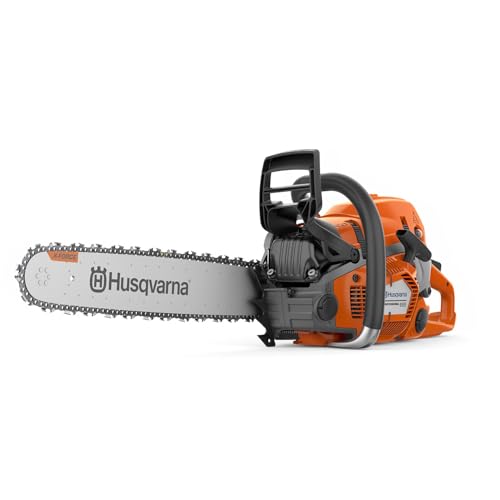


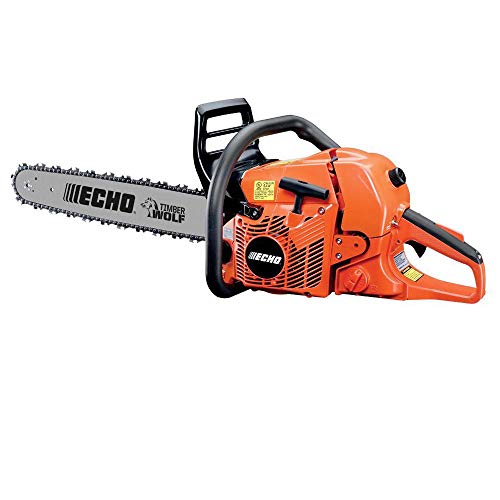


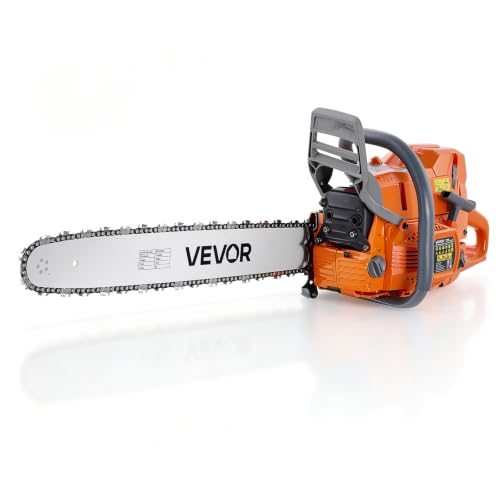
Who Should Buy Which Chainsaw for Milling?
Furniture Makers Slabbing Fallen and Urban Trees
Your logs are valuable one offs: a walnut from a yard removal, an oak the city crew would have chipped. You mill wide slabs for tables and benches, so your setup needs the widest cut capacity and the flattest finish. A saw in the 80 to 90 cc class or larger, turning ripping chain on a rail guided mill frame, is your working configuration. Surface quality comes from the rail system and chain sharpness more than raw power, but power is what lets a wide cut proceed without lugging the engine.
Homesteaders Milling Beams and Boards for Outbuildings
You mill softwood and mid size hardwood into dimensional lumber for sheds, fences, and repairs, and volume matters more than slab width. A 70 cc class professional saw is the workhorse here: strong enough for a 24 to 30 inch bar in a clamp on mill, light enough to also fell and buck the trees it later mills. Build your budget around the whole system, mill frame, ripping chains, wedges, and a cant hook, because the saw is only about half the working cost.
Owners With One Big Log and a Small Project
One fallen tree and a plan for two bench slabs does not justify a flagship milling saw. A 60 cc class saw with a small mill attachment handles logs up to about 20 inches at a patient pace, and renting a portable band sawmill for a weekend beats buying anything if the log count is truly one. Be honest about the project list before spending, because milling saws are specialized, heavy machines that make poor everyday saws afterward.
Key Features to Compare
Engine Displacement and Torque
Displacement is the headline spec in milling, because rip cuts load the engine continuously rather than in bursts. Treat 60 cc as the floor for small logs, 70 to 80 cc as the versatile middle, and 90 cc and up as the wide slab class. Just as important is torque delivery: professional engines are tuned to pull at working RPM without bogging, and a saw that must scream at maximum revs to keep moving will overheat. If a listing hides displacement behind horsepower claims, walk away; serious milling saws state their cc plainly.
Bar Length Versus Mill Capacity
A mill frame clamps to the bar and steals length at both ends, and the first cut also loses depth to the guide rail. As a rule, the usable cut width is roughly the bar length minus 6 to 10 inches depending on the mill design. A 36 inch bar therefore slabs logs around 26 to 30 inches wide. Match the bar to your largest expected log, not your average one, and remember that every extra inch of bar adds chain cost, sharpening time, and drag the engine must pull.
Ripping Chain Compatibility
Milling uses ripping chain ground to a shallow angle, around 10 degrees, which slices along the grain and leaves a far smoother surface than the 30 degree crosscut grind. Confirm your saw and bar combination accepts the ripping chain you plan to run, in pitch and gauge, and budget for several loops, because a dull chain in a long rip cut overloads the engine and wanders. Some millers run skip tooth chain on wide bars to clear the large volume of sawdust a rip cut produces, which also reduces the load per tooth.
Oiling Capacity for Long Rip Cuts
A rip cut runs the full bar in wood for minutes at a time, and standard oilers sized for crosscutting can run the bar dry mid pass, especially on long bars. Look for a high output adjustable oiler, and plan on an auxiliary oiler that drips bar oil at the far end of the bar for wide work; most serious mill setups include one. Check the oil tank capacity against the fuel tank, because milling pace empties oil faster than normal cutting, and a dry bar wears rails and stretches chain in a single session.
Air Filtration and Cooling
Milling surrounds the saw with fine sawdust for hours, and the air filter loads up far faster than in felling work. Professional saws offer heavy duty filtration systems and pre separation that keep the filter cleaner between services. Cooling matters just as much, since the engine works at sustained high load with the bar buried and airflow over the cylinder reduced by the mill frame. A saw that heat soaks will lose power pass by pass; generous cylinder finning and a clean cooling path are milling features, not luxuries.
Build Class and Warranty Reality
Milling is severe service, and it exposes the gap between homeowner and professional construction fast. Magnesium crankcases, coated cylinders, and dealer serviceable parts belong on a milling saw. Read the warranty terms before you buy: some homeowner grade warranties exclude milling or commercial style use, which means the cheapest path to a milling saw can become the most expensive after one failure. Our guide to the best chainsaw for homeowners explains where that class tops out, and milling sits beyond it.
Setting Up the Mill System Around the Saw
The saw is one part of a system. A rail mill that clamps to the bar and rides a guide rail or ladder for the first cut gives the flattest slabs; simpler clamp on frames that ride the previous cut cost less and demand more skill. Add wedges to hold the kerf open, a log deck or bunks that hold the log dead still, and hearing protection rated for hours of full throttle noise. Work through the first log slowly: set the rail, make the opening cut, then slab downward in planned thicknesses, sticker the boards the same day so they dry flat. The system, the chain, and the routine matter as much as the engine in front of it.
What Your Budget Buys for Milling
A workable small setup starts around $600 to $900 for a 60 cc class saw bought used or on sale, plus the mill attachment. The serious middle, about $1,000 to $1,600, buys a new 70 to 80 cc professional saw and a rail mill system. Wide capacity setups with 90 cc class saws, long bars, and full rail systems run about $1,800 to $3,000. Compare those figures honestly against local portable sawmill rates; for a handful of logs, hiring the band mill is often the rational purchase.
Common Mistakes to Avoid
- Milling with crosscut chain because it was already on the saw, which tears the surface, overheats the engine, and doubles the effort per pass.
- Undersizing the engine to save money, then running it at full throttle beyond its duty until the piston scores.
- Skipping the auxiliary oiler on a long bar, so the far end of the bar runs dry and wears a groove into the rails.
- Milling a log resting directly on the ground, where the frame cannot sit level and every slab comes out tapered.
- Stacking fresh slabs flat without stickers between them, which grows mold and warps boards within days.
Care and Maintenance for a Milling Saw
Milling maintenance runs on a shorter clock than normal saw care. Clean or swap the air filter every milling day, sometimes twice, because fine rip dust packs filters quickly and a choked engine runs hot and lean. Feed the bar generously and check oil delivery at the start of every pass. Let the saw idle briefly and cool between long cuts rather than shutting it off heat soaked. Sharpen ripping chain on its shallow angle and keep all cutters equal in length, since uneven cutters make the mill drift. After a milling session, blow out the cooling fins and clutch cover, inspect the bar rails for uneven wear, and store the saw knowing it worked harder in one afternoon than a firewood saw works in a month.
FAQ
How big of a chainsaw do you need for milling?
For logs up to about 20 inches, a 60 cc class saw is the sensible minimum. Logs in the 20 to 30 inch range want 70 to 80 cc, and wide slab work beyond that calls for 90 cc and up. These are working minimums for hardwood; softwood is more forgiving. Buying one class above your largest planned log keeps the engine in its comfortable range instead of at its limit all day.
Can you mill lumber with a battery chainsaw?
Only in the lightest sense. The strongest battery saws can make short rip cuts in small logs, but milling drains packs quickly and the sustained load is hard on motors and electronics. Our survey of the best battery chainsaw class shows what the top end can do, and milling sits past it. For anything beyond a novelty cut or two, milling remains gas work, and the budget should accept that from the start.
What chain should you use for milling lumber?
Use ripping chain ground to about a 10 degree top plate angle, matched to your bar in pitch, gauge, and drive links. Ripping chain cuts with the grain rather than across it, which leaves a smoother slab face and pulls less power per inch of cut. Keep at least two sharp loops ready, because swapping a chain mid log is faster than filing on the log, and a sharp chain is also an engine protection device.
Does milling void a chainsaw warranty?
It can. Many homeowner grade warranties exclude commercial use, and milling is often treated as severe or commercial service even when you mill your own trees. Professional grade saws usually carry terms that tolerate the work. Read the exclusions before purchase, not after a failure, and consider the dealer support network part of the price, since a milling saw will meet its dealer sooner than a pruning saw will.
How wide of a log can a chainsaw mill handle?
With the common rail and clamp on mills, logs up to about 30 to 36 inches are realistic for dedicated hobby setups, and smaller mills handle 20 to 24 inches. Width is limited by bar length minus what the frame clamps consume, and by engine power in wide hardwood. Beyond that range, a portable band sawmill is faster, flatter, and kinder to both the wood and the operator.
Final Thoughts
Milling rewards honest sizing more than any other chainsaw work. Count your logs, measure the widest one, and buy the engine class above the comfortable minimum, with ripping chain and extra oiling in the same budget. Sized that way, the best chainsaw for milling turns trees you already own into lumber you cannot buy at the yard. Check the engine classes in the product table above against your log pile before you commit to a frame size.


