
Best Above Ground Pool Robotic Cleaners: Budget, Midrange, and Premium Picks for 2026
Disclosure: We may earn a commission when you buy through links on this page, at no extra cost to you. As an Amazon Associate I earn from qualifying purchases. Learn more

Want the best above ground pool robotic cleaners without overspending? See what each price tier delivers and which upgrades are truly worth paying for.
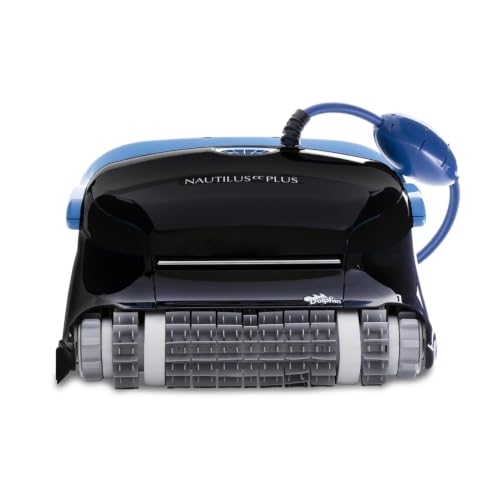
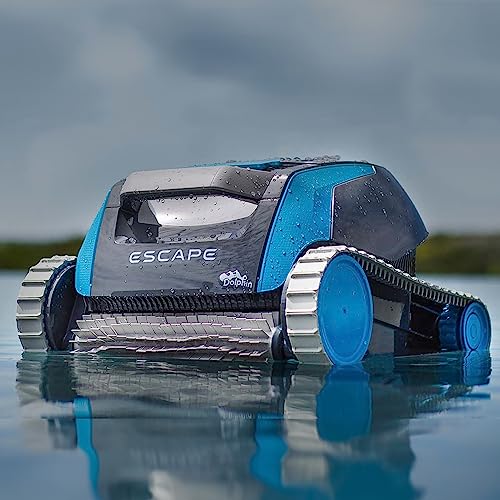
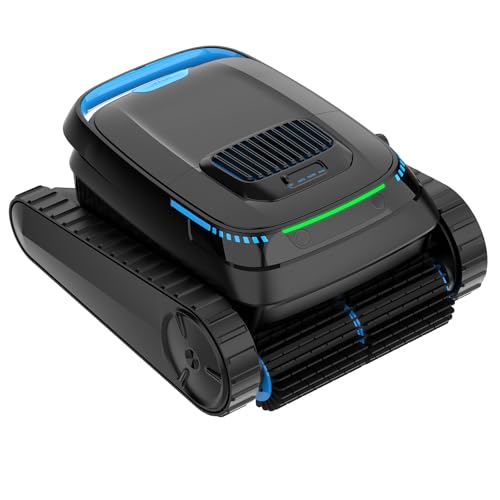
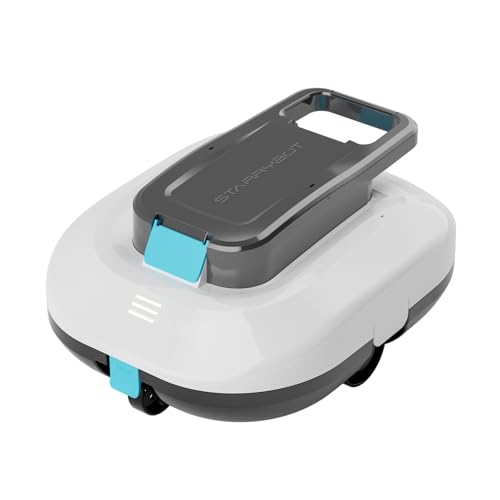
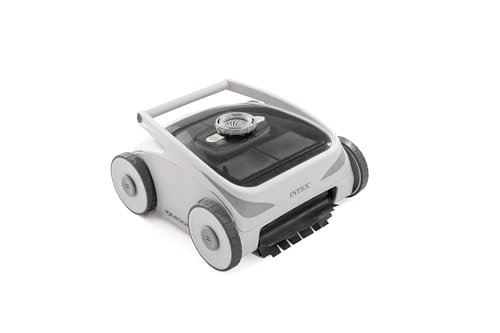
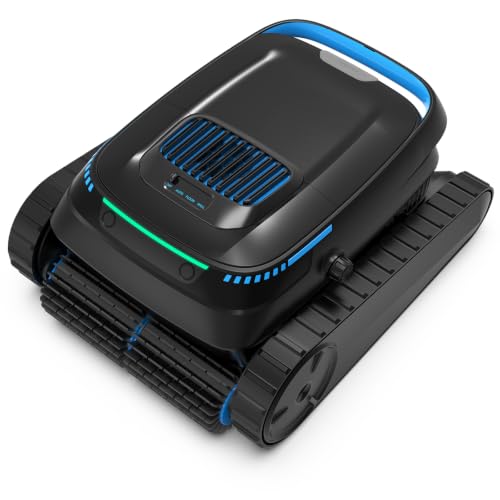
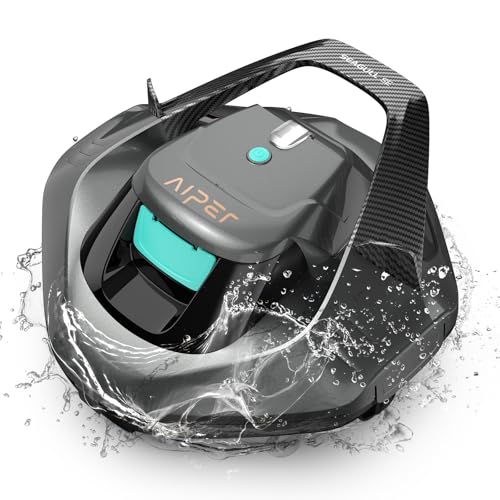
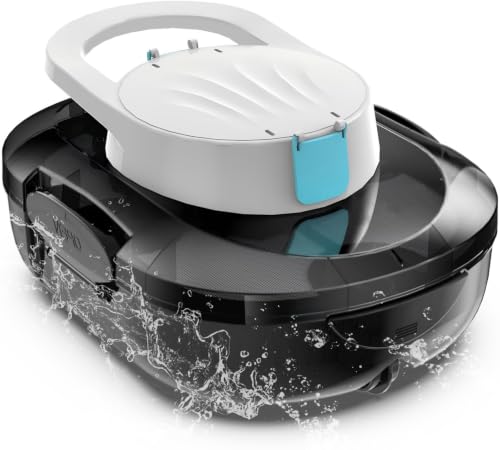
Prices for robotic cleaners span a wide range, and the gap between a basic model and a premium one can be several hundred dollars. This guide to the best above ground pool robotic cleaners shows you where that money actually goes, so you can match your budget to the cleaning power your pool really needs. The comparison table below sums up the main options side by side.
You will learn how coverage, filtration, battery runtime, and navigation differ across price tiers, and which upgrades matter for soft sided pools, steel frame pools, and larger family pools. By the end, you will know exactly which tier fits your routine before you spend anything.

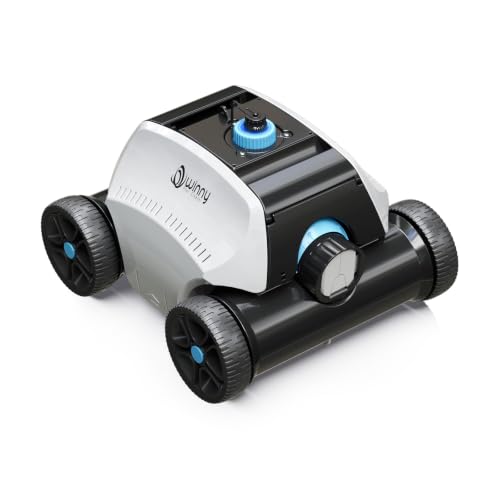
Who Should Buy Which Robotic Cleaner?
Start with your pool and your routine, not with a price tag. A small seasonal pool that you supervise on weekends needs a very different robot from a large pool under trees that fills with leaves every week. The three groups below cover most owners, and each one points to a sensible tier. If you are still weighing robot ownership against other cleaner types, see our guide to the best above ground pool cleaners for the full picture.
Owners of Small Seasonal Pools on a Tight Budget
You own a soft sided or small frame pool, you run the cleaner while you are nearby, and you mainly fight sand, dust, and a light layer of leaves. A simple floor only robot with a single cleaning cycle and a modest filter basket covers this job well, and most budget models cost around $200 to $350. Skip wall climbing and app control at this level, because those features add cost without adding clean water in a shallow pool. Prioritize a light body you can lift out with one hand and a basket you can rinse in seconds.
Families With Midsize Pools and Weekly Debris
Your pool stays up all season, the kids swim most days, and trees or grass nearby keep feeding dirt into the water. You benefit from a larger basket, a longer runtime of about 90 minutes, and a smarter navigation pattern that covers the floor in rows instead of wandering. Midrange robots around $350 to $550 usually add finer filtration and a second cycle length. If hands off weekly cleaning is your goal, compare the options in our guide to the best automatic pool cleaners for above ground pools as well.
Busy Owners Who Want Scheduling and Wall Cleaning
You want to drop the robot in, press one button, and come back to a finished pool, including the lower walls and the waterline where sunscreen and dust collect. Premium robots around $550 to $900 add wall climbing, programmable schedules, and retrieval modes that park the unit at the wall for easy lifting. This tier suits larger pools up to about 30 feet and owners who clean two or three times a week. Pay for it only if you will actually use the schedule, because an unused app adds nothing to a clean pool.
What Your Money Gets You at Each Price Tier
Budget Tier: Simple Floor Cleaning That Works
Budget robots focus on the pool floor, run one fixed cycle of about 60 minutes, and use a basic filter basket that traps leaves and coarse sand. You give up wall climbing, scheduling, and fine particle filtration, and the body may feel light and plasticky. For a small pool with light debris, none of those trade offs hurt much. The real value here is independence from your pump and filter system, because the robot collects debris in its own basket instead of loading your pool filter.
Midrange Tier: Better Filtration and Smarter Coverage
Midrange models are where most owners should shop, and our guide to the best robotic above ground pool cleaners under $500 shows how crowded this tier is. You typically get a runtime of about 90 to 120 minutes, a larger basket, and filtration fine enough to catch dust and pollen. Navigation improves too, so the robot misses fewer corners, and many models climb the lower wall.
Premium Tier: Automation, Walls, and the Waterline
Premium robots add the features that save you effort rather than just cleaning time. Expect wall and waterline scrubbing with active brushes, weekly scheduling, longer battery runtime, and finer filter options you can swap by debris type. Build quality and warranty support also improve, with coverage of about 2 to 3 years on many models. This tier pays off for large pools, heavy leaf loads, and owners who travel and want the pool maintained on a timer. For a small pool, the same money is usually better spent on a midrange robot and a spare filter basket.
Key Features to Compare
Coverage Rating and Climbing Ability
Every robot lists a maximum pool size, and you should match that rating to your pool length with a little room to spare. A robot rated for pools up to 30 feet will struggle at the far corners of a 33 foot pool, because its cycle ends before it finishes the pattern. Climbing is the second half of this choice. Floor only models suit flat bottom pools, while wall climbing models scrub the lower wall and waterline where biofilm forms. If your pool has a deep end style slope or sharp floor to wall angles, confirm the maker lists your pool shape as supported.
Filtration Fineness and Basket Capacity
Filtration is rated in microns, and lower numbers catch smaller particles. A basket around 180 microns handles leaves and bugs, while finer options near 50 microns or below pick up dust, sand, and pollen that make water look hazy. Basket capacity matters just as much, because a small basket fills fast under trees and the robot then pushes debris around instead of collecting it. If your pool sits near trees, choose capacity over fineness. If your problem is cloudy water on a clean patio pool, choose the finer filter and rinse it after every cycle.
Battery Runtime, Charging, and Cord Choices
Most robots for above ground pools are cordless and run on a rechargeable battery, typically for about 60 to 120 minutes per charge. Match runtime to pool size, because a big pool needs the full pattern finished in one session. Charging usually takes about 3 to 5 hours, so a robot you run daily should recharge fast or hold enough power for back to back days. Corded models still exist and never run out of power mid cycle, but the cable can tangle and needs a swivel to behave. For most owners, cordless convenience wins if the runtime covers the pool.
Navigation Pattern and Cycle Options
Cheap robots bounce off walls at random, which works in a small round pool but leaves missed patches in large or rectangular pools. Better models follow a planned route, often described as a grid or wall to wall pattern, and finish with more even coverage. Cycle options let you pick a short clean for light days and a long clean after a storm. One practical detail is the end of cycle behavior. Robots that park near a wall are far easier to retrieve with a hook than robots that stop in the middle of the pool.
Weight and Ease of Removal
A robot full of water weighs far more than the dry weight on the box, and you will lift it out after every single clean. Models around 12 to 20 pounds dry are manageable for most adults, especially with a wide handle and a quick drain design that sheds water fast. If lifting is hard for you, look for a retrieval mode or a floating handle you can grab from the deck. This factor sounds minor in a listing and becomes the main reason owners stop using a robot, so weigh it honestly before you buy.
Best Above Ground Pool Robotic Cleaners for Intex Pools: Where Your Money Goes
The pick for best above ground pool robotic cleaners for Intex pools depends on three things that differ from rigid wall pools. First, soft vinyl floors wrinkle, so you want soft wheels or tracks and gentle brushes that will not catch or tear the liner. Second, frame pool walls flex, so floor only cleaning is usually enough and aggressive climbing can stress the wall. Third, these pools are smaller, so a compact robot around $200 to $400 with about 60 to 90 minutes of runtime covers the whole floor without paying for capacity you will never use.
Common Mistakes to Avoid
- Buying a robot rated for a smaller pool than yours, so the cycle ends before coverage is complete and corners stay dirty.
- Paying for wall climbing on a soft sided pool, where flexing walls make climbing unreliable and the money buys nothing.
- Choosing the finest filter for a leaf heavy pool, so the basket clogs in minutes and cleaning stalls.
- Leaving the robot stored in direct sun all week, which ages the battery and the seals faster than normal use.
- Judging by hand vacuum prices and specs instead, a confusion our guide to the best above ground pool vacuum cleaners helps you avoid, because robots clean on their own while vacuums need your time.
How to Make Your Robotic Pool Cleaner Last Longer
Rinse the filter basket after every cycle, because debris left sitting in the basket breeds odor and clogs the mesh for the next run. Store the robot in shade or indoors, out of the pool, and keep the charging port dry before you plug it in. Run the cleaner on a regular rhythm instead of waiting for a visible mess, since light loads are easier on the motor and brushes. In winter, charge the battery partway, store the unit indoors, and check the brushes and wheels before the first clean of spring.
FAQ
Can I leave a robotic pool cleaner in an above ground pool all week?
No, you should take the robot out after each cleaning cycle. Leaving it in chlorinated water all week ages seals, fades the shell, and can void parts of the warranty. A useful habit is to lift it out, rinse the basket, and store it in shade. If you want cleaning while you are away, use a model with a weekly schedule and ask someone to empty the basket between runs.
How long should a robotic cleaner run in an above ground pool?
One full cycle of about 60 to 90 minutes is enough for most above ground pools. Run a second cycle only after storms or parties, when debris is visibly heavy. Running longer than needed adds wear without adding cleanliness, because a robot that has covered the whole floor is just stirring clear water. If corners still look dirty after a full cycle, the issue is usually navigation or pool size rating, not cycle length.
Do robotic pool cleaners work on wrinkled vinyl liners?
Yes, most robotic cleaners work on wrinkled vinyl liners if the wheels are soft and the brushes are made for vinyl. Deep wrinkles can still trap dirt and slow the robot, so smooth out major folds when you set the pool up. Avoid models with stiff bristles meant for concrete pools, because they can scuff a liner over time. If your robot keeps climbing one spot, a wrinkle is often deflecting it, and flattening that fold fixes the pattern.
Are robotic pool cleaners worth the cost for a small above ground pool?
Yes, a robotic cleaner is worth it for a small pool if your time is worth more than the price gap over manual tools. A budget robot around $200 to $350 frees you from weekly hand vacuuming and keeps the filter system cleaner, because debris lands in the robot basket instead. The math is weaker if you drain the pool after a short season and enjoy skimming by hand. In that case a simple manual vacuum covers the job for far less money.
Final Thoughts
Choose by pool size first, debris type second, and automation third, and the right tier becomes obvious. Small seasonal pools thrive with a simple budget robot, leaf heavy family pools belong in the midrange, and premium automation only earns its price when you use the schedule every week. Compare the finalists in the product table above, and pick the best above ground pool robotic cleaners for your pool with confidence.


