
Best Battery String Trimmer: A Buying Guide for 2026
Disclosure: We may earn a commission when you buy through links on this page, at no extra cost to you. As an Amazon Associate I earn from qualifying purchases. Learn more

Choose the best battery string trimmer with this guide to voltage platforms, battery capacity, runtime, motors and line systems for quiet, easy trimming.
No fuel to mix, no cord to yank, no pull start that floods on the third try: the appeal of battery trimming is the ten second start. Finding the best battery string trimmer is really a battery decision first and a trimmer decision second, because the platform you choose sets your runtime, your power ceiling, and whether the packs also run your blower and mower.
This guide covers voltage platforms, capacity, motors, and feed systems through the lens of battery ownership. Check the product table as you go, and be honest about how long your real trimming sessions last.
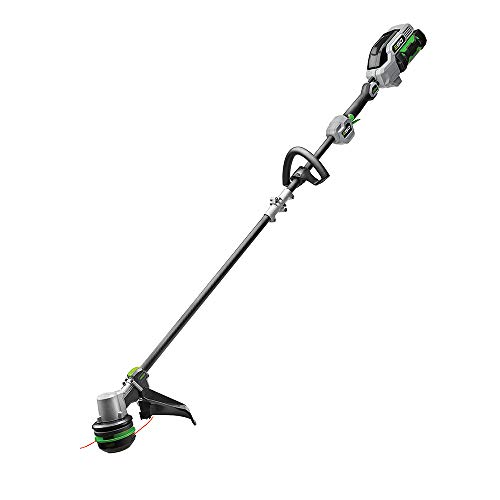


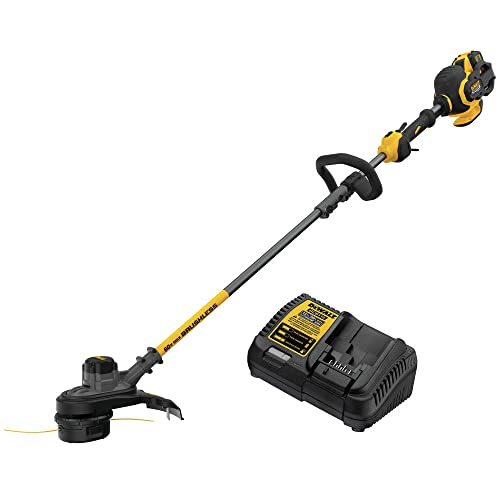
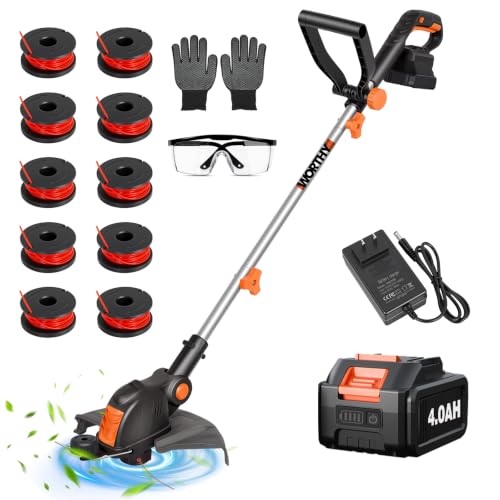

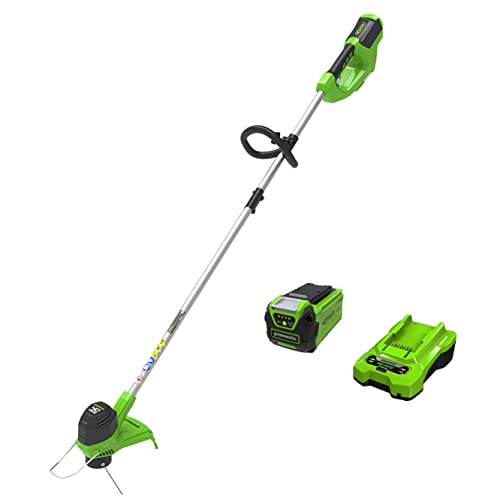



Who Should Buy Which Battery String Trimmer?
Homeowners Already Owning a Battery Tool Platform
If your drill, blower, or mower batteries share a platform with a trimmer, a bare tool is the cheapest upgrade in your entire garage. The packs you own decide your runtime, so this group should shop within its platform first. For a wider look at every power type before you commit, our best string trimmer guide compares gas, corded, and battery side by side.
Noise Sensitive Households and Early Morning Trimmers
Battery trimmers run far quieter than gas, start instantly, and produce no exhaust at face level, which matters on small lots where you work close to windows and neighbors. If your street frowns on weekend engine noise or you trim before work, this is your group. Light weight and a push button start also suit anyone who finds pull cords and fuel jugs a genuine barrier to yard work.
Owners of Larger Yards Who Still Want Battery Power
Half an acre or more is doable on batteries, but only with higher voltage platforms, larger capacity packs, and a spare in the charger. You trade the gas can for charge planning. If your growth includes brush and ditch banks, compare honestly with the best gas string trimmer options before forcing a battery tool into work it will do slowly.
Key Features to Compare
Voltage Platform and Shared Batteries
Platforms cluster in tiers: compact 18 and 20 volt systems for light yards, mid range 40 volt class systems for general suburban work, and high output 56 to 80 volt class systems that chase gas performance. Higher voltage generally means more power per charge and heavier packs. The smart money buys into the platform with the other tools you actually plan to own, since every shared battery is a spare you did not have to purchase twice.
Battery Capacity and Real Runtime
Capacity is rated in amp hours, and runtime in grass depends on that number, the swath, and how thick you cut. A 2.0 amp hour pack may trim a small yard, while 4.0 and 5.0 amp hour packs carry larger properties, at added weight on the tool. Treat maker runtime claims as light grass numbers and discount them for weeds. A two battery kit or a rapid charger changes the math completely, letting one pack charge while the other works.
Motor Type and Cutting Power
Brushless motors deliver more torque, run cooler, and last longer than brushed motors, and they manage power intelligently when the line hits thick stems. Power feel also depends on the speed control: a variable trigger plus a high and low range switch lets you sip battery on lawn edges and spend it on fence lines. If you regularly cut growth above ankle height, prioritize brushless designs and heads that accept heavier line.
Cutting Swath and Line Feed
Battery trimmers commonly cut 13 to 16 inches, a touch narrower than big gas tools, which suits residential edges and keeps power demand sane. Swappable swath settings on some models let you choose width or runtime. Bump feed heads remain the most controllable, while auto feed heads trade line waste for convenience. Check the maximum line diameter the head accepts, commonly 0.080 or 0.095 inch, because that ceiling defines your worst weed ability.
Weight With the Battery Fitted
Spec sheets often quote tool only weight, but you carry the pack too, and a large capacity battery can add two to three pounds at the rear of the tool. Rear weight actually balances a long shaft nicely, yet small users may prefer a mid size pack for control. Adjustable handles and a shaft length that fits your height decide comfort more than half a pound either way, so compare total working weight, not brochure weight.
Charging Speed and Spare Battery Cost
A standard charger may need an hour or more per pack, while rapid chargers cut that to around 30 minutes for common sizes. Price a spare battery before you buy the tool, because on some platforms a large pack costs half as much as the trimmer kit itself. Bundled two battery kits often beat piecing parts together. Also confirm the charger handles your other platform packs, since dual bay chargers quietly solve the dead battery problem for multi tool owners.
How Much Runtime Do You Actually Need?
Time your next trimming session with your current setup, then add a third for the weeks growth gets ahead of you. Most suburban yards need 15 to 30 honest minutes of cutting, which one mid size pack delivers. Large or weedy properties should plan on two packs in rotation. Remember that runtime shrinks as batteries age and as grass thickens, so buying headroom now is cheaper than buying a second platform later. If your platform mower already gives you two big packs, your trimmer runtime is effectively solved.
Common Mistakes to Avoid
- Starting a brand new battery platform for one trimmer, when your existing packs could have run a bare tool.
- Judging power by voltage alone, ignoring motor type, capacity, and the line diameter the head accepts.
- Buying a single small battery for a big yard, then trimming in frustrating ten minute shifts.
- Storing packs fully charged in a hot garage all summer, which ages lithium cells faster than use does.
- Expecting a light duty trimmer to clear brush and saplings, work that needs gas torque or a blade.
- Ignoring the price of spare batteries until after the purchase, when the second pack stings the budget.
How to Make Your Battery String Trimmer Last Longer
Store batteries indoors at a partial charge, roughly half, and top them up before use rather than leaving them full on the charger for weeks. Keep motor vents and the head free of grass juice and dust after each session, and wipe the battery contacts clean so power flows without arcing. Soak spare trimmer line in water before the season to keep the nylon flexible, and wind line evenly so the head spins without vibration. Hang the tool by its handle so the shaft stays true.
Frequently Asked Questions
Are battery string trimmers worth it over gas?
For maintained residential yards, yes: they start instantly, need almost no upkeep, and spare you fuel mixing, spark plugs, and carburetor repairs. Gas still wins for acre plus properties, brush, and all day work. The deciding factor is usually your session length and growth type, not raw power, because modern brushless battery tools cut ordinary lawn edges as fast as you can walk them.
How long does a battery string trimmer run on one charge?
Expect roughly 20 to 45 minutes of real cutting from a mid size pack in normal grass, more with a large capacity battery and less in thick weeds. Makers quote times at light load, so plan on about two thirds of the box number for mixed work. Running a narrower swath setting and trimming weekly instead of monthly both stretch a charge noticeably.
How many years do trimmer batteries last?
Quality lithium packs typically deliver several hundred full charge cycles before runtime drops to about 80 percent of new, which for seasonal trimming often means four to seven years. Heat is the main enemy, so garage storage in summer shortens life more than trimming does. When a pack finally fades, it still serves lighter tools on the same platform, softening the replacement cost.
Can a battery string trimmer handle thick weeds?
Higher voltage brushless models with 0.095 inch line handle most weeds, thistles, and fence line growth, just more slowly than gas and with shorter runtime per pack. Woody brush, saplings, and dense ditch grass remain gas territory, especially where a brush blade is the right tool. Be realistic: forcing a light trimmer through heavy growth overheats motors and drains packs, so grade your worst patch honestly before buying.
How should I store trimmer batteries over winter?
Bring them indoors, charge or discharge them to roughly half, and store them in a cool, dry place away from metal objects that could short the terminals. Check them once mid winter and top up if the indicator shows a very low state. Never leave packs on an unplugged charger or in a freezing shed, because deep cold storage plus self discharge can push cells below their safe floor.
Final Thoughts
Choose the platform first, then capacity for your longest session, then the trimmer features that fit your fences and flower beds. Compare the best battery string trimmer kits in the product table by total working weight and spare pack cost, and note that the best cordless string trimmer category overlaps heavily with this one, so cross shop both before you commit to a platform.


