
Best Cordless String Trimmers (2026): A Buying Guide for Clean Edges
Disclosure: We may earn a commission when you buy through links on this page, at no extra cost to you. As an Amazon Associate I earn from qualifying purchases. Learn more

Battery runtime, cutting swath and line feed decide the best cordless string trimmer for your yard. Compare the classes before you buy.
The lawn looks finished or unfinished at its edges, and that verdict is delivered by a spinning line working around fences, beds, and mailbox posts. Choosing the best cordless string trimmer means balancing four things that fight each other: battery runtime, cutting width, line strength, and a weight your arms can still enjoy at the last fence post of the day.
This guide sorts those trade offs without ranking models, covering how feed systems behave in real grass, why shaft shape matters more than brochures admit, and where gas still wins. The comparison table below puts the key specs side by side so you can match a trimmer class to your property size and the thickness of what grows along your fence line.

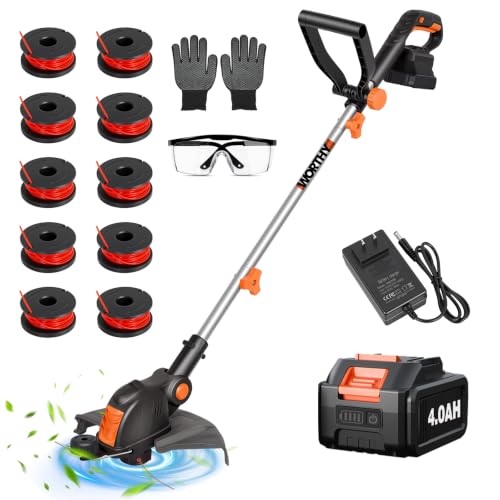

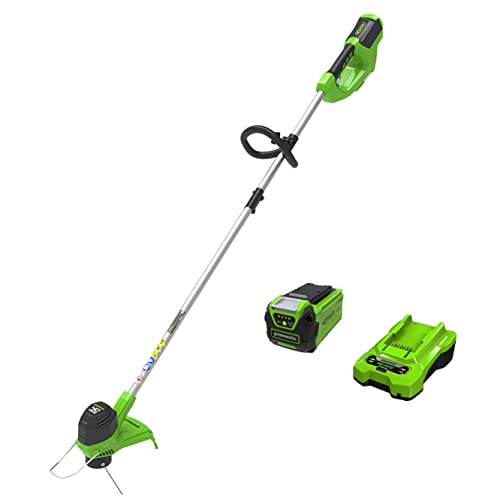


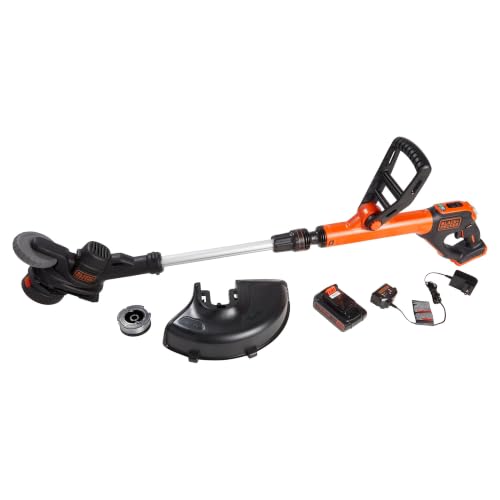

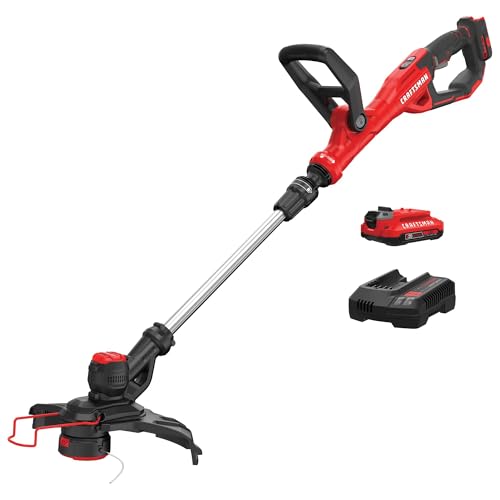
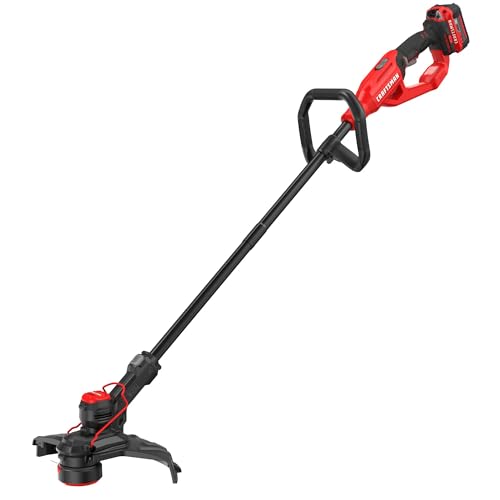
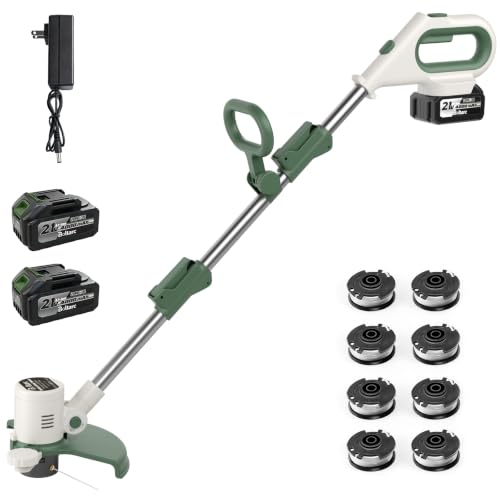
Who Should Buy Which Cordless String Trimmer?
Cordless trimmers divide cleanly by property size and workload. Our broader guide to the best string trimmer category in every power type can frame the decision, but the three groups below describe the owners who get the most from battery power specifically.
Small Yards With Light Grass Edges
A townhouse or quarter acre lot with a few dozen feet of fence and a couple of trees asks very little of a trimmer: ten to fifteen minutes of light work per week. A compact model with a twelve or thirteen inch swath and a modest battery handles it easily, stores on a hook, and costs the least. This group can also weigh a corded best electric string trimmer if an outdoor outlet sits close to the work, but most owners find the freedom of a battery worth the small premium once they stop dragging a cord.
Fenced Properties and Garden Beds With Lots of Edging
Yards wrapped in fence lines, raised beds, and landscape edging multiply trimming time, because every edge is slow, careful work close to wood and stone. This group should prioritize balance, a variable speed trigger for gentle work near bark and siding, and a head that rotates or a shaft that converts for edging along walks. Line feed reliability matters enormously here, since a head that refuses to advance line turns a hundred small stops into an afternoon of frustration. A mid size battery with a spare on the charger keeps the whole perimeter a one session job.
Large Lots Where One Battery Is Not Enough
An acre or more with ditches, outbuildings, and brushy corners can drain two packs before lunch. Owners at this scale should either buy into a high capacity platform with several large batteries shared across tools, or accept a hybrid approach. Comparing honestly against the best gas string trimmer options matters here, because gas still refuels in seconds and shrugs off hours of thick weeds. Many large lot owners land on both: cordless for the weekly edges near the house, where quiet and instant starting shine, and gas for the heavy back sections a few times a season.
Key Features to Compare
Battery Platform and Amp Hours
The battery decides how much yard you own. Voltage classes run from light eighteen volt tools to forty, sixty, and eighty volt systems built for thick growth, while amp hours state how much energy each pack carries. The best battery string trimmer kits include a pack sized to the tool; the misery cases are bare tools paired with the smallest battery from a drill kit, which fade in ten minutes. If you already own a platform, confirm your packs are large enough, and if you are buying fresh, price the second battery now, because trimming is the tool most likely to need one mid job.
Cutting Swath
Swath is the diameter of the circle the line sweeps, typically twelve to sixteen inches on cordless models. A wider swath clears open fence lines and ditch banks faster and suits tall users covering ground, while a narrower swath fits between plants, around delicate bark, and into the tight corners of raised beds without scalping what it should spare. Wider is not free: it draws more power, swings more weight, and throws debris farther. Most suburban yards sit happily at thirteen to fifteen inches, and only owners with long straight runs of fence gain much from the largest heads.
Line Diameter and Feed System
Line thickness and the feed mechanism shape your day more than any motor spec. Standard 0.080 inch line handles grass and light weeds, while 0.095 inch line survives thicker stems and fence contact at a small cost in power. Bump feed heads advance line when you tap them on the ground, giving you control over line length, while automatic feed designs advance on their own and can waste line or leave it short at the wrong moment. Reloading style matters too: prewound spools swap in seconds, while thread through heads save money for frequent trimmers.
Shaft Style and Length Fit
A straight shaft reaches under shrubs, decks, and fence rails, carries power through a rod or cable that tolerates heavy line, and suits taller users. A curved shaft is lighter, cheaper, and comfortable for short sessions on open edges. The trimmer should hang so the head floats just above the ground with your arms relaxed, because a tool you must hold up or stoop under wears out your back before the battery fades. Telescoping shafts help households where two people of different heights share one trimmer.
Speed Control and Motor Type
A variable speed trigger is the difference between trimming beside a cedar fence and scalping it. Low speed sips battery, throws less debris, and gives you finesse around flowers and fresh paint, while full speed is there for the thick patch by the ditch. Some models add a two speed switch that caps the top end for light work. Brushless motors, now common in mid range and better tools, deliver more work per charge and have no brushes to wear out, which shows up as runtime you can feel.
Weight, Balance, and Edger Conversion
You carry a trimmer at waist height, swinging it in arcs for twenty minutes or more, so a pound saved matters and balance matters more than the scale reading. Weight concentrated near your hands feels light; weight at the head end feels like a workout. A rotating head or flip over shaft that turns the trimmer into a guided edger produces the crisp line along sidewalks that makes a yard look professionally kept. Shoulder strap mounts are worth having on heavier units for long fence lines.
Matching Swath and Line to Grass, Weeds, and Fences
Start with what actually grows along your edges. Lawngrass and clover forgive everything, and any swath with standard line will glide through a season. Mixed weeds with fibrous stems call for the thicker 0.095 inch line and a mid to wide swath so the head carries enough momentum through patches. Woody brush, blackberry canes, and saplings are beyond line entirely, and forcing a trimmer through them only melts line and motors; those corners want a blade equipped tool or loppers, after which the trimmer can maintain the cleared edge easily.
Set line length deliberately. Line extended to the guard's cutting blade is the design length; running it longer by removing the cutter makes each revolution drag more air and debris, overheats motors, and drains packs, while line worn short cuts a shrinking circle that tempts you to walk the head into fences. Advance fresh line before it gets stubby, keep the guard in place so the length stays honest, and let the line tip do the cutting rather than pressing the head into growth. The line moves fastest at its very end, which is why technique beats force with this tool.
Common Mistakes to Avoid
- Running thin line against thick weeds and chain link, so the line shreds every few feet and the job becomes a reloading exercise.
- Removing the guard or overextending the line, which overloads the motor and quietly drains the battery you blame for poor runtime.
- Tapping a bump feed head on concrete or pavers, because the cap wears thin and eventually cracks or refuses to feed.
- Storing the battery in a hot shed all summer, since heat ages packs faster than the trimming itself ever will.
- Trimming in shorts with no eye protection, because a line at full speed throws grit and pebbles hard enough to sting and worse.
- Pressing the head flat into the soil for a closer cut, which scalps the edge bare and invites the weeds you were fighting.
How to Make Your Cordless String Trimmer Last Longer
Brush grass buildup off the head and guard after each session, and clear the wrapped grass and string that wind around the shaft above the head, since that hidden mat strains the motor on every start. Pop the spool out monthly, rinse away the grit that makes feed systems stick, and let it dry before reloading fresh line, which itself stays flexible longer if stored out of sunlight. Wipe the motor vents, check that the guard screws stay snug, and store batteries indoors at a partial charge. A trimmer kept clean and fed with fresh line feels new for years, because almost nothing on it is complicated enough to fail.
FAQ
Are cordless string trimmers worth it?
For most suburban yards, yes: they start instantly, need no fuel mixing or cord management, and handle weekly edging with power to spare. The honest limits show up on large, rough properties where runtime and line strength run out together. One underappreciated point is storage: a cordless trimmer hangs on a wall with no fuel to stale and no spill risk, which makes it the trimmer most likely to be grabbed for a two minute tidy before guests arrive.
How long does a cordless string trimmer last?
The tool itself commonly runs seven to ten years, because a trimmer has few moving parts beyond the motor and head. Bump caps, guards, and spools are wear items you should expect to replace, and batteries fade after a few seasons of charges. Choosing a model whose heads and caps are stocked as spares, rather than a sealed design, is the difference between a five dollar fix and a new tool. With a brushless motor and indoor storage, the body of the trimmer will usually outlast two sets of batteries.
How do you clean a cordless string trimmer?
Remove the battery, then scrape caked grass from the guard and head with a plastic tool, unwinding any line or vine tangled around the shaft. A damp cloth handles the body and vents, and the spool area benefits from a blast of air or an old brush to clear the grit that jams feed mechanisms. Skip the garden hose; water finds the motor and switch. Five minutes after a muddy session prevents the cement like buildup that otherwise needs chiseling by midsummer.
What size trimmer line does a cordless string trimmer use?
Most cordless models run 0.080 inch line, with heavier duty heads accepting 0.095 inch. Check the manual before upgrading, because line that is too thick overloads smaller motors and can refuse to feed through the eyelets, while line thinner than spec snaps constantly. Line shape matters slightly too: twisted and edged profiles cut a little cleaner and quieter than basic round line, and they cost only a little more per spool. Match the line to the head, not to the weed you wish you could cut.
What is the most reliable cordless string trimmer brand?
Reliability in trimmers follows the battery platform more than the tool: a large, long running battery family with packs sold everywhere keeps a trimmer useful for years. Beyond that, look for a metal reinforced bump cap area, spare heads on the shelf, and a warranty the maker actually honors through local stores. A brand that has kept the same battery system across many seasons is telling you its tools stay supported, and that support, not any single feature, is what owners end up calling reliability.
Final Thoughts
Match the battery to your fence line, the swath to your tightest corner, and the line to your thickest weed, and a cordless trimmer becomes a grab and go pleasure instead of a Saturday project. Compare the finalists in the product table above against your property honestly, especially the runtime and weight columns, and you will choose the best cordless string trimmer for edges that make the whole lawn look professionally kept.


