
Best Chainsaws for Cutting Trees: A Felling Guide for 2026
Disclosure: We may earn a commission when you buy through links on this page, at no extra cost to you. As an Amazon Associate I earn from qualifying purchases. Learn more

Choosing the best chainsaw for cutting trees depends on trunk size, chain type and your experience. Compare felling classes and learn when to hire a pro.
Felling a tree is the most demanding job a chainsaw faces, and it is also the least forgiving of a bad match between saw and task. A saw that limbs branches happily can be dangerously underpowered when you need a clean hinge on a 20 inch trunk. The best chainsaw for cutting trees gives you a bar long enough for your trunks, power that holds chain speed under load, and handling you can control while standing on uneven ground. Just as important is knowing which trees no homeowner saw, and no homeowner, should attempt.
This guide focuses on felling and limbing rather than firewood bucking. It covers trunk sizing, chain choice, saw handling, and the warning signs that mean hiring an arborist. The comparison table below outlines the classes, and the sections after it walk through each decision.





Who Should Buy Which Chainsaw for Cutting Trees?
Landowners Clearing Storm Damage and Dead Trees
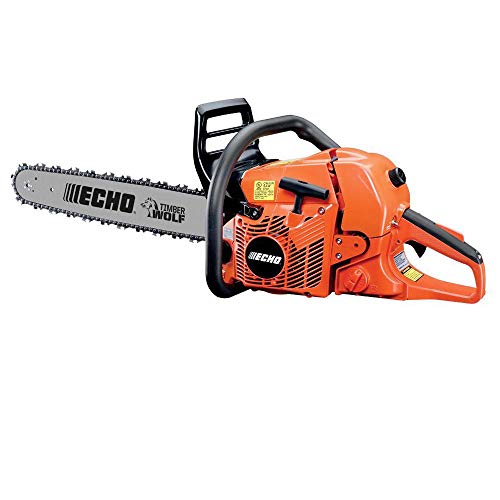
If you own acreage and regularly remove fallen or standing dead trees, a gas saw in the 55 to 70 cc class with a 20 to 24 inch bar is the working tool. You need power for hinge cuts in large trunks and the stamina to limb and buck afterward. Our general guide to the best chainsaw range shows where these larger saws sit in the market.
Rural Homeowners Felling Occasional Medium Trees
Many property owners fell a handful of trees a year, usually 10 to 18 inch trunks away from buildings. A 50 cc class saw with an 18 to 20 inch bar covers that work well and stays manageable for cleanup cutting. Going bigger buys little unless your trunks are consistently large, and the extra weight slows the limbing work that follows every felling.
Homeowners With Small Trees and Tight Lots
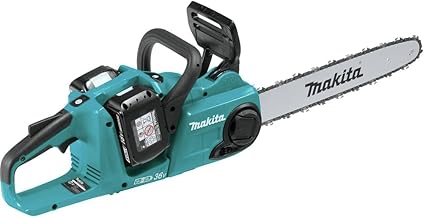
Small ornamental trees, saplings, and shrubs under about 10 inches can come down with a battery saw or a compact gas saw, provided the lean is favorable and nothing valuable stands in the fall path. Where trees lean toward a house, fence, or power line, the right tool is a phone call to an arborist. The homeowner oriented models in our best chainsaw for homeowners guide suit this lighter end of the work.
Key Features to Compare
Bar Length Relative to Trunk Diameter
For a controlled fell, your bar should reach through at least the center of the trunk in the back cut, and ideally span most of the diameter. A common working rule is a bar at least 2 inches longer than the trunk is wide when you can cut from both sides, and longer still for single pass cuts on big wood. A 20 inch bar handles trunks up to about 18 inches comfortably. Bars far longer than the trunk make the saw nose heavy and harder to place precisely at the hinge.
Engine Power for Holding Chain Speed
Felling cuts are long cuts, and an underpowered saw slows in the back cut exactly when you want a clean, quick exit. The 50 to 70 cc range holds chain speed in hardwood trunks and runs longer bars without lugging. Battery saws fell small trees well but heat and battery limits show on trunks over about 12 inches. Judge a felling saw by how it pulls through a full bar cut, not by how fast it trims limbs.
Chain Type for Felling Cuts
Semi chisel chain is the safer default for tree work because it tolerates the grit in bark and keeps cutting after contact with dirty wood at the stump. Full chisel cuts faster in clean wood, which some experienced fallers prefer for hinge work. Low kickback chain reduces risk for less experienced users, and it is the sensible choice if you fell only a few times a year. Whatever you choose, chain, bar, and sprocket must match in pitch and gauge.
Rear Handle or Top Handle Design
Rear handle saws are the correct design for ground work, since both hands grip widely spaced handles and the saw stays balanced between them. Top handle saws exist for trained arborists working in the tree with one hand free for positioning. Using a top handle saw on the ground invites poor control and is a common cause of injuries among homeowners who borrow one. If you are not climbing, buy a rear handle saw.
Felling Dogs, Controls, and Saw Handling
Large steel felling dogs bite into bark and act as a pivot, which helps you steer big cuts and lever the saw through the back cut. A decompression valve makes larger engines far easier to start, especially in cold weather. Check that the chain brake engages crisply and that the on off switch and choke are easy to reach with gloves on. Small control frustrations become real hazards when you are watching a tree begin to move.
Weight and Endurance Over a Full Job
Felling is only the first ten minutes. Limbing and bucking a single tree can take an hour, and a heavy saw punishes you through all of it. Match saw weight to the whole job, and consider owning the felling saw for trunks while using a lighter saw for cleanup. The compact class covered in our best mini chainsaw guide handles small limbs well once the tree is down.
Felling Basics That Shape Your Choice
A controlled fell depends on a face notch, a hinge of even thickness, and a back cut that stops short of the hinge so the tree steers itself down. Your escape path runs back at about 45 degrees from the fall direction, cleared before you start the saw. Even the best chainsaw for cutting trees cannot correct a sloppy notch or a missing escape path, so these basics come before any spec on the box. These basics favor a saw you can place precisely at low throttle, with a bar long enough that you are not leaning over the trunk to finish a cut. Wedges matter as much as the saw, since a driven wedge prevents a pinched bar and can lift a tree against a slight back lean.
Leave some trees to professionals without hesitation. Trees leaning over structures, trees with rot or hollow trunks, dead trees that shed limbs, and anything near power lines all belong to insured arborists with rigging gear. A battery saw from our best battery chainsaw guide is fine for the small clear work that remains after the pros take the risky ones.
Common Mistakes to Avoid
- Felling a tree that leans toward a building, which no back cut technique can reliably correct.
- Cutting the hinge too thin or uneven, so the tree twists or sits back on the bar.
- Skipping an escape path, leaving you nowhere to go when the tree starts to fall.
- Using a top handle saw on the ground, where its one hand design removes your control.
- Working alone with no one in earshot, so an injury leaves you without help.
- Leaving a hung up tree under tension, which can roll or drop without warning later.
Care and Maintenance
Tree work runs saws through dirty bark and long cuts, so clean the air filter often and watch for packed debris around the cylinder fins. Inspect the bar for burrs after felling, since the long cuts heat the rails and can roll the edges. Keep at least two sharp chains ready, because swapping beats sharpening on site with a tree half cut. Check the chain brake before every session, and store the saw with the bar covered and fuel handled the same way you would for winter storage. Any deep cut or crush injury from tree work needs emergency care immediately.
FAQ
What Size Chainsaw Fells a 24 Inch Tree?
A saw with a 20 to 24 inch bar in the 60 cc class is a good match, since the bar can cross the trunk in the back cut and the engine holds speed through the hinge. Smaller saws can do it with cuts from both sides, but control drops and the risk of a pinched bar rises. For a single large tree, renting a big saw or hiring out is often smarter than buying up.
Should Homeowners Use a Top Handle Chainsaw?
No, not for ground work. Top handle saws are built for trained climbers who need one hand free in the canopy, and their compact grip spacing makes them harder to control with both hands on the ground. A rear handle saw of the same power is safer and usually cheaper for felling and cleanup.
When Should You Hire an Arborist Instead of Cutting?
Hire out when the tree leans toward a structure, hangs over a roof or line, shows rot, cracks, or a hollow trunk, or stands dead with loose limbs overhead. Also hire out when the fall zone is smaller than the tree is tall in every direction. The cost of one removal is far less than the cost of a roof repair or an injury.
Is a Battery Chainsaw Strong Enough to Fell Trees?
Modern large battery saws fell trees up to about 10 to 12 inches in diameter without trouble and limb them quietly afterward. Beyond that size, chain speed under load and battery runtime become limiting, and repeated full bar cuts drain packs quickly. Keep battery felling to small, favorably leaning trees in open space.
What Is a Hinge and Why Does Its Thickness Matter?
The hinge is the strip of uncut wood between the face notch and the back cut, and it steers the tree as it falls. A hinge around a tenth of the trunk diameter, even across its width, guides the fall in the intended direction. Cut through it and the tree can spin, kick back off the stump, or fall sideways.
Final Thoughts
Match the bar to your trunks, respect the trees that belong to professionals, and pick a saw you can control precisely at the hinge. The best chainsaw for cutting trees is rarely the biggest one in the store; it is the one sized to your property with a sharp chain and a working brake. Compare the classes in the product table above against the trees you actually need to remove, and leave the risky ones standing until an arborist can take them.


