
Best Chainsaws for Firewood: A Cutting Guide for 2026
Disclosure: We may earn a commission when you buy through links on this page, at no extra cost to you. As an Amazon Associate I earn from qualifying purchases. Learn more

The best chainsaw for firewood matches bar length and power to your log size and heating season. Compare gas and battery classes, chain specs and safety gear.
Firewood cutting is steady, repetitive work, and the wrong saw makes every cord feel twice as long. A saw that is too small bogs down in oak rounds, while an oversized saw wears your shoulders out before the pile is done. The best chainsaw for firewood is sized to the logs you actually cut, with a bar that spans your typical round and enough power to pull a sharp chain through hardwood without stalling. Most home wood burners need far less saw than the biggest models on the shelf.
This guide covers bar length, engine and motor sizing, chain specs, and the safety gear that firewood work demands. The comparison table below shows the main classes side by side, and the sections after it match each class to log sizes and heating habits.




Who Should Buy Which Chainsaw for Firewood?
Homeowners Who Heat With Wood All Season
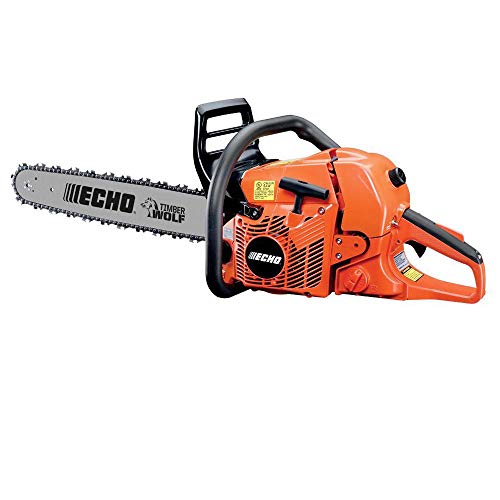
If you burn three to six cords a year, cutting is a recurring job rather than a weekend project, and a gas saw in the 50 to 60 cc class with an 18 to 20 inch bar earns its keep. You get the power to buck 16 to 20 inch hardwood rounds all day and a tool that refuels in a minute. Our general guide to the best chainsaw range explains how this class fits the wider market.
Occasional Fireplace and Fire Pit Users
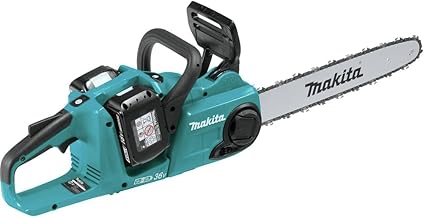
Households that burn a face cord or less each year often cut fallen limbs and bought logs more than they fell trees. A battery saw with a 16 inch bar handles that volume quietly, starts with a trigger pull, and asks for almost no upkeep between uses. The class details in our best battery chainsaw guide help you judge whether cordless power covers your pile.
Users Cutting Small Wood and Limbs
If your firewood comes from orchard prunings, storm limbs, and small diameter softwood, a compact saw keeps the work light and fast. Smaller bars turn quicker in tight piles and tire you less over a long afternoon. For the very smallest work, the models in our best mini chainsaw guide may be all you need, though they are too small for serious cordwood.
Key Features to Compare
Bar Length Matched to Log Diameter
The working rule is that the bar should be at least 2 inches longer than the thickest log you cut often, so a 16 inch bar suits rounds up to about 14 inches in one pass. Bigger rounds can be cut from both sides, but doing that all day slows you down and raises the chance of a pinched bar. An 18 inch bar is the most versatile firewood size for typical mixed hardwood. Going longer than you need adds weight and cost without cutting your usual wood any faster.
Engine Size or Battery Output
Gas firewood saws cluster between 40 and 60 cc, and that range maps closely to log size and wood hardness. A 40 to 45 cc saw with a 16 to 18 inch bar handles softwood and small hardwood well, while 50 to 60 cc pulls a longer bar through oak and hickory without complaint. Battery saws are best judged by bar length and chain speed rather than voltage claims, and by how many cuts you get per charge on 10 inch rounds. Buy for your hardest common wood, not the softest.
Chain Pitch, Gauge, and Cutter Style
Most firewood saws run 3/8 inch low profile or .325 inch pitch chain. The critical point is that chain, bar, and sprocket must match in pitch and gauge, or the saw will not run safely. Low kickback chain with bumper links suits newer users, while experienced cutters often prefer full chisel chain for its speed in clean hardwood. Full chisel dulls fast in dirty bark or gritty wood, so semi chisel is the forgiving choice if your logs sit on the ground before cutting.
Weight and Anti Vibration Design
Bucking a cord means hundreds of cuts at waist height, and saw weight decides how you feel at the end. A pound saved matters more in this work than a small power gain. Spring mounted anti vibration systems reduce the buzz that numbs hands and makes you grip harder than you should. Balance matters too, since a nose heavy saw forces your wrists to hold the bar up through every cut.
Chain Brake and Safety Hardware
Every firewood saw should have a working inertia chain brake, a chain catcher, and a throttle lockout. Test the brake before each session by engaging it and confirming the chain stops. Bucking spikes, also called dogs, help you lever the saw through rounds and reduce the effort per cut. Treat any saw with a missing guard or a brake that fails the test as out of service until it is repaired.
Fuel Runtime or Cuts per Charge
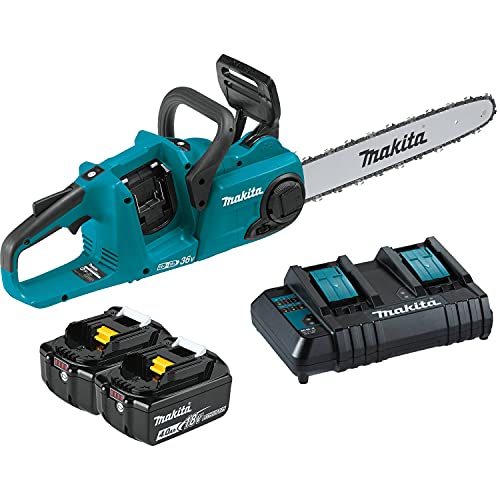
Gas saws run as long as you keep mixing fuel, so plan on fresh mix and bar oil for a full day. Battery saws need a realistic cuts per charge figure, and makers rarely publish one you can trust, so size up your battery count if you cut far from an outlet. A useful pattern is two large batteries rotating through a fast charger, which keeps a moderate pace going for hours. Running out of power mid pile is more than an annoyance if a bar is pinched in a half finished cut.
Sizing Your Saw to Your Wood Pile
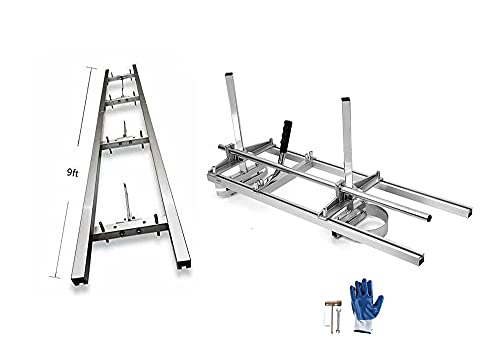
Measure your typical log before you shop. Stack a tape across the biggest rounds you cut each season, and note the species, since a 14 inch oak round works a saw harder than an 18 inch pine round. If most of your wood arrives as tree service rounds of mixed size, an 18 inch bar covers nearly all of it. A sawbuck that holds logs at waist height saves your back and keeps the chain out of the dirt, which is the fastest way to dull it. Homeowner focused models in our best chainsaw for homeowners guide lean toward this kind of mixed duty.
Keep spare chains in rotation. Swapping to a sharp chain takes two minutes, and a dull chain makes the saw work harder, cut slower, and wander in the cut. Two or three chains per bar size is a practical setup for a heating season. In practice, the best chainsaw for firewood is the smallest saw that still pulls your bar length through your hardest wood without stalling.
Common Mistakes to Avoid
- Cutting with a dull chain, which overheats the bar and makes you force the saw through wood.
- Letting the chain touch soil at the end of a cut, which dulls it in seconds.
- Buying a bar longer than your logs need, so every session carries needless weight.
- Skipping chaps and eye protection, since most chainsaw injuries happen during routine bucking.
- Running old fuel mix, which clogs carburetors and leaves you with a saw that will not start.
- Forcing a pinched bar free with the throttle, which can snap the chain or throw the saw back.
Care and Maintenance
Clean the air filter and cooling fins after dusty sessions, since an overheating engine loses power and wears early. Keep the bar groove free of packed sawdust and flip the bar regularly so both edges wear evenly. Sharpen with the file size that matches your chain pitch, and check tension whenever the chain warms and stretches. Store battery saws with the battery removed and the bar covered. Drain fuel or use stabilizer on gas saws that sit for months. A deep chainsaw cut needs emergency care right away, so work with a partner nearby whenever you can.
FAQ
What Bar Length Is Best for Cutting Firewood?
An 18 inch bar covers most home firewood work, handling rounds up to about 16 inches in a single pass. Drop to 16 inches if your wood is mostly small limbs and softwood, since the lighter saw is easier to handle. Step up to 20 inches only if you regularly buck hardwood rounds over 16 inches across.
Can a Battery Chainsaw Cut a Full Season of Firewood?
It can for modest volumes, especially with two or three large batteries and a fast charger rotating through the day. For several cords of large hardwood, gas still finishes faster and refuels instantly. Many owners use a battery saw for limbs and small rounds and a gas saw for the main bucking work.
How Often Should a Firewood Chainsaw Chain Be Sharpened?
Touch up the chain whenever cutting slows, chips turn to dust, or the saw starts pulling to one side. For many cutters that means a light filing every tank of fuel or every battery swap on bigger jobs. Swapping to a fresh chain and sharpening the used one later at the bench keeps the day moving.
What Is the Difference Between Full Chisel and Semi Chisel Chain?
Full chisel cutters have square corners and cut clean wood faster, but they dull quickly in bark, grit, or frozen dirt. Semi chisel cutters have rounded corners, cut slightly slower, and hold an edge far longer in dirty conditions. Firewood cutters working with ground stored logs usually get more done with semi chisel.
What Safety Gear Do Firewood Cutters Need?
At minimum, wear chainsaw chaps, eye protection, hearing protection, gloves, and steel toe boots. Chaps are the item people skip most often, yet leg injuries are the most common chainsaw injury. Add a helmet with a face screen if you also fell trees or cut overhead limbs.
Final Thoughts
Size the saw to your logs, keep the chain sharp, and let the saw do the pulling. The best chainsaw for firewood for most homes is an 18 inch model with power for hardwood and weight you can swing all afternoon. Check the classes in the product table above against your wood pile, and you will spend your weekends stacking cords instead of fighting your equipment.


