
Best Cordless Drills for Masonry (2026): How to Drill Brick, Block and Mortar
Disclosure: We may earn a commission when you buy through links on this page, at no extra cost to you. As an Amazon Associate I earn from qualifying purchases. Learn more

A guide to hammer settings, trigger control and bits for the best cordless drill for masonry work on brick, block and mortar.
Masonry is not one material. Brick can be hard as flint or soft as chalk, mortar joints crumble if you look at them wrong, and concrete block hollows out halfway through the hole. A drill for this work needs a hammer setting, yes, but also finesse: controlled speed for starting on a glazed brick face and enough restraint to avoid blowing out the back of a block. The best cordless drill for masonry balances that percussion with control, because the material changes from one inch of wall to the next.
This guide covers the settings and specs that matter across brick, block, mortar and stucco, and it explains the placement decision that matters most in masonry: where the hole goes. Check the comparison table below for the current field, then read on before you mark your first hole.
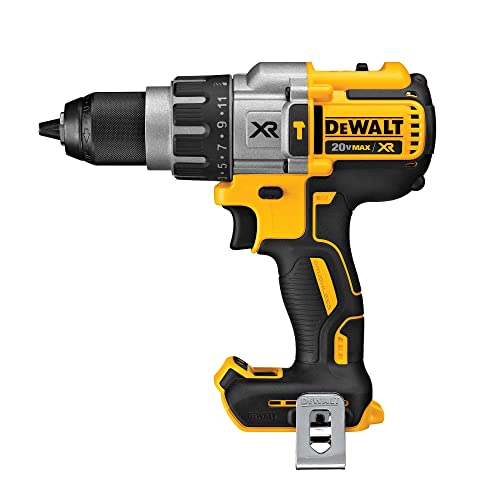
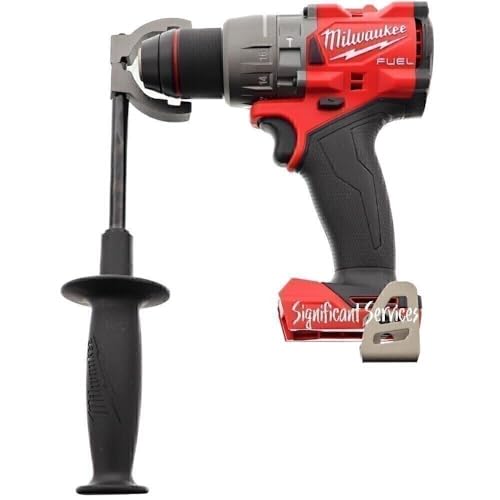


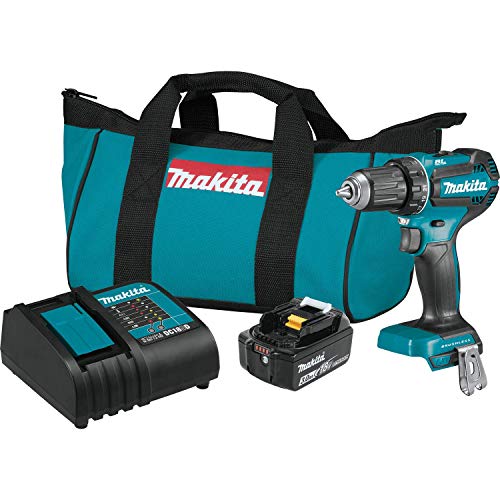
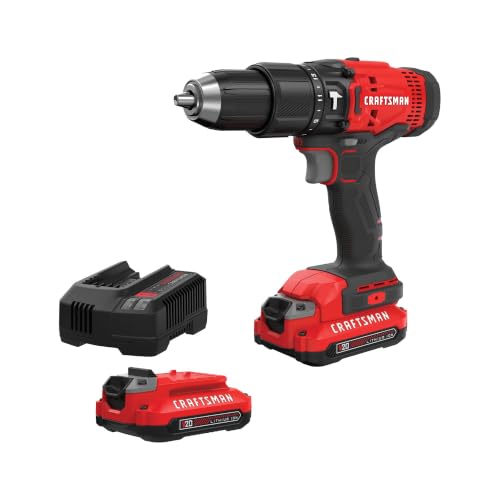
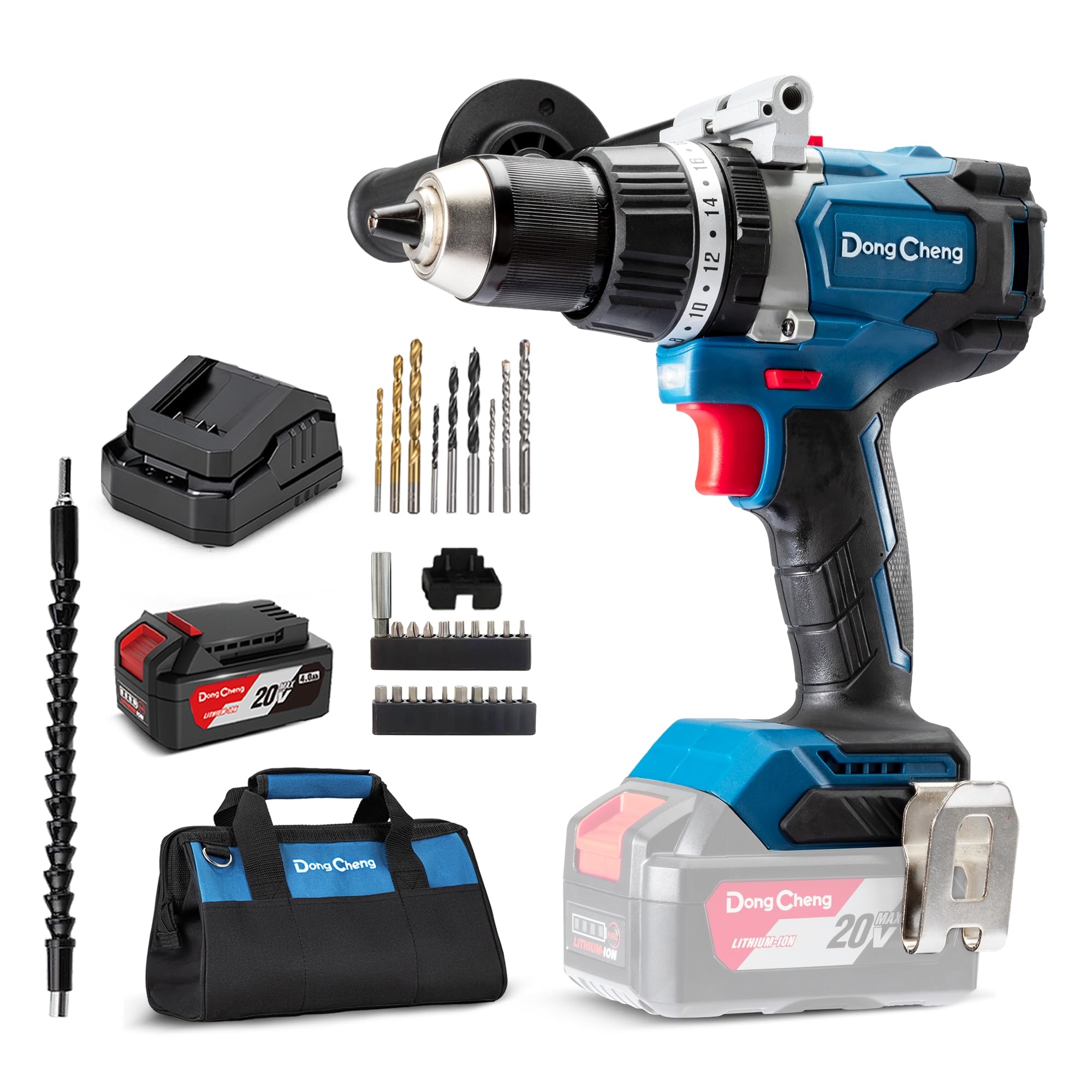
Who Should Buy Which Cordless Drill for Masonry?
Almost every house has masonry somewhere: a brick facade, a block garage, a stucco wall, a stone veneer entry. The general category overview in our guide to the best cordless drill is a good starting map, and the groups below zero in on masonry tasks.
Brick homeowners mounting outdoor fixtures
House numbers, porch lights, hose reels, mailboxes and security cameras all fasten to brick or mortar. The holes are small, the count is low and the wall is visible, so a compact hammer drill driver with precise speed control serves better than a heavy tool. If the drill also covers your indoor jobs, the dual purpose picks in our guide to the best cordless drill for home use are the natural shortlist.
Garage and workshop organizers with block walls
Concrete block walls invite shelving, cabinets, bike hoists and tool racks, all hung on anchors that must land in the block web or a filled cell to hold real weight. Block is abrasive and hollow, so you will drill many holes and feel every one. A mid weight drill with strong batteries and a comfortable grip earns its keep here, because the project is a marathon of medium holes.
Stucco and stone veneer owners
These walls hide their structure behind a brittle face. Drilling means passing a fragile coating without cracking it, then anchoring into what lies behind, which may be block, sheathing or studs. A drill with a smooth variable speed trigger and a true rotary only mode for the delicate first pass matters more than maximum impact rate, and light weight helps on ladder work where these fixtures usually live.
Key Features to Compare
Masonry rewards control over brute force. Rank these features by how they behave in mixed, unpredictable material.
Hammer mode with a usable low end
Every masonry drill needs percussion, and the drills gathered in our guide to the best hammer cordless drill all have it. What separates masonry friendly models is how gently the hammer action starts: in soft mortar and old brick, full force from the first second can crater the surface and oversize the hole. A drill whose impact rate follows the trigger lets you start slow, seat the bit, and only then lean into the full rate.
Variable speed trigger and rotary only mode
Glazed brick and tile faced masonry make bits skate at startup. A sensitive trigger that creeps the bit lets you score a starting dimple in rotary only mode, then switch to hammer once the bit has a seat. Two speed gearing still matters, with low gear for larger anchor holes in block and high gear for small fast holes in mortar, but trigger quality is the spec your fingers will judge daily.
Torque and clutch behavior for masonry fasteners
After drilling, the same drill usually drives the fasteners, and masonry anchors punish a clumsy clutch. Concrete screws need steady torque to seat without snapping, and sleeve anchors need a firm stop before the fixture cracks. An adjustable clutch with enough settings, plus a drill mode that bypasses it for boring, turns one tool into both halves of the job without swapping mid wall.
Battery endurance for abrasive drilling
Block and brick dust make every hole slower than the equivalent in wood, so runtime shrinks compared with the box claims. Larger packs, around 4.0 to 5.0 amp hours, keep impact rate from sagging as the charge fades, which matters because a slowing hammer stops cutting and starts rubbing. If your project is a whole garage wall, treat a second battery as part of the drill purchase, not an accessory.
Weight, balance and dust handling
Masonry fixtures sit high on walls, so you will drill overhead and from ladders, where a nose heavy drill exhausts your arm and wobbles holes oval. Compact heads also fit between downspouts, shutters and trim. Dust handling is the quiet factor: sealed vents survive abrasive dust better, and a grip you can wipe clean beats deep texture that packs with grit after one wall.
Brick, Block or Mortar: Choosing Where the Hole Goes
The placement decision matters more in masonry than the drill decision. Mortar joints are the softest path: they drill fast, and a mistake can be patched invisibly with fresh mortar. But mortar holds anchors weakly, so light items like house numbers belong there while heavy fixtures do not. Brick faces hold far stronger, yet a hole in brick is permanent and a wandering bit scars a visible wall.
Block adds a third puzzle, because the drill passes from shell to hollow to shell. Anchors hold best in the solid web between cells or in a mortar joint over a web, and worst in the thin face over a hollow, where toggle style anchors are the fallback. Mark your layout, tap the wall to hear the hollows, and test one hidden hole first. That patience, more than any spec, is what separates tidy masonry work from a wall full of patched regrets.
Common Mistakes to Avoid
- Anchoring a heavy fixture into a mortar joint, which holds a fraction of the load the same anchor holds in brick.
- Starting every hole at full hammer and full speed, so the bit skates across glazed brick and scars the face.
- Drilling into the hollow face of a block with a standard anchor, which spins uselessly instead of gripping.
- Breathing masonry dust all afternoon with no mask, even though brick and block dust carries fine silica.
- Driving concrete screws with the clutch wide open, snapping screw heads flush at the worst moment.
How to Make Your Cordless Drill Last Longer
Masonry dust is the main wear agent, and it is abrasive enough to act like lapping compound inside a chuck. After a wall session, run the chuck open and closed a few times, tap out the grit, and blow the vents clear with dry air. Wipe the housing before the dust cakes onto the grip, because dried masonry residue turns rough and stays that way.
Bits deserve the same respect: a carbide tip dulled by one overheated hole will make the drill work harder on every hole after it, so retire bits early. Let hot batteries rest before charging, and store the drill out of the dust cloud zone of your workshop rather than on the masonry shelf itself. Small habits like these keep a drill feeling new through years of wall work.
FAQ
What is the best cordless drill for masonry?
Look for a hammer drill driver with a sensitive variable speed trigger, a rotary only mode for starting holes, solid low gear torque and at least one large battery. That combination handles brick, block and mortar without cracking faces or oversizing holes in soft joints. Maximum impact rate matters less for masonry than for poured concrete, so control features should break ties.
Should I drill into the brick or the mortar joint?
Drill into mortar for light items and anywhere you may later want an invisible repair, since fresh mortar patches a joint completely. Drill into brick for anything heavy or safety related, like railings and awnings, because brick holds anchors several times stronger. Split the difference on medium loads by using the joint only with anchors rated for it and loads kept modest.
Can a cordless drill for masonry handle stucco and stone veneer?
Yes, with a gentle start. Begin in rotary only mode at low speed to pass the brittle stucco or veneer face without cracking it, then switch to hammer mode once the bit reaches the block or masonry behind. Know what backs your wall before choosing anchors, because veneer over wood framing needs a different fastener plan than veneer over block.
Is the dust from drilling masonry a health concern?
Yes. Brick, block and mortar contain silica, and the fine dust from drilling should not be breathed in quantity. Wear a properly fitted respirator or a mask rated for fine silica dust, work outdoors or ventilate the space, and clean up with a vacuum rather than dry sweeping, which throws the finest particles back into the air. These habits cost little and matter on every hole.
What drill bits work best for brick and block?
Carbide tipped masonry bits with a round or hex shank fit standard chucks and cut all common masonry. Keep several sizes sharp and replace them when cutting slows, because abrasive block dulls edges quickly. For mortar only holes, even an aging bit does fine, which makes mortar layout work a good retirement job for bits no longer sharp enough for brick faces.
Final Thoughts
Masonry drilling is a control exercise dressed as a power exercise. Choose a drill whose trigger and hammer action start gently, whose clutch treats fasteners kindly, and whose weight you can hold overhead without wobbling. Decide hole placement with the mortar and hollow block rules above, and compare candidates in the product table above. Value shoppers will find the capable end of our guide to the best budget cordless drill covers light masonry well, and for mixed walls and heavy fixtures, the best cordless drill for masonry is the one that stays precise when the material changes mid hole.


