
Best Cordless Drills for Women in 2026: A Practical Buying Guide
Disclosure: We may earn a commission when you buy through links on this page, at no extra cost to you. As an Amazon Associate I earn from qualifying purchases. Learn more

Find a cordless drill that fits smaller hands: light weight, slim grip, balanced body and enough power for furniture, hanging and home projects.
Most drill buying advice is written around maximum torque, yet the drills that end up unused in a drawer usually failed on fit, not power. If your hands are on the smaller side, a bulky drill with a fat grip and a heavy battery is tiring to hold, hard to aim, and easy to lose control of at the moment a screw seats. Choosing the best cordless drill for women is really an ergonomics decision: weight, grip size, and balance first, then enough power for the projects you actually do.
This guide reorders the usual priorities accordingly. It explains how to judge grip circumference, why compact and 12 volt class drills deserve a serious look, and which power figures still matter for furniture, shelving, and light renovation. The comparison table below shows the headline specs, and the sections after it translate them into fit and comfort.
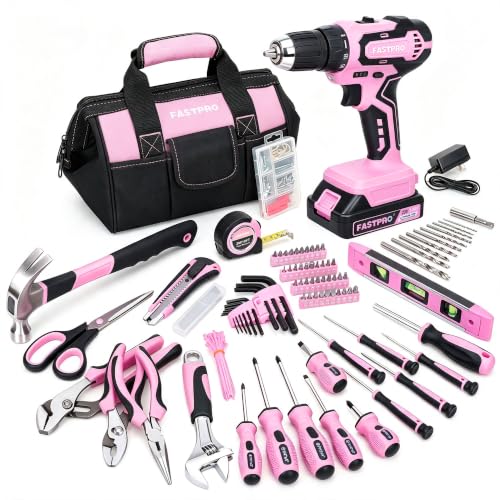
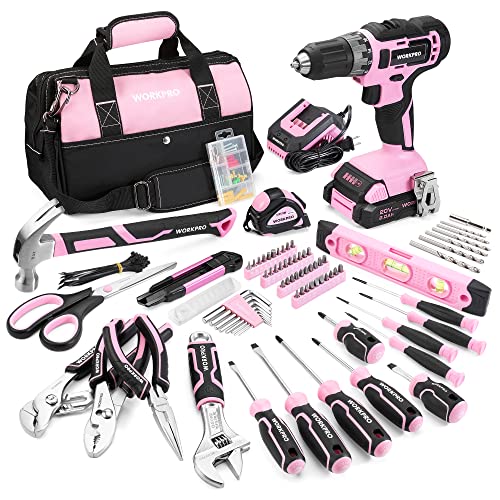
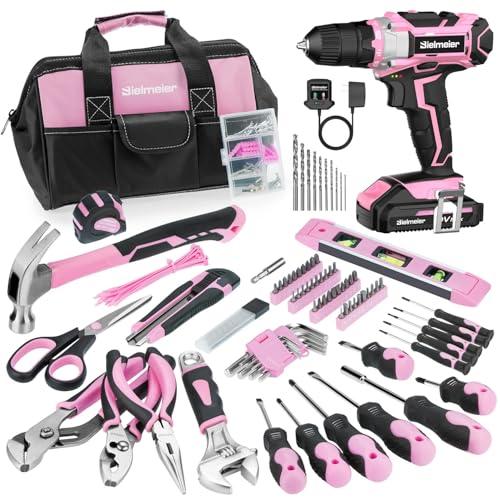


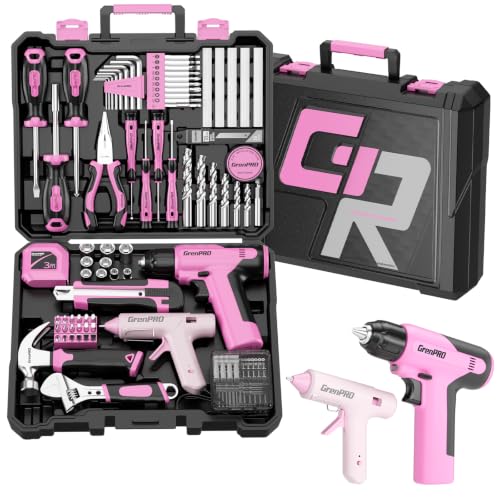
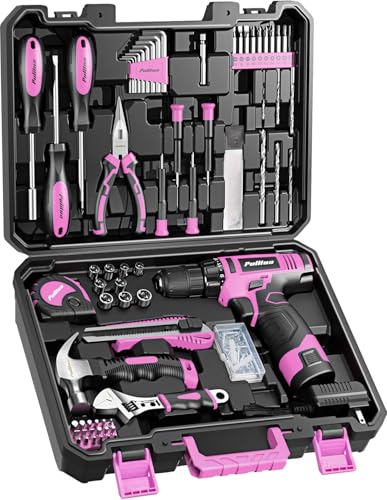
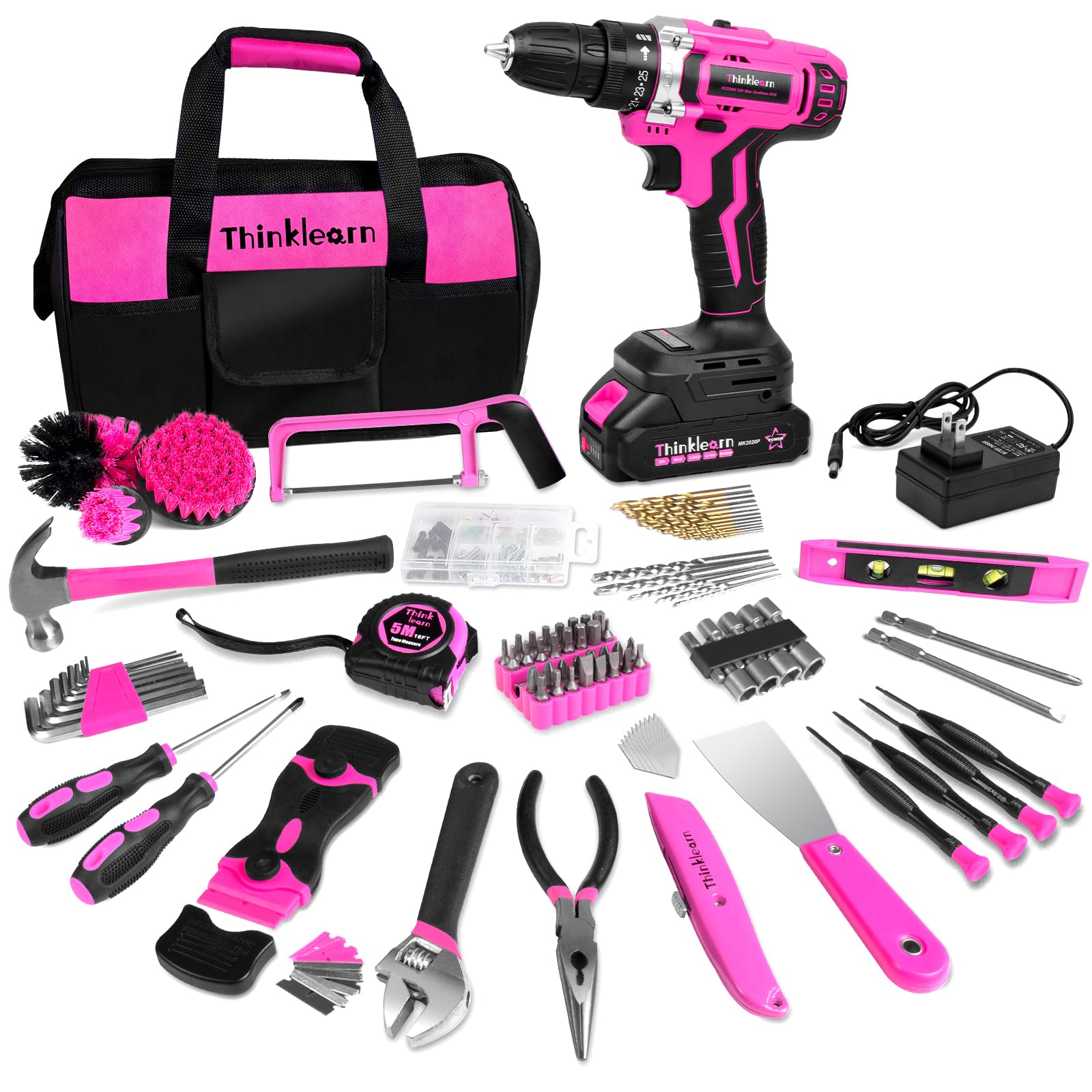

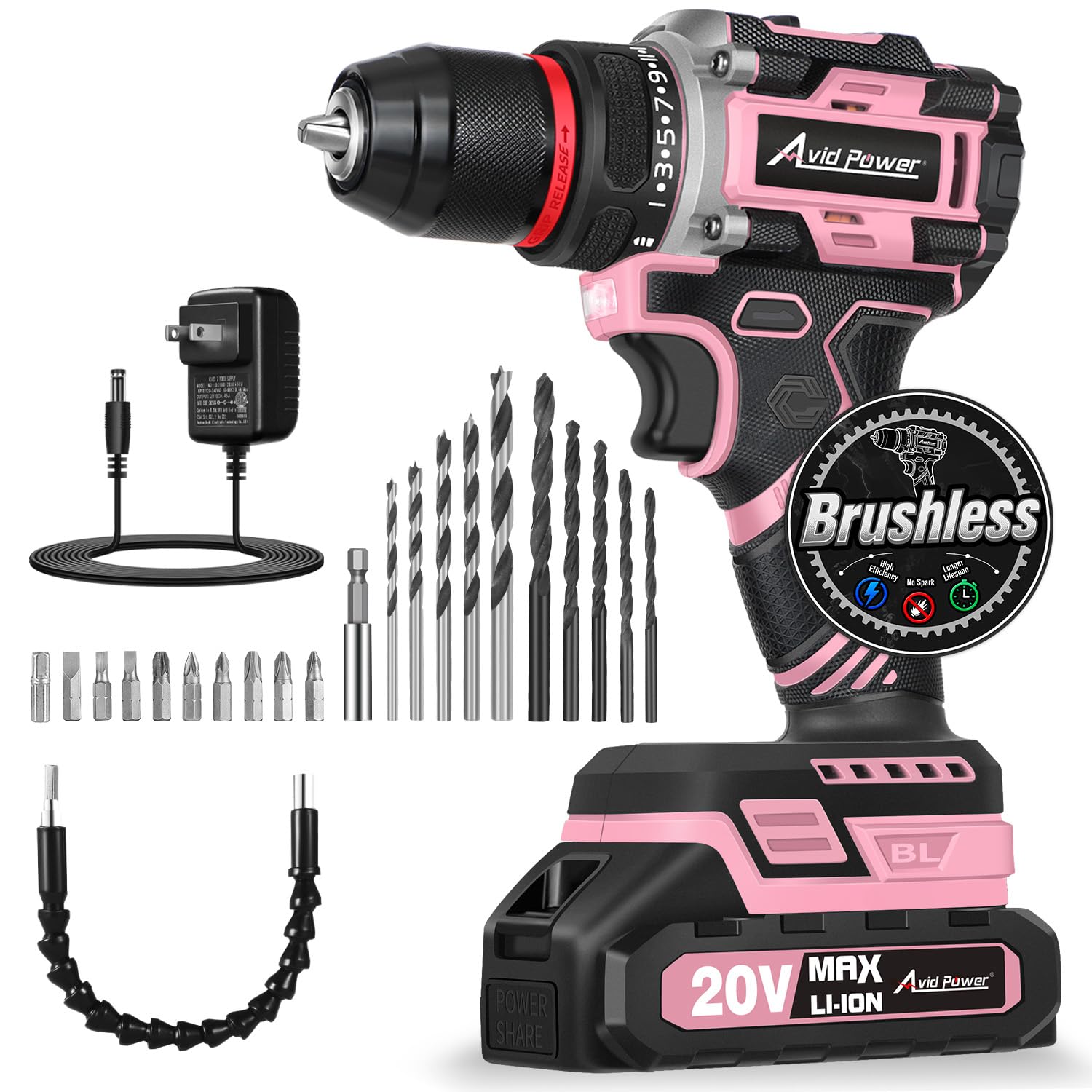
Who Should Buy Which Cordless Drill?
Apartment dwellers and first time tool owners
If your project list is flat pack furniture, curtain rods, picture hanging, and the odd shelf, a light drill in the 12 volt class or a compact 20 volt model does everything with half the arm strain. You gain a tool that stores in a kitchen drawer and comes out without ceremony. Our guide to the best cordless drill for home use lists the common home tasks and the tool size each one truly needs.
DIYers with smaller hands doing regular projects
When projects grow to planters, closet systems, and room refreshes, look for a slim grip handle with a short head length, since reaching inside cabinets and between studs is where control is won or lost. A two battery kit in a compact body keeps work moving without a heavy pack pulling the tool nose down. Women who run community workshops and maker spaces often land on this class, and it is also where the best grip designs cluster.
Renovators who need real power without real bulk
Deck repairs, fence work, and drilling studs for wiring call for genuine torque, and modern compact brushless drills deliver surprising amounts of it in bodies under three pounds with a small battery. If you regularly drill masonry anchors as well, the hammer versions in our guide to the best hammer cordless drill add that function with only a modest weight penalty.
Key Features to Compare
Total weight with the battery fitted
Spec sheets often quote bare tool weight, which flatters every drill. What your wrist feels is tool plus battery plus bit, held at arm's length, sometimes overhead. For smaller hands and long sessions, aim for a total around 2 to 3 pounds. Compact batteries in the 1.5 to 2 amp hour range keep weight down and still drive plenty of screws per charge for home projects. Save larger packs for the rare heavy job, and notice how much better a light drill balances when the small pack is on it.
Grip circumference and handle shape
This is the feature the whole purchase turns on. A slim, slightly oval grip lets shorter fingers wrap fully, which improves trigger control and stops the tool twisting when a bit bites. Rubber overmold helps, but thickness matters more than texture. If you can handle a drill in a store, check that your fingers reach the forward and reverse button without shifting your grip, and that the speed slider on top moves with your other hand rather than needing a nail and a prayer. Online, grip diameter figures and reviewer comments about small hands are the clues to hunt for.
Compact head length and balance
Head length, measured from chuck to the back of the motor, decides whether the drill fits inside cabinets, between joists, and behind furniture. Compact models shrink this to roughly six to seven inches. Balance matters alongside size: a drill that sits level on its battery and feels neutral in the hand is easier to aim one handed while your other hand holds the workpiece. Nose heavy drills wander at the start of a hole, which is when most surface damage happens on furniture and finished wood.
Enough torque, honestly judged
Home projects ask for less torque than marketing implies. Driving screws into pine, assembling furniture, and drilling pilot holes need only modest force, and a clutch that adjusts finely protects soft materials far better than extra power does. Compact drills in the range of about 250 to 450 inch pounds cover nearly all home work, including lag screws in predrilled studs. Reserve judgment about huge torque numbers; they add weight and cost for capacity most home users touch once a year. If a project outgrows your drill, that is what rentals and borrowed tools are for.
Controls, light, and kit contents
Small details decide daily satisfaction. A bright LED at the base lights the screw instead of shadowing it, which matters inside cabinets. A magnetic bit holder or a belt hook keeps the tool out of your hands between tasks. Kits that include two batteries, a compact case that fits a closet shelf, and a starter bit set are worth more to a home user than a single oversized battery. If budget is the deciding factor, our guide to the best budget cordless drill flags the kits that cut corners wisely instead of cheaply.
12 Volt or 20 Volt: Picking Your Class
The 12 volt class is the natural home for smaller hands: slimmer grips, often with the battery inside the handle, lighter weight, and enough power for the overwhelming majority of home tasks. The 20 volt class adds torque for renovation work and a wider tool family on the same batteries. Our hub guide to the best cordless drill across classes shows the full landscape. For many readers, the best cordless drill for women turns out to be exactly that: a slim 12 volt drill with a case and two small batteries. A good rule: if your projects live indoors and involve wood, drywall, and furniture, start with 12 volt or a compact 20 volt. Move up only when a named project, like a deck rebuild, demands it.
Common Mistakes to Avoid
- Buying the biggest drill in the store: excess size and weight cause fatigue and poor aim, so screws go in crooked and holes wander on finished surfaces.
- Judging weight without the battery: a light bare tool with a heavy pack is still a heavy drill, so compare ready to work weights instead.
- Skipping the clutch and using drill mode for screws: full torque snaps small screws and strips furniture fittings, especially in particleboard.
- Choosing pink paint over real ergonomics: color tells you nothing about grip size or balance, so judge the handle and the weight, never the finish.
- Buying a one battery kit: a dead single battery stops a project mid shelf, so two packs or a fast charger keeps momentum.
How to Make Your Cordless Drill Last Longer
Small drills live hard lives in junk drawers and damp garages, so storage is half of care. Keep the drill in its case with the battery removed or partly charged, in a dry indoor spot, and the pack will hold its capacity for years. Wipe dust from the vents after drilling plaster or wood, and keep the chuck free of grit so bits run true. Avoid using the drill as a hammer or a pry bar, the two habits that bend chucks and crack housings. Finally, keep a basic bit set sharp and complete; forcing dull bits is the quietest way to wear out a small motor.
FAQ
Is a 12 volt drill powerful enough for home projects?
For the large majority, yes. Furniture assembly, hanging hardware, pilot holes, flat pack builds, and light woodworking sit well inside what a decent 12 volt drill does comfortably. The class struggles with large hole saws, long lag bolts in dense wood without pilot holes, and masonry. Many owners find the lighter weight makes them reach for the tool more often, which is its own kind of capability. If a deck build is on this year's list, choose a compact 20 volt instead and keep both hands happy.
How can you tell if a drill grip will fit smaller hands?
Look for grip diameter or circumference figures in the spec sheet and favor the slimmer end of the range, then read owner comments for mentions of small hands or glove size. In a store, wrap your hand around the grip: your fingertips should reach well around, and your index finger should rest on the trigger without stretching. Also test the reverse button and speed switch one handed. If you must regrip to reach a control, the drill will annoy you on every project.
What weight cordless drill is comfortable for long projects?
Most people with smaller hands find drills around 2 to 2.5 pounds ready to work comfortable for extended use, and up to about 3 pounds manageable in short bursts. Overhead work lowers those numbers fast, since shoulder fatigue arrives before wrist fatigue. If a project involves many overhead screws, choose the lightest drill that does the job and use the smallest battery that lasts the session. Comfort is a safety feature here: a tired hand is the one that lets a spinning bit slip.
Can a compact drill handle a small renovation?
Yes, with realistic pacing. Compact brushless drills hang cabinets, drill studs for cable, drive screws for framing repairs, and bore holes for plumbing with spade bits, as long as you let the tool work at its pace and swap batteries on longer runs. The limits are continuous heavy boring and structural lag work. Plan the renovation toolkit honestly: compact drill for ninety percent, and a borrowed or rented heavy tool for the remaining ten percent, beats one oversized drill that punishes you daily.
Should women choose a drill driver or a drill and impact driver combo?
A combo kit earns its space if you drive many screws, because the impact driver is lighter than the drill and nearly impossible to strip screws with once you learn its pace. The drill then handles holes and delicate driving with its clutch. For occasional projects, a single good drill driver is simpler and cheaper, and its clutch is actually the better teacher for furniture work. Decide by screw volume: dozens per project points to the combo, a handful points to the single drill.
Final Thoughts
Fit is not a compromise, it is the feature that decides whether a drill gets used well and often. Prioritize a slim grip, low ready to work weight, and a compact body, then confirm the torque covers your real project list. Matched that way, the best cordless drill for women is simply a well designed drill that respects the hands holding it, and the product table above compares the leading options on exactly those measures.


