
Best Cordless Drills Under $200 in 2026: Near Pro Power, Honest Prices
Disclosure: We may earn a commission when you buy through links on this page, at no extra cost to you. As an Amazon Associate I earn from qualifying purchases. Learn more

Near pro power at a fair price: compare brushless motors, big batteries and combo kits to find the best cordless drill under 200 dollars.
At just under $200, a cordless drill stops being a household convenience and becomes equipment that can earn its keep. This is the tier of high torque brushless motors, all metal chucks, and batteries big enough to run a saw later. It is also the tier where manufacturers load up kits with extras, so the challenge is telling a genuinely strong drill from an ordinary one wearing a premium label. If you are weighing candidates for the best cordless drill under 200 dollars, this guide explains what this money should buy, which buyers actually need it, and how to avoid paying for muscle your projects will never use.
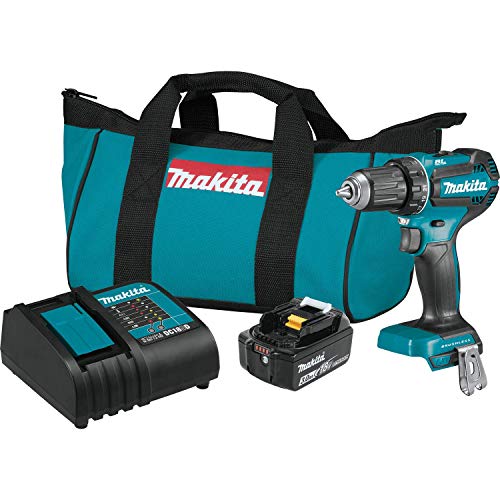
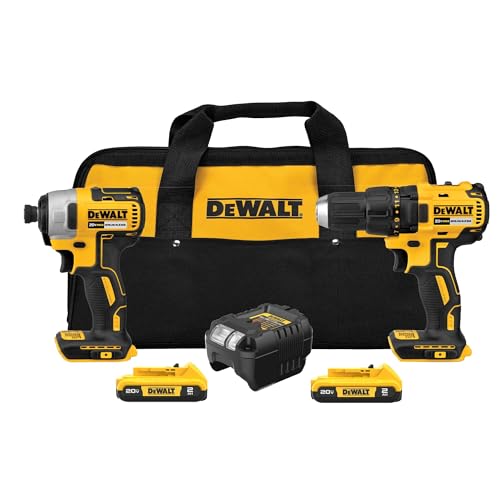
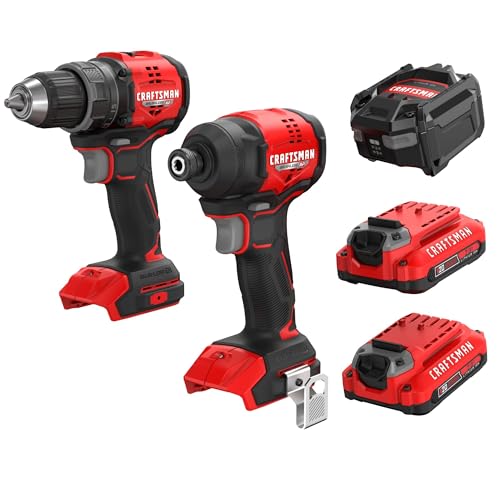
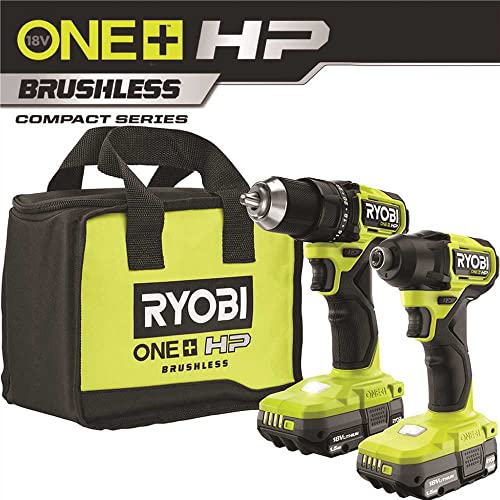
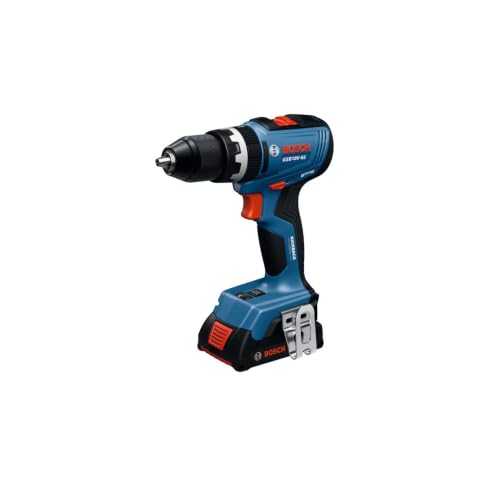
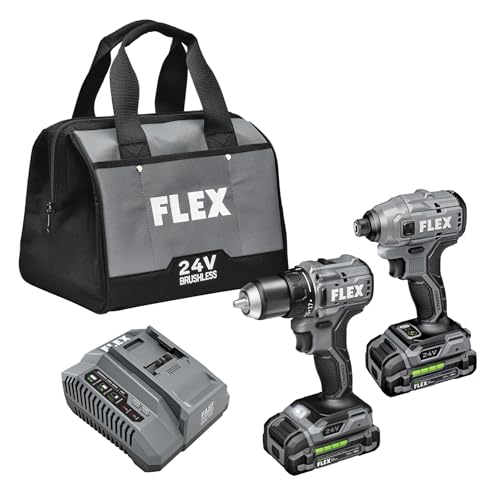
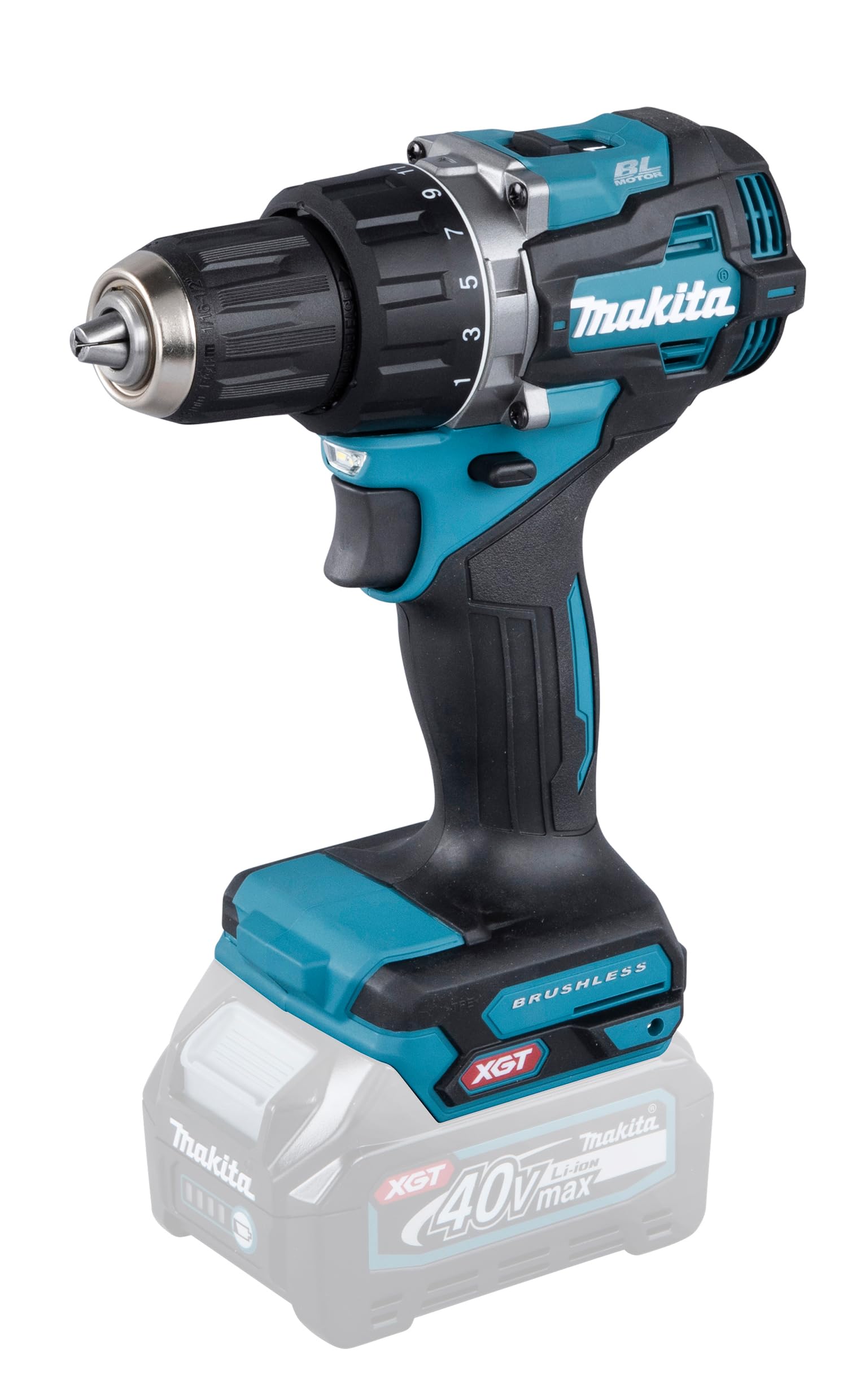
The comparison table below collects the current kits and combos at this level. Study the battery sizes and charger types as closely as the torque figures, because at this price the energy system is half the product. The sections that follow break down each decision in turn.



Who Should Buy a Cordless Drill Under $200?
Spending this much only makes sense when your workload punishes lesser tools. The modifier is a near professional budget, and it fits three kinds of buyers.
Renovators Taking on Structural and Exterior Work
Decks, fences, and framing repairs demand long screws driven by the hundred and large holes bored through doubled studs and treated lumber. A drill under $200 delivers the low gear torque for auger bits and the battery capacity to keep pace all day. It also survives being dropped off a sawhorse onto gravel, which cheaper housings often do not. If your project list reads like a contractor's, this is your tier. Our guide to the best cordless drill range shows how these models stack up against true trade tools.
Handymen and Side Job Workers
When other people pay you by the job, downtime is the most expensive feature a drill can have. Workers running a weekend handyman route need a drill that drives fasteners for hours, charges during lunch, and shrugs off daily transport in a truck bed. High capacity batteries and rapid chargers matter more here than any headline torque figure. Reliability also protects your reputation, since a dead drill mid job makes you look unprepared. This tier buys that dependability without stepping into full trade pricing.
Committed Woodworkers Who Drill Daily
A shop drill lives a different life from a household one: hundreds of holes a week, fine screws in hardwoods that punish sloppy clutch control, and jigs that demand repeatable results. Drills near $200 offer the smoothest low speed control in the consumer market and chucks that run true enough for precision boring. Weight balance matters too, because a top heavy drill tires your hand during a long run of shelf pin holes. If you are furnishing a shop for years of use, our best cordless drill for home use guide helps you separate shop needs from household ones.
Key Features to Compare
High Torque Brushless Motors
Brushless motors dominate this tier completely, and the strong ones produce about 800 to 1,200 inch pounds of torque depending on battery pairing. That is enough to pull a 1/2 inch auger through doubled framing or spin a 4 inch hole saw in plywood, jobs that stall mid range drills. Pay attention to how the maker rates the figure, since some quote it only with their largest battery attached. Electronic controls also protect the motor here, cutting power before a stall cooks the windings. Power this size demands respect: brace the drill and use the side handle on large bits.
Battery Capacity: Where the Real Money Sits
Kits near $200 should include batteries of about 4.0 to 5.0 amp hours, or a pairing of one compact and one large pack. Capacity decides how a drill behaves at hour six, not minute six, because large packs hold voltage under load and keep torque from sagging as they drain. They also become the foundation of your platform, running saws and grinders later. A kit with modest batteries is a false saving at this price, since adding a large pack later costs about $80 to $120 on its own. Read the amp hour figures before the torque figures.
All Metal Chuck and Gear Housing
Durability at this tier shows in the front of the tool. An all metal ratcheting chuck resists the knocks and grit of site work, and a metal gear case sheds heat during long boring sessions where plastic housings soften and flex. The difference is subtle in a store and obvious in year three, when a metal housed drill still runs true and a worn plastic one wobbles. Check runout by spinning a long bit slowly and watching the tip. A tight drill draws a point; a sloppy one draws a circle.
Side Handle, Kickback Control, and Your Wrists
Strong drills can injure you when a big bit binds, because the tool body tries to rotate instead of the bit. Better models in this class add electronic kickback control that senses the sudden twist and cuts the motor in a fraction of a second. A clamp on side handle gives you a second grip for auger and hole saw work. Use both. Work gloves and secured material complete the picture, since most drill injuries come from the workpiece spinning, not the bit. Safety features are not decoration at this power level; they are part of what the money buys.
Hammer Function That Earns Its Place
Hammer drills near $200 strike faster and harder than mid range versions, setting anchors in brick, block, and stone with real authority, though poured concrete still belongs to rotary hammers. If you mount into masonry weekly, this feature saves owning a second tool. If you drill masonry twice a year, the standard drill version is lighter and shorter for everyday work. Our best hammer cordless drill guide covers the trade off between the two formats. Choose based on your walls, not on the appeal of an extra mode.
Drill Only or Combo Kit: Spending $200 Wisely
The best cordless drill under 200 dollars often shares its shelf with a combo kit at the same price, pairing a slightly smaller drill with an impact driver. The combo wins for fastener heavy work, because the driver handles long screws while the drill bores holes, and you stop swapping bits mid task. The drill only kit wins when you need maximum boring power, since its whole budget goes into one strong tool and bigger batteries. Decide by counting your tasks: mostly screws points to the combo, mostly holes points to the single drill. Either way, compare the batteries included, because combos sometimes quietly shrink them.
Common Mistakes to Avoid
- Chasing maximum torque. The strongest drill in this tier is also the heaviest, and carrying unneeded power makes overhead work miserable by noon.
- Accepting small batteries in a premium kit. A $200 kit with compact packs drains under load, so the drill never delivers the performance you paid for.
- Skipping the side handle on big bits. A binding auger can wrench your wrist in an instant, and the handle sits unused in the case for no good reason.
- Comparing torque across rating methods. Makers measure differently, so a lower figure from an honest brand can outwork a bigger number on the shelf.
- Ignoring total platform cost. A bargain drill on an expensive battery system costs more over five years than a fair priced drill on a mainstream one, a trap our best budget cordless drill guide warns about in detail.
Care and Maintenance at the Top Tier
High output drills reward basic discipline. Let large packs cool before charging after heavy work, because charging a hot battery shortens its life even when the charger allows it. After masonry sessions, brush dust from the chuck and vents and run the chuck through its range so grit does not grind the jaws. Inspect the side handle clamp and the belt hook screws monthly if the tool rides in a truck. Store the kit in its case with the batteries at partial charge through winter.
Frequently Asked Questions
Is a cordless drill under $200 overkill for a homeowner?
For a homeowner whose hardest job is hanging a TV mount, yes, it is more tool than the work demands, and the weight will annoy you. For a homeowner mid renovation, with a deck or a fence on the calendar, it is the right buy, because one strong drill replaces both a household drill and a rented heavy tool. The dividing line is frequency: heavy projects twice a year argue for the tier below, heavy projects most months argue for this one.
Can a cordless drill under $200 replace a corded drill?
For drilling and driving, yes. Modern brushless drills in this class match corded tools for holes up to about 1/2 inch in steel and large bores in wood, with the battery as the only limit. The exception is continuous stationary work like mixing full buckets of thinset all day or running a drill press stand for hours, where a cord never tires. Most owners keep the corded drill for the mixer paddle and use the cordless tool for everything else.
What size battery should come with a cordless drill under $200?
Look for at least one pack of about 5.0 amp hours or a pair in the 4.0 amp hour class, because these drills draw hard under load and small packs sag and overheat. A common smart setup pairs one large pack for boring work with one compact pack for light driving, keeping the tool balanced for overhead jobs. If the kit lists only 2.0 amp hour batteries, price out a large pack before buying, since it is a real part of the total cost.
Does a drill under $200 need an impact driver as well?
Not for drilling, but often for driving. A strong drill can drive long screws, yet it does so with torque your wrist must resist, while an impact driver delivers the same result with almost no reaction force. If your work involves structural screws, lag bolts, or deck building, the driver quickly becomes the tool you grab first. That is why combos sell so well in this tier. Buy the drill first if the budget forces a choice, and add the driver when the driving work piles up.
How long should a cordless drill at this price last?
A well kept drill in this class should serve eight to ten years of home and side job use, with batteries as the wear item you replace first, usually around year four or five. Brushless motors remove the most common failure point of older drills, and metal gear housings resist the wear that loosens cheaper tools. Keep the receipt and registration current, since longer warranties in this tier often cover three to five years. Longevity is the real return on the higher price.
Final Thoughts
Near $200, you are buying stamina, safety, and a battery platform with a future. Compare the kits in the product table above, insist on large batteries and a metal chuck, and respect the power with a side handle on big bits. Chosen well, the best cordless drill under 200 dollars handles everything a house, a shop, or a side job can throw at it, and it keeps doing so long after cheaper drills have been replaced twice. That is the math that makes the price feel small.


