
Best Generators for Mobile Detailing at Every Price: What Your Money Really Gets You
Disclosure: We may earn a commission when you buy through links on this page, at no extra cost to you. As an Amazon Associate I earn from qualifying purchases. Learn more

Three quiet inverter generators for mobile detailing rigs at budget, midrange and premium prices.
A mobile detailing rig lives or dies by its power. Electric pressure washers, shop vacuums, carpet extractors, steamers and polishers all need steady electricity at customer driveways and parking lots where you cannot always plug in. The best generators for mobile detailing deliver enough running watts for your biggest tools, run quietly enough for residential streets and are light enough to load into a van or trailer.
This guide picks three generators at budget, midrange and premium prices, explains what each tier gets you and covers the features worth paying for. Prices change often, so treat them as approximate.

Top 3 Generators for Mobile Detailing by Budget
All three picks are inverter generators, which run quieter and produce cleaner power than open frame units, an advantage when you work in neighborhoods and power tools with electronic controls.
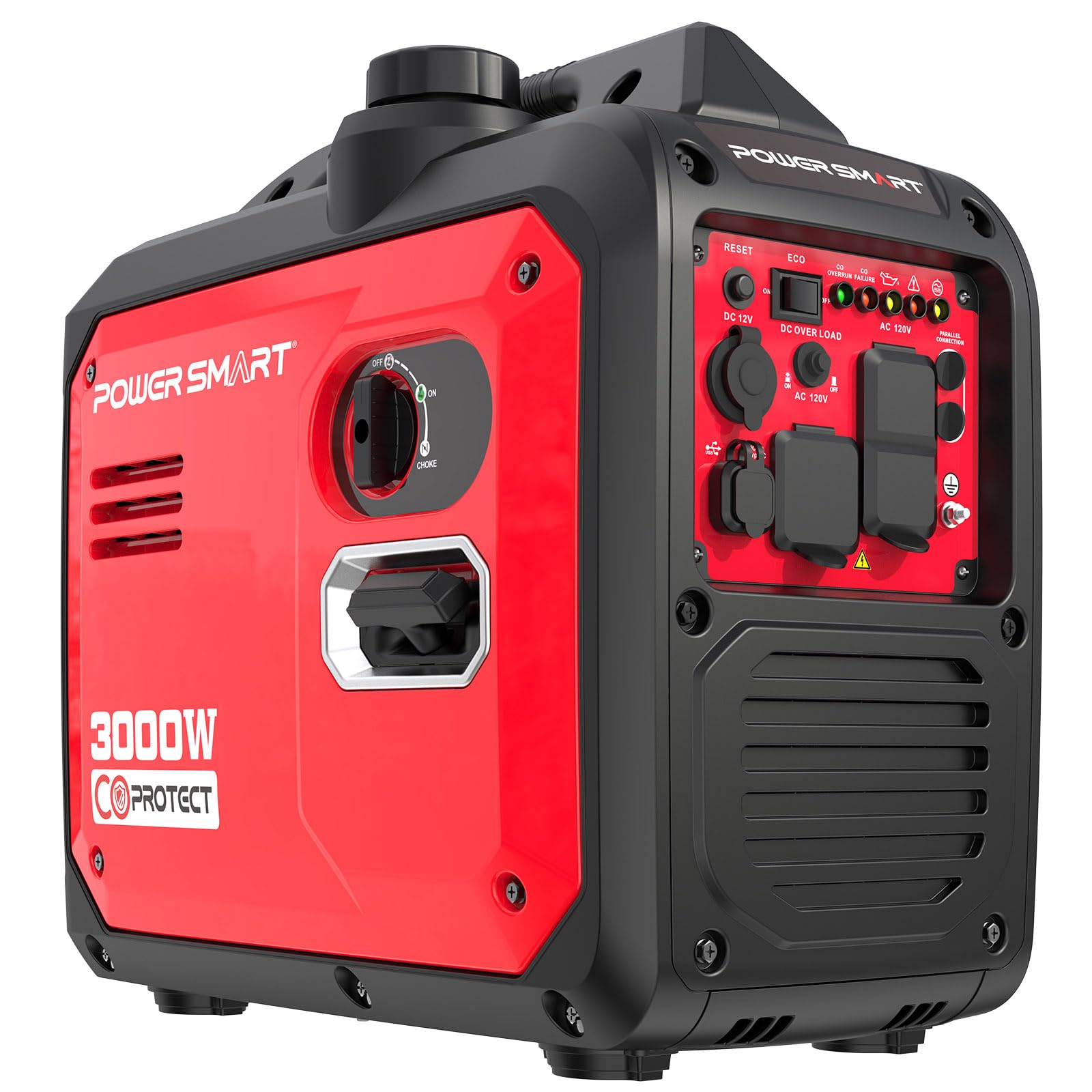
Best Budget Pick: PowerSmart 3800 Watt Dual Fuel Inverter
The PowerSmart 3800 suits new detailers running a small electric pressure washer or a vacuum and polisher, at around $470. Dual fuel lets you run it on gasoline or propane.
PowerSmart lists 3,800 starting and 3,300 running watts on gasoline and 3,100 running watts on propane, with 59 dBA at 25 percent load in Eco Mode. It has a 120V 30A L5-30R outlet, a 20A duplex, 12V DC and USB ports, plus CO sensor and low oil shutdown. The trade off is a 1.3 gallon gas tank, so plan on propane for long days.

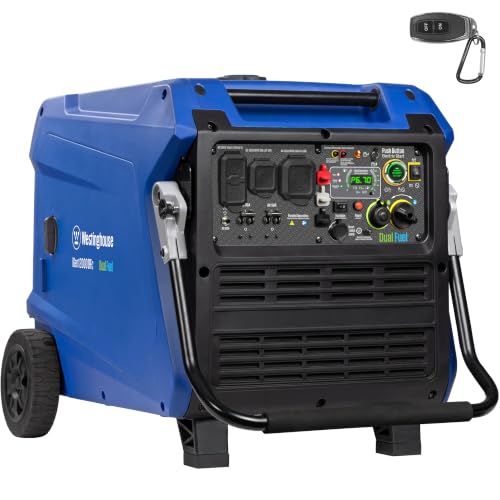
Best Midrange Pick: Generac 5,200 Watt Dual Fuel Inverter
The Generac iQ5200 suits busy detailers who run a pressure washer and vacuum at the same time, at around $909. It has the most running power of the three.
Generac lists 5,200 starting and 3,900 running watts on gas and 3,500 running watts on propane, under 3 percent THD for electronics and up to 9 hours on gas at 50 percent load. Electric start, COsense shutdown, a 30A L5-30R outlet and two GFCI outlets are included, and it can run in parallel with a second unit. The trade off is weight: Generac lists 107 lbs, though it has wheels and a folding handle.

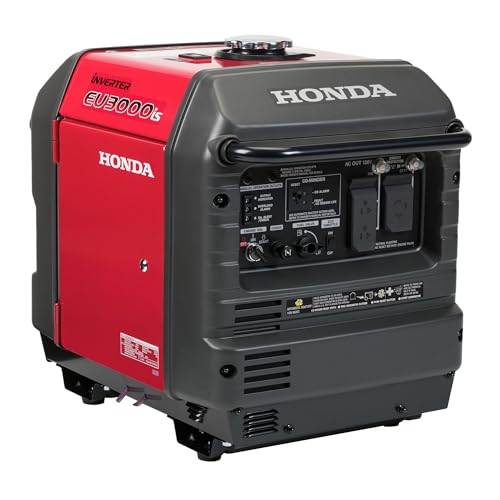
Best Premium Pick: Honda EU3000iS
The Honda EU3000iS suits established detailers who value quiet running and long runtime, at around $2,399. It is the quietest of the three.
Honda lists 50 to 57 dB(A), 6.9 to 19.6 hours on a 3.4 gallon tank with Eco Throttle, electric start and CO-MINDER shutdown, backed by a 3 year residential warranty. Its 3,000 watt output suits a pressure washer or vacuum but not both large loads at once. Note that the listing says it is not available in California, where Honda points buyers to the EU3200i.

What Your Money Gets You at Each Price Tier
Price tracks three things in this category: running watts, noise and build quality. Fuel flexibility and runtime also climb as you spend more.
Budget Tier: What to Expect
Under about $500, inverter generators in the 3,000 to 3,800 watt range, such as the PowerSmart 3000 and 3800 models, cover one major tool at a time plus small accessories. They are light and affordable but have small tanks and shorter warranties, often two years. They suit part time detailers and starter rigs.
Midrange Tier: The Sweet Spot for Most Buyers
From about $500 to $1,000, you get 3,600 to 5,200 watt inverters like the WEN 3600 and Generac iQ5200, with RV style 30A outlets, electric start on some models and longer runtimes. This tier runs a pressure washer and vacuum together on larger units and suits full time solo operators.
Premium Tier: When Spending More Pays Off
Above $1,000, brands like Honda offer very quiet engines, long runtime, refined fuel systems and strong dealer networks. Spending more pays off if you work daily in residential areas or at upscale customers' homes, where noise and reliability matter as much as power.
Features Worth Paying For (and Ones to Skip)
For detailing, prioritize running watts, low noise, clean power and runtime. Skip oversized open frame generators that are loud and heavy, and do not pay for 240V outlets you will never use.
Features That Matter for Mobile Detailing
Add up the running watts of tools you use at once. Electric pressure washers often draw around 1,500 to 1,800 watts, shop vacuums around 1,000 to 1,400 watts and polishers around 700 to 1,000 watts, with startup surges on top. GFCI outlets matter around water. A 30A outlet lets you run a power distribution cord to several tools.
Clean Power (THD) for Electronics
Inverter generators produce clean power with low total harmonic distortion; Generac lists under 3 percent for the iQ5200. That protects steamers, extractors and chargers with control boards, plus phones and card readers you use for payments.
Generator Type (Portable, Inverter, Standby, Solar Power Station)
Inverter portables are the best fit for detailing: quiet, efficient and clean. Open frame conventional portables offer more watts per dollar but are loud. Standby units are fixed and irrelevant here. Battery power stations are silent but rarely hold enough energy to run a pressure washer for a full day.
Battery Capacity and Solar Input (for Power Stations)
If you consider a power station for quiet jobs, check watt hour capacity against your tools. A 1,800 watt pressure washer drains a 2,000 watt hour battery in about an hour. Solar input helps recharge between jobs but cannot keep up with heavy draws, so most detailers pair a station with a generator or use it only for vacuums and polishers.
Popular Generators for Mobile Detailing Compared
This table lines up our picks with the WEN 56360i, another common choice when shopping for the best generators for mobile detailing. Compare running watts against your tool list first, then noise and fuel. Prices change often, so treat them as approximate.
| Generator | Running Watts | Fuel | Noise | Approx Price |
|---|---|---|---|---|
| PowerSmart 3800 Dual Fuel Inverter | 3,300 (gas) | Gas or propane | 59 dBA at 25% load | About $470 |
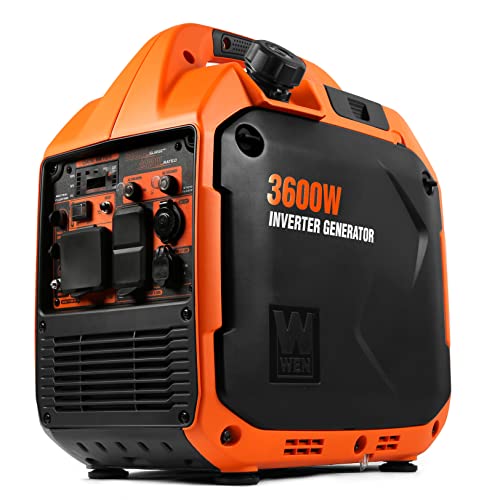
| WEN 56360i Inverter | 2,900 | Gas | Listed as quiet | About $498 |
| Generac iQ5200 Dual Fuel Inverter | 3,900 (gas) | Gas or propane | Economy mode | About $909 |
| Honda EU3000iS | 3,000 class | Gas | 50 to 57 dB(A) | About $2,399 |
Long Term Costs to Factor In
Fuel is the biggest ongoing cost; Eco or economy modes cut it noticeably on light loads. Budget for oil changes, often after a short break in and then every 100 hours or so, plus spark plugs, air filters and fuel stabilizer. Propane costs more per hour than gas but stores longer and keeps carburetors clean. A cover and secure mounting protect your investment in the van.
Frequently Asked Questions
What features matter most in generators for mobile detailing?
Enough running watts for your largest tools at once, quiet inverter operation, GFCI outlets, a 30A outlet for distribution cords, long runtime and manageable weight. Dual fuel adds flexibility on long days.
Inverter or conventional: which is better?
Inverters are better for detailing because they are quieter, use less fuel and produce clean power. Conventional generators cost less per watt but are loud, which can bother customers and neighbors.
What size generator do I need for a pressure washer and vacuum?
Most detailers need about 3,500 to 4,000 running watts to run an electric pressure washer and a shop vacuum together. Check each tool's label for watts or amps, multiplying amps by 120 to estimate watts, and leave headroom for startup surges.
Can I run the generator inside my van or trailer?
No. Never run a generator inside an enclosed van, trailer or garage, because carbon monoxide can build up quickly. Run it outdoors with the exhaust pointed away from people, vehicles and open doors, even if it has CO shutdown.
How long can a generator run continuously?
Runtime depends on tank size and load. Honda lists up to 19.6 hours on the EU3000iS at light load, while Generac lists up to 9 hours on gas at 50 percent load for the iQ5200. With safe refueling and regular oil changes, a generator can run all day.
Do I need a transfer switch?
Not for mobile detailing. Transfer switches connect generators to a home's wiring. Detailers plug tools directly into the generator or use a heavy duty power distribution cord with GFCI protection.
The Bottom Line
The best generators for mobile detailing are quiet inverters sized to your tool lineup. The PowerSmart 3800 dual fuel is a strong budget start, the Generac iQ5200 runs a pressure washer and vacuum together with clean power, and the Honda EU3000iS is the premium choice for quiet, long runtime. For cords and fuel care, see our guides to extension cords for generators and fuel stabilizer for generators.


