
Best Saws for Cutting Metal: Everything to Know Before Your First Purchase
Disclosure: We may earn a commission when you buy through links on this page, at no extra cost to you. As an Amazon Associate I earn from qualifying purchases. Learn more

A beginner guide to metal cutting saws: the four main types, key specs, blades and safe first cuts.
The right saw for metal depends on what you cut most: thin conduit and bolts, sheet steel and studs, or thick angle iron and tube. Picking from the best saws for cutting metal is much easier once you know the four main tool types, the specs that matter and the blades each one needs.
This beginner guide explains the basics in plain English, walks through power, accuracy, accessories and safety, and covers the rookie mistakes that ruin blades and workpieces. It ends with setup tips for your first cuts and answers to common questions.


Saws for Cutting Metal 101: The Basics
Metal cutting saws fall into four groups. A hacksaw is a manual frame saw with a fine tooth blade under tension, ideal for occasional cuts in pipe, bolts and rod. A reciprocating saw uses a push and pull blade and handles demolition and rough cuts in pipe and nails when fitted with a bi metal blade. A metal cutting circular saw spins a carbide tipped blade at low speed for straight, clean cuts in sheet, strut and stud. A chop saw sits on a bench and makes square or angled cuts in tube, angle and flat bar.
There are two cutting styles. Abrasive wheels grind through steel, throwing heavy sparks and leaving a hot, burred edge. Carbide tipped dry cut blades shear the metal at lower speed, so the cut piece comes off cooler with less burr. Most modern metal saws for home and shop use favor the dry cut approach.
Key Specs Explained in Plain English
Metal saw listings are full of numbers, but only a handful decide whether a saw fits your work. Focus on blade type and speed, motor power, cutting capacity and the clamping or guiding features that keep cuts straight. Everything else is secondary for most beginners, and these same specs separate the best saws for cutting metal from tools that only look capable on paper.
It also helps to think about the materials you will cut. Mild steel, stainless steel and aluminum each want different blades, and some saws are sold with a blade aimed at one of them. Check what is included before comparing prices.
Features That Matter for Cutting Metal
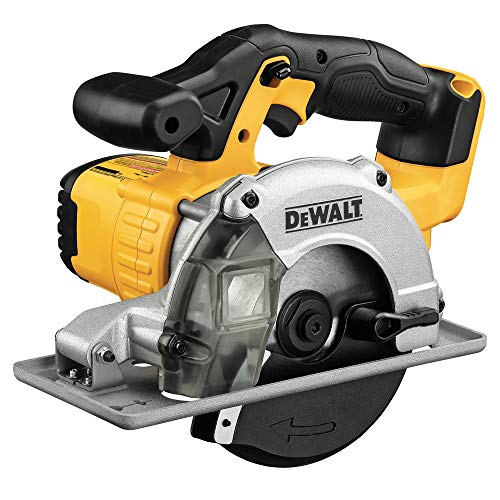
The most important feature is a blade made for metal at a speed suited to it. Metal cutting saws run slower than wood saws: the WEN CM1446 chop saw turns its blade at up to 1,450 RPM, far below a wood miter saw. Look for carbide tipped blades with many teeth, such as the 66 tooth mild steel blade on the WEN, plus a chip deflector or enclosed guard that collects hot chips. A sight line window on circular saws, like the one on the DEWALT DCS373B, helps you follow the cut.
Corded vs Cordless (Battery Platform)
Corded saws deliver steady power for long sessions; most 14 inch chop saws, including the Evolution S355CPSL and WEN CM1446, use 15 amp motors. Cordless saws go wherever you need them, which matters on roofs, fences and job sites. The DEWALT DCS373B runs on 20V MAX batteries and the DEWALT DCS367B reciprocating saw uses the same platform. If you already own batteries from one brand, staying on that platform saves money.
Power and Performance Specs
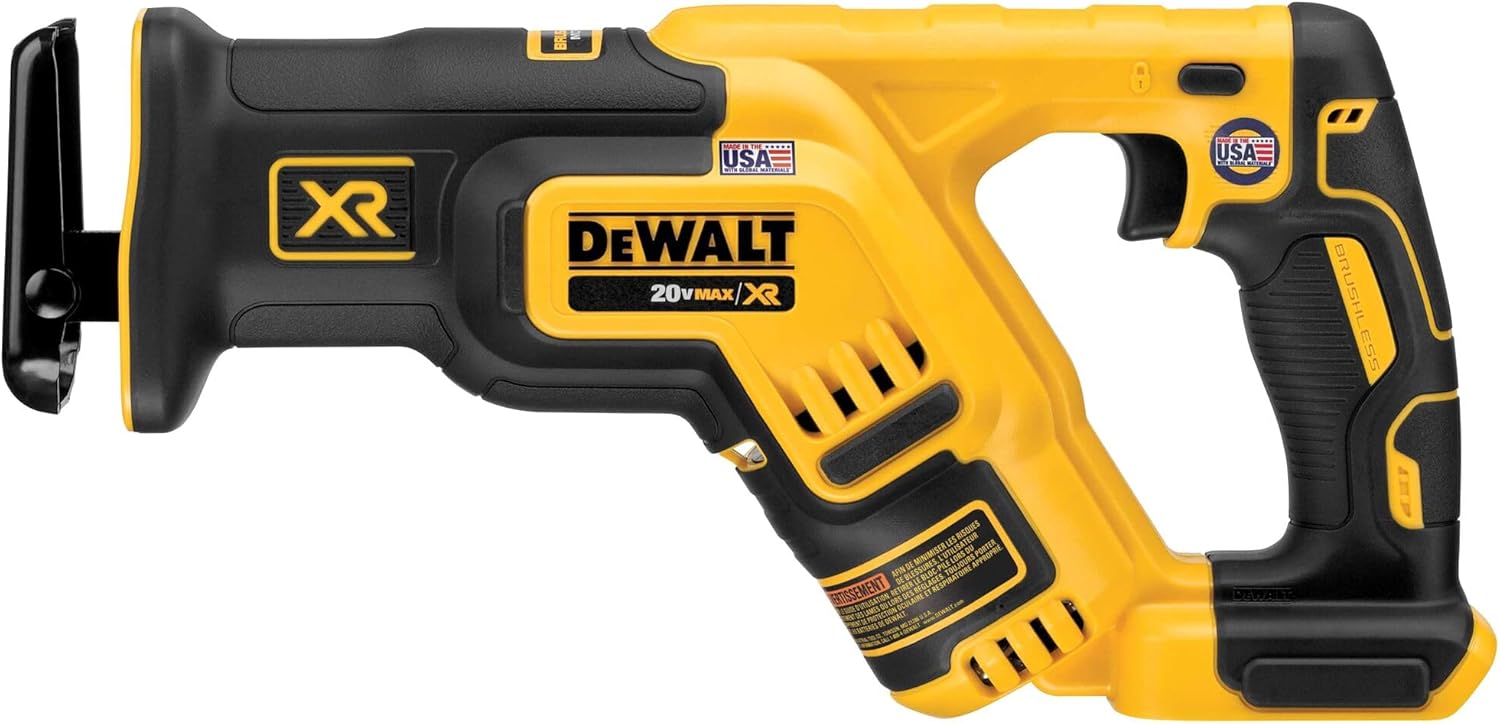
For corded tools, amps indicate motor size. For cordless tools, brands often quote watts out (MWO) or runtime; DEWALT lists 460 MWO and 3,700 RPM for the DCS373B. On reciprocating saws, stroke length and strokes per minute matter: the DCS367B offers a 1 1/8 inch stroke and up to 2,900 SPM with a variable speed trigger. Variable speed is useful on metal, because a slower stroke reduces heat and blade wear.
Accuracy and Control Features
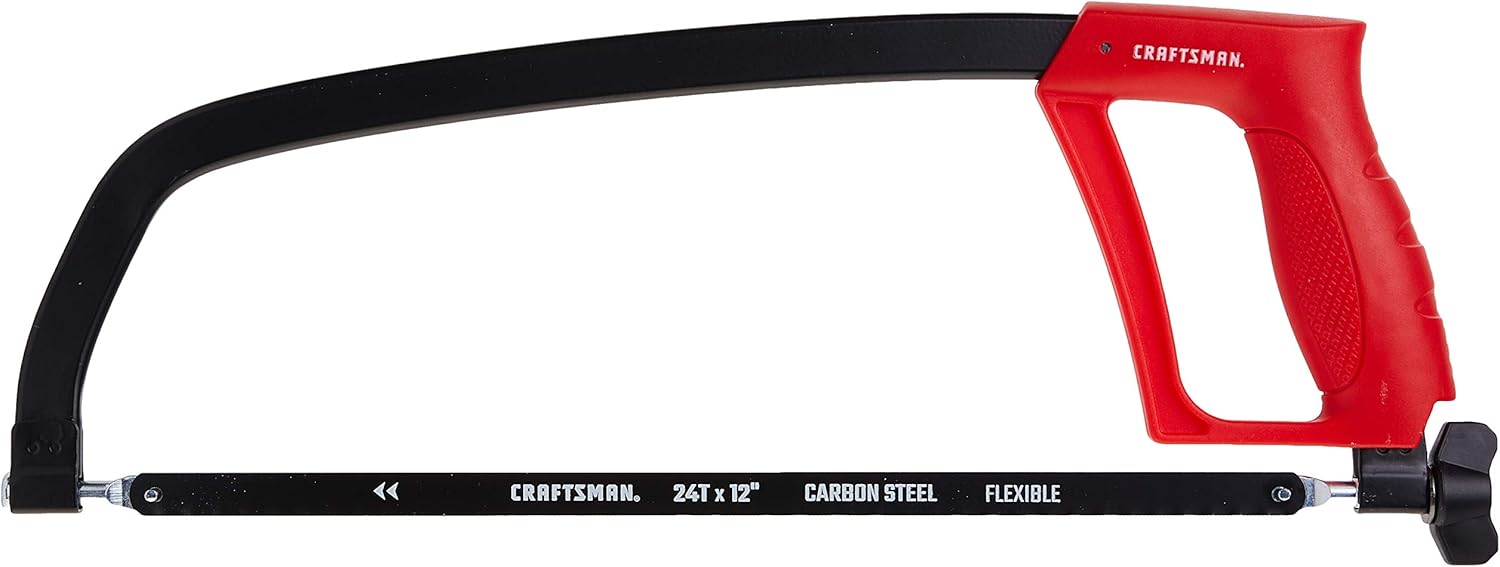
Chop saws use a vise and fence to hold the workpiece. The Evolution S355CPSL has a cast steel vise with quick release and miter cuts from 0 to 45 degrees. The WEN CM1446 includes a 45 degree adjustable fence and a hold down chain. Capacity also counts: WEN lists 3.75 by 7.25 inch rectangular stock, 5.125 inch round tube and steel plate up to 0.5 inch. For hacksaws, frame tension keeps the blade straight; the CRAFTSMAN 12 inch hacksaw frame supports up to 225 lbs of tension.
Accessories Included
Check whether a saw comes with a blade, battery and charger. Many cordless tools are sold as tool only; the DEWALT DCS373B and DCS367B listings both say tool only. Chop saws usually ship with one blade, so budget for spares made for the metals you cut, such as mild steel, stainless or aluminum. Other useful extras include a carrying case, a spare blade wrench and blade guides. A hacksaw needs only a pack of extra blades in two or three tooth counts.
Safety Features
Look for blade guards, chip collection, an electric brake on powered saws and a trigger lock. Dry cut saws throw fewer sparks than abrasive wheels, but chips are still hot and sharp. Always wear safety glasses or a face shield, hearing protection and gloves when handling cut stock. Clamp work firmly instead of holding it, and let the blade stop fully before lifting it from the cut. Keep a fire extinguisher nearby when cutting with any abrasive wheel.
Which Saw Type Fits Your Work
Use this table to match common jobs to a saw type. Prices change often, so treat them as approximate.
| Saw Type | Example | Best For | Approx Price |
|---|---|---|---|
| Hacksaw | CRAFTSMAN 12 Inch Hacksaw | Occasional cuts in bolts, pipe and rod | About $10 |
| Cordless reciprocating saw | DEWALT DCS367B | Demolition, rough cuts, tight spaces | About $180, tool only |
| Cordless metal circular saw | DEWALT DCS373B | Strut, conduit, sheet and studs on site | About $240, tool only |
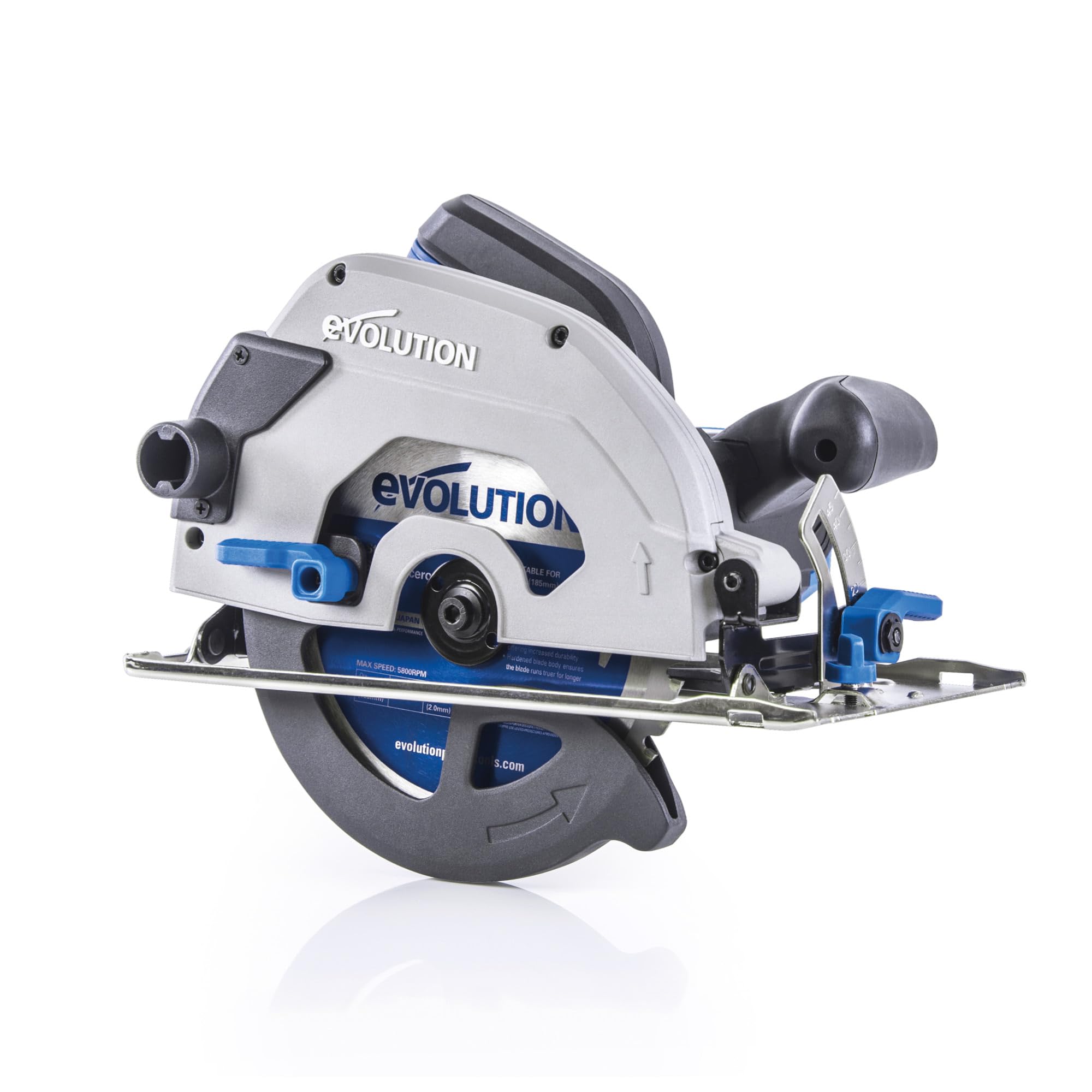
| Corded metal circular saw | Evolution S185CCSL | Straight cuts in steel plate and sheet | About $195 |
| Dry cut chop saw | Evolution S355CPSL | Square and miter cuts in tube and angle | About $400 |
| Multi material chop saw | WEN CM1446 | Shop cuts in steel, aluminum, plastic and wood | About $265 |
Rookie Mistakes to Avoid
The most common mistake is using a wood blade on metal. It dulls in seconds, can shatter teeth and is dangerous. A second mistake is running too fast: high speed creates heat that ruins blades and hardens stainless steel.
Beginners also force the saw. Let the blade do the work with steady, light pressure. Hand holding small parts is another error, since a grabbed blade can throw the piece; always clamp it. Finally, choosing the wrong tooth count for the material thickness causes chatter. A useful rule is to keep at least three teeth in contact with the metal at all times.
Getting Started: Setup and First Use
Read the manual and confirm the blade matches the material and the saw's rated speed. Install the blade with the teeth pointing in the cutting direction and tighten the arbor nut or blade clamp. Mark your cut line with a scribe or fine marker and clamp the workpiece in a vise or to a bench so the cut side hangs free.
Put on eye, ear and hand protection. Start the saw before the blade touches the metal, then feed slowly and steadily. On thin tube, rotate the piece to cut from the thickest side. After the cut, let parts cool and file away any burr before handling.
Frequently Asked Questions
What features matter most in saws for cutting metal?
A blade made for metal, a speed suited to it and a way to hold the work steady matter most. Carbide tipped dry cut blades give cleaner, cooler cuts than abrasive wheels. Next, check cutting capacity for the stock sizes you use, then guards and chip control. For portable saws, weight and grip comfort matter because you often cut overhead or at awkward angles.
Corded or cordless: which is better for DIY?
Corded saws are better for a home shop where you make many cuts in thick stock, because power never runs out. Cordless saws are better for fence repairs, rooftop work or anywhere far from an outlet. If you already own a battery platform, a tool only cordless saw is often the cheapest way to add metal cutting. Many DIYers end up with a hacksaw plus one powered option.
What specs matter most for home projects?
For home projects, focus on blade size and capacity, motor power and speed range. A 5 1/2 to 7 1/4 inch metal circular saw handles most sheet and stud work, while a 14 inch chop saw handles tube and angle. Variable speed on a reciprocating saw helps with thin or soft metals. Also confirm replacement blades are easy to find locally or online.
Is a brushless motor worth it?
A brushless motor is usually worth it on cordless saws you use often. Brushless motors run cooler, need no brush changes and get more cuts per charge. DEWALT says its brushless DCS367B delivers up to 2.5 times more runtime than earlier models. For a saw you use a few times a year, a brushed model can still be a fine budget choice.
Can I use batteries across brands?
Batteries do not work across brands without third party adapters, and adapters can void warranties or bypass protection circuits. Stick with one platform when possible. Within a brand, most batteries of the same voltage line fit all tools in that line, such as DEWALT 20V MAX tools. Check the listing for compatibility before buying.
Final Thoughts
The best saws for cutting metal match the cuts you make most. A hacksaw covers occasional jobs, a cordless reciprocating saw handles rough work and demolition, a metal cutting circular saw gives clean straight cuts in sheet and strut, and a dry cut chop saw makes accurate square and miter cuts in tube and angle. Start with the right blade, clamp every workpiece and feed steadily. For woodworking tools, see our guides to saws for cutting wood and power saws.


