
Best Transfer Switches for Generators: Reviews and Buying Guide for 2026
Disclosure: We may earn a commission when you buy through links on this page, at no extra cost to you. As an Amazon Associate I earn from qualifying purchases. Learn more

Manual transfer switches for portable generators compared, with sizing and installation planning.
Running extension cords through a window during an outage works for a fridge and a lamp, but it cannot power hardwired circuits like a furnace, well pump or ceiling lights. A transfer switch connects a portable generator to selected home circuits safely, and it prevents dangerous backfeeding into utility lines. The best transfer switches for generators match your generator's outlet and wattage, cover the circuits you care about and carry a recognized safety listing.
This guide picks three standouts, explains how manual switches, interlocks and automatic switches differ and covers what to plan before calling an electrician. Transfer switches must be installed by a licensed electrician and may require a permit; this guide helps you choose, not install.

Our Top 3 Picks at a Glance
Prices change often, so treat these figures as approximate.
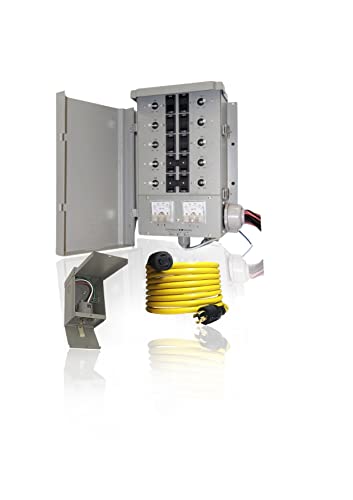
Best Overall: Reliance Controls Pro/Tran 31410CRK
The Pro/Tran 31410CRK is a long running favorite among electricians and homeowners, with one of the largest review histories in the category. It is a 10 circuit, 30 amp generator transfer switch kit designed for portable generators with a 30 amp outlet, suitable for essentials like a furnace, fridge, sump pump and lighting circuits. The limit: 30 amps limits total load, so it is not a whole home solution. It costs around $462.

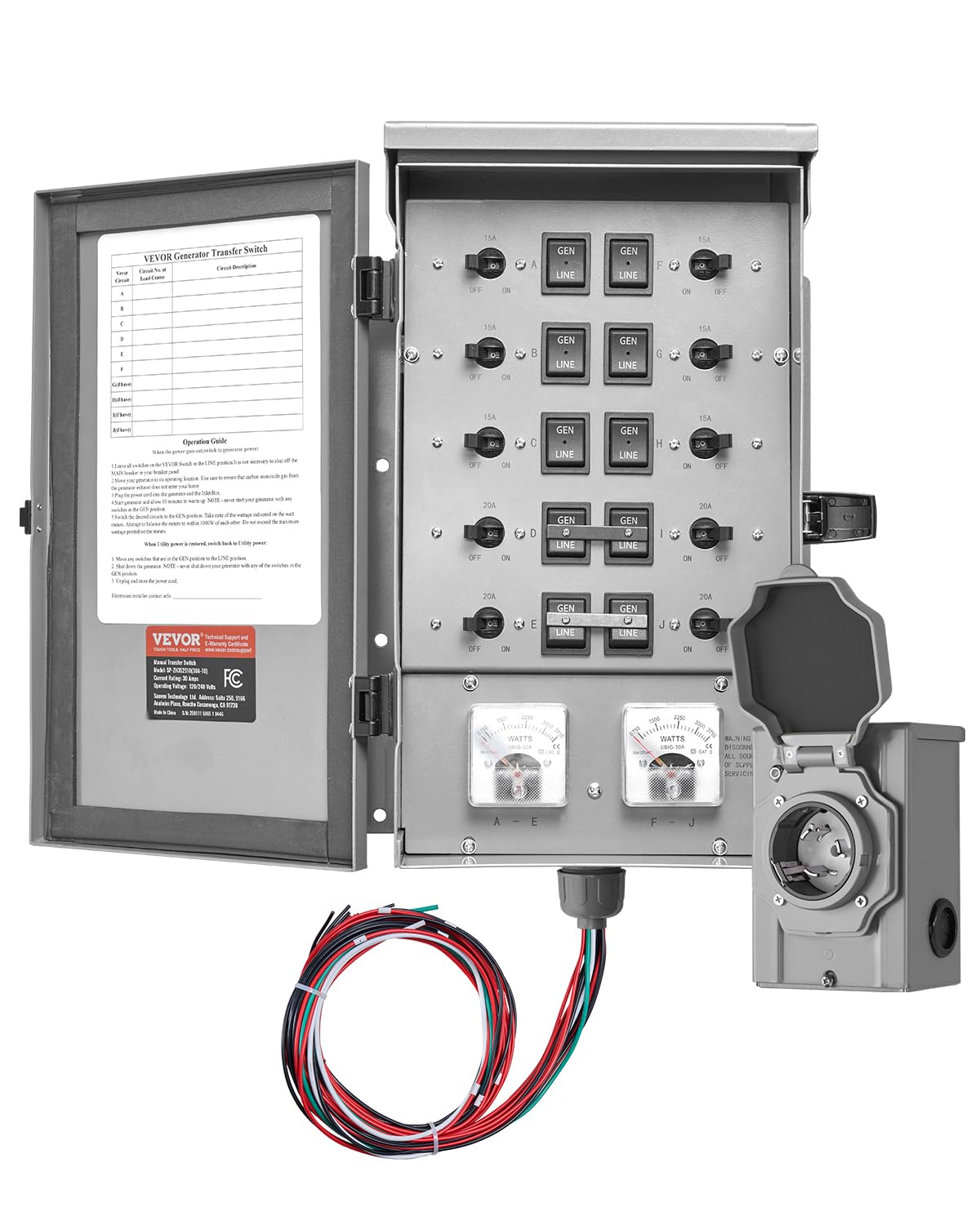
Best Value: VEVOR 30 Amp 10 Circuit Manual Transfer Switch
VEVOR's prewired kit includes a NEMA L14-30P power inlet box, double throw switches, a NEMA 3R rated design and a mechanical watt meter so you can watch the load, sized for generators up to about 7,500 watts. It costs around $192, well below most competitors. The limit: a shorter review history than Reliance and Connecticut Electric.

Best for Beginners: Connecticut Electric EmerGen 30 Amp Kit
Connecticut Electric's kit includes everything for a typical setup, including a 50 foot generator cord. It lists ETL listing and UL 1008 compliance, construction to NEC standards, double throw rocker switches that prevent backfeeding, 10 circuits up to 7,500 watts and an outdoor rated steel enclosure with liquid tight conduit and a rainproof inlet box. It costs around $435.

How to Choose the Best Transfer Switches for Generators: Buying Guide
Features That Matter for Generators
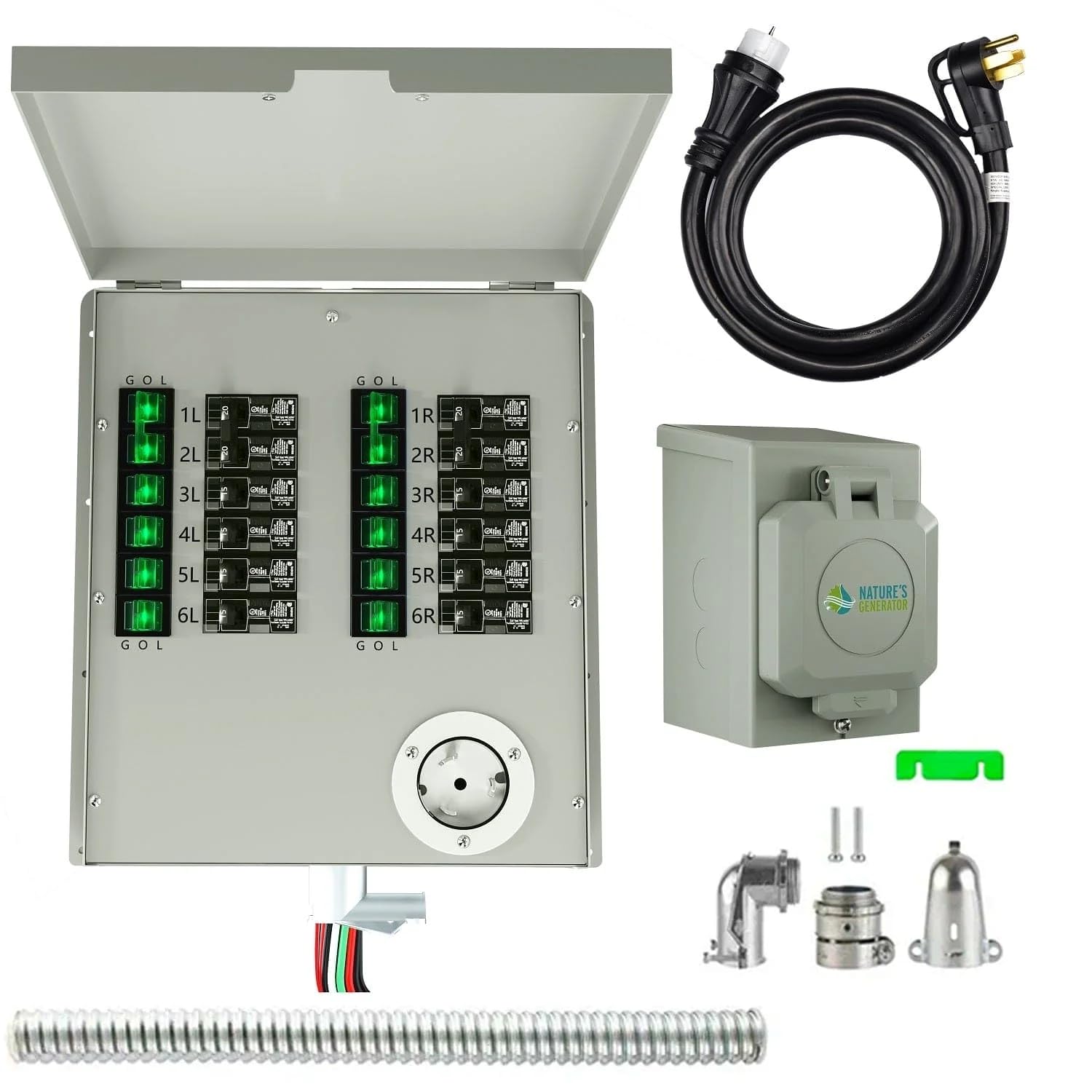
Match amperage to your generator's outlet: a 30 amp L14-30 outlet pairs with a 30 amp switch, and a 50 amp 14-50 outlet pairs with a 50 amp switch, like the Nature's Generator 50 Amp 12 circuit kit. Count the circuits you need; 6 to 10 cover most essentials. A watt meter, as on the VEVOR, helps you avoid overloading.
Switch Type: Manual, Interlock or Automatic
Manual transfer switches mount beside the main panel and let you move selected circuits to generator power one by one. Interlock kits mount on the main panel and let the whole panel run from the generator while blocking the main breaker. Automatic transfer switches start and switch over on their own and are mostly used with standby generators. Manual switches are the most common choice for portable generators.
Generator Size and Wattage
A 30 amp, 240V switch can carry up to 7,200 to 7,500 watts. A 50 amp switch suits larger generators, around 10,000 to 12,500 running watts. Sizing the switch to the generator lets you use the power you paid for.
Indoor vs Outdoor Rated
Most switches mount indoors next to the panel, with an outdoor inlet box for the generator cord. Nature's Generator lists its kits as pre wired for indoor installation. Connecticut Electric lists an outdoor rated steel enclosure, and VEVOR lists NEMA 3R rating.
Safety Listings and Code
Look for UL, ETL or similar listings. Connecticut Electric lists UL 1008 compliance and ETL listing, and Nature's Generator lists its switches as UL listed. Your electrician will confirm the setup meets local code and the National Electrical Code.
Cords and Inlets
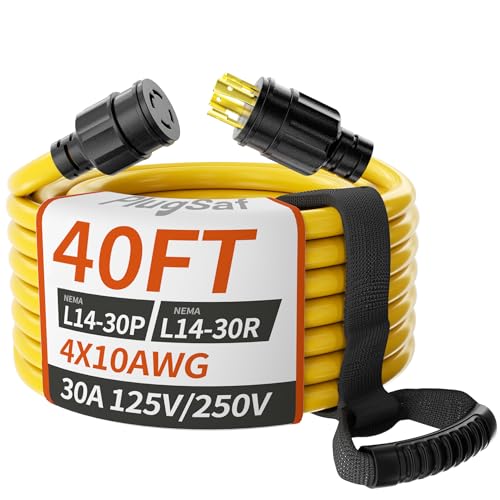
You need a generator cord that matches the generator outlet and the inlet box, such as an L14-30 cord. Connecticut Electric includes a 50 foot cord; otherwise, budget for a heavy gauge cord like a 10 AWG 30 amp cord.
Types of Transfer Switch Setups by Generator
Dual Fuel Generators
Dual fuel portables with 30 or 50 amp outlets pair with manual switches the same way as gas units. Fuel type does not change the switch choice.
Power Stations
Some large battery power stations offer 30 amp outputs and work with compatible transfer switches. Check the maker's guidance, since many smaller stations are not designed for home circuit connection.
Inverter Generators
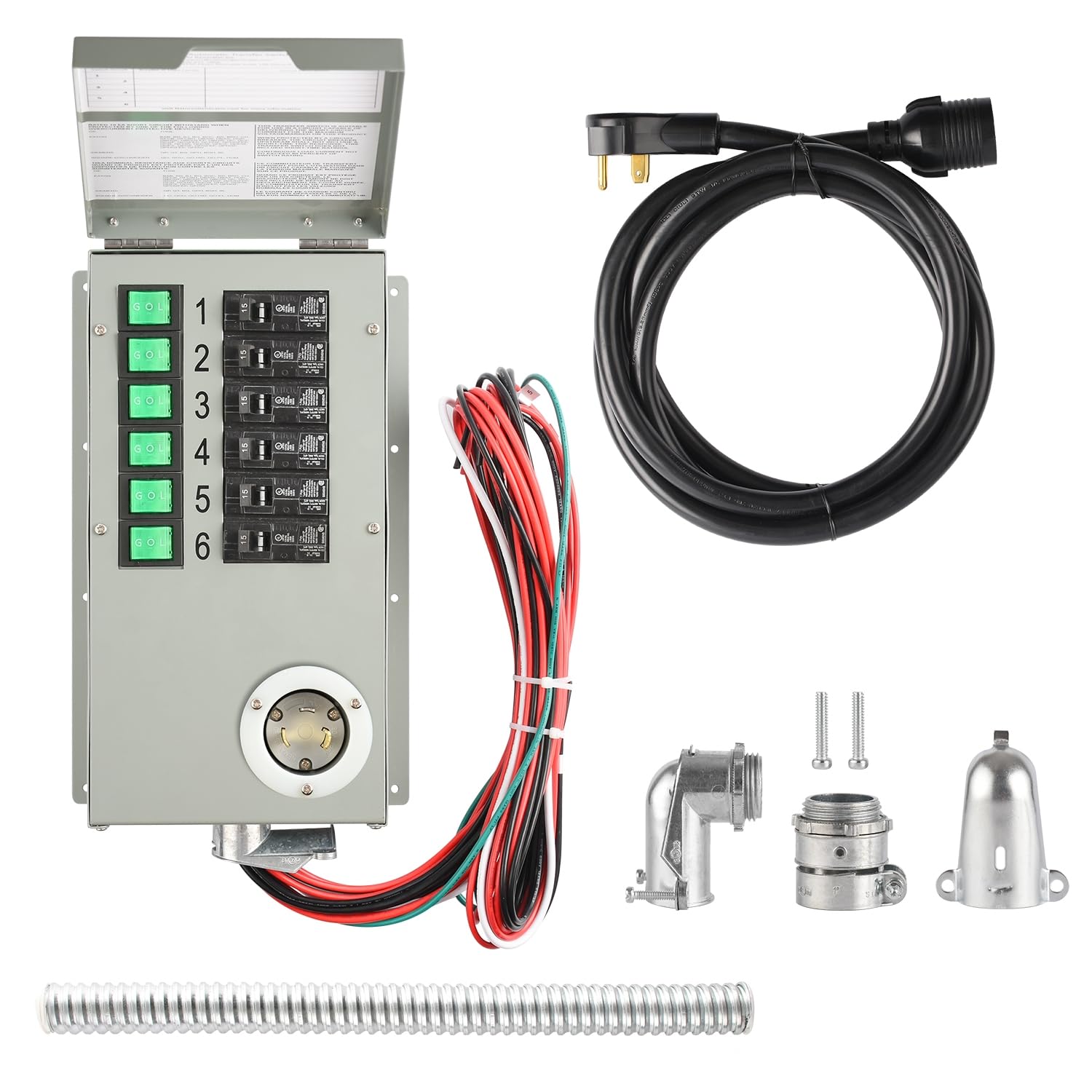
Many inverters have only 120V outputs, so choose a 120V switch like the Nature's Generator 30 Amp 6 Circuit model, or use a 120/240V model only if the generator supports it.
Large Portable Generators
Generators with 50 amp outlets pair with 50 amp switches or interlock kits for whole panel backup. For generator options, see our guides to portable natural gas generators and inverter generators for home backup.
Planning Your Installation
Before calling an electrician, list the circuits you want during an outage, check your generator's outlet type and running watts, and decide where the inlet box will go, ideally close to where the generator will sit outdoors, at least 20 feet from doors and windows. Ask about permits and inspections in your area. A clear plan makes the installation faster and often less expensive.
Care and Maintenance Tips
- Exercise the system twice a year: run the generator and switch over a few circuits so you know the routine.
- Label circuits clearly: keep a printed list at the switch.
- Inspect the inlet box: keep the cover closed and check for moisture or insects.
- Store the cord dry and coiled: check for cuts before each outage season.
Transfer Switches: Your Questions Answered
What features matter most in transfer switches for generators?
Matching amperage, enough circuits, a safety listing, the right inlet and cord, and a design suited to indoor or outdoor mounting.
Do I need a transfer switch?
To power hardwired home circuits, yes. It is the safe way to connect a generator and prevents backfeeding into utility lines, which can injure line workers.
Can a generator run a refrigerator through a transfer switch?
Yes. Put the fridge circuit on the switch; a typical refrigerator needs about 700 to 800 running watts.
How long can a transfer switch run continuously?
The switch itself can carry its rated load continuously; the limit is your generator's fuel and maintenance. Stay within the switch's amperage rating.
What size generator do I need to power a house?
For essentials through a 30 amp switch, about 5,000 to 7,500 running watts. Larger loads like central air usually need a 50 amp setup and a bigger generator.
Can I install a transfer switch myself?
Installation involves working in your main electrical panel, which is dangerous and often requires a permit. Hire a licensed electrician.
What does installation usually cost?
Costs vary widely by region, panel location and permit fees. Getting two or three quotes from licensed electricians, with the switch model and inlet location already chosen, gives the clearest picture.
Wrapping Up
Match amperage to your generator, choose enough circuits and look for a safety listing. For the best transfer switches for generators, choose the Reliance Pro/Tran 31410CRK for a proven 30 amp setup, the VEVOR for value, or the Connecticut Electric EmerGen kit with a cord included.


