
Best Chainsaws Under $100 (2026): Built for Real Projects
Disclosure: We may earn a commission when you buy through links on this page, at no extra cost to you. As an Amazon Associate I earn from qualifying purchases. Learn more

A budget chainsaw suits pruning, limbing and small rounds. Compare power sources, bar length and the extra costs behind a low price.
A storm drops two limbs across your fence line, the firewood pile needs cutting down to stove length, and your budget for a saw stops at one hundred dollars. That budget is realistic, but only for the right jobs. The best chainsaw under 100 dollars handles pruning, limbing, and firewood rounds up to about ten inches across, and it does that work with a smaller motor, a shorter bar, and fewer comfort features than mid priced saws.
This guide explains what that money buys and what it leaves out. The comparison table below sums up the main classes at this price, and the sections after it walk through power sources, bar length, chain specs, safety hardware, and the running costs that decide the real price of a cheap saw over its first two seasons.

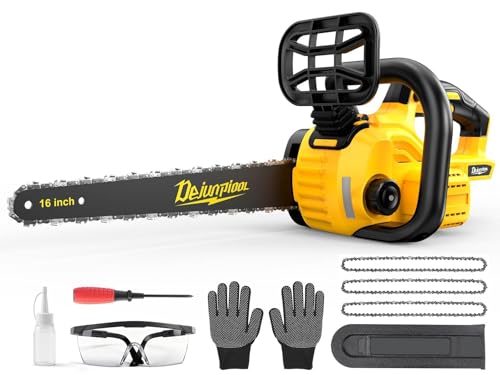
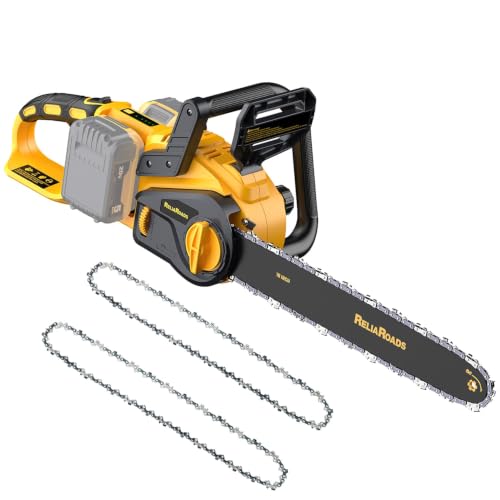
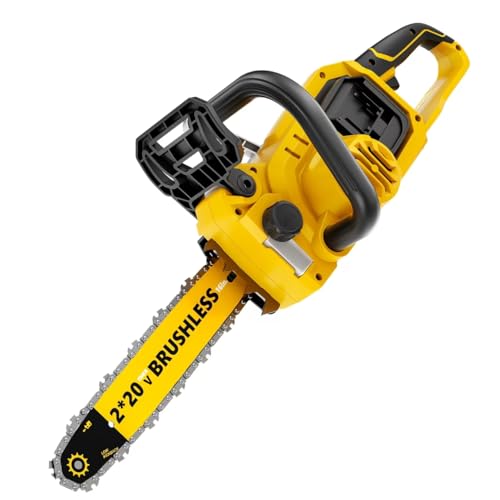
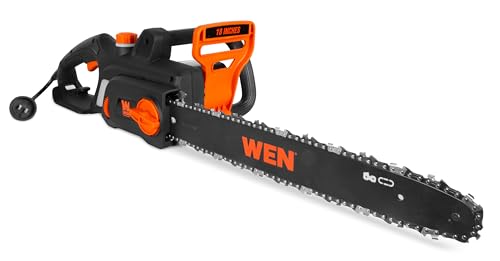
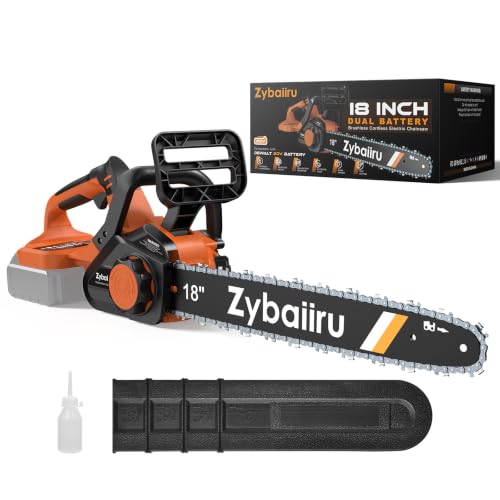
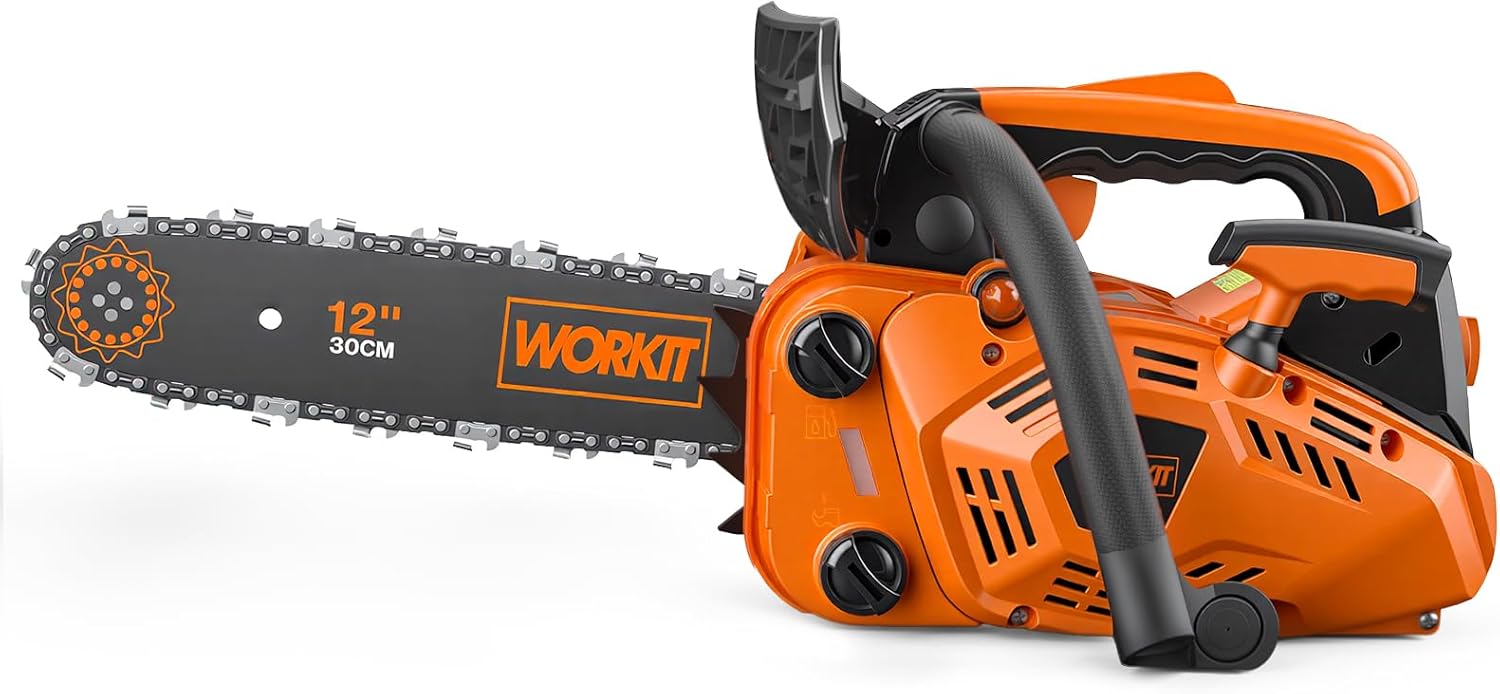
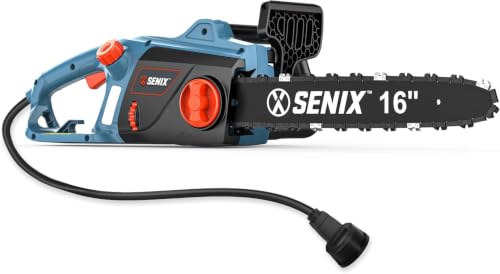
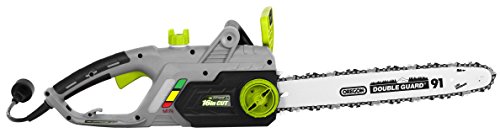
Who Should Buy a Chainsaw Under $100?
Homeowners With Occasional Storm Cleanup and Yard Pruning
If your cutting list is a few fallen limbs each season, shrubs that outgrow the hand pruners, and a fence line that needs clearing twice a year, a budget saw covers it. Most owners in this group cut less than ten hours a year, so a modest motor and a 12 to 14 inch bar are enough. Readers comparing this class with full size saws for bigger properties will find the wider picture in our guide to the best chainsaw for homeowners, where bar sizes and power classes go well beyond this budget.
First Time Buyers Who Want a Light, Forgiving First Saw
A short bar and a light body make a budget saw easier to control while you learn safe cutting habits. Electric and cordless models in this class start with a trigger pull, need no fuel mixing, and run quietly enough for suburban yards. That simplicity matters more than raw power for a first saw, because the skills that keep you safe, stance, chain tension, and reading the cut, are the same skills you later use on any larger saw.
Firewood Burners Cutting Small Rounds a Few Times a Year
If you heat with a small stove or a fire pit and your rounds arrive already bucked to length, a budget saw can cross cut rounds up to about ten inches and trim them to fit the stove door. The limit shows up with dense hardwoods and long sessions, where a small motor heats up and a cordless pack runs down fast. Buyers who cut cords of wood every fall should save longer and shop a class up instead.
Key Features to Compare
Power Source Decides What $100 Really Buys
Three power sources compete at this price. Corded electric saws give the most cutting power per dollar and run as long as your extension cord allows, but the cord limits range and demands care around the cut. Cordless saws free you from the cord, yet the battery is the expensive part, so many cheap listings are for the bare tool with no battery or charger in the box. Small gas saws exist near this price but usually trade reliability for the price tag. For cordless shoppers, our overview of the best battery chainsaw classes explains how voltage and amp hours change runtime, which helps you judge whether a budget kit is honestly priced.
Bar Length and the Size of Wood You Can Cut
Budget saws wear bars from about 10 to 16 inches, and a bar can safely cut wood up to roughly twice its length when you cut from both sides, though one pass cutting is limited to a bit less than the bar length. A 14 inch bar is the sweet spot for this class, long enough for storm limbs and small rounds, short enough to stay light and cheap. The shortest models overlap with the pruning class covered in our guide to the best mini chainsaw, and those tiny saws trade firewood ability for one handed pruning convenience.
Chain Pitch, Gauge, and Replacement Cost
The chain is a wear part, and its specs decide what a replacement costs and whether your local shop stocks it. Most budget saws use a low profile 3/8 inch pitch chain with a 0.043 or 0.050 inch gauge, both common and inexpensive. Before you buy, search the exact chain size for that saw and confirm a replacement costs around $15 to $25 and is easy to find. An odd size can strand you mid project, and a cheap saw with a hard to find chain is not cheap for long.
Tensioning System and Day One Setup
Chain tension decides both cut quality and safety, because a loose chain can jump the bar and a tight chain wears the bar and motor. Better budget saws offer tool free tensioning with a dial on the side cover, which makes the frequent small adjustments painless. Screwdriver tensioning works fine but slows you down, so owners skip checks they should make. Also confirm how the chain brake and the oiler adjust, and read the manual before the first cut, since setup steps differ between brands more than new buyers expect.
Safety Hardware You Should Not Give Up
Even at this price, insist on a working chain brake that stops the chain when the front hand guard is pushed forward, a low kickback chain, and a hand guard between the front handle and the bar. Kickback happens when the tip of the bar catches wood and throws the saw back toward you, and it is the most common cause of serious chainsaw injuries. Budget for eye protection, hearing protection, gloves, and leg protection as part of the real purchase, because the saw price alone is not the full cost of cutting safely.
Weight, Balance, and Vibration
Most saws in this class weigh about 6 to 10 pounds with the bar fitted, and that lightness is a genuine advantage for pruning overhead and for smaller users. Balance matters as much as the scale number: a saw that hangs level from its front handle tires your wrist less over an hour of limbing. Vibration is the weak point of cheap electric motors and thin handles, so if your hands go numb quickly with power tools, favor models with rubber overmold grips and plan shorter sessions with breaks.
What $100 Does Not Buy
Around $50 to $70 buys the entry shelf: corded saws with 12 inch bars, small cordless kits with a single low capacity battery, and the lightest pruning saws. Expect plastic housings, basic tensioning, and motors meant for short sessions. The top of the budget, about $80 to $100, adds brushless motors on some cordless models, 14 to 16 inch bars, tool free tensioning, and better chains in the box. Shoppers hunting for the best chainsaw under 100 should price a spare chain and bar oil into the deal from the start, because those running costs narrow the gap between a bargain listing and an honest one. What no saw at this price buys is all day cutting power, a metal crankcase on gas models, or a battery system with fast charging. If your honest cutting list includes felling trees or bucking large hardwood logs, this whole class is the wrong shelf, and the wider field in our best chainsaw guide is the better place to start.
Common Mistakes to Avoid
- Buying a bare tool cordless saw without checking, then paying nearly the saw price again for a battery and charger to make it run.
- Cutting logs wider than the bar can handle in one pass, which overheats small motors and dulls the chain fast.
- Running the saw with an empty oil reservoir, which destroys the bar and chain in a single session.
- Skipping the chain brake check before cutting, so the main safety device may not work when kickback happens.
- Pushing a dull chain harder instead of sharpening it, which strains the motor and makes cuts wander.
- Storing the saw with a slack, dirty chain, so rust and stretched links greet you at the next use.
How to Make Your Chainsaw Last Longer
Keep the chain sharp, because a sharp chain lets the saw feed itself with light pressure, while a dull chain forces you to push and overheats everything. Learn the file size your chain needs and touch up the teeth every battery charge or tank of fuel. Check tension before every session and again after the first cuts, since new chains stretch as they warm up. Top up bar and chain oil every time you refuel or swap batteries, and flip the bar each time you remove the chain so both rails wear evenly. Clean packed sawdust out of the side cover and cooling vents after cutting, and store cordless batteries indoors at a partial charge rather than full or empty. A saw treated this way easily outlasts the bargain reputation of its price class.
FAQ
Can you get a good chainsaw for under $100?
Yes, if good means light yard work rather than heavy cutting. A budget saw prunes, limbs, and cross cuts small firewood reliably when you match it to wood under about ten inches. The honest limits are session length, dense hardwood, and battery runtime. Buyers who accept those limits and keep the chain sharp usually find a sub $100 saw fully adequate for suburban yards.
Does a cordless chainsaw under $100 include the battery and charger?
Often it does not, and this is the most common budget trap in the class. Listings that look like bargains are frequently bare tools priced without any battery. Check the box contents for the battery capacity in amp hours and a charger, then compare the full kit price against rival kits. If you already own batteries from the same platform, a bare tool can be the smart buy instead.
What safety gear should you budget for with a chainsaw under $100?
Plan on eye protection, hearing protection, work gloves, and chainsaw chaps or leg protection, which together can add around $50 to $90 to the real cost. Chaps contain fibers that clog the sprocket and stall the chain if the saw contacts your leg. Skipping leg protection to stay under a round budget number is the worst saving in this category, because leg injuries are among the most common chainsaw accidents.
How long does a chainsaw under $100 last?
With basic care, an electric or cordless budget saw commonly serves five or more seasons of light homeowner use. The parts that wear first are the chain, the bar, and the battery, all replaceable at modest cost. What usually kills a cheap saw early is neglect: running without bar oil, storing a wet chain, or forcing dull cuts until the motor overheats. Cordless packs lose capacity over years, so expect runtime to fade before the saw itself fails.
Is a corded or cordless chainsaw better under $100?
Corded saws give stronger, unlimited cutting for the money and suit small yards where an outdoor outlet and a long extension cord reach every corner. Cordless saws win on freedom and quick starts for scattered jobs, but at this price their batteries are small, so runtime per charge suits pruning far better than firewood sessions. Choose by your yard layout and session length rather than by headline power numbers.
Final Thoughts
Matched to the right work, the best chainsaw under 100 dollars is a sensible tool rather than a compromise: light, simple, and strong enough for the limbs and small rounds most yards produce. Spend your attention on the full kit price, the chain specs you will pay for later, and the safety hardware, then compare the classes in the product table above before you order. Keep the chain sharp and the oil full, and a budget saw will repay you season after season.


