
Best Chainsaws Under $200 in 2026: Spend on Safety, Not Hype
Disclosure: We may earn a commission when you buy through links on this page, at no extra cost to you. As an Amazon Associate I earn from qualifying purchases. Learn more

Under $200, safety hardware and bar size matter more than hype. Compare power sources and see what this budget can really cut.
A chainsaw is the one tool where a tight budget deserves extra respect. Under $200 buys real cutting ability for firewood, storm branches and small trees, but it also buys the weakest housings and the most corners cut in the whole category. Choosing the best chainsaw under 200 dollars means protecting the safety hardware first, sizing the bar honestly to your wood, and reserving part of the budget for protective gear. The comparison table below shows how the main types divide at this price.
This guide explains what each power source can honestly do for under $200, which features must never be sacrificed to the price tag, and how to work out whether a cheap saw or a rental makes more sense for your project list.

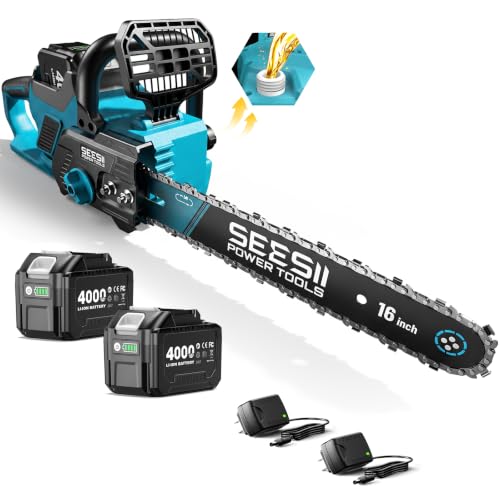
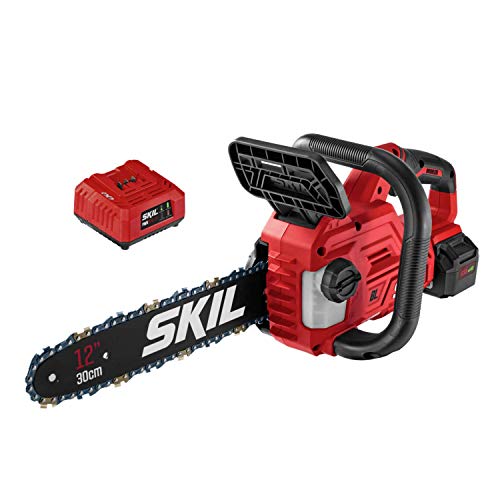


Who Should Buy Which Chainsaw Under $200?
Firewood burners cutting small diameter logs
If your stove or fireplace takes modest logs and you process a few cords a year at most, a small gas saw or a strong corded electric in this class keeps up. Logs up to about 12 to 14 inches across are the realistic ceiling, cut with patience and a sharp chain. Buyers cutting hardwood all winter will outgrow this class, but for supplemental heat and campfire wood it covers the job without a bigger investment.
Homeowners handling branches, hedges and storm fall
For limbing, pruning thick branches and cleaning up after storms, a light battery or corded saw in this range is easier to control than a gas machine and starts the second you need it. Short, occasional cuts are exactly what these saws are built for. If your storm cleanup involves whole fallen trees, that is a different tool class, and our guide to the best chainsaw for homeowners maps out where homeowner duty ends and heavier saws begin.
First time chainsaw buyers learning the basics
A first saw should be light, predictable and fully equipped with working safety hardware, not the most powerful thing the budget allows. Smaller bars are easier to control, and electric models remove the starting struggles that distract beginners from safe technique. Spend the money you save on chaps, gloves, eye and ear protection and a proper sharpening kit, because a new user with good gear is safer than a new user with a big saw.
Key Features to Compare
Power source: what under $200 really buys
Corded electric saws are the quiet overachievers here, delivering steady torque for as long as the cord reaches, with no fuel or battery costs. Battery saws at this price usually pair a modest pack with a 10 to 14 inch bar, suiting branches and light firewood in short sessions. Gas saws under $200 exist, typically 30 to 40 cc homeowner models, and they cut anywhere, but expect more vibration, more upkeep and thinner build quality than their pricier relatives.
Safety hardware that is not negotiable
Whatever the price, insist on a working chain brake that stops the chain when your wrist rolls forward, a low kickback chain, a chain catcher pin, and a throttle lock that prevents accidental revving. Test the brake with the saw off before the first cut and make checking it a habit. If a bargain saw skips or skimps on any of these, it is not a bargain. Kickback is the most common cause of chainsaw injuries, and the brake is your main defense against it.
Bar length matched to your wood
Bars at this price run about 10 to 18 inches, and longer is not better by default. A saw can cut wood up to roughly twice its bar length by working from both sides, but power and control fade long before that limit. For logs and branches up to about a foot thick, a 14 to 16 inch bar is the balanced choice. Oversized bars on small engines just lug the motor and tire your arms, while undersized bars force awkward repositioning.
Chain quality and pitch
The chain does the cutting, and at this price it is also where makers save money quietly. Look for a standard pitch and gauge with replacements sold everywhere, because an odd size strands you when the chain stretches or dulls. Low kickback chain designs use shaped links that limit bite depth, which suits this class perfectly. Budget for a spare chain from day one: swapping to a sharp chain mid job beats forcing a dull one, which is when accidents creep in.
Tensioning and oiler systems
Tool free tensioning dials are common under $200 and convenient, though some loosen faster than a traditional bolt and scrench setup. Either is fine if you check tension at every fuel or battery stop, since a sagging chain can jump the bar. An automatic adjustable oiler keeps the bar lubricated without thought; confirm the saw has one and that the oil port stays clear. A dry bar overheats, stretches the chain and ruins both parts early.
Weight and vibration control
Most saws in this class weigh about 8 to 13 pounds ready to cut. Lighter is genuinely better for overhead limbing and for control when you are tired, which is when mistakes happen. Spring mounted anti vibration systems appear on better models here and noticeably reduce hand numbness. If you plan long sessions, weight and vibration deserve as much attention as engine size, because a saw you can hold steadily is a saw you can control.
Budget for Protective Gear, Not Just the Saw
The purchase is not finished at $200 if the saw takes the whole amount. Chainsaw chaps, a helmet with eye and ear protection, and cut resistant gloves are part of the real cost of owning any chainsaw, and they matter more than an extra inch of bar. Many owners in this price class do the math the other way: about $120 to $160 on the saw and the rest on gear.
Take the safety side seriously. Chainsaw cuts are often deep and jagged, and a cut that spurts blood, exposes tissue or will not stop bleeding needs emergency care right away, not a bandage and optimism. If you are new to chainsaws, a hands on safety course from a local extension service or dealer is money better spent than any accessory. And keep the saw away from ladder work entirely: cutting above shoulder height or from a ladder is how experienced people get hurt, so leave tree climbing cuts to a professional arborist.
Common Mistakes to Avoid
- Buying the longest bar the budget allows: an 18 inch bar on a small engine cuts slower and controls worse than a balanced 14 inch setup.
- Spending the whole $200 on the saw: no money left for chaps and a helmet means the gear never gets bought.
- Forcing a dull chain: pushing harder to make a dull chain cut invites kickback and exhausts you, so swap or sharpen instead.
- Cutting from a ladder: a shifting ladder plus a running saw is one of the most dangerous combinations in yard work.
- Skipping the chain brake check: a brake clogged with sawdust may not fire when you need it, so test it before every session.
How to Make Your Budget Chainsaw Last Longer
Clean the saw after every use, because packed sawdust around the clutch and brake holds moisture and hides wear. Sharpen the chain little and often rather than grinding a ruined chain back to life, and flip the bar periodically so it wears evenly. Keep the air filter clean on gas models and the cooling vents clear on electric ones.
For storage, empty the fuel from gas saws or use stabilized fuel, loosen the chain slightly as it cools, and keep the bar covered with its scabbard. Battery packs store best indoors at partial charge. A budget saw treated this way routinely outlasts a neglected premium saw, which is the real secret of this price class. Owners leaning battery can compare care notes in our guide to the best battery chainsaw range as well.
FAQ
Can you get a good chainsaw for under $200?
Yes, if good means honest light to medium duty work: firewood from modest logs, storm branches, pruning and small tree removal. The saws are real, the safety hardware is present on reputable models, and the cutting is genuinely capable. What you do not get is commercial durability, big bar power or refinement. Match the saw to the work and this class delivers more than its price suggests, which is why it sells so well.
Gas, corded or battery: which is best under $200?
Each power source has a fair claim to being the best chainsaw under 200 for a different kind of yard. Corded electric offers the most cutting per dollar if your wood sits within cord reach of an outlet. Battery suits scattered branch work and quick jobs, with the caveat that kit batteries at this price are small. Gas gives freedom of movement and the strongest cutting here, paid for with noise, mixing or fueling chores and more maintenance. There is no universal winner, only a best fit for where your wood actually lies.
What bar length should a chainsaw under $200 have?
For most buyers, 14 to 16 inches is the sweet spot: long enough for foot thick logs with cuts from both sides, short enough for the engine sizes in this class to pull well. Go shorter, 10 to 12 inches, for pruning focused battery saws, where control matters more than capacity. Resist the longest bar on the shelf, because bar length beyond the engine comfortable range slows every cut you make.
How long does a chainsaw under $200 last?
With sharp chains, clean filters and dry storage, a homeowner saw in this class commonly serves about 5 to 10 years of seasonal use. The bar and chain are wear parts you will replace along the way, and that is normal, not a defect. Neglect is what shortens life: stale fuel in a gas saw and a rusty, sawdust packed brake are the usual early killers.
Is a mini chainsaw a smarter buy under $200?
For pruning and small branches, it can be. The compact one handed tools in our guide to the best mini chainsaw designs are light, cheap and easy to control, and many owners find they reach for them constantly. They are not firewood saws, though, and they lack the bar capacity and safety setup for log work. Treat a mini saw as a complement to a full size saw, not a substitute for one.
Final Thoughts
Under $200, buy the safety hardware first, the right power source second and bar length last. Compare the candidates in the product table above on those terms, keep enough budget back for protective gear, and take a safety course if the tool is new to you. The best chainsaw under 200 dollars is the one that cuts your actual wood while keeping you whole, and if a job ever looks beyond that, a rental or a professional is the wise purchase instead. For the full category view, our main guide to the best chainsaw types shows what stepping up in price adds.


