
Best Compact Generators by Budget: Smart Picks for 2026
Disclosure: We may earn a commission when you buy through links on this page, at no extra cost to you. As an Amazon Associate I earn from qualifying purchases. Learn more

Want the best compact generators without overspending? See what each price tier delivers, which upgrades are worth it, and where the real value sits.
Compact generators span a wide price range, from simple models around $300 to premium inverter and battery units well past $1,000, and the price gaps hide real differences in noise, cleanliness of power, and runtime. The best compact generators for your budget are the ones that match your load, your storage space, and how often you will actually use them. This guide explains what each tier delivers, and the comparison table below lines the current options up side by side.
You will see which upgrades genuinely change daily use, such as inverter power and electric start, and which extras you can skip without regret. By the end, you can set a budget with a clear head and know exactly what that money buys.
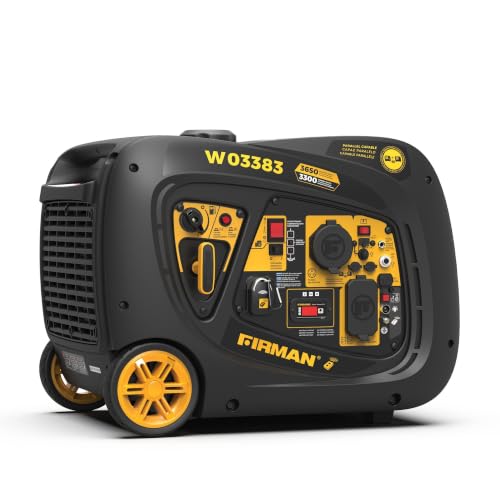


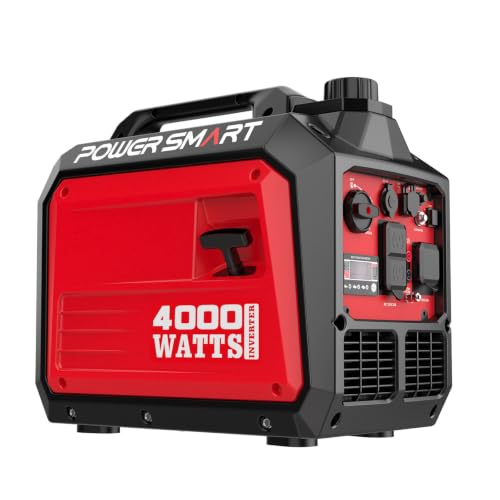
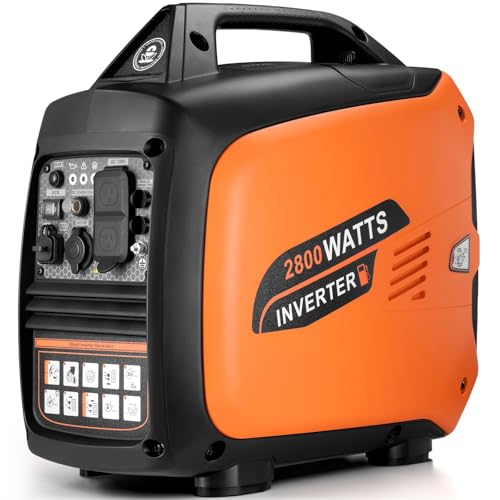


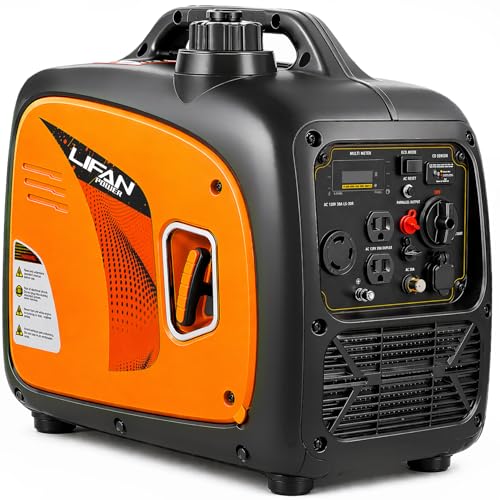
Who Should Buy Which Compact Generator?
Apartment and Condo Dwellers With Balcony Limits
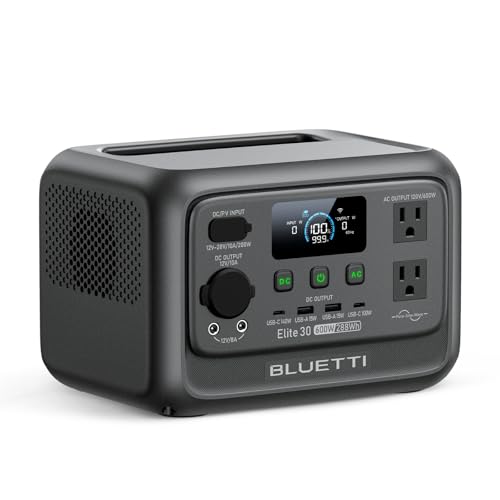
If storage means a closet or a corner of a small garage, your ceiling is weight and footprint as much as price. A small inverter generator or a battery power station in the 1,000 to 2,000 watt range keeps lights, a laptop, a fan, and phone charging alive through an outage. Battery stations win where fuel storage is banned or impractical, and they can run indoors safely. Keep in mind that a refrigerator is near the top of this size, so test your unit with yours before an emergency.
Campers and Tailgaters Who Carry the Generator Weekly
Frequent movers should buy the quietest inverter model their budget allows, because campground rules and good manners both punish loud exhausts. Look for weights under about 50 pounds, a comfortable carry handle, and an economy mode that stretches a small tank across a full day. Parallel capability is a smart midrange upgrade, letting you link a second unit later instead of replacing this one. Our roundup of the best rated portable generators covers the wider portable field if your plans grow.
Homeowners Wanting Backup for Essentials Only
If the goal is a refrigerator, lights, WiFi, and a sump pump through a storm outage, a compact unit around 2,500 to 4,000 running watts does the job at a midrange price. You will rotate loads rather than run everything at once, and that tradeoff keeps the generator small enough to store and move alone. Choose electric start if other family members may need to run it. Households wanting whole home coverage should instead read our guide to the best backup generators built for that job.
Key Features to Compare
Running Watts, Starting Watts, and Honest Sizing
Compact models advertise starting watts largest, but running watts are what your appliances draw hour after hour, so compare those first. A refrigerator may run at about 150 to 250 watts yet surge near 800 watts at compressor startup, and several surging loads at once can trip a small unit. List your essentials, add the single biggest surge, and keep the total near 80 percent of running capacity for calm, efficient operation. Buying one size up costs little weight in this class and buys real headroom.
Inverter Power and Total Harmonic Distortion
Inverter generators produce clean power with total harmonic distortion, or THD, usually under 3 percent, which laptops, TVs, and modern appliances with electronic boards prefer. Conventional compact models cost less but deliver rougher power that motors and lights tolerate and sensitive gear may not. Inverters also vary engine speed with load, so they run quieter and sip fuel during the long, light stretches of an outage or a campsite evening. If your load list includes anything with a circuit board, treat inverter power as a core feature, not a luxury.
Fuel Choice: Gasoline, Propane, or Battery
Gasoline gives the most watts per dollar and refuels anywhere, but it stores poorly and needs stabilizer and rotation. Dual fuel models add propane, which stores for years and burns cleaner at a small cost in peak output, a trade many outage focused buyers gladly make. Battery power stations using LiFePO4 cells run silently indoors and recharge from the wall or solar panels, but their stored energy is finite and their price per watt is highest. Match fuel to your storage reality first, because the best generator is the one with fuel ready when the lights go out.
Noise, Weight, and Portability Details
Noise ratings in this class range from the low 50s dBA for quality inverter models at light load to the mid 70s for open frame conventional units, and that gap decides whether neighbors complain. Weight matters just as much: most compact buyers should stay under about 60 pounds for a fuel model they expect to carry, and check the handle design, not just the number. Small wheels help on pavement but add bulk, while a flat bottom and rubber feet suit truck beds and balconies. Measure your storage spot before ordering, including door swing.
Outlets, USB Ports, and Parallel Capability
Count the outlets your outage plan needs at the same time: usually two household outlets, a USB port or two for phones, and sometimes a 12 volt socket or an RV style outlet for campers. Ground fault protection on household outlets is a safety feature worth having outdoors. Parallel ports let two inverter units share a load, which is a flexible upgrade path for campers whose needs grow. Readers drawn to powered home systems can compare the automatic options in our guide to the best automatic generators.
What Your Money Gets You at Each Price Tier
Spending About $300 to $500: Basic Emergency Power
The entry tier buys a conventional or small inverter generator of roughly 1,500 to 2,500 starting watts, recoil start, and a modest tank. Expect honest emergency service for lights, phones, a fan, and a refrigerator in rotation, plus noticeable noise and basic outlets. Build quality is serviceable rather than refined, and warranties are usually shortest here. This tier suits rare, short outages and buyers who will store the unit carefully and test it a few times a year.
Spending About $500 to $900: The Practical Middle
The middle tier is where compact generators become pleasant to live with: true inverter power, quieter mufflers, economy modes, and running watts around 2,000 to 3,500. Electric start appears on many models, fuel gauges and low oil shutoff are common, and parallel capability shows up for future expansion. Runtime at quarter load often stretches past 8 to 10 hours on a tank. For most campers and outage planners, this band delivers the strongest value per dollar in the category.
Spending About $900 to $1,500: Premium Quiet and Flexibility
Premium money buys the quietest inverter models, dual fuel flexibility, larger tanks, and refined details like remote start and digital load displays. Battery power stations with LiFePO4 cells also live here, trading fuel hassles for silent indoor use and solar charging. Output climbs toward about 4,000 running watts on the largest fuel models in this band. This tier suits frequent users, noise sensitive settings, and anyone who wants one purchase to serve camping, work, and home backup alike.
Common Mistakes to Avoid
- Comparing only starting watts across tiers, so the cheaper unit looks equal while its running watts fall well short.
- Paying for premium capacity you never load, then storing and carrying extra weight for years without benefit.
- Skipping the carbon monoxide shutoff to save money, which removes a proven safety layer for a small saving.
- Assuming a battery station matches a fuel generator on runtime, when its stored energy ends after a few hours of real load.
- Forgetting fuel and accessory costs in the budget, including stabilizer, cords, and a cover, which add up in the first year.
How to Make Your Compact Generator Last Longer
Small engines fail from sitting, not from working, so run your fuel generator under a real load for about 20 minutes every month or two. Use fuel stabilizer in every can, rotate stored gasoline every few months, and either drain the carburetor or run it dry before long storage as the manual directs. Change the oil on the hour schedule in the manual, check the air filter each season, and keep a spare spark plug with the unit.
For battery stations, store the unit partly charged rather than full or empty, top it up every few months, and keep it in a cool indoor spot. Always run fuel models outdoors at least 20 feet from doors and windows with the exhaust pointed away, and let the engine cool before refueling. A fitted cover keeps dust and garage grime out of the intake and outlets between uses.
FAQ
How long can a compact generator run continuously?
Most compact fuel generators run about 8 to 12 hours on a tank at quarter to half load, and they can work through a long outage with cooled refueling stops. Battery stations are limited by stored energy, often a few hours at moderate load. During any long run, check oil at each refuel, because small engines consume oil slowly and low oil is a quiet killer.
Should I choose an inverter or a conventional compact generator?
Choose an inverter model if you power electronics, camp near others, or value quiet running and fuel savings at light loads. Choose conventional when price rules and your loads are simple motors, lights, and heaters. The price gap has narrowed, which is why most buyers in the middle tier now land on inverter designs. Our comparisons among the best rated generators show how the two styles rank across sizes.
Do I need a transfer switch with a compact generator?
No transfer switch is needed when you run appliances on extension cords, which is how most compact generators are used. A small transfer switch or interlock becomes relevant only if you want selected home circuits powered through the panel, and that work needs a licensed electrician and local code compliance. Never backfeed a panel through an outlet, because that practice endangers utility crews and your wiring.
What size compact generator does a home actually need for essentials?
Essentials for most homes, meaning a refrigerator, lights, WiFi, phone charging, and one small extra, total roughly 800 to 1,500 running watts with surge room. Adding a sump pump or a microwave pushes the sensible target toward about 2,500 to 3,500 running watts. List your own appliances before choosing, because a single overlooked motor surge is what trips small generators in real outages.
Can a compact generator run a refrigerator safely?
Yes, a compact generator of about 2,000 running watts or more runs a typical refrigerator safely, including its startup surge. Plug the refrigerator in after the generator settles to a steady speed, and avoid starting other motor loads in the same moment. Keep the fridge door closed during outages, and this single habit stretches both your food safety window and your fuel.
Final Thoughts
Set your tier by three questions: what must run, where will the unit live, and how much noise can you accept. Answered honestly, those questions point straight to the best compact generators in the product table above for your budget, whether that is a simple emergency unit or a quiet premium inverter. Buy the tier that fits your real routine, keep its fuel or charge fresh, and it will be ready the one night you truly need it.


