
Best Pool Cleaners for Pebble Tec Pools: What Actually Matters Before You Buy
Disclosure: We may earn a commission when you buy through links on this page, at no extra cost to you. As an Amazon Associate I earn from qualifying purchases. Learn more

A seven point checklist for pool cleaners on textured pebble finishes, plus three picks.
Pebble Tec and similar aggregate finishes look beautiful and last for years, but their bumpy, textured surface is tough on pool cleaners. Brushes and tires wear faster, small debris hides between the stones and lightweight cleaners can lose grip on walls. The best pool cleaners for pebble tec pools are built to handle rough surfaces, keep traction on textured walls and pull debris out of every crevice.
Before comparing models, run through the checklist below. It is the same set of criteria we use to judge every cleaner in this guide, and it will help you avoid a cleaner that wears out in one season.

How We Evaluate Pool Cleaners
Each cleaner is judged on seven criteria. A strong pick clears all of them; a weak one fails two or more, regardless of price.
Features That Matter for Pebble Tec Pools
Pebble finishes are abrasive, so look for durable rubber or PVC treads, sturdy scrubbing brushes and wear parts you can replace. Strong suction or a large inlet matters because grit and small leaves settle between the stones. A good result: a listing that explicitly names pebble or aggregate surfaces as compatible, like the Polaris Vac-Sweep 360 and 380, and parts that are easy to buy.
Cleaner Type (Robotic, Suction, Pressure)
Robotic cleaners scrub with powered brushes and filter debris on board, independent of your pool pump. Pressure side cleaners use the return line and capture debris in their own bag, with large inlets for leaves. Suction side cleaners are the budget option but send everything to your pump and filter. All three can work on pebble finishes if the wear parts are durable.
Cleaning Cycle and Navigation
A good cleaner covers a typical in ground pool in about 2 to 3 hours. Dolphin lists 2 hours for the Nautilus CC Plus, and Polaris lists 3 hours or less for the Vac-Sweep 380. Smart navigation on robots avoids missed spots; pressure and suction cleaners use preprogrammed steering or backup valves to change direction.
Pool Type and Surface (Inground, Above Ground, Vinyl, Concrete)
Pebble Tec is a plaster based aggregate finish used on in ground concrete or gunite pools. Choose cleaners rated for in ground pools and for gunite, plaster or pebble surfaces. Cleaners designed only for above ground vinyl pools may lack the grip and durability needed on textured finishes.
Weight and Ease of Removal
Robots weigh more and must be lifted out after each cycle; a caddy or waterline parking helps. Pressure and suction cleaners can stay connected during the season, though you should remove them for heavy chemical treatments and when swimming. Check that the filter basket or bag is easy to reach and empty.
Warranty and Parts Availability
Rough surfaces wear tires, brushes and skirts faster, so availability of replacement parts matters more than usual. Established brands like Polaris, Dolphin, Zodiac and Hayward sell common parts widely. Check whether the warranty excludes normal wear items; many do.
Wall and Waterline Climbing
Textured walls hold dirt and algae, so wall climbing is important. The Dolphin Nautilus CC Plus lists wall climbing with an active scrubbing brush, and the Polaris Vac-Sweep models sweep and scrub floors and walls. Waterline scrubbing reduces the scum line that forms on rough tile and pebble edges.
3 Picks That Pass Our Checklist
Prices change often, so treat these figures as approximate.
Best Overall: Polaris Vac-Sweep 380
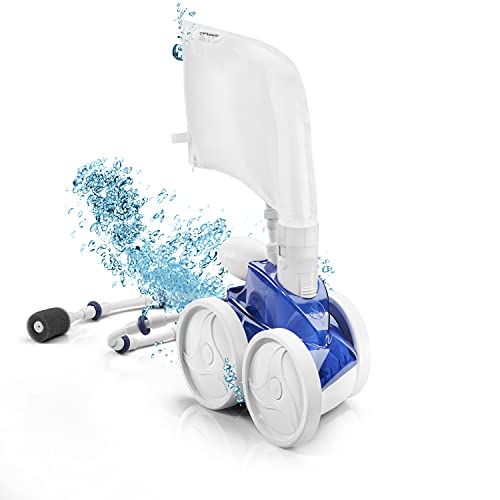
The Vac-Sweep 380 is a triple jet pressure side cleaner that Polaris lists as safe for vinyl, fiberglass, gunite, pebble and tile. Its 2.25 inch inlet and single chamber bag capture leaves, acorns and small pebbles before they reach your pump, and it sweeps and scrubs floors and walls in 3 hours or less. It includes 31 feet of feed hose. The limit: it needs a separate Polaris booster pump. It costs around $700.
Best Value: Polaris Vac-Sweep 360
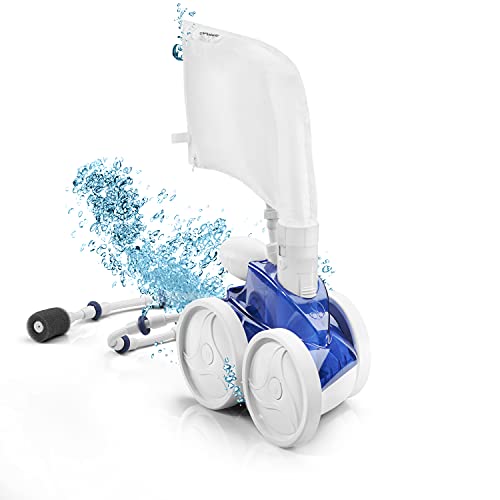
The Vac-Sweep 360 skips the booster pump, running on water pressure from the pool's return line, and Polaris lists it as safe for pebble surfaces. Three venturi jets and a 2.25 inch inlet handle large debris, and its filter bag keeps your pump basket and filter cleaner. It works best with a dedicated cleaner return line, though a retrofit kit is available for standard returns. It costs around $575.

Best Premium Pick: Dolphin Nautilus CC Plus
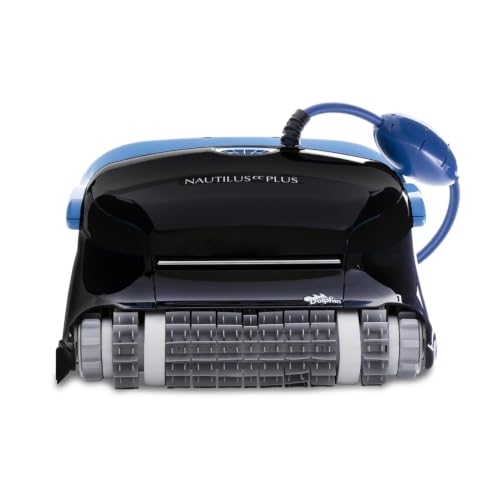
The Nautilus CC Plus is a robotic cleaner for in ground pools up to 40 feet long. Dolphin lists wall climbing, an active scrubbing brush, smart navigation, a top load filter basket and plug and play setup that cleans a pool in about 2 hours. It is one of the most reviewed robots in the category. The limits: you lift it out after each cycle, and brushes wear faster on textured surfaces. It costs around $830.

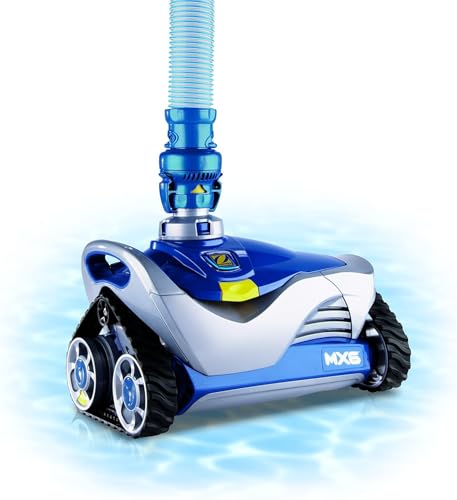
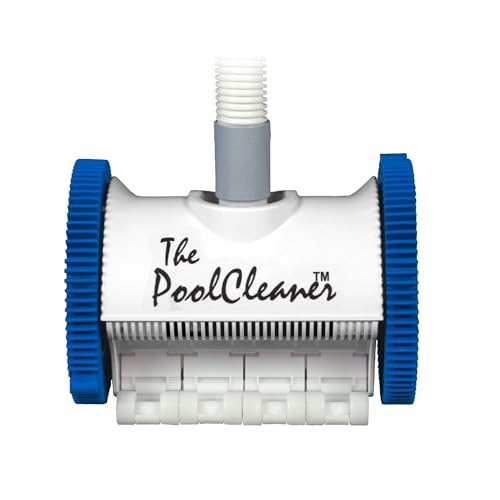
Also worth a look: the Hayward Poolvergnuegen suction cleaner lists adjustable roller skirts that keep suction on uneven surfaces and patented tire treads for climbing, and the Zodiac MX6 uses X-Trax treads for grip. Compare more cleaners in our guides to pressure side pool cleaners, suction side pool cleaners and Dolphin pool cleaners.
Quick Buyer Checklist
- Is the cleaner rated for in ground gunite, plaster or pebble surfaces?
- Are replacement tires, brushes and skirts easy to buy?
- Does it climb walls and reach the waterline?
- Does it need a booster pump, a dedicated line or nothing at all?
- Is the debris bag or basket large and easy to empty?
- Does it fit your pool size and shape?
- Does the warranty cover the motor and drive parts?
Red Flags to Watch For
- No surface compatibility listed: if a listing never mentions gunite or pebble, it may be designed for vinyl only.
- Foam brushes only: soft foam wears quickly on aggregate finishes.
- No parts available: unknown brands with no replacement tires or brushes become disposable.
- Unusual review patterns: many short five word reviews posted at once.
- Short or vague warranty: look for clear coverage of motors and drive systems.
Why the Best Pool Cleaners for Pebble Tec Pools Wear Differently
Every cleaner on a pebble finish works harder than it would on smooth plaster or vinyl. The textured surface acts like fine sandpaper on tires, treads and brushes, so expect to replace those parts more often, sometimes every season with heavy use. That is normal, not a defect, and it is why parts availability is on our checklist.
Debris also behaves differently. Fine sand and silt settle into the gaps between stones, where suction cleaners with weak flow can glide right over it. Robots with active brushes or pressure cleaners with strong venturi jets dislodge more of it. Brushing the walls by hand once a week, using a stainless or nylon brush recommended for your finish, keeps algae from taking hold in the texture.
Setup and Care Tips
- Calibrate flow: set suction or pressure to the maker's recommended range so the cleaner climbs without racing.
- Inspect wear parts monthly: replace tires, brushes and skirts before they wear through.
- Empty bags and baskets after each cycle: full bags reduce suction and coverage.
- Keep water chemistry balanced: balanced water protects both the pebble finish and the cleaner's parts.
- Store robots out of direct sun: UV and heat age plastics and cables.
FAQs
What features matter most in pool cleaners for pebble tec pools?
Durable treads and brushes, explicit compatibility with gunite or pebble surfaces, strong suction or a large inlet, and easy to find replacement parts. Wall climbing matters too, because textured walls hold dirt and algae.
Are robotic pool cleaners worth it?
Yes, for most owners. Robots scrub actively, filter fine debris and do not rely on your pool pump, which can lower energy use. On pebble finishes, budget for replacing brushes more often than on smooth surfaces.
How long should a pool cleaner run?
Most in ground pools need about 2 to 3 hours per cycle. Dolphin lists 2 hours for the Nautilus CC Plus, and Polaris lists 3 hours or less for its Vac-Sweep models. Run cycles more often in leaf season or after storms.
Which cleaner is best for leaves?
Pressure side cleaners with large inlets, like the Polaris Vac-Sweep 380 and 360, handle leaves best because debris goes into their own bag. See our guide to pool cleaners for leaves for more options.
Can I leave a robotic cleaner in the pool?
No, not long term. Remove robots after each cycle to protect seals, cables and plastics from chlorine and sun. Store them in a shaded spot, ideally on a caddy.
Wrapping Up
Surface compatibility, durable wear parts and strong suction matter most on textured finishes. For the best pool cleaners for pebble tec pools, start with the Polaris Vac-Sweep 380, choose the Vac-Sweep 360 if you want to skip a booster pump, or step up to the Dolphin Nautilus CC Plus for robotic scrubbing. Compare all picks in the product table above.


