
Best Tailgating Generators by Budget: Smart Picks for 2026
Disclosure: We may earn a commission when you buy through links on this page, at no extra cost to you. As an Amazon Associate I earn from qualifying purchases. Learn more

Three tailgating inverter generators at budget, midrange and premium prices, with wattage and safety tips.
Generators for tailgates range from about $450 for a compact inverter to well over $1,000 for premium names, and the cheapest one is not always the bargain. The best tailgating generators are light enough to lift out of a trunk, quiet enough that the next car over does not complain and clean enough to power a TV, a blender and phone chargers without risk.
This guide picks one generator at each budget, explains what each price tier really buys, and flags the features worth paying for so you spend where it matters.



Top 3 Picks by Budget
Prices change often, so treat these figures as approximate.
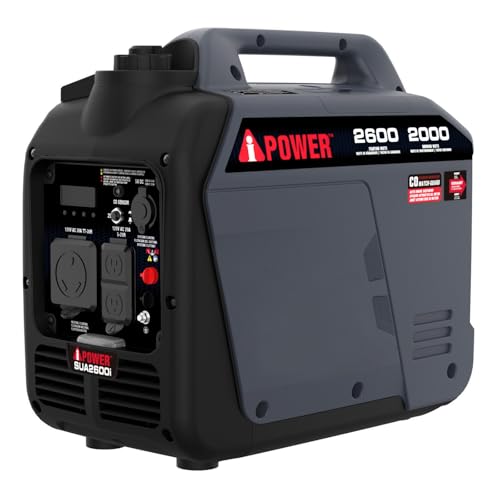
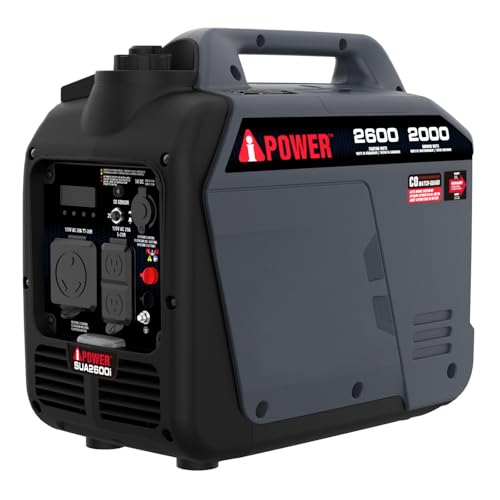
Best Budget Pick: A-iPower SUA2600i
The SUA2600i is built for tailgates and campsites. A-iPower lists 2,600 starting and 2,000 running watts from an 80cc engine, enough for a mini fridge, coffee maker, fan, string lights and phone chargers. It weighs 38 pounds, runs up to 9 hours at 25 percent load on its 0.9 gallon tank and keeps power under 3 percent THD for laptops and TVs. A built in CO sensor shuts it down if carbon monoxide builds up, and it is parallel ready. The limit: A-iPower lists it at 62 dBA, louder than the premium picks. It costs around $450.
Best Midrange Pick: Champion 2500-Watt Ultralight Inverter
Champion's ultralight inverter weighs just 39.7 pounds and lists 53 dBA from 23 feet, quiet enough for a crowded lot. It delivers 2,500 starting and 1,850 running watts with up to 11.5 hours of runtime, a 120V duplex outlet with under 3 percent THD, a 12V outlet and CO Shield automatic shutoff. It is parallel ready and includes a 3 year limited warranty with free lifetime technical support. The limit: recoil start only. It costs around $490.

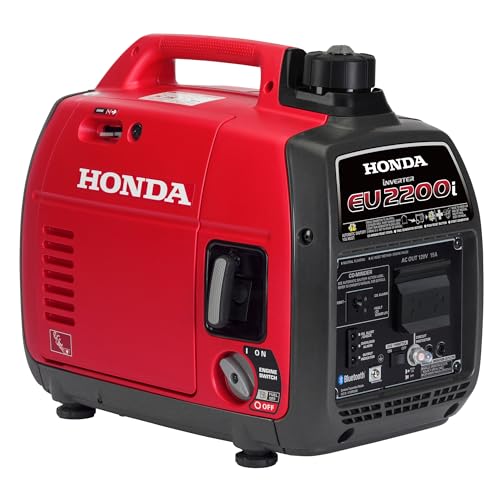
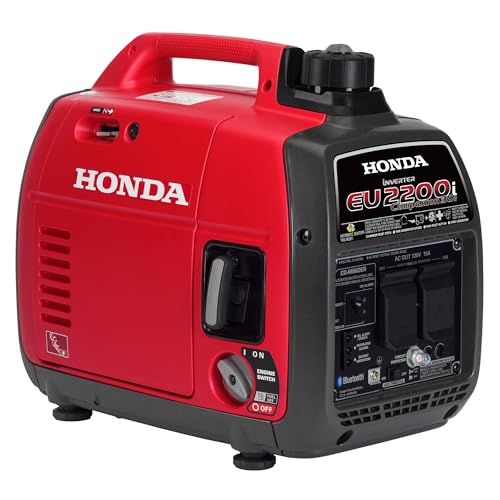
Best Premium Pick: Honda EU2200i
The Honda EU2200i is the reference compact inverter. Honda lists 48 to 57 dB(A), runtime up to 8.1 hours, inverter power clean enough for computers, Bluetooth app control through My Generator with service reminders, and CO-MINDER carbon monoxide shutdown. It carries a 3 year residential warranty and has one of the largest review histories in the category. The limits: it costs around $1,200, and this model is not sold in California.

What Your Money Gets You at Each Price Tier
Budget Tier: What to Expect
Around $400 to $500 buys a 2,000 to 2,600 watt inverter from brands like A-iPower or Champion. Expect clean inverter power, a CO sensor, parallel capability, USB and 12V outlets and weight under 40 pounds. The trade offs are slightly higher noise, recoil starting and a less proven long term record than premium brands. This tier suits most fans who tailgate a few times a season.
Midrange Tier: The Sweet Spot for Most Buyers
Around $500 to $850 adds more power or more features. The WEN DF360iX lists 3,600 surge watts on gas, dual fuel operation with propane, a TT-30R RV outlet, USB ports and a CO Watchdog shutoff, all for around $520. Larger midrange units, like WEN's 4,500 watt models, add electric start but weigh more. Choose this tier if you run a small electric grill, a slow cooker plus a TV, or want propane convenience.
Premium Tier: When Spending More Pays Off
Around $1,000 and up buys Honda and similar premium inverters. You pay for lower noise, proven reliability, app monitoring and strong dealer support. For fans who tailgate every home game for years, or who also use the generator for camping and power outages, the premium can pay off in fewer repairs and a quieter lot.
Features Worth Paying For (and Ones to Skip)
Wattage: Running vs Starting Watts
Add up the running watts of everything you will use at once, then make sure the largest motor load's startup surge fits within starting watts. Typical tailgate loads:
| Device | Approx Running Watts |
|---|---|
| LED TV (40 to 55 inch) | 60 to 120 |
| Mini fridge | 80 to 150 (higher at startup) |
| Blender | 300 to 600 |
| Slow cooker | 200 to 300 |
| Electric griddle | 1,200 to 1,500 |
| Phone chargers and lights | Under 100 |
A 2,000 running watt inverter covers most setups; electric griddles push you toward 2,500 watts or more.
Generator Type (Portable, Inverter, Standby, Solar Power Station)
Inverter generators are the right choice for tailgating: quiet, light and with clean power for TVs and electronics. Conventional portable generators make more power per dollar but are loud and heavy. Standby generators are permanent home units, not portable. Solar power stations are silent and fume free, which some stadium lots require, but run out quickly with heating appliances. Check your venue's generator rules before game day.
Transfer Switch and Home Connection
You do not need a transfer switch for tailgating; you plug devices straight into the outlets. If you plan to use the same generator for home backup, have a licensed electrician install a transfer switch or inlet box. Never plug a generator into a wall outlet, which can backfeed power lines and endanger utility workers.
Fuel Type (Gasoline, Propane, Dual Fuel, Natural Gas, Solar)
Gasoline is easy to find but should be stored in approved cans and treated with stabilizer. Propane stores for a long time, burns cleaner and is convenient if you already bring a tank for the grill; dual fuel models like the WEN DF360iX run on either. Natural gas is for home units only. Solar power stations need no fuel but recharge slowly.
How to Choose the Best Tailgating Generators for Your Setup
Start with the heaviest load you plan to run. If it is a TV, a mini fridge and phone chargers, any of the best tailgating generators in this guide will do, so choose by noise and weight. If you bring an electric griddle or a slow cooker plus a TV, look for at least 2,500 starting watts or a dual fuel model with more headroom.
Next, think about lifting it. A generator under 40 pounds, like the A-iPower SUA2600i or Champion 2500, is easy for one person to lift into a trunk or truck bed. Finally, check your stadium or venue rules. Some lots limit generator noise or ban gas generators entirely, which makes a quiet inverter, or a solar power station for light loads, the only option.
If you also camp or want backup power at home, buying one quality inverter that does all three jobs often costs less than separate machines. See our picks for portable generators for camping and inverter generators for home backup.
Tailgate Safety and Setup Tips
- Keep it outside and away: run the generator at least 20 feet from tents, canopies and open car doors, with the exhaust pointed away from people.
- Use a CO shutoff model: every pick here has carbon monoxide shutdown.
- Use outdoor rated cords: choose heavy gauge cords sized for the load; see our guide to extension cords for generators.
- Refuel cold: let the engine cool before adding fuel.
- Keep it dry: do not run it in rain without a proper generator cover.
Long Term Costs to Factor In
Beyond the purchase price, budget for fuel, oil changes, a spark plug and air filter every season or two, fuel stabilizer, a cover and heavy duty cords. A parallel kit, around $75 for Champion, lets you link two units later instead of buying a bigger one. Warranty length matters too: Champion, A-iPower, WEN and Honda all list 3 year coverage on these models. For care basics, see our guides to oil for generators and fuel stabilizer for generators.
FAQs
Inverter or conventional: which is better?
For tailgating, an inverter is better. Inverters are much quieter, lighter and produce clean power with low THD, which protects TVs, laptops and phones. Conventional generators make more watts per dollar, but they are loud and heavy, and many tailgate lots and campsites discourage them.
What size generator do I need to power a house?
For essentials like a fridge, lights, a sump pump and phone charging, plan on about 3,500 to 5,000 running watts. Whole home backup usually needs 7,500 watts or more, or a standby unit. A 2,000 to 2,500 watt tailgating inverter only covers a few essentials.
Do I need a transfer switch?
Not for tailgating or camping, where you plug devices in directly. For home backup through your electrical panel, yes: a licensed electrician should install a transfer switch or interlock to prevent dangerous backfeeding.
Can a generator run a refrigerator?
Yes. A mini fridge runs easily on any 2,000 watt inverter. A full size refrigerator typically needs about 700 to 800 running watts and a higher startup surge, so a 2,000 to 2,500 watt inverter can usually start it if little else is running.
How long can a tailgating generator run continuously?
It depends on tank size and load. At light loads, Champion lists up to 11.5 hours, A-iPower up to 9 hours at 25 percent load and Honda up to 8.1 hours. At higher loads, expect much less. Shut it down to refuel when the engine is cool.
Our Verdict
Focus on running watts, noise and weight. For the best tailgating generators, pick the A-iPower SUA2600i to keep costs down, the Champion 2500-Watt Ultralight for quiet value, or the Honda EU2200i for premium quiet and long term reliability. Compare all options in the product table above.


