Best Survival Folding Saws: A First Time Buyer's Guide for 2026
Disclosure: We may earn a commission when you buy through links on this page, at no extra cost to you. As an Amazon Associate I earn from qualifying purchases. Learn more

A first time buyer guide to survival folding saws: blade length, TPI, locks, weight and safe first use.
A folding saw is one of the most useful tools in a survival or bushcraft kit. It cuts firewood, clears trail, builds shelter frames and trims branches with less effort and more control than a hatchet, and it folds away safely in a pack. The best survival folding saws balance blade length, weight and a lock you can trust.
This first time buyer's guide explains the basics, the specs that matter, the mistakes new owners make and how to get started. It uses real listings, from a 3 ounce pocket saw to a 21 inch bow style folder, to show what each size can do.



Survival Folding Saws 101: The Basics
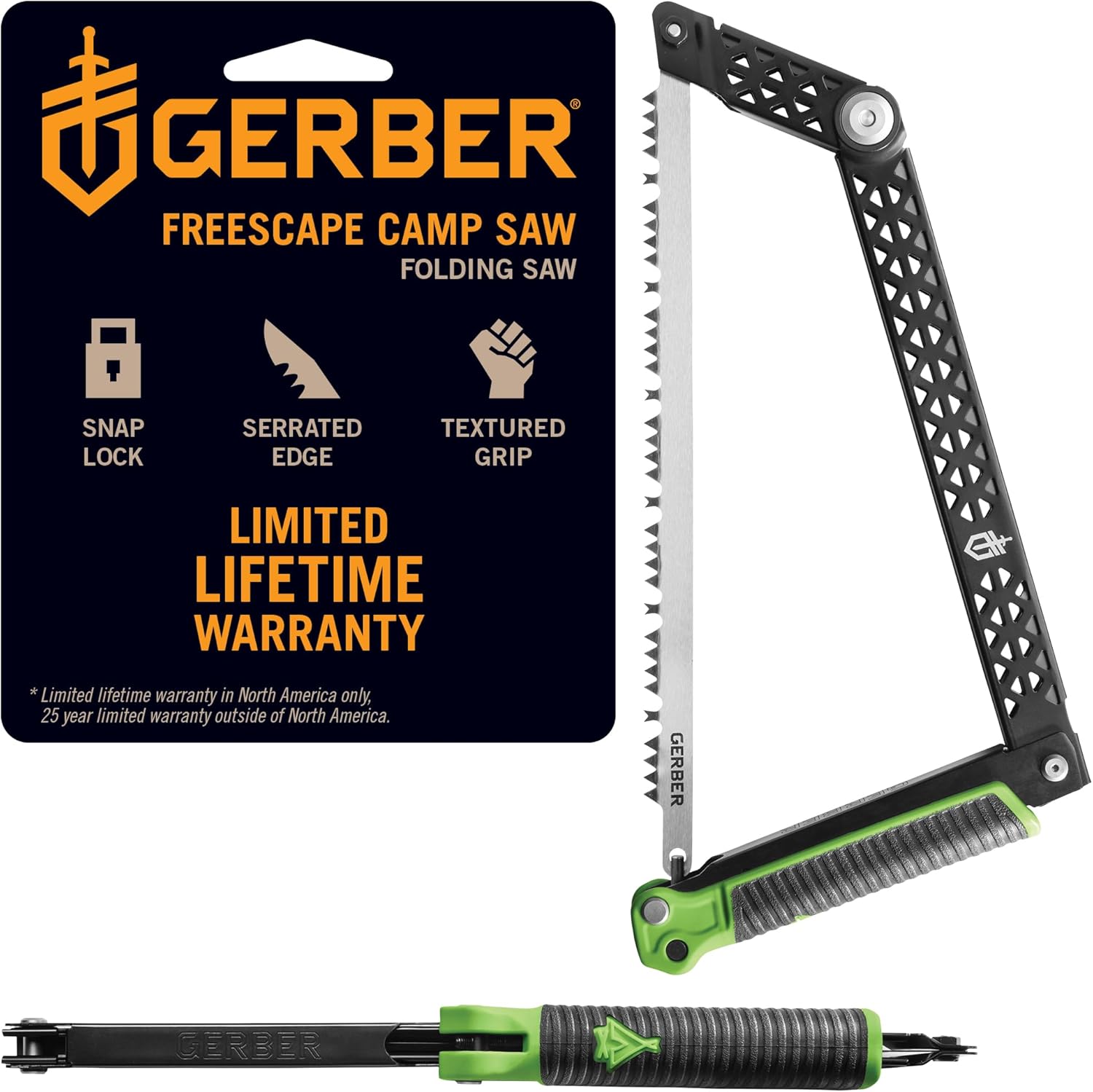
A survival folding saw is a hand saw whose blade pivots into the handle or folds inside a frame for carry. Most use a single blade that locks open, like the Bahco Laplander or REXBETI folding saws. A second style, the folding bow saw, packs a long blade inside a hinged frame, such as the AGAWA BOREAL21 or Gerber Freescape.
Many folding saws cut on the pull stroke, which keeps the thin blade in tension and lets it be sharper and narrower than a push saw. Blade steel is commonly high carbon, such as SK5, often with a coating to resist rust and reduce friction. Teeth per inch (TPI) usually run from about 5 to 8; fewer, larger teeth cut green wood fast, while finer teeth leave a smoother cut in dry wood.
Key Specs Explained in Plain English
Folding saw listings mention steel, teeth, length and weight. A few of these decide how much wood you can cut and how comfortable the saw is to carry for days. Start with blade length and lock quality, then look at handle, weight and warranty. These are the specs that set the best survival folding saws apart from cheap folders that bend or fold mid cut.
Think about your use. A day hiker needs a light pocket saw for kindling and small limbs. A bushcrafter or hunter who builds fires and shelters needs a 7 to 12 inch blade. Someone clearing trails or processing firewood at a base camp will appreciate a long bow saw.
Manual vs Powered Options
Survival folding saws are manual tools, and that is their strength. They need no battery, fuel or charging, work in any weather and make little noise. Cordless pruning saws and chainsaws cut faster, but they are heavier, need power and are less practical deep in the backcountry. For a survival kit, a manual folder is the reliable choice. If you also maintain a property, a powered saw can live in the truck while the folder stays in your pack.
Warranty and Brand Ecosystem
Replacement blades matter more than the brand name. A saw with available spare blades can last for years, because blades eventually dull or bend. AGAWA says BOREAL blades are simple to replace with no tools. Warranties vary: Gerber backs the Vital Pack Saw with a limited lifetime warranty. Check whether the brand sells blades with different tooth patterns, such as wood or bone blades, so one handle covers several jobs.
Weight, Ergonomics, and Vibration
Weight ranges widely. The Gerber Vital Pack Saw weighs about 3 ounces, the REXBETI 14 inch saw about 14.5 ounces and the AGAWA BOREAL21 about 18 ounces. A rubber coated handle helps in rain and cold; Bahco uses a two component handle on the Laplander and REXBETI uses a rubber coated polymer grip. A longer handle, like the 8 inch grip on the REXBETI 14 inch model, lets you grip with both hands for bigger logs.
Accuracy and Control Features
The lock is the key control feature. A good folding saw locks firmly in both the open and closed positions so it cannot fold onto your fingers or open in a pack; Bahco lists a safety lock for both positions on the Laplander. Bow style folders like the BOREAL21 use automatic blade tension for straighter cuts in thick wood. A stiff, thick blade resists binding, while a thin blade cuts faster but flexes if you twist it.
Accessories Included
A sheath or strap makes carry easier and protects the teeth. The Gerber Vital Pack Saw includes a fabric sheath that mounts to a pack or belt, and the Bahco Laplander comes with a leather strap. Larger folders usually need no sheath because the blade folds inside the frame. Extras worth buying include a spare blade, a small file for touch ups and a cloth for wiping sap.
Blade Length and Cutting Power
Blade length sets the maximum log size. A rough rule is that a saw cuts wood up to about half its blade length comfortably. REXBETI says its 14 inch blade suits 7 to 10 inch branches and its 11 inch saw handles 6 to 7 inch branches. Tooth geometry also matters: the Bahco Laplander uses 7 TPI XT toothing, and the REXBETI 14 inch uses aggressive 5.5 TPI staggered teeth for fast cuts in green wood.
Popular Survival Folding Saws Compared
Prices change often, so treat these figures as approximate.
| Saw | Blade | Weight | Notable Feature | Approx Price |
|---|---|---|---|---|
| Gerber Vital Pack Saw | 3.4 inch | About 3 oz | Fabric sheath, blunt tip, lifetime warranty | About $21 |
| Bahco Laplander | 7 1/2 inch, 7 TPI | Not listed | Locks open and closed, leather strap | About $24 |
| REXBETI 11 Inch Folding Saw | 11 inch SK5, 7 TPI | Not listed | Cuts branches up to 6 to 7 inches | About $19 |
| REXBETI 14 Inch Folding Saw | 14 inch SK5, 5.5 TPI | About 14.5 oz | 8 inch handle for two hand grip | About $30 |
| Gerber Freescape Camp Saw | 12 inch | Not listed | Folds flat, stays assembled | About $51 |
| AGAWA BOREAL21 | 21 inch | About 18 oz | Aluminum frame, automatic tension | About $85 |
Rookie Mistakes to Avoid
The most common mistake is pushing hard on a pull stroke saw. That bends the thin blade; let the pull stroke do the work and simply guide the blade on the return. Another mistake is twisting the saw in the cut, which kinks blades and snaps teeth.
New owners also buy a saw that is too small for the wood they need to cut, or too large to carry. Match blade length to your realistic log size. Skipping blade care is another error: sap and moisture cause rust and drag, so wipe and dry the blade after use. Finally, never close a saw against your fingers; fold it with the edge facing away from you.
Getting Started: Setup and First Use
Before your first trip, open and close the saw several times to learn the lock. Check that the blade sits straight and the pivot screw is snug. Practice on a log at home: brace it on a stump or with your foot, start with a few light pull strokes to create a groove, then use long, smooth strokes that use most of the blade.
Cut close to a support so the log does not pinch the blade, or cut from the top and finish from below on hanging limbs. Wear gloves, and keep the free hand well away from the cut line.
Frequently Asked Questions
Folding saw or hatchet: which is better for survival?
For most people, a folding saw is better. It cuts more wood per minute of effort, is safer for beginners and weighs less than most hatchets. A hatchet is useful for splitting and driving stakes, but missed swings cause serious injuries. Many bushcrafters carry a folding saw plus a sturdy knife and leave the hatchet at home.
What specs matter most for camp and survival use?
Blade length, lock security and weight matter most. A 7 to 12 inch blade covers most firewood and shelter work, while a 21 inch bow saw suits larger logs. Look for a lock that holds in both positions, a grippy handle and a blade with a rust resistant coating. Replaceable blades add years of life.
How many teeth per inch should a survival saw have?
About 5 to 8 TPI works for most outdoor wood. Lower TPI, like 5.5, removes material fast in green wood. Around 7 TPI is a good all round choice, as on the Bahco Laplander and REXBETI 11 inch saw. Finer teeth cut dry hardwood more smoothly but slower. Bone or metal cutting needs special blades.
How do I sharpen and maintain a folding saw?
Many folding saw blades have hardened teeth that are hard to sharpen, so most owners replace the blade when it dulls. Keep blades sharp longer by avoiding dirt and stones, wiping off sap with a little solvent and drying the blade before storage. A light coat of oil prevents rust. Check the pivot and lock screws now and then.
Final Thoughts
The best survival folding saws match the wood you cut and how far you carry them. A pocket saw like the Gerber Vital Pack suits ultralight kits, a 7 to 11 inch locking folder like the Bahco Laplander or REXBETI covers most camp jobs, and a long bow style folder like the AGAWA BOREAL21 handles big firewood. Learn the lock, cut on the pull stroke and keep the blade clean and dry. For more cutting tools, see our guides to saws for cutting wood and power saws.