
Best Chainsaw Under $500 in 2026: A Buying Guide
Disclosure: We may earn a commission when you buy through links on this page, at no extra cost to you. As an Amazon Associate I earn from qualifying purchases. Learn more

Five hundred dollars covers firewood saws and strong battery kits. Compare gas and battery classes and budget for safety gear too.
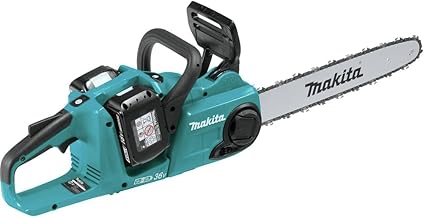
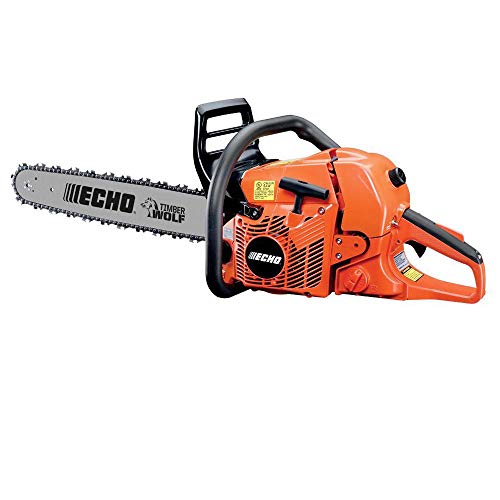
Five hundred dollars is the budget where chainsaws stop being occasional tools and start covering serious work, from firewood cutting to storm cleanup on acreage. The best chainsaw under 500 dollars could be a mid size gas saw, a strong battery saw with packs included, or a homeowner saw with money left over for safety gear. This guide compares those paths, the bar lengths that make sense, and the hidden costs many buyers forget. The comparison table below summarizes the main classes.
Safety belongs in the budget conversation from the start, because a chainsaw is the most dangerous tool most homeowners will ever run. Our guide to the best chainsaw covers the full market, and this article keeps every recommendation inside the $500 ceiling, safety gear included.



Who Should Buy Which Chainsaw Under $500?
Your wood volume and your distance from a power outlet should drive this choice.
Firewood Cutters Heating With Wood
If you cut several cords a year, a gas saw in the 50cc class with an 18 or 20 inch bar is the workhorse this budget was made for. Refueling takes a minute, power never fades mid log, and parts support is deep. Plan to spend part of the budget on a spare chain and files, because firewood cutting dulls chains on dirt and bark constantly.
Homeowners Handling Storm Cleanup and Yard Trees
For storm damage, pruning, and occasional tree removal on a typical lot, a battery saw with two packs included under $500 is easier to own. It starts instantly after months in the garage, needs no fuel care, and runs quietly enough for suburban mornings. Our guide to the best chainsaw for homeowners goes deeper on this use case if your cutting is strictly occasional.
Acreage Owners Stepping Up From a Small Saw
Owners of wooded lots who outgrew a small homeowner saw should spend near the top of the budget on stronger construction: better anti vibration design, a decompression valve for easier starts, and a magnesium crankcase instead of plastic. These upgrades do not show on a spec sheet, but they decide whether a long day of cutting ends with numb hands or steady control.
Key Features to Compare
Engine and Motor Classes at This Price
Gas saws under $500 span roughly the 40cc to 60cc range, with the upper end handling 20 inch bars in hardwood. Battery saws in this budget compete on convenience and can match smaller gas saws cut for cut in typical yard wood. Our roundup of the best battery chainsaw explains which battery classes genuinely replace gas and which only pretend to.
Bar Length and Chain Choice
Match bar length to your largest common log, not your largest imaginable one: a bar should exceed log diameter modestly, and oversizing adds weight and dulls handling. Most under $500 buyers land on 16 to 20 inches. Chain pitch and gauge affect smoothness and parts availability, and low kickback chain is the right default for non professional users. A second chain in the kit keeps you cutting while the first is being sharpened.
Safety Features and Protective Gear
Every saw here should have a working chain brake, a throttle lock, and clear markings for the brake position. Just as important is the gear budget: chaps, a helmet with eye and ear protection, and gloves typically add about $100 to $200 to the real cost. Treat that gear as part of the saw purchase, not an optional extra, and leave room for it inside the $500 whenever possible.
Starting, Vibration, and Handling
Spring assisted starting and decompression valves matter more with each engine size step, since a saw that fights you at startup gets left in the garage. Anti vibration mounts protect your hands during long sessions and improve cut accuracy as fatigue builds. Weight figures should be compared as ready to cut weight with bar, chain, and fuel or battery, because dry weight numbers flatter every brand.
Total Cost Beyond the Saw
Budget for bar oil, two stroke oil or spare batteries, a sharpening kit matched to your chain pitch, and a proper storage case. Firewood cutters should also plan on a splitting maul and wedges if they do not own them. Compact saws in our best mini chainsaw guide can complement a main saw for limbing, but they do not replace one. Honest totals keep the $500 promise real, and they are what separate the best chainsaw under 500 dollars on paper from the one that actually works in your yard.
Gas Versus Battery When the Budget Is $500
Gas wins on sustained power, quick refueling, and low cost per hour of cutting, and it remains the default for firewood and rural lots. Battery wins on instant starting, quiet running, and near zero routine maintenance, which suits suburban lots and infrequent use. At $500, battery kits finally include enough pack capacity for a genuine half day of homeowner cutting, which is why this budget is the crossover point. Choose by your worst cutting day of the year, not your average one.
One safety rule overrides every feature comparison: felling trees near houses, fences, or power lines is professional work. If a tree can fall on anything you value, hire a licensed and insured tree service instead of buying a bigger saw. The same caution applies to hung up trees and storm tangles under tension, which can release energy unpredictably even for experienced cutters.
Common Mistakes to Avoid
- Spending the entire $500 on the saw and nothing on chaps and a helmet, which leaves the most important protection unbought.
- Buying the longest bar available, which adds weight and kickback risk while slowing cuts in ordinary wood.
- Choosing a battery saw for firewood production, then spending cutting days waiting on chargers.
- Running a dull chain because sharpening seems slow, which overheats the bar and doubles the effort of every cut.
- Attempting to fell a leaning tree near a structure to save the cost of a tree service, a gamble with serious injury risk.
How to Make Your Chainsaw Last Longer
Keep the chain sharp and correctly tensioned, since a dull or loose chain wears the bar, the sprocket, and the engine all at once. Clean the air filter and cooling fins regularly, and flip the bar at each chain change to equalize wear. Use fresh fuel with the correct oil mix in gas saws, and drain the system before long storage. Battery owners should store packs indoors at a partial charge. Check chain brake function before every session; it is both a safety device and an early warning of neglected maintenance.
FAQ
Can you get a good chainsaw for under $500?
Yes, under $500 buys genuinely capable saws, including 50cc class gas models and battery kits with enough packs for real work. This budget reaches the top of the homeowner range and the entry of the prosumer range. What it does not buy is a full professional felling saw, which costs more and is built for daily commercial hours.
What is the best chainsaw under $500?
For firewood and land work, the best chainsaw under $500 is a 50cc class gas saw with an 18 inch bar and money reserved for safety gear. For suburban storm cleanup, a strong battery kit is the better answer. The right choice follows your biggest cutting day, and both paths are legitimate at this budget.
How long does a chainsaw last?
A well maintained chainsaw in this class lasts many years of home use, and gas engines often outlast several bars and many chains. Battery saws usually need fresh packs before the saw itself wears out. Neglect shortens everything: dirty filters, dull chains, and old fuel are the three habits that kill saws early.
Is a chainsaw under $500 worth it?
It is worth it if you cut regularly: firewood savings or a single avoided tree service bill can repay the purchase. Owners facing one small tree every few years may come out ahead renting or hiring the work out. Be honest about frequency, because an unused saw still needs storage care and its value fades on the shelf.
How do you clean a chainsaw?
Brush sawdust and oil from the housing, clean the air filter, and clear packed debris from the cooling fins. One area owners neglect is the bar groove and oil port: scrape the groove with a thin tool and confirm oil flows to the chain. A clean saw runs cooler, oils properly, and reveals leaks or damage before they become failures.
Final Thoughts
Split the budget between the saw and the gear that protects you, then choose gas endurance or battery convenience by your biggest cutting day. The product table above gathers the main under $500 classes for a quick comparison of power source, bar size, and price. Chosen with that discipline, the best chainsaw under 500 dollars will serve for years. If any job on your list involves trees near your home or power lines, close this guide and call a professional instead. Prices and availability can change, so check the product page before ordering.


