
Best Quiet Portable Generators: Types Compared and How to Choose
Disclosure: We may earn a commission when you buy through links on this page, at no extra cost to you. As an Amazon Associate I earn from qualifying purchases. Learn more

Quiet inverter generators compared with standby units and power stations, with noise ratings explained.
A loud generator turns a campsite into a construction zone and makes neighbors miserable during an outage. Quiet portable generators use inverter technology and sound dampening enclosures to run at roughly conversation level, often in the 50 to 60 dBA range. The best quiet portable generators combine low noise with enough watts for your needs, clean power for electronics and safety features like CO shutdown.
This guide compares quiet portables with other power options, explains who benefits most, and covers the specs that matter so you can match a generator to your camping, RV or home backup plans.


How Quiet Portable Generators Compare to Other Options
| Option | Best For | Noise | Pros | Cons |
|---|---|---|---|---|
| Quiet inverter portable | Camping, RVs, essentials backup | About 50 to 64 dBA listed | Clean power, efficient | Lower total watts |
| Open frame portable | Job sites, whole home backup | Much louder | Most watts per dollar | Noise, rougher power |
| Home standby | Automatic whole home backup | Moderate, fixed location | Starts automatically | Expensive, installed |
| Power station | Silent indoor use, light loads | Near silent | No fumes | Limited capacity |
Quiet Portable Generators vs Dual Fuel Generators
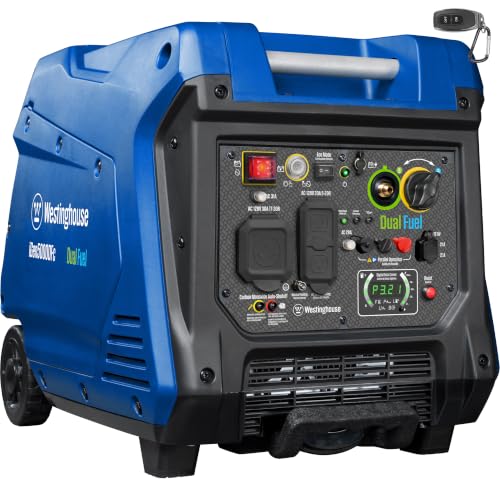
These are not opposites: many quiet inverters are also dual fuel. The Champion 4000-Watt Dual Fuel inverter runs on gasoline or propane and lists 64 dBA from 23 feet, and the Westinghouse iGen5000DFc is a dual fuel inverter listed as low as 52 dBA. Open frame dual fuel generators, by contrast, are much louder.
Quiet Portable Generators vs Home Standby Generators
Standby generators start automatically and power the whole house but cost several times more and require professional installation. Quiet portables are cheaper, move between home and campsite, and can run essentials through a transfer switch.
Quiet Portable Generators vs Power Stations
Battery power stations are nearly silent and safe indoors, but run out quickly with heaters, microwaves or fridges. A quiet inverter generator runs for hours on a tank and can recharge a power station. Many campers use both.
Who Should Choose Quiet Portable Generators?
Campers and RV owners, especially at campgrounds with quiet hours, benefit most. Homeowners in neighborhoods with close neighbors appreciate low noise during outages. Tailgaters and outdoor event hosts need power that will not drown out conversation. Contractors who need maximum wattage for heavy tools may prefer open frame models, and homes needing whole house power should look at larger units or standby systems.
How to Choose the Right Quiet Portable Generator
Noise Ratings
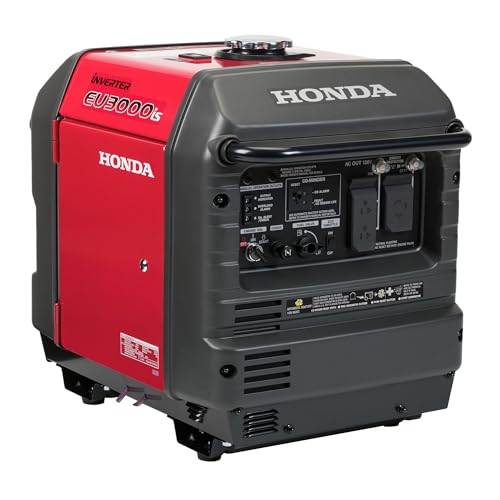
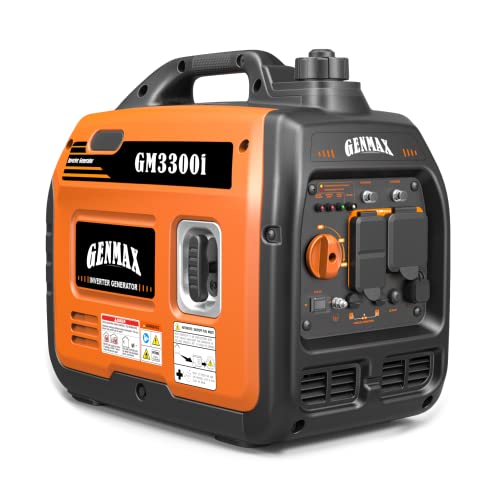
Compare noise figures carefully: brands measure at different distances and loads. Honda lists 50 to 57 dB(A) for the EU3000iS, GENMAX lists 60 dBA at quarter load for the GM3300i, and Champion lists 64 dBA from 23 feet. Lower load means lower noise, so a generator sized with headroom often runs quieter.
Measuring for Size and Portability
Compact 2,000 to 3,000 watt models weigh roughly 40 to 60 pounds and lift into a truck bed. 4,000 to 5,000 watt models are heavier and usually have wheels and handles. Check dimensions against your vehicle or storage space.
Transfer Switch and Home Connection
For home backup, choose a model with a 30A outlet, like the TT-30R RV outlet on several inverters, or a 120/240V outlet for a transfer switch. Have a licensed electrician install the switch or an interlock kit. Never backfeed through a household outlet.
Generator Type and Power Quality
Inverter generators produce clean power, typically under 3 percent THD, safe for laptops, phones and TVs. They also throttle down at light loads, saving fuel; Honda lists up to 19.6 hours on a 3.4 gallon tank for the EU3000iS.
Portability and Safety Features
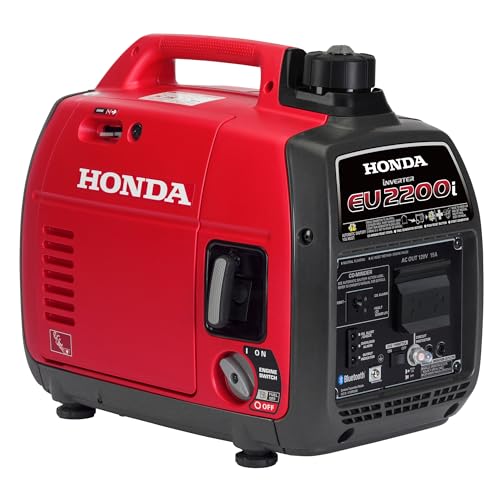
CO shutdown sensors are essential; Champion lists CO Shield, Honda lists CO-MINDER on its EU2200i and Westinghouse lists a CO sensor. Electric or remote start, fuel shutoff and parallel capability are useful extras.
What Makes the Best Quiet Portable Generators So Quiet
Three design choices separate the best quiet portable generators from loud open frame models. First, inverter technology lets the engine slow down when demand is low instead of running at a fixed high speed. At a light load, such as a fridge and a few lights, the engine idles along and the noise drops sharply.
Second, a fully enclosed housing with sound insulation and baffles absorbs engine and fan noise. GENMAX describes its fully enclosed design as dramatically reducing noise, and Westinghouse lists a double insulated cover and muffler on the iGen5000DFc. Third, larger mufflers and tuned exhaust paths cut the sharp exhaust note that carries across campgrounds.
Placement matters as much as design. Sound drops quickly with distance, so moving a generator from 10 feet to 25 feet away makes a noticeable difference. Pointing the exhaust and control panel away from your campsite or windows, and setting the unit on grass instead of a hard deck, reduces both noise and vibration.
Top Quiet Portable Generator Options
- Honda EU3000iS: 3,000 watts, 50 to 57 dB(A), up to 19.6 hours on 3.4 gallons, around $2,400.
- Honda EU2200i: 2,200 watts, 48 to 57 dB(A), Bluetooth app and CO-MINDER, around $1,200.
- Westinghouse iGen5000DFc: 3,900 running watts on gas, as low as 52 dBA, remote start, dual fuel, around $1,000.
- Champion 4000-Watt Dual Fuel Inverter: 3,000 running watts on gas, 64 dBA, up to 25 hours on propane, around $720.
- WEN 56477i: 4,000 rated watts, CO Watchdog, wheels and handle, around $570.
- GENMAX GM3300i: 3,000 running watts, 60 dBA at quarter load, around $500.
Prices change often, so treat these figures as approximate. For camping and game day picks, see our guides to tailgating generators and portable generators for camping.
Tips to Get the Most From Your Quiet Portable Generator
- Use eco mode: it lowers engine speed and noise at light loads.
- Point the exhaust away: aim it away from tents, campers and windows, at least 20 feet from living spaces.
- Place it on soft ground: grass or a rubber mat reduces vibration noise compared with concrete.
- Size with headroom: running at half load is quieter than running near maximum.
- Change oil early: follow the break in schedule in the manual.
FAQs
Can a generator run a refrigerator?
Yes. A refrigerator needs about 700 to 800 running watts plus a startup surge, which a 2,200 watt or larger inverter can usually handle if few other loads run at the same time.
What size generator do I need to power a house?
For essentials such as a fridge, lights, internet and phone charging, 3,000 to 5,000 watts is often enough. Whole home power with central air usually needs a much larger generator or a standby system.
How long can a quiet portable generator run continuously?
At light loads, many run 8 to 20 hours on a tank; Honda lists up to 19.6 hours for the EU3000iS and Champion up to 25 hours on propane. Refuel only when the engine is cool.
Inverter or conventional: which is better?
For quiet operation and clean power, inverters are better. Conventional generators are louder but provide more watts per dollar for heavy loads.
Do I need a transfer switch?
To power home circuits, yes, installed by a licensed electrician. For camping or a few appliances, plug directly into the generator using outdoor rated extension cords.
Final Thoughts
Noise, wattage and safety features matter most. For the best quiet portable generators, choose the Honda EU3000iS for the quietest premium option, the Westinghouse iGen5000DFc for more power with low noise, or the Champion 4000 dual fuel inverter and GENMAX GM3300i for value. Compare current prices in the product table above.


