
Best Black and Decker String Trimmer for 2026: Which Type Fits Your Yard?
Disclosure: We may earn a commission when you buy through links on this page, at no extra cost to you. As an Amazon Associate I earn from qualifying purchases. Learn more

Sort the best black and decker string trimmer lineup by power source, swath and edging features so you can pick the right format for your yard.
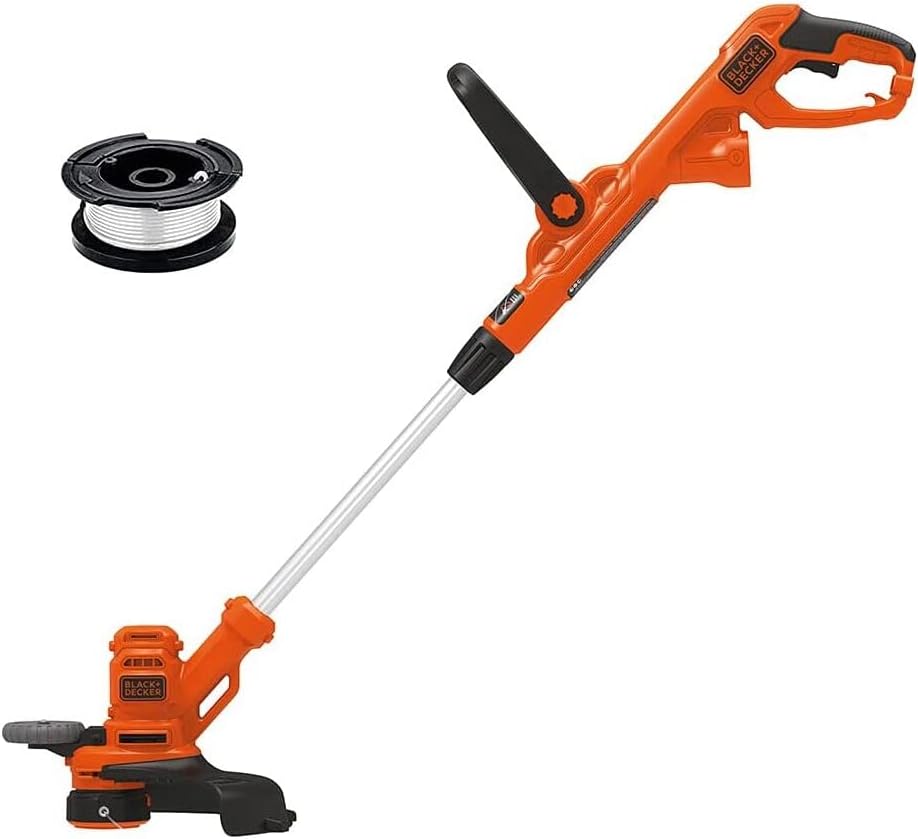
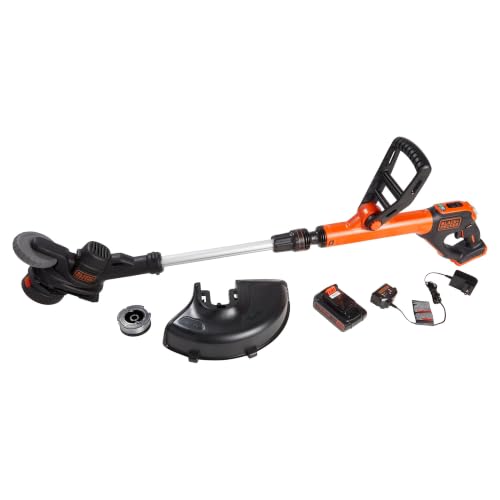
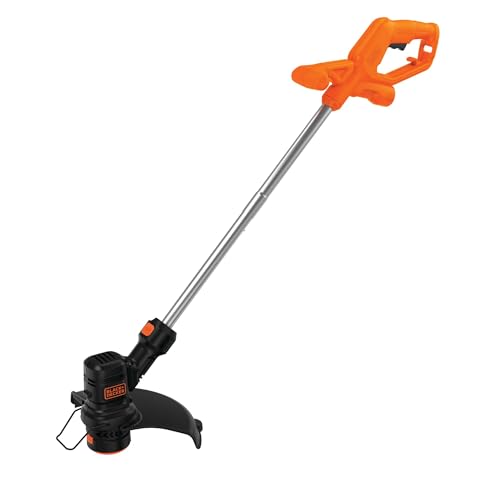
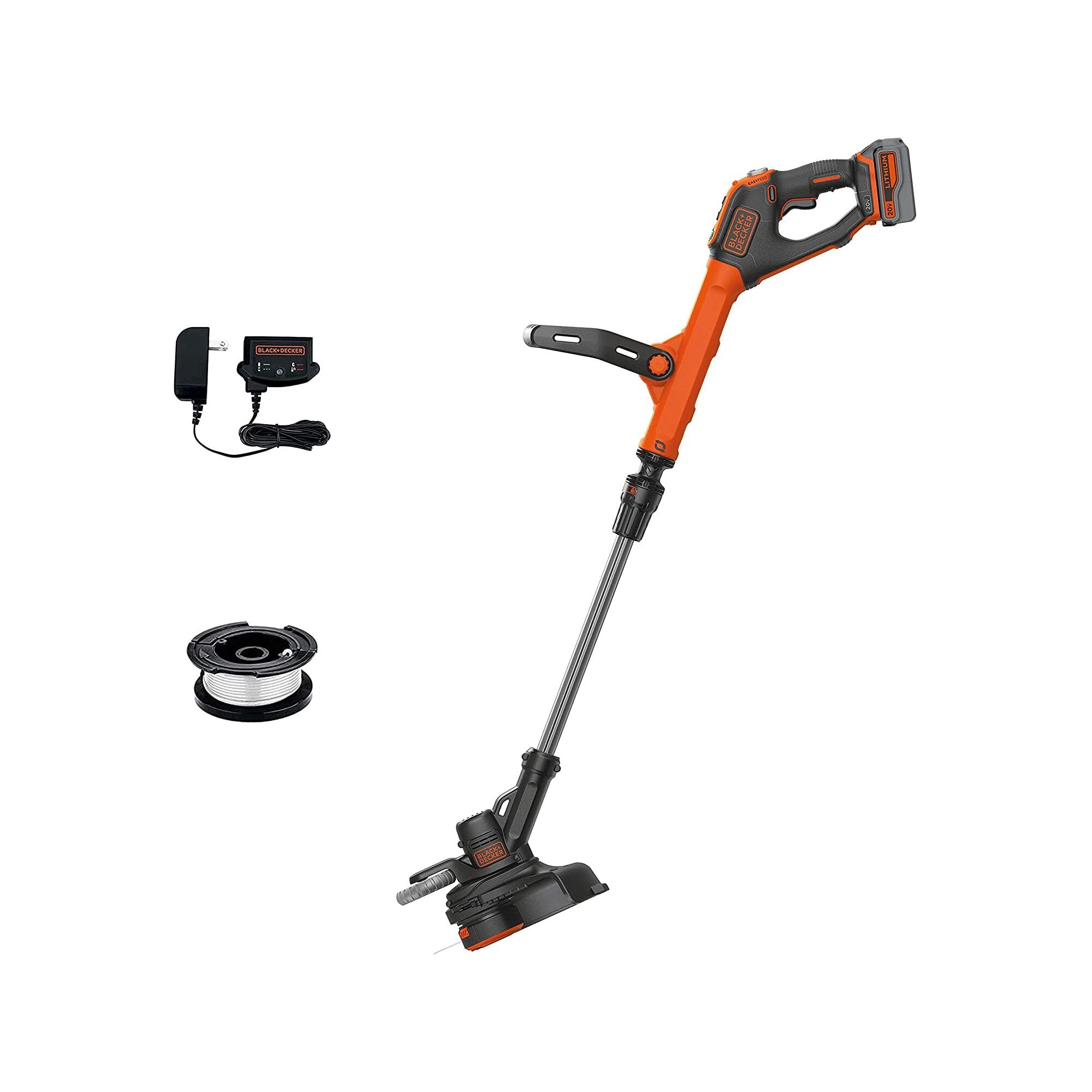
Black and Decker has sold string trimmers for decades, and its lineup now spans simple corded electric models, light 20V MAX cordless tools and taller grass machines with edging wheels. That range is good news and a trap at the same time, because the best black and decker string trimmer for a small patio lawn is a poor match for a half acre of fence line. The product table groups the brand main formats so you can compare them by power source and swath before reading further.
This guide explains how the brand lineup is organized, which features are unique to it, and which type fits which yard. Black and Decker aims squarely at homeowners rather than lawn crews, so the deciding factors are ease of use, feed simplicity and battery sharing with the hand tools many households already own.





Who Should Buy Which Black and Decker String Trimmer?
Homeowners With Small Lawns and an Outlet Nearby
The corded electric models are the simplest tools in the range: steady power, no battery to charge and no fuel to store. If your lawn sits within cord reach of an outdoor outlet, a corded Black and Decker trimmer handles weekly grass with zero fuss and the lowest purchase price in the lineup. These are also the lightest models the brand sells, which suits anyone who finds battery packs at the rear of a cordless tool tiring to hold at working angle.
Households Already Using 20V MAX Batteries
The brand 20V MAX battery family powers drills, saws, blowers and trimmers across the range, so a household that already owns two of those packs gets cordless trimming at tool only prices. The cordless trimmers built on this platform are light and quiet, and they suit small to mid size lots where trimming takes under half an hour. If your other yard tools are 20V MAX as well, one charger shelf runs everything, which is the strongest practical reason to stay within this brand.
Gardeners Who Want Trimming and Edging in One Tool
Several Black and Decker models carry a rotating head and a guide wheel, turning the trimmer into a walk behind edger for sidewalks and driveways. Gardeners who like a crisp edge along paths but do not want a separate edger in the shed should look at these convertible models first. The wheel carries the weight and keeps the cutting line straight, so edges look even without a practiced hand.
Key Features to Compare
The Automatic Feed Spool System
The signature feature across much of this lineup is the automatic feed spool, which advances line as you work without any bump on the ground. For new users this removes the most confusing part of trimmer ownership, since the head simply keeps line at working length. The trade off is line use: automatic feed can spend line faster in heavy grass, and the spools are a brand specific shape. Check the price of the three pack of spools before you buy, because that recurring cost, more than the tool price, sets what ownership really costs.
Power Source: Corded, 20V MAX or Higher Voltage
Corded models in this range run on household current and never fade mid job, but they tie you to an outlet and a cord rated for the distance. The 20V MAX cordless models trade some cutting force for freedom and quiet, and they pair well with the best battery string trimmer choices for small lots. A step up in voltage within the brand brings wider swaths and stronger motors for bigger yards. As a rule, the larger your lot and the thicker your grass, the further up the voltage ladder you should shop, while condo and patio owners lose nothing by staying at the light end.
Cutting Swath and Line Size
Swaths in this lineup run from about 12 inches on the light cordless models to about 14 inches on the stronger ones. A 12 inch path feels slow along a long fence but fits between plantings without damage. Nearly all of these trimmers use 0.065 inch line, which is right for lawn grass and light weeds. Do not plan to clear brush or woody stems with any of them; that work belongs to heavier tools with thicker line, and forcing thin line into brush only melts it inside the head.
Shaft Adjustment and Head Rotation
Most models in the range offer a telescoping shaft and an adjustable auxiliary handle, so two users of different heights can share one tool comfortably. Head rotation matters if you edge: look for a head that locks in the vertical position and a wheel or edge guide that keeps the line at a steady distance from the pavement. Readers comparing formats across brands in our guide to the best string trimmer will see that this convertible design is where Black and Decker puts most of its design effort, so check that lock for play before you commit.
Weight, Noise and Storage Footprint
Homeowner tools earn their keep by being pleasant to grab for ten minutes of tidying. These trimmers are light, most of them well under 8 pounds ready to work, and the cordless ones are quiet enough for early evening use without annoying the street. The shafts shorten for storage, and the whole tool hangs flat on a wall hook. If arthritis or shoulder trouble limits your lifting, this light end of the market, rather than any gas tool, is where your search should stay.
Matching the Brand Lineup to Your Yard Work
Start by deciding the power source with an honest look at your property. Measure the distance from your outdoor outlet to the farthest corner you trim. Under about 100 feet with few obstacles, corded is simple and cheap. Beyond that, or with trees and beds that snag cords, go cordless and count your trimming time instead, since a small lot cordless model runs roughly 20 to 30 minutes of real cutting on a standard pack.
Then decide whether edging matters to you. Homes with concrete sidewalks and driveways show ragged edges clearly, and the convertible models earn their small price premium there. Homes with gravel paths or mulch borders gain little from an edging wheel. Finally, if fuel power tempts you for a big rough lot, be honest that this brand does not serve that job; our roundup of the best gas string trimmer models covers the tools built for acreage and heavy growth, which sit in a different class entirely.
Common Mistakes to Avoid
- Buying the lightest cordless model for a large lot, then blaming the brand when the battery fades before the back fence is done.
- Ignoring spool prices, since the automatic feed system uses brand specific spools that cost more than bulk line over a season.
- Forcing 0.065 inch line into brush and woody weeds, which jams the head and can crack the spool housing.
- Storing a corded trimmer by its cord, which frays the jacket at the strain relief and creates a shock risk later.
- Choosing a non rotating head to save a little money, then fighting freehand edging that looks wavy all season.
How to Make Your Black and Decker String Trimmer Last Longer
Keep the head and guard clean after every session, because packed grass holds moisture against the motor vents on cordless models and against the housing on all of them. Store spare spools in a sealed bag indoors; nylon line that dries out in a hot shed turns brittle and snaps at the eyelet instead of feeding. If your model uses the automatic feed spool, keep one spare spool in the garage so a mid job empty spool never ends the session early.
Charge cordless batteries after use and store them indoors at room temperature, away from freezing garages. For corded models, inspect the full cord length each spring for nicks, and coil it loosely rather than wrapping it tight around the tool. Check that the guard is tight and uncracked before each season, and replace a worn line cutting blade on the guard so line length stays correct. These small habits keep a homeowner grade tool working for many seasons.
FAQ
Do Black and Decker string trimmer spools fit every model in the lineup?
No. The automatic feed spool comes in more than one size across the range, and a spool wound for a small cordless model will not seat in a larger corded head. Match the spool part family printed in your manual when you order, and be wary of bargain multipacks that mix shapes. Keeping the manual page with the spool number in your phone saves a return trip. When in doubt, bring the empty spool to the store and compare the hub shape side by side.
Can a 20V MAX Black and Decker trimmer handle a quarter acre yard?
Yes, with realistic expectations. A quarter acre lot usually means 20 to 30 minutes of actual trimming around fences, trees and the house, which a healthy standard battery covers in grass that is cut weekly. Let the grass go for three weeks and the same job drains the pack early. Owners of larger or rougher lots do better with two batteries in rotation, charging one while the other works, or with a higher voltage model from the start.
Is the edging wheel on Black and Decker trimmers worth using?
For concrete edges, yes. The wheel carries the tool weight and holds the line at a fixed offset, which produces a straighter edge than freehand trimming and saves your arms on long driveways. It adds little on gravel or mulch borders, where a wheel sinks and wanders. If your home has long straight pavement edges, choose a model with the wheel and a head that locks firmly vertical, then run the line slightly shorter than max for the cleanest groove.
How does a Black and Decker cordless trimmer compare with Worx or Ryobi?
The practical difference is the battery family and the feed system. Black and Decker leans on automatic feed and very light tools aimed at smaller yards, while rival platforms may offer bump feed heads and wider pro leaning ranges. If you already own batteries from any one of these brands, that fact outweighs small spec differences, since a second platform means a second charger and a second set of packs. Buy into the platform you own, unless your yard has outgrown what it offers.
Why does my Black and Decker trimmer keep using line so fast?
Automatic feed advances line whenever centrifugal force and wear call for it, and edging against concrete wears line far faster than trimming grass. Long line also whips against the guard blade and sheds length. Shorten your passes along pavement, keep the head slightly above hard surfaces while trimming grass, and check that the spool is seated fully, since a loose spool feeds uncontrollably. If line vanishes even in soft grass, the spool is likely wound in the wrong direction.
Final Thoughts
Within this brand, the choice is really about format: corded for simplicity near the house, 20V MAX cordless for light and quiet freedom, and the convertible models when neat pavement edges matter to you. Pick the format that matches your lot and your existing batteries, and the best black and decker string trimmer for your home becomes an easy call. The product table groups the types for a quick side by side look, and our wider best cordless string trimmer guide helps if you want to compare this lineup against cordless rivals before you buy.


